
Latest Version
November 03, 2026
Z & K Games
Puzzle
Android
0
com.zatg.nick.brainpuzzle.choices
Report a Problem
More About :game
About Nick's Next Move
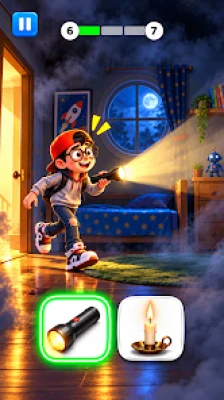
Nick's Next Move is a puzzle-focused mobile game built around the idea of making the right decision in challenging situations. Rather than depending on fast action or complicated controls, the experience encourages players to pause, observe, and think before choosing what happens next.
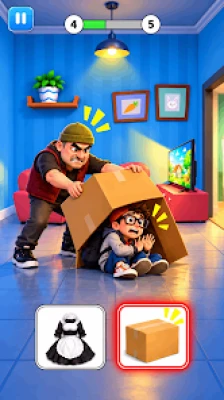
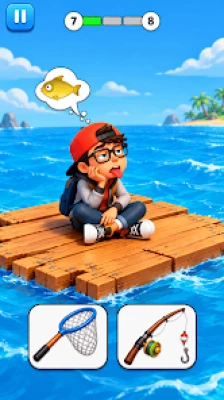
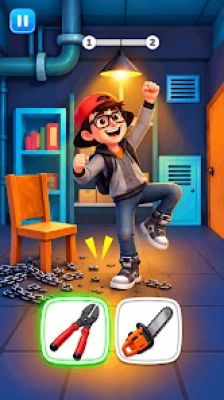
The central attraction is its decision-making theme. Players are presented with situations that require careful consideration, and the challenge is to identify the most suitable response. Some situations may appear simple at first, but a closer look can reveal details that change the way a puzzle should be approached.
The game is designed for casual entertainment, making it suitable for players who enjoy brain teasers, tricky questions, and interactive challenges. Its straightforward concept makes it easy to understand, while the need to consider different possibilities gives each challenge an interesting mental twist.
Whether you enjoy testing your logic, exploring unusual situations, or solving puzzles in your spare time, Nick's Next Move offers a lighthearted way to keep your mind engaged.
Main Features of Nick's Next Move
Tricky Brain Puzzles
Explore challenges that encourage careful thinking instead of relying on the first answer that comes to mind.
Decision-Based Challenges
Consider different possibilities and choose the next move that best fits each situation.
Creative Problem-Solving
Use imagination and logical reasoning to approach unusual questions and find solutions.
Observation and Attention
Pay attention to details that may provide clues to the correct decision.
Unexpected Outcomes
Discover how different choices can lead to surprising results.
Casual Gameplay Style
Enjoy a puzzle experience that focuses on thinking and decision-making rather than complicated controls.
Entertainment for Puzzle Fans
The game is a suitable option for players who enjoy brain teasers, logic challenges, and interactive puzzles.
Gameplay: How to Play Nick's Next Move
The basic idea behind Nick's Next Move is to understand a situation and decide what should happen next.
Begin by examining the challenge presented on the screen. Read the question carefully and look at any visual details that may help explain the situation.
Think about the possible answers before selecting one. Consider whether the most obvious choice is really the best solution or whether the puzzle contains a hidden detail that changes the answer.
After making your decision, observe the result and learn from the outcome. If your choice does not work as expected, reconsider the information and try a different approach when possible.
The most effective way to approach the game is to combine observation, logic, and creativity. Avoid rushing, and treat every challenge as an opportunity to improve your problem-solving skills.
Complete Strategy Guide for Nick's Next Move
Understand the Situation First
Before choosing an answer, make sure you understand what the challenge is asking.
Read the full question and identify the main problem. Pay attention to the characters, objects, and circumstances involved.
Sometimes a puzzle becomes much easier once you understand exactly what needs to be solved. Avoid making assumptions based on only the first sentence or image.
Examine Every Detail
Observation is one of the most important skills in puzzle games.
Look carefully at the scene and notice anything that seems unusual. A small object, a character's position, or a detail in the background may provide a useful clue.
Do not ignore information simply because it appears unimportant. Details that seem ordinary at first may become essential when you consider the complete situation.
Think Before Making Your Next Move
The title itself encourages a thoughtful approach to decision-making.
Before selecting an option, consider what could happen afterward. Ask yourself whether your choice addresses the problem or creates another complication.
Thinking one step ahead can help you avoid decisions that seem attractive initially but do not solve the actual challenge.
Challenge Your First Impression
The first answer that comes to mind is not always the correct one.
If a situation looks straightforward, consider whether there might be another interpretation. Try to understand the challenge from a different perspective.
This approach is especially useful when a puzzle is designed around a surprising twist or an unusual way of thinking.
Compare All Available Options
When a puzzle offers multiple choices, examine each one rather than selecting the first reasonable answer.
Consider which option best fits the situation and which one accounts for the available clues.
Comparing the alternatives helps you make a more informed decision and reduces unnecessary guessing.
Learn From Unexpected Results
An incorrect answer does not have to be wasted effort.
Review what happened and think about why your decision produced that outcome. You may have overlooked a clue or misunderstood the situation.
Use this information to improve your next attempt. Learning from mistakes is an important part of becoming better at solving puzzles.
Combine Logic With Creativity
Some challenges can be solved through straightforward reasoning, while others may require a more imaginative approach.
Try to balance both ways of thinking. Use logic to understand the problem, then consider creative possibilities that might not be immediately obvious.
A flexible mindset makes it easier to approach different types of brain challenges.
Stay Patient With Difficult Puzzles
Not every challenge will have an obvious solution.
When you feel stuck, take a short break and return with a fresh perspective. Reconsider the question and examine the details again.
A patient approach is often more effective than repeatedly choosing answers without understanding the problem.
Beginner Tips for New Players
Read Every Question Carefully
Make sure you understand the complete situation before choosing your answer.
Look for Small Clues
Examine the details instead of focusing only on the main characters or objects.
Avoid Random Decisions
Think about the possible consequences of each choice.
Consider Alternative Answers
If the obvious option does not seem convincing, explore another interpretation.
Learn From Mistakes
Use unexpected results to understand the puzzle better.
Enjoy the Challenge
Focus on discovering solutions rather than rushing through every puzzle.
Advanced Strategies for Better Results
Identify the Central Problem
When a situation contains several details, determine which information is directly related to the question.
Separating essential clues from background information can make difficult puzzles easier to understand.
Predict What Happens Next
Think beyond the immediate decision. Consider the possible consequences of each available action and how it might affect the rest of the situation.
This habit can help you make smarter choices and approach challenges more systematically.
Question Hidden Assumptions
Sometimes a puzzle becomes difficult because you assume something that the question never actually states.
Review your interpretation and separate confirmed information from guesses. This can reveal possibilities that were overlooked.
Develop a Consistent Solving Method
Use a simple routine for every challenge: read the question, inspect the details, identify the problem, compare the options, and make your decision.
A consistent method helps you remain focused when puzzles become more complicated.
Recognize Different Thinking Patterns
Some challenges depend on logic, while others may require observation, imagination, or interpreting a situation differently.
Recognizing the type of thinking required can help you choose a better strategy for each puzzle.
Common Mistakes to Avoid
Rushing Into an Answer
Taking action before understanding the question can lead to unnecessary mistakes.
Ignoring Visual Information
Small details may contain important clues. Examine the entire scene.
Assuming the Obvious Answer Is Correct
Some puzzles are designed to challenge your first impression.
Overthinking Every Situation
Creative thinking is useful, but not every challenge requires an elaborate solution. Look for the simplest answer that fits the evidence.
Repeating the Same Failed Approach
If a decision produces an unexpected outcome, reconsider your reasoning instead of blindly repeating it.
Ignoring the Consequences of a Choice
Think about what may happen after your decision rather than focusing only on the immediate result.
Why Nick's Next Move Is Worth Trying
Nick's Next Move is aimed at players who enjoy casual puzzles and challenges that reward thoughtful decisions. Its central idea is easy to understand: examine a situation, consider the possibilities, and choose the next move.
The appeal of this type of gameplay comes from the satisfaction of solving a tricky problem. Instead of depending on fast reflexes, players can focus on observation, reasoning, and creativity.
It is a good option for people who enjoy brain teasers and interactive decision-making games. Whether you want a quick mental challenge or a casual puzzle experience during your free time, Nick's Next Move offers an approachable concept.
Frequently Asked Questions
What is Nick's Next Move?
Nick's Next Move is a mobile puzzle game focused on tricky situations, decision-making, and creative problem-solving.
What is the main objective of Nick's Next Move?
The main objective is to examine each challenge, consider the available possibilities, and select the most suitable next move.
Is Nick's Next Move a brain puzzle game?
Yes. Its central concept revolves around thinking through situations and making decisions to solve challenges.
Does the game require logical thinking?
Logical reasoning and careful observation are useful when considering possible solutions.
Is Nick's Next Move suitable for beginners?
Its basic decision-making concept is easy to understand, making it approachable for casual puzzle players.
What should I do if I cannot solve a puzzle?
Read the question again, examine the details, and consider alternative interpretations before choosing another answer.
Does the game require fast reactions?
The main focus is on thoughtful decisions and problem-solving rather than fast reflexes.
What skills can players practice?
Players can practice observation, logical reasoning, creative thinking, and decision-making.
Final Thoughts
Nick's Next Move offers a casual puzzle experience built around careful thinking and smart decisions. Its central challenge is to understand each situation, recognize useful clues, and choose the action that makes the most sense.
The best approach is to stay observant, question your first assumptions, and think about the consequences before making a choice. For players who enjoy brain teasers, tricky questions, and decision-based challenges, Nick's Next Move is an entertaining way to exercise their problem-solving skills.
Rate the Game
User Reviews






Popular Games



















 Android
 iOS
 Windows
 Xbox