
Latest Version
November 05, 2026
mobirix
Puzzle
0
com.mobirix.ttm
Report a Problem
More About :game
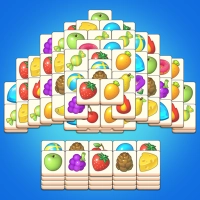
Featuring colorful 3D tiles, different puzzle layouts, helpful tools, daily quizzes, special events, and weekly leaderboards, Mahjong Tile Clash combines simple gameplay with strategic thinking. Players can enjoy unlimited puzzle sessions offline, making it a convenient choice for fans of casual games and brain teasers.
What Is Mahjong Tile Clash?
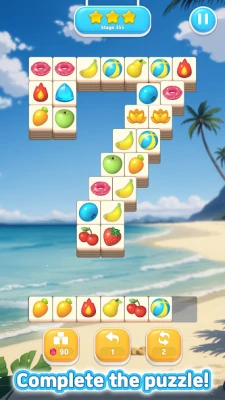
Mahjong Tile Clash is a match-three puzzle game inspired by tile-matching mechanics. Instead of matching traditional pairs, players must collect three identical tiles to remove them from the board.
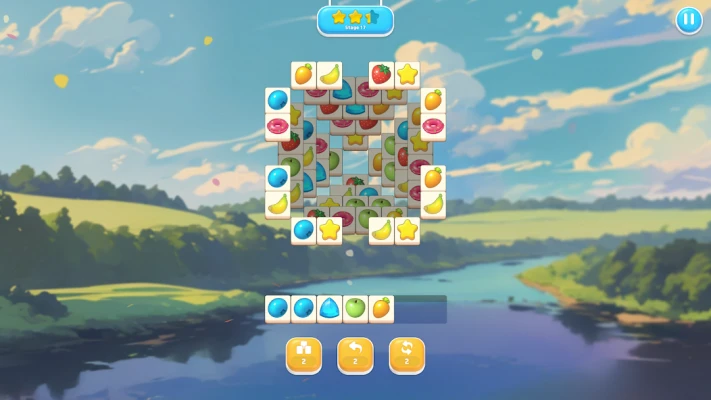
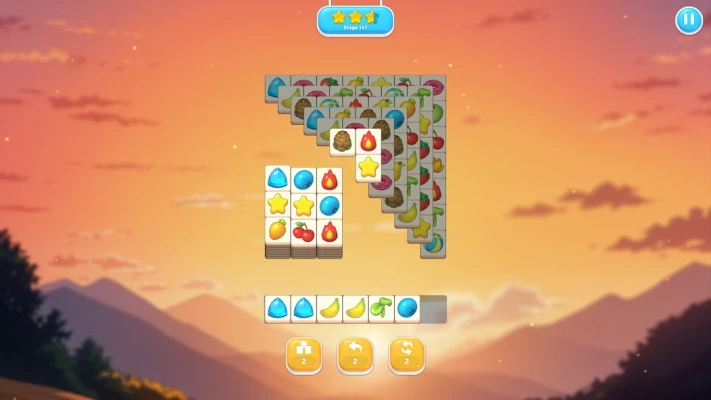
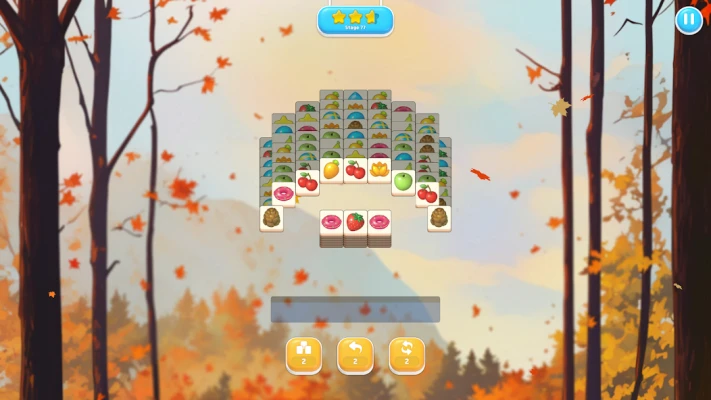
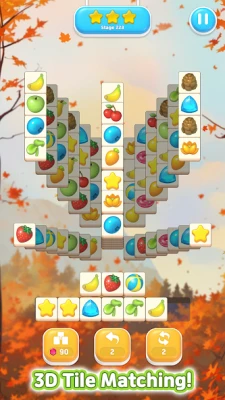
Every level presents a stack of tiles arranged in a particular shape. Some pieces are easy to access, while others may be covered by tiles positioned above them. Players need to examine the board, identify matching designs, and choose their moves carefully.
The main challenge comes from the collection slots. Every selected tile that does not complete a group of three occupies space. If seven unmatched tiles accumulate, the game ends.
This creates an interesting balance between observation and strategy. Players must think beyond the next move, uncover useful pieces, and avoid filling the available slots with tiles that cannot be matched.
Although the controls are simple, completing difficult stages requires patience, planning, and a good understanding of the board.
Main Features of Mahjong Tile Clash
Unique Triple-Tile Matching Gameplay
The main objective is to find three identical tiles and collect them to clear the board.
Unlike traditional Mahjong games that focus on matching pairs, Mahjong Tile Clash uses a triple-matching system. This makes every selection important because players must complete groups while managing limited space.
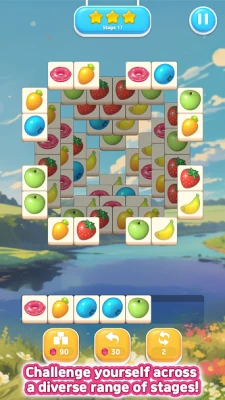
Different Puzzle Stages
The game features diverse stages with stacks of different sizes and shapes.
Each layout creates a new challenge. Some boards provide several obvious matches, while others require players to uncover covered pieces and plan their selections carefully.
Colorful Three-Dimensional Tiles
Mahjong Tile Clash features a collection of attractive 3D tile designs.
Players can encounter different themes, including:
Fruits
Flowers
Animals
Food
Other colorful objects
The variety of designs makes the board visually interesting and encourages players to recognize matching patterns.
Helpful Puzzle Tools
The game provides several features to help players overcome difficult situations.
Auto-Complete: Helps remove tiles more easily and makes challenging situations more manageable.
Shuffle: Provides another opportunity when the current arrangement makes matching difficult.
Backtrack: Allows players to reconsider a previous move and correct an unfavorable selection.
These tools add flexibility and help players continue when they encounter complicated boards.
Stars and Weekly Leaderboards
Players can gather stars and compete for a position on the weekly leaderboard.
This gives the game an additional objective beyond completing individual stages. Players who enjoy improving their performance can use the leaderboard as motivation to develop better matching strategies.
Daily Quizzes and Special Events
Mahjong Tile Clash includes a Daily Quiz that gives players another activity to enjoy and an opportunity to earn rewards.
Special events add variety to the regular puzzle experience and provide additional reasons to return.
Unlimited Offline Play
One of the convenient features of Mahjong Tile Clash is its offline gameplay support.
Players can enjoy the core puzzle experience without needing a continuous internet connection or waiting for additional play opportunities.
How to Play Mahjong Tile Clash
When you enter a level, you will see a board filled with colorful tiles arranged in a stack.
Your objective is to find three identical pieces and select them. The selected tiles move into the collection slots, and when three matching pieces are collected, they disappear.
Continue identifying and completing groups until the board is cleared.
However, you must monitor the available slots throughout the level. Every unmatched tile occupies space, and collecting seven unmatched pieces ends the game.
Before selecting a tile, examine the board and check whether its matching pieces are available. Prioritize moves that help complete groups or uncover other useful tiles.
The key to success is not simply selecting as many tiles as possible. It is choosing the right pieces in the right order.
Complete Strategy Guide for Mahjong Tile Clash
Understand the Seven-Tile Limit
The most important rule in Mahjong Tile Clash is the seven-tile limit.
Unmatched pieces remain in the collection slots until you complete a group of three identical tiles. If seven unmatched tiles accumulate, the game ends.
This means every selection should have a purpose.
Before tapping a tile, consider whether its matching pieces are visible or likely to become accessible. Avoid collecting unrelated designs simply because they are easy to reach.
Keeping the slots organized gives you more freedom to respond to new opportunities.
Search for Complete Groups Before Making a Move
Do not focus only on the first matching pair you notice.
Look across the visible board and identify all three pieces whenever possible. If you can locate a complete group, collecting it is often a safe way to clear space.
This approach reduces the number of unmatched tiles and helps prevent the slots from becoming crowded.
Prioritize Tiles Near the Top
The game encourages players to make matches near the top of the stack.
Accessible tiles are often important because removing them may reveal pieces underneath. This can create new matching opportunities and make previously hidden areas easier to explore.
However, do not remove a tile without considering its matching possibilities. A good move should help clear a group or improve access to the remaining board.
Pay Attention to Covered Tiles
Some pieces cannot be selected until the tiles above them have been removed.
Look for areas where one tile blocks several others. Clearing these positions may reveal multiple new options.
When choosing between two possible moves, consider which one is more likely to uncover useful pieces.
Keep the Collection Slots Organized
Free space is one of your most valuable resources.
Try to complete matching groups regularly instead of collecting several unrelated tiles. The fewer unmatched pieces you have, the more flexibility you retain.
If two identical pieces are already waiting in the slots, prioritize finding the third one when possible.
Avoid Random Tile Selection
Random tapping is one of the most common reasons players lose difficult stages.
A tile may look useful because its design is familiar, but selecting it without knowing where its matches are can create unnecessary problems.
Instead, examine the board and choose pieces that support a clear matching plan.
Remember the Tiles Already in the Slots
Always keep track of the designs you have collected.
If you already have two matching pieces, finding the third should become an important priority. Completing that group removes all three and frees space for future selections.
This simple habit helps prevent duplicate selections and improves decision-making.
Use Shuffle When You Need New Opportunities
Sometimes the current arrangement makes it difficult to find a useful match.
The shuffle option can help change the situation and give you another opportunity to continue.
Before using it, inspect the board carefully. You may have overlooked an available triple or a move that could reveal additional tiles.
Use shuffle when the current arrangement genuinely limits your options.
Use Backtrack to Correct Mistakes
A selection that initially seems useful may create a difficult situation.
The backtrack option allows you to reconsider a previous move. Use it when you realize that a tile has occupied an important slot without providing a clear matching opportunity.
Rather than continuing with an unfavorable arrangement, reconsider the decision and choose a more productive move.
Use Auto-Complete at the Right Time
Auto-complete is designed to make removing tiles easier.
It can be useful when you are struggling with a complicated board or want assistance progressing through a difficult situation.
Learn the normal matching mechanics first so you can recognize when this feature provides the greatest benefit.
Focus on Moves That Reveal More Tiles
A good move does more than complete a match. It can also expose other pieces and create new possibilities.
Pay attention to the structure of the stack. If clearing one group can uncover a useful section, that move may be more valuable than completing an easier match elsewhere.
Stay Calm When the Slots Become Crowded
When several unmatched tiles are waiting, it can be tempting to tap quickly.
Avoid rushing. Examine the existing pieces, identify groups that are close to completion, and search for the missing matches.
A careful selection can free multiple slots and restore control of the board.
Best Beginner Tips for Mahjong Tile Clash
Learn the seven-tile limit before attempting difficult stages.
Search for three identical pieces before collecting individual tiles.
Keep the collection slots as empty as possible.
Prioritize matches that uncover covered tiles.
Remember which designs are already waiting in the slots.
Avoid collecting random tiles without a clear plan.
Look for opportunities to complete existing pairs.
Use shuffle when the current arrangement becomes difficult.
Use backtrack when a previous move creates problems.
Take advantage of auto-complete when you need assistance.
Practice recognizing repeated designs to improve your matching speed.
Advanced Strategies for Difficult Levels
Balance Immediate Matches With Future Opportunities
An easy triple is useful, but it is not always the most valuable move.
Sometimes another selection can uncover more of the board and create better matching opportunities. Compare the immediate benefit of a match with the possible advantages of revealing additional pieces.
Prioritize Moves That Open the Board
When a tile blocks several others, removing it may improve your future choices.
Look for positions where clearing a group can expose multiple pieces. These moves can help you discover matches that were previously unavailable.
Monitor Every Slot
Do not focus entirely on the main board.
Keep checking the tiles that have already been selected. If two matching pieces are waiting, make finding the third one a priority whenever possible.
Completing groups regularly keeps the slot area manageable.
Recognize When to Use Special Tools
Shuffle, backtrack, and auto-complete are useful, but they are most effective when used for a specific reason.
Before activating a tool, identify the problem you are trying to solve. This helps you avoid unnecessary use and makes each helper more valuable.
Develop a Consistent Matching Routine
A reliable routine can make complicated stages easier to manage:
Examine the visible board.
Identify possible groups of three.
Check the current collection slots.
Prioritize useful and accessible matches.
Look for tiles blocking other pieces.
Select tiles that support a clear plan.
Reassess the board after completing each group.
Following this approach helps reduce unnecessary selections and improves consistency.
Daily Quizzes, Events, and Rewards
Mahjong Tile Clash offers activities beyond its regular stages.
The Daily Quiz gives players an additional puzzle activity and an opportunity to earn rewards. It is a useful way to enjoy a different challenge alongside the main matching gameplay.
Special events provide further variety and encourage players to return to the game.
Stars and weekly leaderboards add another layer of motivation. Players can work toward better results and compare their performance with others.
Common Mistakes to Avoid
Filling the Slots Too Quickly
Selecting unrelated tiles can leave very little space for future matches. Always consider the seven-tile limit before making a move.
Ignoring the Third Matching Tile
Finding two identical pieces is only part of the task. Before selecting them, consider whether the third piece is accessible or can become available soon.
Forgetting Existing Slot Tiles
You may already have one or two pieces of a particular design waiting in the slots. Check them before collecting additional tiles.
Ignoring Covered Pieces
Some of the most useful tiles may be hidden underneath other pieces. Think about which selections can reveal more of the stack.
Using Tools Without a Plan
Shuffle, backtrack, and auto-complete can help, but using them without understanding the current problem may not improve your position.
Rushing Through Difficult Boards
Fast tapping can lead to unnecessary mistakes. Take time to examine the board and choose moves carefully.
Why Players May Enjoy Mahjong Tile Clash
Mahjong Tile Clash combines easy-to-understand controls with a satisfying puzzle challenge. Its triple-matching mechanic is simple, but the limited collection slots encourage players to think carefully before making selections.
Different stage layouts provide variety, while colorful 3D designs make the puzzles visually appealing. The shuffle, backtrack, and auto-complete features also give players additional ways to handle difficult situations.
Daily quizzes, special events, stars, and weekly leaderboards add extra activities beyond the main stages. Offline support makes the game convenient for short puzzle sessions at home or while traveling.
For players who enjoy casual tile games, match-three challenges, and relaxing brain teasers, Mahjong Tile Clash offers an accessible experience with plenty of opportunities to improve.
Frequently Asked Questions
What is Mahjong Tile Clash?
Mahjong Tile Clash is a casual puzzle game where players find and match three identical tiles from a stack to clear the board.
Who developed Mahjong Tile Clash?
The game was developed by mobirix.
How do you match tiles?
Select three identical tiles. Once the group is complete, the matching pieces disappear from the collection slots.
What happens when seven unmatched tiles accumulate?
The game ends when seven unmatched tiles collect in the slots.
Is Mahjong Tile Clash a traditional Mahjong game?
It uses tile designs and matching concepts associated with Mahjong-style games, but its main gameplay is based on matching three identical pieces rather than traditional Mahjong pair matching.
What types of tiles are available?
The game features colorful 3D designs, including fruits, flowers, animals, food, and other objects.
What does the shuffle feature do?
Shuffle helps change the current arrangement when you need another opportunity to find matches.
Can I undo a move?
Yes. The game includes a backtrack option that allows you to reconsider a previous move.
What is auto-complete?
Auto-complete is a helpful feature designed to make removing tiles easier.
Does Mahjong Tile Clash have daily challenges?
Yes. Players can participate in the Daily Quiz and enjoy special events.
Can I compete with other players?
Yes. Players can gather stars and compete for positions on the weekly leaderboard.
Can I play Mahjong Tile Clash offline?
Yes. The game supports offline play, allowing you to enjoy its core puzzle experience without a continuous internet connection.
Final Verdict
Mahjong Tile Clash is an enjoyable tile-matching puzzle game that combines colorful 3D designs with thoughtful decision-making. Its triple-match mechanics make it easy to understand, while the seven-tile limit creates a challenge that rewards careful planning.
The variety of stages, different tile designs, helpful tools, daily quizzes, and weekly leaderboards provide plenty of reasons to keep playing. The best approach is to identify complete groups, manage the collection slots, uncover useful tiles, and avoid unnecessary selections.
For players who enjoy Mahjong-inspired puzzles, match-three games, and relaxing brain teasers, Mahjong Tile Clash offers a satisfying mobile gaming experience.
Rate the Game
User Reviews













Popular Games



















 Android
 iOS
 Windows
 Xbox