


Latest Version
September 11, 2024
Funovus
Strategy
0
com.wildsky.wildarmydraft
Report a Problem
More About :game
Full Game Information
Merge War: Super Legion Master, developed by Funovus, is a fantasy merge strategy game built around assembling an army of increasingly powerful creatures. It combines automatic combat with tactical decisions, unit merging, collectible hero cards, and competitive battles.
Main Gameplay Features
Unit Merging and Evolution
Merging is at the heart of the experience. Combine matching units to develop stronger fighters and make better use of your available army space. Every merge should contribute to a clear plan for defeating the next group of enemies.
Fantasy Army Building
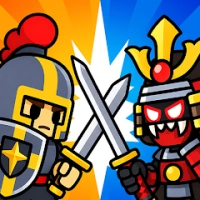
Create a legion featuring a variety of fantasy units, including slimes, dragons, knights, archers, and wizards. Different units bring different strengths to your formation, so choosing the right combination matters as much as improving individual cards.
Automatic Battles
Prepare your formation before combat and watch your army fight automatically. The challenge lies in making the right decisions before and between encounters, including selecting units, improving your collection, and adjusting your strategy.
Hero Cards and Upgrades
Collect cards by completing stages and opening chests. Use the available cards and resources to strengthen your legion and unlock more powerful versions of your units. Some heroes also gain powerful ultimate abilities as they reach higher levels.
Offline Campaign
The game's campaign supports offline play, allowing you to enjoy its core strategy experience without a continuous internet connection. Online connectivity is still relevant for multiplayer and other connected features.
PvP Arena
Test your army against other players in the arena. Competitive battles reward thoughtful formation choices and ongoing improvements to your collection. Arena progression also offers opportunities to earn rankings and cosmetic rewards.
Events and Special Rewards
In-game events provide additional objectives and opportunities to recruit special heroes or earn rewards. Check the active event requirements regularly, as the featured characters and available challenges can change with updates.
Full Strategy Guide for Merge War: Super Legion Master
Beginner Strategy: Build a Reliable Foundation
At the beginning, focus on learning how unit merging, card collection, and automatic battles work together. Complete the available campaign stages and pay attention to the rewards they provide.
Avoid trying to upgrade every unit simultaneously. Concentrate on a manageable group of useful fighters so that your army becomes stronger without spreading your resources too thinly.
Experiment with different combinations of units. An army made entirely of similar attackers may deal substantial damage but struggle when enemies reach your weaker units. A balanced formation is often a better starting point.
Use early battles to understand which units deal damage effectively, which ones help protect the formation, and which combinations produce the best results.
Master the Art of Merging
Merging is one of the most important decisions in the game. Although combining units can create stronger fighters, merging without considering the battlefield may leave your formation with fewer useful units than it needs.
Before merging, look at the current state of your army. If you already have enough damage to defeat enemies but lack defensive support, merging away an important frontline unit could make the next battle harder.
Whenever possible, plan your merges around the units you want to keep. Avoid making unnecessary combinations simply because matching units are available.
Higher-level units can provide valuable power, but the strongest individual unit does not automatically make the strongest army. Several complementary fighters may perform better than a formation built around a single powerful creature.
Build a Balanced Army Formation
A dependable army should combine damage, protection, and useful abilities. Your exact lineup will depend on the cards you have unlocked and the enemies you face.
Frontline fighters should help your army withstand enemy pressure. Durable units can give other members of the formation more time to attack.
Ranged attackers can contribute damage from behind your frontline. Keeping them protected can help your formation maintain its offensive strength.
Magic and special-ability units can provide additional tactical value, depending on their individual skills. Consider how their abilities complement your other fighters rather than selecting them based only on appearance or rarity.
Powerful heroes and dragons can offer valuable offensive strength. Use them as part of a coordinated lineup instead of relying on them to solve every battle by themselves.
The key is to build a formation in which each unit has a useful purpose. When a battle goes badly, identify whether you lack damage, survivability, or a suitable combination of abilities before changing your lineup.
Choose Cards and Upgrades Carefully
Cards are essential for developing your legion. Completing campaign stages and opening chests can expand your collection and provide materials for upgrades.
Prioritize units that you regularly use and that address your current challenges. Improving a dependable fighter can be more valuable than spending resources on several units that rarely appear in your formation.
Pay attention to card levels and the abilities available at higher ranks. The official game information notes that certain heroes unlock ultimate spells at level three, making these upgrades worth considering when they fit your strategy.
Before committing resources, compare the cost of an upgrade with its likely impact on your next battles. Save enough currency for important improvements instead of spending everything as soon as you can afford a minor enhancement.
Defeat Tough Campaign Enemies
When an enemy stage becomes difficult, avoid repeatedly using the same setup without making changes.
First, review your formation and determine where the battle is going wrong. If your frontline falls too quickly, consider strengthening your defensive units or changing the way your army is balanced.
If your fighters survive but cannot defeat enemies fast enough, improve your offensive power or prioritize upgrades that make your damage dealers more effective.
If you have recently unlocked stronger cards, test whether they improve your formation before investing heavily in additional upgrades.
Progress through manageable stages to collect available rewards, strengthen your cards, and return to difficult encounters with a better-prepared army.
Manage Gold and Other Resources
Resource management becomes increasingly important as upgrade costs rise. Keep your spending focused on improvements that support your main campaign and competitive goals.
Collect rewards from completed stages, open available chests, and review event objectives for useful opportunities.
Avoid spending all your resources on a single unit unless the upgrade offers a clear benefit to your current strategy. Maintaining a reserve gives you flexibility when an important card or upgrade becomes available.
If progression slows down, review your available tasks and rewards before deciding that you need to spend money. Improving your formation and making better use of existing cards may help you overcome some obstacles without additional purchases.
Improve Your Performance in the PvP Arena
Arena battles require a different approach from ordinary campaign encounters. Other players' formations can expose weaknesses that are less noticeable against predictable enemy waves.
Start by building a formation that can both deal damage and survive sustained pressure. Avoid relying entirely on a single high-level fighter, as a well-balanced opposing army may exploit weaknesses elsewhere.
Experiment with different combinations and observe the results. If your damage dealers are defeated too quickly, improve their protection. If your army survives but loses the damage race, look for opportunities to strengthen your offensive units.
Make gradual adjustments rather than changing everything at once. This makes it easier to determine which decisions improve your results.
Also, pay attention to event rewards and arena objectives. Competitive play can contribute to your longer-term collection and progression, making it worthwhile to participate when your army is ready.
Make the Most of Events
Special events may feature limited-time heroes, unique challenges, or additional rewards. Checking the active event before spending resources can help you avoid missing opportunities that support your goals.
Read the event requirements and identify which rewards are realistically within reach. Prioritize objectives that provide useful cards or resources for your preferred formation.
If an event introduces a hero that complements your current army, consider whether investing in that character will improve your overall strategy.
Do not spend every available resource simply to pursue a temporary reward. Compare the benefits with your ongoing campaign and arena needs before committing.
Advanced Strategy: Improve Your Army Through Experimentation
Once you understand the basics, focus on making your army more efficient rather than simply increasing individual unit levels.
Test combinations that complement each other. A durable frontline, reliable ranged damage, and useful special abilities can create a more dependable formation than a group of powerful but poorly coordinated units.
Plan merges around your desired final lineup. Keep track of which units are essential and avoid removing important roles while trying to create a higher-level fighter.
Use campaign battles to experiment with combinations and refine your approach before applying the lessons to competitive matches.
As your card collection expands, revisit earlier decisions. A newly unlocked hero may offer a better fit for your strategy than a unit you relied on during the opening stages.
Common Mistakes to Avoid
Merging without a plan: Combining units without considering your formation can leave important roles unfilled. Decide which fighters you need before making major merges.
Ignoring defensive strength: An army that deals substantial damage can still lose if its frontline collapses too quickly. Maintain a sensible balance between attack and protection.
Upgrading too many units: Spreading resources across your entire collection can delay meaningful improvements. Focus on the cards that contribute most to your current lineup.
Using the same formation everywhere: Different encounters may require different combinations. Adapt your army when you encounter a new obstacle or a difficult opponent.
Ignoring event objectives: Special events may offer useful heroes and rewards. Review the available requirements before they expire.
Spending resources impulsively: Keep your next upgrade goals in mind and save enough currency for improvements that have a clear purpose.
Expecting every battle to be won through unit strength alone: Merging and upgrades matter, but formation choices and complementary abilities also influence the outcome.
Is Merge War: Super Legion Master Worth Playing?
Merge War: Super Legion Master is a good option for players who enjoy fantasy strategy games that combine merging, automatic combat, collection, and tactical army building.
Its main appeal is the way simple merging mechanics lead into more thoughtful decisions about formation, card development, and resource allocation. The offline campaign makes it convenient for casual play, while the PvP arena provides an additional challenge for players who want to compete against others.
The game also offers a broad collection of fantasy fighters and recurring events, giving players reasons to experiment with different armies and continue developing their favorite units.
However, players who prefer immediate action or dislike repeated upgrades may find the longer progression cycle less appealing. Building a powerful legion takes patience, especially when higher-level cards require additional resources.
Overall, Merge War: Super Legion Master combines accessible gameplay with enough strategic choices to reward players who enjoy improving their army over time.
Frequently Asked Questions
What is Merge War: Super Legion Master?
It is a fantasy merge strategy game developed by Funovus, featuring automatic battles, collectible unit cards, campaign stages, and competitive arena gameplay.
How does merging work?
Players combine matching units to create stronger fighters. Effective merging requires balancing individual unit strength with the needs of the overall formation.
Can you play Merge War offline?
Yes, the game's core campaign supports offline play. Multiplayer arena features require an appropriate online connection.
Which units should beginners upgrade first?
Focus on the units you use most frequently and those that address your current weaknesses. A balanced formation is usually more dependable than upgrading only one type of fighter.
How can you obtain new cards?
Complete campaign stages and open available chests to collect cards and improve your legion.
Does the game have PvP battles?
Yes. The arena lets players compete against other players and work toward rankings and rewards.
How do you overcome difficult stages?
Review your formation, identify its main weakness, and adjust your unit choices or upgrades. Collect additional rewards and strengthen your army before trying again.
Are special events important?
Events can provide extra rewards and opportunities to recruit featured heroes. Check their requirements and prioritize those that support your current goals.
What is the best strategy for long-term progress?
Build a balanced army, merge thoughtfully, invest in useful cards, manage resources carefully, and adjust your formation as new challenges appear.
Final Thoughts
Merge War: Super Legion Master turns the simple act of merging units into a broader fantasy strategy experience. Building a powerful legion requires more than collecting high-level fighters; it also means understanding formation balance, managing resources, and choosing upgrades that solve specific problems.
For the best results, develop a reliable core army, experiment with different combinations, and make each merge serve a purpose. With careful planning and steady improvements, you can strengthen your legion, overcome tougher campaign stages, and compete more confidently in the arena.
Rate the Game
User Reviews









Popular Games



















 Android
 iOS
 Windows
 Xbox