


Latest Version
Visit PageMore About :game
What Is War Regions?
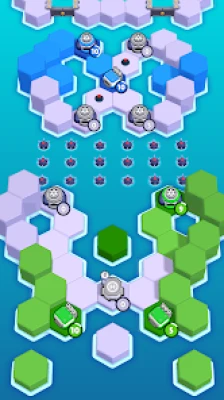
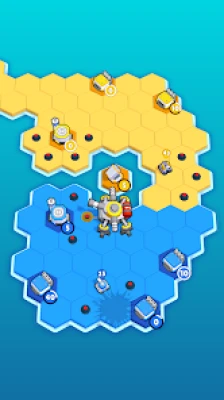
War Regions is a casual tactical strategy game built around capturing territory and outmaneuvering an opposing army. Instead of controlling every soldier individually, you draw routes between bases to move forces across the battlefield.
Your objective is to capture enemy positions and take control of the map while protecting the bases you already own. Each base generates resources over time, allowing you to build up your strength and launch more powerful attacks.
The challenge comes from balancing offense and defense. Sending too many troops toward an enemy position may leave your own territory exposed. Waiting too long can also be dangerous because the opponent continues expanding and strengthening its forces.
As you advance, battlefields become larger and require more careful planning. You must watch multiple fronts, choose the right moments to attack, and use available military units effectively.
War Regions combines simple controls with strategic decisions, making it accessible to casual players while offering increasingly demanding tactical challenges.
Main Features of War Regions
Hexagonal Battlefield Strategy
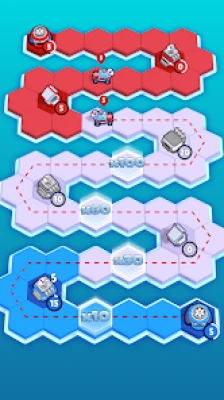
The battlefield is organized around connected hexagonal positions. You draw routes between bases to move troops, attack enemy positions, or reinforce your own territory.
Understanding which positions connect to one another is essential for planning efficient attacks.
Territory Capture and Defense
The central objective is to take control of enemy bases while keeping your own positions secure. Each successful capture can improve your strategic position and create new opportunities for expansion.
However, every movement involves a trade-off because troops sent elsewhere may leave their original base vulnerable.
Resource Regeneration
Bases generate resources over time. You can attack immediately with the forces available or wait until more resources have accumulated.
The best decision depends on the strength of nearby enemies, the importance of the target, and the risk of allowing the opponent more time to grow.
Different Military Units
War Regions features tanks, artillery, and helicopters. Learning how these units function and when to deploy them helps you adapt to different battlefield situations.
A strong strategy involves more than moving the largest possible force. You must also consider the available units and the position you want to capture.
Combined Attacks
You can draw routes through multiple bases in a single movement to coordinate attacks across several positions. This creates opportunities to apply pressure on different fronts and capture territory more quickly.
Combined attacks can be powerful, but they require careful planning to avoid leaving important bases undefended.
Gold and Airstrikes
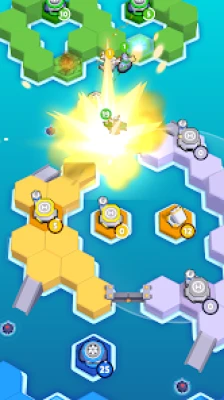
Winning battles earns gold, which can be used to support difficult encounters. Airstrikes can damage enemy positions and help turn an unfavorable battle in your favor.
Saving this resource for the right moment can be more useful than spending it whenever an opportunity appears.
Increasingly Challenging Levels
As you progress, battlefields expand and opponents become more difficult to manage. You must keep track of more bases, anticipate enemy movements, and improve your overall approach.
Casual Single-Player Gameplay
War Regions is designed for single-player battles with straightforward controls. Its short tactical encounters make it suitable for quick sessions, while later levels provide more demanding strategic challenges.
How to Play War Regions
Understanding the basic mechanics will help you capture territory more efficiently.
Identify Your Bases
At the beginning of a battle, examine the positions under your control and identify nearby enemy bases. Pay attention to the connections between them and look for routes that allow you to expand without exposing your starting territory.
Build Up Your Forces
Your bases generate resources over time. Allowing them to accumulate can give you a stronger attacking force, especially when facing a well-defended position.
However, do not wait indefinitely. Your opponent is also gaining resources and may capture important territory while you delay.
Draw a Route to an Enemy Base
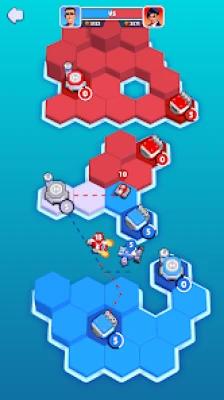
Select a suitable base and draw a route toward an enemy position. The game uses these movements to send troops across connected hexagonal locations.
Before confirming a move, consider how many resources you are sending and whether the source base will remain secure.
Capture New Territory
Once your troops successfully take an enemy position, you gain another base to support your campaign. Newly captured positions can help you expand toward other targets and establish a stronger presence on the map.
Protect Your Existing Positions
After an attack, check the base from which your troops departed. If too many forces have left, the enemy may take advantage of the reduced defense.
Keep enough strength available to respond to threats instead of committing every resource to the next capture.
Continue Until You Control the Battlefield
Keep expanding while protecting your important bases. As the map grows, monitor all areas of the battlefield rather than focusing only on the nearest enemy.
A balanced approach will help you avoid losing territory while attempting to win the entire battle.
Best Beginner Tips for War Regions
Capture Useful Bases Early
Not all enemy positions are equally valuable. Look for bases that offer a practical route to additional territory or help establish a stronger position near the center of the map.
Capturing useful locations early can improve your options for later attacks.
Avoid Sending Every Troop at Once
A large attack can be tempting, especially when an enemy base looks weak. However, sending too many troops away from a base may leave it open to counterattacks.
Keep your forces balanced and avoid creating unnecessary defensive weaknesses.
Watch the Enemy's Resource Growth
Your opponent's strength changes as resources accumulate. If an enemy base is becoming difficult to capture, consider whether waiting for a stronger attack is worthwhile or whether you should expand elsewhere first.
Pay attention to the situation rather than relying on a fixed timing strategy.
Use Connected Routes Efficiently
Before moving troops, check the available connections between bases. A shorter or better-positioned route may allow you to attack more efficiently and reduce the time spent maneuvering around the map.
Reinforce Important Bases
Some bases are more strategically valuable because they protect your territory or provide access to several other positions. Avoid leaving these locations weak while focusing on less important targets.
Learn From Failed Attacks
If an attack fails, examine what went wrong. You may have committed too few resources, attacked too early, or left another position exposed.
Adjust your plan before trying again rather than repeating the same move without changes.
Check the Entire Map
Larger battlefields can hide important developments outside your immediate view. Scroll through the map regularly to check for enemy advances, vulnerable bases, and new opportunities.
The Best Strategy for Capturing Territory
Successful territory control depends on choosing the right targets and maintaining a strong network of bases.
Expand in a Controlled Direction
Instead of attacking randomly across the map, choose a direction that offers useful connections and manageable threats. This makes it easier to protect newly captured bases and plan your next move.
A focused expansion can be more reliable than spreading your forces across several distant areas.
Prioritize Weak or Exposed Enemies
Look for enemy positions that appear easier to capture based on the current battlefield. Taking a vulnerable base may cost fewer resources than attacking a heavily defended location.
However, always consider whether the position is useful. A simple capture is less valuable if it leaves your territory exposed elsewhere.
Create a Strong Network of Bases
Connected bases give you more options for launching attacks and reinforcing threatened positions. Try to maintain a network that allows your army to respond to changing conditions.
This is particularly important on larger maps, where isolated positions can become difficult to support.
Attack From Multiple Directions When Appropriate
Combined movements can place pressure on several enemy positions at once. This may force the opponent to respond in different areas and create opportunities to capture a target.
Use this technique when you have enough resources to support the attack without sacrificing your defense.
Avoid Overextending
Capturing territory is useful only if you can maintain control of it. Expanding too quickly may create a long line of weak bases that the enemy can exploit.
Secure your new positions before pushing farther into dangerous territory.
Resource Management and Timing
Resource management is one of the most important parts of War Regions. A good attack depends not only on where you send troops but also on when you move them.
Know When to Wait
Waiting allows your resources to regenerate. This can be useful when you need a stronger force to challenge a fortified enemy base.
However, waiting also gives your opponent more time to accumulate resources. Delay only when the benefits outweigh the risk of allowing the enemy to grow.
Attack When the Opportunity Is Favorable
A useful moment to attack may appear when an enemy position is vulnerable or when your current forces are sufficient to take the target.
Do not attack simply because you have accumulated resources. Consider the position of nearby bases and the possible consequences of moving your troops.
Avoid Wasteful Movements
Every troop movement should have a purpose. Before sending forces to another base, ask whether the move will help you capture territory, protect an important position, or create a better attacking route.
Unnecessary movements can weaken your overall position.
Keep Defense in Your Budget
When planning an attack, consider how many resources you need to retain for defense. Maintaining a reserve can help you respond if the enemy launches a counterattack.
Adapt to the Opponent
A passive enemy may allow you to expand gradually, while a more aggressive opponent may require faster decisions. Observe the battlefield and change your timing accordingly.
How to Use Tanks, Artillery, and Helicopters
Different military units add variety to War Regions and encourage players to adapt their tactics.
Tanks
Tanks are part of the game's military lineup and contribute to its ground-combat strategy. Consider the available tank options when preparing to capture important positions.
Use the unit types and strengths provided by your current game setup rather than assuming every battlefield situation requires the same force composition.
Artillery
Artillery provides another way to approach battlefield engagements. When available, consider how it fits into your overall plan and whether it can help you overcome a difficult position.
Combine your unit choices with a sensible route and resource plan.
Helicopters
Helicopters add an aerial element to the game's military gameplay. Learn how they function in your current level and use them as part of a broader strategy rather than relying on one unit type for every encounter.
Build a Balanced Approach
The best choice depends on the units available, the strength of the opposing positions, and your current resources. Pay attention to the game's unit information and adapt your approach as new options become available.
How to Win Difficult Levels
Later levels can become more demanding because the battlefield grows and there are more positions to monitor.
Study the Map Before Making Your First Move
Take a moment to identify nearby enemies, useful bases, and possible routes. An opening move can shape the rest of the battle, so avoid committing resources before understanding the situation.
Establish a Secure Starting Area
Try to capture nearby territory that improves your position without leaving your starting bases vulnerable. A stable opening gives you more options when the enemy begins expanding.
Use Several Small Decisions Instead of One Risky Attack
Large attacks can produce quick victories, but they can also leave major gaps in your defense. When the enemy is strong, consider expanding in stages and reassessing the battlefield after each successful capture.
Track Threats on Every Front
Do not focus exclusively on one battle. Check distant positions for signs of enemy expansion, especially when the map becomes larger.
A quick review of the whole battlefield can reveal threats before they become difficult to handle.
Save Airstrikes for Difficult Situations
Gold-funded airstrikes can be useful when a battle becomes challenging. Consider saving them for situations in which they can make a meaningful difference rather than using them on easy targets.
Try a Different Plan After Losing
War Regions allows you to retry after defeat without a loss penalty, according to its Google Play description. Use failed attempts as opportunities to test another opening, change your target priorities, or improve your timing.
Common Mistakes to Avoid
Leaving Bases Unprotected
Sending all available troops away from a base creates an opening for the enemy. Always consider the defensive consequences before moving a large force.
Waiting Too Long to Attack
Resource regeneration can strengthen your army, but excessive waiting gives the opponent more time to grow. Watch the enemy's development and act when the situation is favorable.
Attacking the Strongest Base First
A heavily defended position may consume resources that could have been used to capture easier targets. Look for practical opportunities to expand before committing to the toughest battle.
Ignoring Other Parts of the Map
Focusing on one target can cause you to miss an enemy advance elsewhere. Review the full battlefield regularly, particularly in later levels.
Expanding Without a Plan
Capturing distant bases without considering how to defend them can stretch your forces too thin. Favor expansion that creates useful connections and supports future moves.
Using Combined Attacks Carelessly
Multiple movements can be effective, but they may also weaken several bases at once. Plan combined attacks carefully and make sure your remaining defenses can withstand a counterattack.
Spending Gold Without Considering the Challenge
Airstrikes can help in difficult situations, so avoid using them automatically when ordinary troop movements are sufficient. Consider the difficulty of the level and the value of saving gold for later.
A Practical Battle Plan for Beginners
Use this flexible approach when entering an unfamiliar level.
Study the battlefield. Identify your starting bases, nearby enemies, and useful routes.
Capture an accessible target. Choose an enemy position that can improve your map control without requiring an excessive commitment of troops.
Protect your starting territory. Check the base you attacked from and ensure it remains defensible.
Build a connected network. Use newly captured positions to open additional routes and strengthen your strategic options.
Monitor resource regeneration. Decide whether to attack immediately or wait for a stronger force, keeping the enemy's growth in mind.
Expand toward valuable targets. Prioritize positions that improve your control of the map or create opportunities for further captures.
Review the entire battlefield. Check for exposed bases and enemy advances before launching another major attack.
Use special resources when necessary. Consider an airstrike if a difficult encounter threatens to stall your progress.
This plan is a starting point, not a rigid formula. Adapt it to each level's layout, enemy strength, and available units.
Is War Regions Worth Playing?
War Regions is a good choice for players who enjoy tactical territory games, quick strategy challenges, and simple controls. Its main attraction is the constant balance between capturing new positions and protecting the ones you already control.
The hexagonal battlefield makes route planning important, while resource regeneration adds a timing element to every encounter. Tanks, artillery, helicopters, combined attacks, and airstrikes provide additional tactical options as the game progresses.
Players who enjoy thinking several moves ahead may appreciate the challenge of managing a growing battlefield. Those who prefer action without much planning may find the need to monitor multiple bases more demanding.
The game is free to download and includes advertisements and in-app purchases. Optional purchases and advertising may affect the overall experience, depending on your preferences and the current version.
Frequently Asked Questions
What is War Regions?
War Regions – Tactical Game is a single-player strategy game in which you capture enemy bases, deploy military units, defend territory, and attempt to control the battlefield.
Who developed War Regions?
War Regions – Tactical Game was developed and published by SayGames Ltd.
How do you win a battle in War Regions?
The main objective is to conquer the enemy's territory and take control of the battlefield. You must capture bases while protecting your own positions from counterattacks.
How do you move troops?
You draw routes between connected bases on the hexagonal map. Troops move along the selected route to attack enemy positions or reinforce your territory.
Should I attack immediately or wait?
It depends on your resources and the state of the battlefield. Waiting can build a stronger force, but it also gives the enemy time to grow. Attack when the opportunity is favorable and your defenses can withstand the consequences.
Why do my bases keep getting captured?
A common reason is sending too many troops away from a position. When you move forces to another base, the original position may become vulnerable. Keep enough strength available to defend important locations.
What military units are available?
The game features tanks, artillery, and helicopters. Learning how the available units fit into your strategy can help you approach different encounters more effectively.
What are airstrikes used for?
Airstrikes can help damage enemy positions during difficult levels. They use gold, so consider saving them for battles where they can make a meaningful difference.
How can I improve at difficult levels?
Study the map, capture useful positions, avoid overextending, and monitor enemy resource growth. If a strategy fails, change your opening or target priorities instead of repeating the same moves.
Is War Regions free to play?
Yes. War Regions is available as a free download on Google Play and includes advertisements and in-app purchases.
Can I play War Regions offline?
The Google Play listing identifies offline play as a supported feature. Certain services or features may still depend on the game's current version and device setup.
Is War Regions suitable for casual players?
Yes. The game uses simple controls and short tactical battles. Its later levels offer more demanding strategic challenges for players who enjoy planning and territory management.
Final Thoughts
War Regions – Tactical Game turns territory capture into a fast-paced strategic challenge. Success depends on more than sending troops toward the nearest enemy: you must consider resource regeneration, route connections, base defense, and the timing of each attack.
Start by capturing useful positions, keep your territory connected, and avoid leaving important bases unprotected. Learn how the available military units fit into your strategy, and save airstrikes for difficult encounters when they can provide meaningful support.
Most importantly, learn from every battle. By adapting your tactics to the map and the opponent's movements, you can make better decisions, overcome challenging levels, and steadily expand your control of the battlefield.
Rate the Game
User Reviews













Popular Games



















 Android
 iOS
 Windows
 Xbox