


Latest Version
Visit PageMore About :game
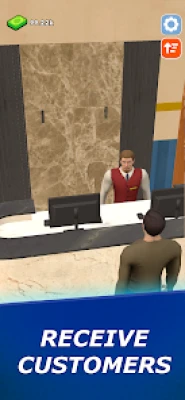
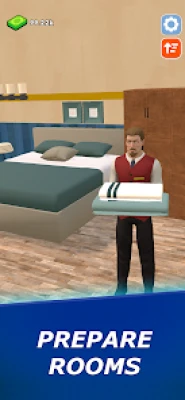
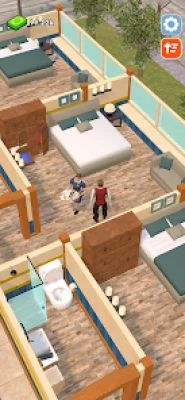
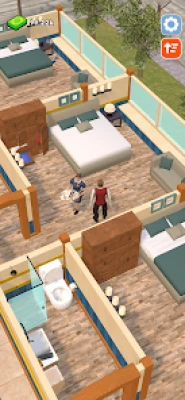
Hotel Manager: Idle Tycoon is a business simulation game developed by Supercent, Inc. It puts you in charge of a growing hotel business, challenging you to improve facilities, manage employees, attract guests, and turn your property into a profitable luxury destination.
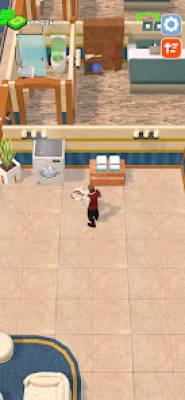
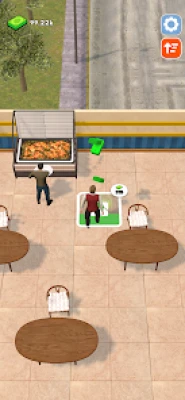
You begin with a relatively simple hotel and gradually unlock opportunities to improve its rooms, services, and amenities. As your business develops, you can invest in more sophisticated facilities, including swimming pools, spas, rooftop bars, and luxurious suites.
The experience combines idle tycoon mechanics with hands-on management. You can collect earnings, upgrade important facilities, and improve your hotel's operations while working toward new milestones. Your long-term success depends on investing wisely and balancing guest satisfaction with business growth.
The game also features different hotel environments, including mountain resorts, tropical beach retreats, urban accommodation, and eco-lodges. Each new destination provides another goal to work toward as you develop your hospitality business.
Main Features of Hotel Manager: Idle Tycoon
Hotel Building and Expansion: Develop your property from a basic inn into a more impressive hotel with additional rooms and services.
Room Upgrades: Improve accommodation to make your hotel more appealing and support business growth.
Employee Recruitment: Hire receptionists, chefs, cleaners, massage therapists, and other staff members to help manage hotel operations.
Staff Training: Improve employee performance to support more efficient service and better guest experiences.
Idle Cash Earnings: Earn income through idle progression and reinvest your profits into upgrades and expansion.
Luxury Facilities: Develop premium amenities such as swimming pools, spas, rooftop bars, and penthouse suites.
Guest Satisfaction: Improve services and facilities to encourage positive guest experiences and support your hotel's reputation.
VIP Guests and Events: Attract special visitors and participate in events that provide additional progression opportunities.
Multiple Hotel Environments: Explore different settings, from mountain retreats and beach resorts to urban hotels and eco-friendly lodges.
Seasonal Activities: Participate in limited-time events, complete objectives, and collect rewards when these activities are available.
Character Upgrades: Develop characters and make use of available bonuses to improve aspects of your hotel's operation.
Gameplay and Progression
The main gameplay loop revolves around earning money, improving hotel facilities, and expanding your business. Every successful investment should help your hotel operate more efficiently or unlock another stage of development.
Early on, focus on getting your basic rooms and essential services running smoothly. As more guests arrive, improve the facilities that generate income or help meet their needs. Hiring additional employees can reduce operational pressure and allow you to develop the hotel without handling every task yourself.
As you progress, new rooms, amenities, and hotel locations become part of your long-term goals. The challenge is to decide where your money will have the greatest impact. Spending everything on one expensive facility may delay improvements elsewhere, while a balanced approach can help maintain steady progress.
The idle income system also makes regular check-ins valuable. Collect accumulated earnings, review your available upgrades, and reinvest your profits before continuing to expand.
Complete Strategy Guide for Hotel Manager: Idle Tycoon
1. Prioritize Profitable Hotel Upgrades
Your first objective should be to establish a reliable source of income. Focus on improvements that strengthen the hotel's basic operations and help it serve more guests efficiently.
Avoid purchasing upgrades simply because they are available. Compare their costs and benefits, and choose improvements that support your immediate goals.
Best practices:
Upgrade essential rooms and income-producing facilities.
Invest in improvements that help your hotel handle more guests.
Keep some cash available for newly unlocked requirements.
Reinvest profits instead of leaving large amounts unused.
Reassess your priorities whenever progress slows.
A profitable foundation makes later expansion much easier to manage.
2. Hire Staff to Improve Efficiency
Employees are essential to running a growing hotel. Receptionists help manage arrivals, cleaners maintain rooms, and other workers support services throughout the property.
When the hotel becomes busier, staff shortages can limit your ability to deliver a good guest experience. Invest in the employees and training options that address your biggest operational problems.
If rooms are not being prepared quickly enough, prioritize the relevant cleaning staff. If food or other services are falling behind, strengthen the team responsible for those operations.
Rather than hiring indiscriminately, identify where additional workers will make the greatest difference.
3. Improve Guest Satisfaction
A successful hotel needs more than attractive rooms. Guests also benefit from efficient service, convenient amenities, and a comfortable environment.
Pay attention to the tasks and upgrade requirements shown in the game. Improving the areas that directly affect guest needs can help you maintain better service as your hotel grows.
Consider the following priorities:
Keep essential rooms and facilities in good condition.
Improve service capacity when guest demand increases.
Hire enough employees to handle routine tasks.
Develop amenities when they support your current objectives.
Complete hotel requirements before rushing into expansion.
Guest satisfaction should be treated as part of your business strategy, not simply as a decorative feature.
4. Make the Most of Idle Earnings
Hotel Manager: Idle Tycoon includes idle income, allowing your business to accumulate earnings while you are away.
When you return to the game, collect your available earnings and consider the most effective way to spend them. An upgrade that improves your hotel's income or operational efficiency may provide greater long-term value than a purely cosmetic improvement.
Before leaving the game, check for affordable upgrades and make sure your current objectives are clear.
Do not assume that every facility generates the same income or that all systems continue operating identically while offline. Use the earnings and information displayed in the game to guide your next investment.
5. Upgrade Rooms and Facilities in the Right Order
Room upgrades and hotel amenities contribute to the development of your property. However, the best investment depends on your current stage of progression.
Start by improving the rooms and facilities needed to meet immediate objectives. Once your core operations are running smoothly, consider investing in premium amenities that help you progress toward larger milestones.
Swimming pools, spas, rooftop bars, and luxury suites can make your hotel more impressive, but expensive facilities should not come at the expense of essential operations.
A practical approach is to prioritize required upgrades first, profitable improvements second, and optional luxury investments when your budget allows.
6. Expand Without Damaging Your Economy
Opening new areas and developing additional hotel environments can be exciting, but expansion requires financial preparation.
Before committing to a major investment, make sure you have enough resources to continue improving your existing property. A new facility is less useful if your current hotel cannot operate efficiently.
Use a step-by-step expansion strategy:
Strengthen your existing income sources.
Complete the requirements for the next milestone.
Save enough money for the required expansion.
Invest in the newly available facilities.
Upgrade the new area according to its needs.
This method helps prevent unnecessary delays caused by spreading your resources too thinly.
7. Take Advantage of VIP Guests and Special Events
VIP guests and limited-time activities can provide additional objectives and rewards. Check which events are currently available and identify the requirements for participating.
The game has featured activities such as a Ghost Hotel event, event-specific tickets, seasonal progression rewards, character bonuses, and leaderboards. Availability and requirements may change between updates.
When an event is active, consider whether its rewards are useful for your current goals. Complete achievable objectives first, and avoid spending scarce resources on event tasks that provide little practical benefit to your hotel.
8. Use Character Bonuses Wisely
The game includes a character system with bonuses that can affect aspects of gameplay. Some characters may improve speed or capacity, according to the available character descriptions.
Review the bonuses before selecting or upgrading a character. A speed improvement may help with routine operations, while a capacity bonus may be more useful when handling increased demand.
Choose characters based on the problems you are trying to solve rather than assuming every character provides the same value.
9. Complete Objectives Before Moving Forward
Hotel management games often introduce specific requirements before allowing access to new areas or progression stages.
If you become stuck, check the current objectives carefully. Look for unfinished room upgrades, repairs, facility improvements, or other tasks that may be preventing advancement.
Some tasks can be difficult to locate when a hotel becomes crowded with rooms, furniture, and interactive objects. Review the objective text and inspect the relevant areas instead of repeatedly upgrading unrelated facilities.
If a level appears blocked despite completing the visible requirements, check whether an update is available and consult the game's support resources if the problem persists.
10. Develop a Consistent Daily Routine
A short, organized routine can help you make steady progress without spending unnecessary time in the game.
At the beginning of a session:
Collect available idle earnings.
Review your current objectives.
Check which rooms or facilities need improvement.
Upgrade essential operations.
Hire or train staff where necessary.
Before ending a session:
Spend available cash on useful upgrades.
Check for event rewards and unfinished tasks.
Confirm the next milestone you want to reach.
Leave enough flexibility for your next major investment.
This routine keeps your attention on useful improvements rather than random spending.
Beginner Tips for Hotel Manager: Idle Tycoon
If you are new to the game, concentrate on understanding how your hotel's different systems work before investing heavily in expensive amenities.
Start with basic rooms and services, then expand your workforce as demand increases. Keep an eye on the upgrade costs shown in the game and avoid spending money on features that do not help you meet current objectives.
As you unlock new facilities, learn which ones support income, guest service, or progression requirements. This makes it easier to decide where to invest your next batch of earnings.
Most importantly, do not confuse a larger hotel with a more efficient one. Strong operations and sensible upgrades can be more valuable than expansion alone.
Advanced Strategies for Faster Progress
Once you have established a functioning hotel, focus on improving the efficiency of your entire operation.
Identify your biggest bottleneck. Determine whether your progress is limited by money, staff capacity, room upgrades, or an unfinished objective. Address that problem before spending elsewhere.
Compare upgrade value. Evaluate the cost of an improvement against its displayed benefit. Prioritize upgrades that help your hotel earn more or satisfy essential requirements.
Balance employees and facilities. New rooms and amenities create more management demands. Make sure your workforce can support the facilities you already operate.
Use rewards strategically. Event rewards and character bonuses are most valuable when they contribute to your current goals.
Keep cash available for milestones. Spending every coin immediately can leave you unable to complete an important upgrade when it becomes available.
Review your progress regularly. As your hotel grows, the best investments may change. Adjust your strategy to match the demands of your current location and facilities.
Common Mistakes to Avoid
Upgrading without a plan: Focus on improvements that solve a problem or support a clear goal.
Neglecting staff: An attractive hotel can still struggle if essential services cannot keep up with demand.
Expanding too quickly: New rooms and facilities should be supported by sufficient income and staffing.
Ignoring objectives: An unfinished task may be the only thing preventing you from unlocking the next area.
Spending all your cash: Keep some funds available for essential upgrades and unexpected requirements.
Overlooking events: Limited-time activities may provide useful rewards, so check their requirements when they become available.
Ignoring technical problems: If a stage fails to unlock despite meeting its requirements, consider whether a bug or progression issue may be responsible.
Frequently Asked Questions
What is Hotel Manager: Idle Tycoon?
Hotel Manager: Idle Tycoon is a hotel management simulation game developed by Supercent, Inc. Players build and upgrade hotels, hire staff, manage services, earn idle income, and expand into different environments.
How do you make money faster in Hotel Manager: Idle Tycoon?
Prioritize upgrades that improve your hotel's income and efficiency. Keep essential facilities operating smoothly, hire enough staff to support demand, and reinvest idle earnings into useful improvements.
How do you upgrade hotel rooms?
Use the room and facility upgrade options available in the game. Follow the displayed requirements and invest in improvements that support your current objectives.
Is Hotel Manager: Idle Tycoon an idle game?
Yes. The game features idle income, allowing players to accumulate earnings while away and return later to invest in further development.
Can you hire and train employees?
Yes. Staff management is an important feature. You can recruit different types of workers and use available training or improvement systems to support hotel operations.
Can you build luxury facilities?
Yes. The game advertises facilities such as penthouse suites, swimming pools, spas, rooftop bars, and other premium amenities.
Can you unlock different hotels?
The game features several hotel environments, including mountain resorts, beach retreats, urban suites, and eco-lodges. Access depends on your progression and the available game content.
Does Hotel Manager: Idle Tycoon have events?
Yes. The game has featured limited-time activities, seasonal rewards, character unlocks, and leaderboards. Specific events and rewards may change with updates.
Is Hotel Manager: Idle Tycoon free to play?
The game is listed as free to play on Google Play and includes advertisements and optional in-app purchases.
Can you play Hotel Manager: Idle Tycoon on a PC?
The Google Play listing indicates support for Android and Windows through compatible technology. Availability and compatibility depend on your device and the supported installation method.
What should you do if you get stuck on a hotel level?
Review the current objectives, check for incomplete upgrades or repairs, and inspect the relevant rooms and facilities. If the required tasks are complete but progression remains blocked, check for game updates or contact the developer's support team.
Final Verdict
Hotel Manager: Idle Tycoon offers a casual management experience built around hotel upgrades, staff development, guest satisfaction, and steady business expansion. Its combination of idle earnings and hands-on decisions makes it appealing to players who enjoy simulation games and incremental progression.
The best strategy is to build a reliable income source, improve essential rooms and services, hire staff when needed, and expand only when your finances can support it. Pay attention to objectives and event rewards, and invest in upgrades that directly address your current challenges.
If you enjoy building businesses, managing employees, upgrading luxury facilities, and developing a hotel empire from the ground up, Hotel Manager: Idle Tycoon provides plenty of goals to work toward.
Rate the Game
User Reviews














Popular Games



















 Android
 iOS
iOS Windows
 Xbox
Xbox