



Latest Version
Visit PageMore About :game
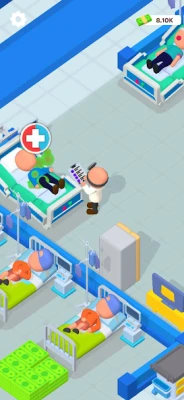
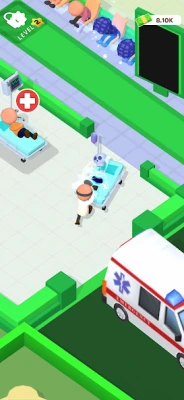
With its colorful presentation, interactive medical tasks, and idle management elements, Master Hospital offers an accessible experience for players who enjoy hospital simulator games, tycoon games, and business-building challenges. The main objective is to keep patient care moving smoothly while earning enough money to improve facilities and develop a larger medical center.
What Is Master Hospital?
Master Hospital puts you in charge of a growing medical facility. You begin with a modest clinic and gradually develop it into a larger hospital capable of handling different illnesses and medical procedures. Your responsibilities include helping patients receive treatment, improving equipment, organizing hospital operations, and investing earnings in new facilities.
The game blends hands-on activities with management progression. Some tasks involve directly interacting with patients or completing medical procedures, while other aspects focus on improving the hospital so that it can handle more patients efficiently.
As your medical center expands, you can work toward additional treatment areas, specialized surgeries, new floors, and more advanced healthcare services. Each improvement contributes to your goal of operating a more capable and profitable hospital.
Main Features of Master Hospital
Hospital Management and Development
Start with a small clinic and gradually build a larger healthcare facility. Invest in improvements, develop treatment areas, and organize your hospital to support increasing patient demand.
Patient Diagnosis and Treatment
Help patients with different medical conditions. The game includes general healthcare tasks and more specialized treatments, giving you a variety of activities as you progress.
Doctors, Nurses, and Support Staff
Recruit healthcare workers to help manage the hospital. Building a capable team is an important part of maintaining an efficient treatment process as the number of patients grows.
Medical Equipment Upgrades
Improve your facilities and equipment to support hospital development. Better equipment and upgraded treatment areas can help your hospital handle its workload more effectively.
Specialized Departments and Surgeries
Progress toward more advanced medical services, including surgical procedures, heart operations, and dental care. Unlocking additional departments broadens the range of patients your hospital can serve.
Hospital Expansion
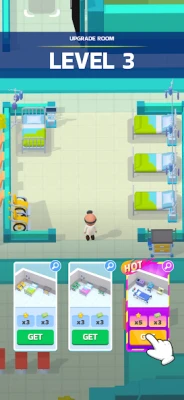
Develop additional floors, wings, and treatment facilities as your business grows. Expansion gives you more room to build a larger medical center and support additional services.
Relaxing ASMR-Style Activities
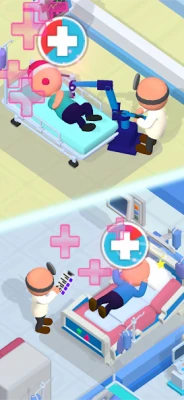
Interactive medical tasks feature satisfying actions and gentle sound effects. These activities provide a different pace from the financial and organizational side of hospital management.
Casual and Idle Gameplay
Master Hospital combines direct interaction with incremental progression. It is suitable for players who enjoy short management sessions, gradual upgrades, and watching a small business develop into a larger operation.
Gameplay Overview
The central gameplay loop revolves around treating patients, earning money, and reinvesting your income into the hospital.
First, patients arrive and require attention. You help move their treatment process forward by handling the appropriate medical tasks. As the hospital earns money, you can invest in staff, equipment, and facilities. These improvements support further development and help prepare the hospital for a larger workload.
The game gradually introduces additional responsibilities as your medical center expands. Managing these activities efficiently becomes increasingly important because an upgraded hospital needs enough staff, space, and suitable equipment to operate smoothly.
Success comes from balancing immediate patient care with long-term development. Spending all your earnings on one improvement may not be as effective as strengthening several parts of your hospital that work together.
Complete Master Hospital Strategy Guide
1. Learn the Basic Hospital Workflow
At the beginning, focus on understanding how patients move through the treatment process. Pay attention to where patients need to go, which activities require direct interaction, and which facilities are responsible for particular treatments.
Complete the introductory tasks carefully rather than rushing through them. Learning the basic routine early makes it easier to recognize delays and manage more patients later.
Your first goal should be to establish a reliable cycle of patient care and earnings before investing heavily in expansion.
2. Prioritize Upgrades That Improve Efficiency
Not every upgrade offers the same practical benefit at every stage. Consider which facility or piece of equipment is slowing down your hospital.
If patients are waiting for treatment, prioritize improvements that help the relevant treatment area operate more efficiently. If the hospital needs more capacity, focus on appropriate facilities or additional space instead.
A useful rule is to invest in upgrades that solve your current bottleneck. This approach is generally more effective than upgrading every available feature without considering your immediate needs.
3. Hire Staff to Support Hospital Growth
Doctors, nurses, and support workers help keep the hospital functioning as patient demand increases. A small clinic may be manageable with limited assistance, but a larger medical center requires a more capable team.
Recruit staff when the game makes them available and your budget can support the investment. Pay attention to which areas need help instead of hiring without a clear purpose.
When deciding between staff and equipment upgrades, consider which option is more likely to improve the current workflow. If one treatment area consistently falls behind, strengthen that area first.
4. Keep Patients Moving Through Treatment
Patient flow is a central part of hospital management. Delays can make the hospital feel inefficient and slow your progress.
To maintain a smoother routine:
Check incoming patients regularly.
Complete available treatment interactions promptly.
Direct patients toward the appropriate treatment areas.
Watch for rooms or stations that repeatedly become bottlenecks.
Improve the facilities responsible for those delays.
Recruit additional staff when necessary and affordable.
Avoid concentrating on expansion while basic patient care is struggling. A larger hospital is not automatically a better hospital if its treatment process remains inefficient.
5. Manage Your Money Carefully
Your earnings are essential for developing the medical center. Equipment, staffing, and new facilities all compete for the same resources, so spending decisions matter.
Before purchasing an upgrade, consider what it will improve and whether that improvement is relevant to your current situation.
A practical spending order is:
Resolve urgent workflow problems.
Improve essential treatment equipment.
Add staff where workloads justify the cost.
Expand facilities when existing capacity becomes restrictive.
Invest in specialized departments when they become available and affordable.
This is a general strategy rather than a fixed in-game upgrade order. The best investment depends on the facilities you have unlocked and the requirements shown in your current game.
Avoid spending your entire balance on optional improvements if doing so prevents you from completing essential tasks or developing a necessary department.
6. Expand Your Hospital at the Right Time
Expansion is an important step toward building a medical empire, but it works best when supported by a functioning hospital.
Before opening additional floors or wings, check whether your existing treatment areas are operating efficiently. Consider whether your current staff and equipment can support the extra workload.
Expand when the benefits justify the investment and you are prepared to develop the new space. This helps prevent your hospital from becoming larger without becoming more efficient.
A balanced approach to expansion combines additional capacity with improvements to the services patients already use.
7. Unlock Specialized Medical Departments
Advanced departments give your hospital access to a wider range of medical services. As you progress, you can work toward specialized treatment areas and procedures such as surgery and dental care.
When a new department becomes available, review its requirements before spending your money. Make sure you understand what needs to be built or upgraded to make it useful.
Specialized facilities are most valuable when they form part of a well-managed hospital rather than becoming isolated investments that receive insufficient support.
8. Master Interactive Medical Tasks
Master Hospital includes hands-on medical activities that require more than simply purchasing upgrades. These tasks may involve selecting or using the appropriate tools and completing a sequence of interactions.
For better results, follow the on-screen instructions carefully. Take your time when a task requires precision, and observe how each interaction affects the patient or procedure.
As you become familiar with the controls, these activities should feel more straightforward. Learning them early can make routine patient care less disruptive as the hospital grows.
9. Balance Manual Work With Automation
Some hospital activities require your attention, while staff and upgrades can help improve routine operations.
Use direct interactions to complete tasks that need immediate attention. Meanwhile, invest in staff and facility improvements that help the hospital handle its growing workload.
The objective is not to eliminate every manual task. Instead, build a hospital where routine operations become easier to manage, leaving you more time to focus on development and newly unlocked activities.
10. Avoid Expanding Too Quickly
Rapid expansion may appear attractive because it creates opportunities for new facilities and services. However, excessive spending can leave the hospital without enough resources to maintain its existing operations.
Before making a major purchase, check your available money, current staffing, treatment capacity, and remaining development goals.
If you are struggling to maintain a steady flow of patients, improve the current hospital first. A smaller but efficient clinic can provide a stronger foundation for future growth than an oversized facility with poorly supported operations.
11. Approach Optional Rewards Carefully
Mobile management games may offer optional rewards or bonuses through advertisements and in-app purchases. If Master Hospital presents these options, consider whether the reward is worth the time or cost.
Use optional bonuses only when they support a clear objective, such as completing an important upgrade sooner. There is no need to spend real money simply to follow a steady progression strategy.
Because the game contains advertisements and optional in-app purchases, the frequency and value of these features may affect your overall experience.
12. Build a Long-Term Hospital Development Plan
Once the basics are under control, organize your next goals into manageable stages.
Early stage: Learn patient handling, complete introductory tasks, and establish a dependable source of earnings.
Middle stage: Improve essential equipment, recruit staff, reduce treatment delays, and prepare for additional facilities.
Expansion stage: Unlock new departments, develop additional space, and balance specialized services with existing hospital operations.
Advanced stage: Continue improving efficiency, strengthen the hospital's capacity, and invest in upgrades that support a larger and more varied patient workload.
The exact pace depends on your current progress and the facilities available in your version of the game. Treat these stages as a flexible planning method rather than a mandatory sequence.
Beginner Tips for Master Hospital
Follow the introductory objectives to understand the controls and hospital workflow.
Treat patients promptly instead of allowing unnecessary delays to build up.
Upgrade facilities that are limiting your progress.
Recruit staff when they can make a meaningful difference to daily operations.
Keep enough money available for important improvements.
Expand when your existing hospital can support the additional workload.
Learn the interactive medical tasks instead of rushing through them.
Check the requirements for each newly available department.
Avoid purchasing upgrades simply because they are available.
Evaluate optional advertisements and purchases before using them.
Advanced Hospital Management Tips
Identify the Main Bottleneck
When progress slows, identify the specific cause. It could be limited treatment capacity, inadequate staffing, an equipment requirement, or a facility that needs improvement. Addressing the main problem is more useful than making unrelated upgrades.
Invest With a Purpose
Give every major purchase a clear objective. An upgrade should help resolve a current problem, support a planned expansion, or make the hospital better prepared for future growth.
Develop Facilities as a Team
Hospital operations depend on several connected elements. More treatment space may not help enough if staffing remains inadequate, and additional staff may offer limited value when the necessary equipment is missing. Develop these elements in a balanced way.
Reassess Your Priorities
The best upgrade at the start may not be the best upgrade later. As the hospital develops, review patient flow, available departments, and your financial position before choosing the next investment.
Make Progress Sustainable
Steady development can be more effective than spending everything on a single large expansion. Keep your essential operations running while gradually building the hospital you want.
Common Mistakes to Avoid
Expanding before improving efficiency: More space does not automatically solve delays in existing treatment areas.
Ignoring staff needs: A growing hospital requires enough support to manage its workload.
Spending without a plan: Unnecessary upgrades can delay more important development goals.
Neglecting patient flow: Poorly managed treatment routines can slow the overall progression loop.
Unlocking facilities without preparation: New departments are more useful when you can afford to support their operations.
Expecting every task to be automatic: Interactive medical activities remain an important part of the experience.
Overlooking optional costs: Consider advertisements and in-app purchases before deciding how you want to progress.
Graphics, Atmosphere, and Overall Experience
Master Hospital uses a colorful, stylized presentation to make hospital management approachable. Rather than focusing on realistic medical simulation, it combines accessible management systems with simple interactive activities and a lighthearted atmosphere.
The ASMR-inspired elements add a tactile quality to certain treatment sequences, while the tycoon structure provides a reason to continue improving the hospital. Players who enjoy seeing visible progress from their investments may appreciate the gradual transformation from a modest clinic into a larger medical center.
The experience is best approached as a casual management game rather than a detailed professional healthcare simulator. Its appeal comes from the combination of patient care, satisfying interactions, and incremental business growth.
Master Hospital Game Information
Game Title: Master Hospital
Developer: Supercent, Inc.
Game Genre: Hospital Management, Simulation, Tycoon, Casual
Platform: Android, with Windows availability listed through compatible technology
Game Mode: Single-player
Gameplay Style: Hospital building, patient treatment, staff management, equipment upgrades, and incremental progression
Visual Style: Colorful and stylized
Content Rating: Everyone
Business Model: Free to play, with advertisements and optional in-app purchases
Main Objective: Develop a small medical clinic into a larger hospital by treating patients, improving facilities, recruiting staff, and unlocking advanced medical departments.
Main Gameplay Activities: Patient diagnosis, medical procedures, hospital management, equipment improvements, staff recruitment, facility expansion, and financial progression.
Developer Support: Supercent provides support for the game. The available features and technical requirements may change with updates.
Is Master Hospital Worth Playing?
Master Hospital may appeal to players who enjoy casual simulation games, hospital management challenges, and tycoon experiences built around gradual progress. Its combination of medical interactions and business development gives players several reasons to improve their facilities and continue expanding their hospital.
One advantage is its accessible premise. You do not need detailed knowledge of hospital administration to understand the basic objective: treat patients, improve your facilities, and develop a more successful medical center.
However, the advertising experience is worth considering. Player feedback has included complaints about frequent advertisements and interruptions. Since the game also offers in-app purchases, players who prefer uninterrupted gameplay may find this aspect frustrating.
Overall, Master Hospital is worth considering if you enjoy casual hospital simulator games and incremental upgrades. Whether it suits you will depend on your tolerance for advertisements and how much you enjoy repetitive management activities.
Pros and Cons of Master Hospital
Pros
Accessible hospital management gameplay.
A combination of interactive treatments and tycoon progression.
Multiple facilities and medical departments to develop.
Staff recruitment and equipment upgrades provide management goals.
Colorful graphics and a lighthearted atmosphere.
Suitable for short casual gaming sessions.
Cons
Advertisements may interrupt gameplay.
Repeated treatment activities may become predictable.
Hospital expansion requires ongoing resource management.
Some upgrades and activities may involve repetitive tasks.
Optional purchases may appeal to players who want faster progression.
Frequently Asked Questions
What is Master Hospital?
Master Hospital is a casual hospital management simulation game developed by Supercent. Players treat patients, hire medical staff, upgrade equipment, unlock departments, and expand their healthcare business.
How do you play Master Hospital?
Start by completing introductory objectives and learning how patients move through the hospital. Treat incoming patients, earn money, improve essential facilities, and recruit staff as your medical center grows.
Who developed Master Hospital?
Master Hospital was developed by Supercent, Inc.
Is Master Hospital free to play?
Yes. The game is listed as free to download on Google Play. It contains advertisements and offers in-app purchases.
Can you build and expand a hospital in Master Hospital?
Yes. Hospital development is a central feature. You can expand your facilities, add floors or wings, improve equipment, and work toward unlocking specialized medical departments.
Can you hire doctors and nurses in Master Hospital?
Yes. Staff recruitment is part of the management experience. Doctors, nurses, and support workers help you manage patient care as your hospital grows.
What medical treatments are available?
The game features different patient conditions and treatment activities, including general care and specialized procedures. Advanced progression includes services such as surgery and dental care.
Does Master Hospital have idle gameplay?
Yes. It combines direct medical interactions with idle-style management and incremental progression. Some tasks require player involvement, while staff and upgrades help support hospital operations.
Is Master Hospital an online multiplayer game?
The game is listed as a single-player experience. Check the current in-game information for any changes to supported features.
Is Master Hospital suitable for beginners?
Its casual simulation mechanics make it approachable for beginners. New players can learn the basic treatment process and gradually become familiar with hospital management and expansion.
What is the best strategy for beginners?
Focus on understanding patient treatment, improving essential equipment, hiring staff when needed, and saving enough money for important upgrades. Expand when your existing facilities can support additional demand.
How can you earn money more efficiently?
Keep patient care moving, invest in upgrades that improve your current workflow, and avoid unnecessary spending. Prioritize improvements that help the hospital operate more efficiently.
Does Master Hospital contain advertisements?
Yes. The game listing indicates that it contains advertisements. Some players have reported frequent interruptions, so this is an important consideration before playing.
Does Master Hospital have in-app purchases?
Yes. The game listing indicates that optional in-app purchases are available.
What makes Master Hospital different from other hospital games?
Its combination of hospital tycoon progression, hands-on medical tasks, staff management, facility upgrades, and ASMR-inspired interactions gives it a mix of management and casual simulation gameplay.
Final Verdict
Master Hospital offers a casual blend of hospital simulation, medical mini-games, staff management, and tycoon progression. Its central challenge is to keep patient care running smoothly while developing a more capable and profitable healthcare facility.
The strongest strategy is to focus on efficiency first, invest in useful upgrades, recruit staff when necessary, and expand at a sustainable pace. Learning how the treatment process works will make it easier to identify problems and decide where your next investment should go.
For fans of hospital management games, medical simulators, idle tycoon games, and casual business-building experiences, Master Hospital provides a straightforward progression-based challenge. However, the reported frequency of advertisements is worth considering if uninterrupted gameplay is important to you.
Rate the Game
User Reviews














Popular Games



















 Android
 iOS
iOS Windows
 Xbox
Xbox