
Latest Version
September 09, 2024
Homa
Simulation
0
com.loltap.farmland
Report a Problem
More About :game
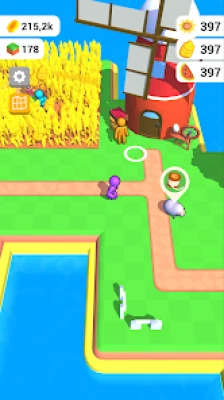
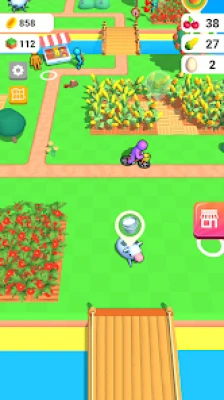
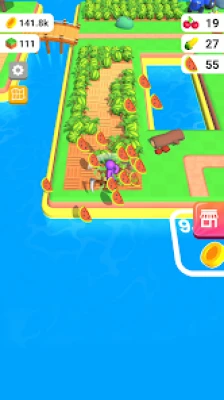
Farm Land puts you in charge of a developing farm where almost every activity contributes to expansion. You begin with basic farming tasks and gradually unlock more land, animals, resources, buildings, workers, and activities.
The core gameplay loop is straightforward:
Plant → Grow → Harvest → Collect → Sell → Expand → Improve production
The challenge is not complicated controls. Instead, the interesting part is deciding what to do first so that your time and resources are used efficiently.
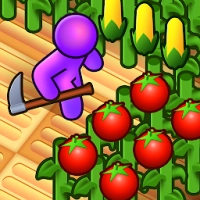
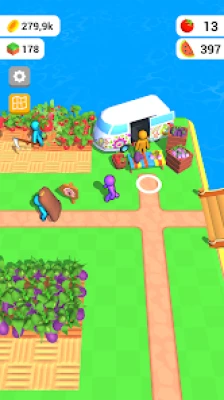
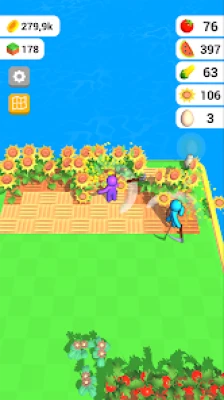
You can grow crops such as apples, wheat, tomatoes, and eggplants, look after cows, sheep, chickens and pets, catch fish, gather resources, work with merchants, and expand your farm island.
Game Information
Game: Farm Land - Farming Life Game
Developer/Publisher: Homa
Genre: Farming, Simulation, Management, Casual
Game Style: Relaxed farming and resource management
Modes: Single-player
Platform: Android and Windows
Controls: Simple touch-based controls
Progression: Farm expansion and resource management
Gameplay Focus: Crops, animals, harvesting, selling, workers, fishing and exploration
Content Rating: Everyone
Current Google Play Rating: Around 4.5 stars
Google Play Downloads: 100M+
What Makes Farm Land Fun?
Farm Land works because different activities constantly feed into one another. Planting crops gives you resources to sell. Selling resources helps you progress. Expanding your farm opens new opportunities, while animals and other activities give you additional ways to collect valuable goods.
The game also avoids complicated farming simulations. You can jump in for a short session, harvest a few fields, care for animals, collect resources and leave without needing to manage a complicated economy.
That makes Farm Land particularly suitable for players looking for a casual farming game with steady progression.
Complete Farm Land Strategy Guide
1. Understand the Basic Farming Loop
Your first priority should be learning the rhythm of your farm.
Plant available crops, keep an eye on their growth, harvest them when ready, and use the resulting resources to continue expanding.
Don't rush randomly from one activity to another. A productive farm comes from keeping several activities moving at the same time.
For example:
Plant your available fields.
While crops are growing, care for animals.
Collect available resources.
Check fishing areas.
Sell goods when appropriate.
Use your earnings to improve or expand the farm.
Return to harvesting when crops are ready.
This simple routine prevents long periods where your farm is doing nothing.
2. Keep Your Fields Productive
Empty farmland represents lost potential.
Whenever you have available fields and enough resources to plant them, try to keep them working. Harvesting should be followed by another useful farming action instead of leaving the land unused.
A good habit is to make a quick field check whenever you return to the game.
Look for:
Crops ready to harvest
Empty fields
Resources waiting to be collected
Animals that need attention
New expansion opportunities
These small checks add up over a longer play session.
3. Don't Ignore Animal Production
Animals are more than decoration.
Cows, sheep and chickens provide useful products, including milk and eggs. Pets and animal-related activities also contribute to the relaxed farming atmosphere while giving you additional tasks to complete.
Make animal care part of your regular farm routine rather than treating it as something to do only when you have nothing else available.
A productive cycle is:
Check animals → collect products → continue farming → return later
This keeps your resource production balanced.
4. Use Harvesting Activities Efficiently
Farm Land includes several satisfying harvesting actions, including watering plants, milking cows, shaking trees and shearing sheep.
Instead of repeatedly moving around the island without a plan, group nearby activities together.
For example, if several resources are available in the same section of the farm, collect them before traveling elsewhere.
This reduces unnecessary movement and makes short play sessions more productive.
5. Sell Resources With a Purpose
Selling crops and resources is an important part of progression.
However, don't think of selling as simply converting everything you collect into money immediately. Your resources have value because they help you progress toward a larger farm.
Before spending your earnings, ask:
Will this purchase improve my farm or help me unlock something useful?
Prioritize purchases and expansions that increase your ability to produce, collect or manage resources.
Avoid spending everything on minor improvements when a larger useful expansion is within reach.
6. Expand the Island Strategically
Island expansion is one of the main progression systems in Farm Land.
New areas give you more space and access to additional activities, resources and opportunities.
When deciding what to unlock next, consider what the new area actually gives you.
A good expansion should ideally provide one or more of these:
More farming space
New resources
Additional production opportunities
New animals or activities
Better access around the farm
Progress toward important unlocks
Expansion should support your farm rather than simply making the island larger.
7. Hire Workers When They Become Useful
Workers can help reduce the amount of repetitive work required on a growing farm.
Early in the game, doing tasks yourself helps you understand the systems. As the farm becomes larger, however, managing everything manually can become less efficient.
When workers become available, think about them as a way to increase productivity and reduce routine tasks.
A larger farm should gradually become easier to manage, not more exhausting.
8. Make Fishing Part of Your Routine
Fishing is an easy activity to overlook because farming is the main focus.
But the coast and river provide another source of resources and variety.
Whenever you're already close to a fishing area, check whether there is something worth collecting. Combining fishing with nearby harvesting is more efficient than making a separate trip every few minutes.
Think in terms of routes rather than individual tasks.
9. Use Short Sessions Efficiently
Farm Land is well suited to short sessions.
If you only have a few minutes, don't attempt to do everything. Concentrate on the tasks that are immediately available.
A quick session can look like:
Harvest → collect animals → gather resources → sell → make one useful upgrade
For a longer session, you can add exploration, fishing and expansion.
This approach prevents the game from feeling like a checklist.
Beginner Tips for Farm Land
Keep farming continuously
Don't leave available fields empty for long periods.
Check animals regularly
Animal products are an important part of your farm's overall production.
Collect resources while moving
If you are already passing a resource, collect it rather than making a separate trip later.
Expand with a reason
A larger island is useful when the new land gives you meaningful opportunities.
Don't spend everything immediately
Keep enough resources or currency available for your next useful improvement.
Learn the map
Knowing where fields, animals, fishing areas and other resources are located makes your movement much more efficient.
Build a routine
A predictable farm routine makes progression smoother and prevents important tasks from being forgotten.
Intermediate Farm Land Strategy
Once you understand the basics, start thinking about production efficiency instead of individual tasks.
Create Efficient Farm Routes
Try to complete several activities during one trip around the island.
A useful route might combine:
Fields → animals → trees/resources → fishing → merchant
The exact route will depend on your current farm layout, but the principle remains the same: minimize unnecessary walking.
Balance Different Resource Sources
Don't depend entirely on crops.
A stronger farm combines:
Farming
Animal care
Resource collection
Fishing
Selling
Exploration
If one activity temporarily slows down, another can keep your progression moving.
Prioritize Progress Over Decoration
A beautiful farm is enjoyable, but when resources are limited, practical improvements should usually come first.
Focus on upgrades and expansions that help you produce or collect more efficiently.
You can worry about making the farm look perfect after its basic economy is strong.
Advanced Farm Management Tips
Think About Opportunity Cost
Every time you spend resources, you're giving up another possible use for them.
Before buying an improvement, compare it with the next expansion or upgrade you are working toward.
If saving for a larger improvement will significantly increase your farm's productivity, it may be better to wait.
Avoid Unnecessary Backtracking
Backtracking wastes time.
Before leaving one area, look around and collect nearby resources that you are likely to need. Once you learn the island layout, you can develop efficient routes that combine multiple activities.
Maintain a Continuous Production Cycle
Your ideal farm should always have something happening.
While crops are growing:
Care for animals
Collect resources
Fish
Explore
Sell goods
Work toward expansion
When crops are ready, return to harvesting and restart the cycle.
Use Expansion to Increase Productivity
Expansion should not only be measured by how much land you own.
Ask whether your new territory gives you more ways to produce, collect or sell resources.
The strongest expansion decisions improve the farm's overall efficiency.
Common Mistakes to Avoid
Spending Resources Without a Plan
Small purchases can quickly consume resources that would have been useful for a larger improvement.
Ignoring Animals
Animal production is easy to forget when you're focused on crops.
Leaving Fields Empty
Unused farmland means you're missing opportunities to produce more resources.
Traveling Without a Route
Constantly moving back and forth across the island wastes time.
Expanding Just for Size
A larger farm isn't automatically a better farm. Consider what each new area contributes.
Doing Everything Manually Forever
As the farm grows, workers and better organization become increasingly important.
How to Progress Faster in Farm Land
If your goal is efficient progression rather than simply relaxing, use this general priority:
1. Keep crops active
2. Collect animal products
3. Gather nearby resources
4. Use fishing opportunities
5. Sell useful goods
6. Save toward meaningful upgrades
7. Expand productive areas
8. Use workers as the farm grows
This creates a sustainable progression loop without wasting large amounts of time on unnecessary movement.
Farm Land Strategy for Longer Play Sessions
For a longer session, start by collecting everything that has already become available.
Then prepare your fields and move through the island systematically.
A good long-session routine is:
Phase 1: Farm Check
Harvest crops and inspect animals.
Phase 2: Resource Collection
Collect trees, plants and other available resources.
Phase 3: Fishing
Visit fishing locations while you're already exploring the island.
Phase 4: Selling
Convert excess goods into resources or currency needed for progression.
Phase 5: Expansion
Invest in the next useful area or improvement.
Phase 6: Restart Production
Plant again and prepare the farm for your next session.
This creates a natural cycle where the end of one session prepares the beginning of the next.
Is Farm Land Worth Playing?
Farm Land is a good choice if you enjoy relaxed farming games, simple management systems and gradual progression.
Its biggest strength is accessibility. You don't need to learn complicated controls or understand a deep economic simulation before getting started. Planting, harvesting, animal care, fishing and expansion are easy to understand.
Players looking for a hardcore agricultural simulator may find it too simple, but that simplicity is exactly what makes it appealing as a casual farming game.
Pros and Cons
Pros
Simple and accessible controls
Relaxing farming gameplay
Multiple activities beyond crop farming
Animal care and production
Fishing and resource gathering
Island expansion
Workers for farm management
Colorful 3D presentation
Suitable for short or longer sessions
Single-player gameplay
Cons
The gameplay loop can become repetitive
Progress can feel slower as the farm becomes larger
Players who prefer complex farming simulations may want deeper systems
Some player reviews have complained about advertising frequency or technical issues at different points in the game's history
Who Should Play Farm Land?
Farm Land is particularly suitable for players who enjoy:
Farming games
Idle-style progression
Casual simulation games
Animal farming
Resource management
Relaxing gameplay
Island expansion
Short mobile gaming sessions
Colorful 3D games
It is less suited to players looking for competitive multiplayer farming or a highly detailed agricultural simulator.
Frequently Asked Questions
What is Farm Land - Farming Life Game?
Farm Land is a casual farming and management game from Homa where you grow crops, care for animals, collect resources, fish, sell goods and expand an island farm.
Is Farm Land a farming simulator?
It is a casual farming simulation rather than a highly realistic agricultural simulator. The focus is on accessible controls, harvesting, animals, resource collection and expansion.
Can you raise animals in Farm Land?
Yes. The game includes animals such as cows, sheep and chickens, along with pets and animal-care activities.
Can you fish in Farm Land?
Yes. Fishing is available around the coast and river and provides another activity alongside farming and resource gathering.
Can you expand your farm?
Yes. Expanding the island is one of the main progression systems and gradually gives you access to more space and activities.
Is Farm Land single-player?
Yes. The current Google Play listing categorizes Farm Land as a single-player game.
Is Farm Land offline?
The current Google Play listing identifies the game as offline, although some features or services may still depend on the device or platform environment.
What is the best beginner strategy?
Keep your fields active, care for animals regularly, collect resources while moving around the island, avoid unnecessary spending and prioritize useful expansions.
Final Verdict
Farm Land - Farming Life Game delivers a straightforward farming experience built around planting, harvesting, animal care, resource collection and island expansion. Its accessible controls make it easy to start, while the growing farm provides a clear reason to keep returning.
The best way to play efficiently is to treat the island as one connected production system. Keep fields active, check animals regularly, collect resources along efficient routes, use fishing as an additional activity, sell goods with a purpose and spend your earnings on improvements that genuinely increase your progress.
For players searching for a relaxing farming game with simple management and plenty of harvesting activities, Farm Land is an easy game to pick up and play.
Rate the Game
User Reviews










Popular Games



















 Android
 iOS
 Windows
 Xbox