


Latest Version
December 08, 2024
mobirix
Puzzle
Android
0
com.mobirix.dr
Report a Problem
More About :game
With its stylized presentation, different room challenges, and offline play support, the game offers an enjoyable experience for fans of mystery games, brain teasers, and point-and-click adventures.
What Is Doors&Rooms: Escape King?
Doors&Rooms: Escape King challenges players to escape from locked rooms by discovering clues and solving environmental puzzles.
Each room acts like a small mystery. The exit is not always immediately accessible, so players must inspect their surroundings, identify objects that may be important, and work out how different clues connect.
The central gameplay idea is simple: explore the room, collect useful items, understand the puzzle, and use the available information to open the door.
However, the solutions are not always obvious. Some challenges require players to examine objects carefully, remember details, and experiment with different combinations. A small clue that seems unimportant at first may become essential later.
Main Features of Doors&Rooms: Escape King
Room Escape Challenges
The game revolves around finding a way out of locked rooms. Each challenge encourages players to examine their surroundings and discover the information needed to progress.
Hidden Clues and Hints
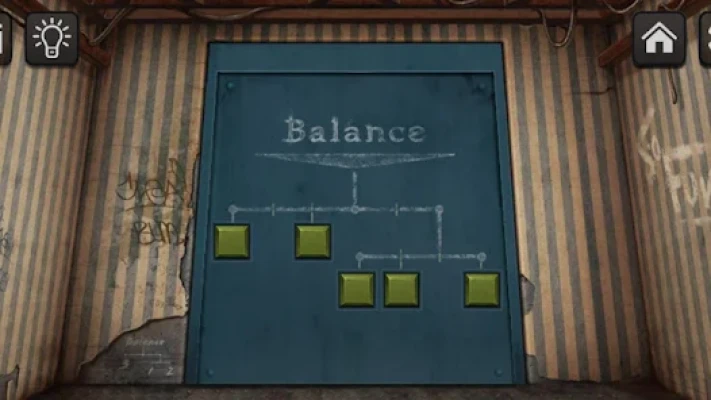
Important clues can be found throughout the environment. Players need to pay attention to objects, symbols, patterns, and other details that may reveal the solution to a puzzle.
Collectible Items
Players can collect objects and use them to solve puzzles or unlock escape routes. Finding an item is only part of the challenge; understanding where and when to use it is equally important.
Puzzle-Based Gameplay
The game combines observation, deduction, and problem-solving. Players must connect clues with the correct objects and discover the logic behind each challenge.
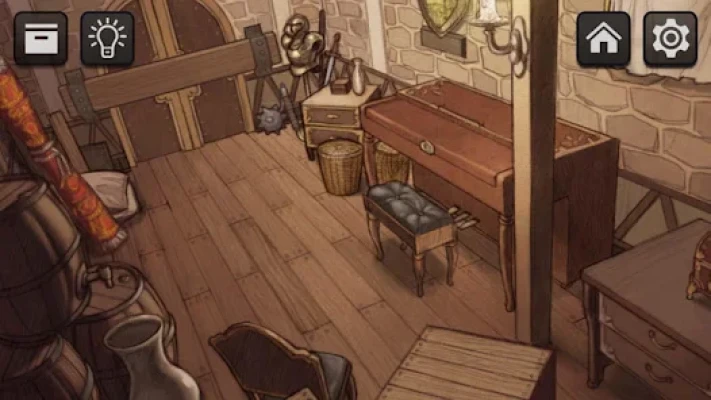
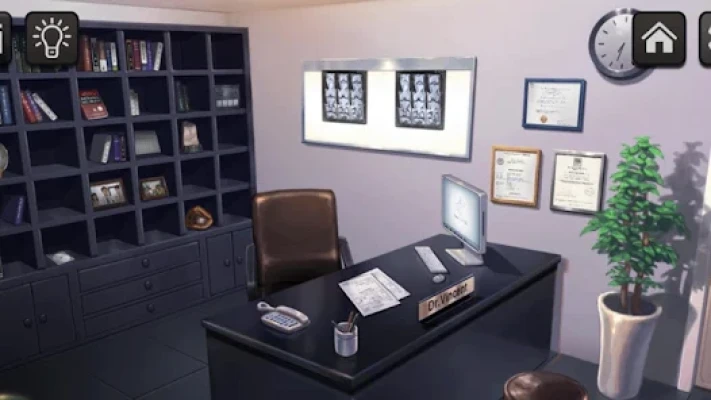
Stylized Visual Presentation
Different room environments and visual styles help create an atmosphere of mystery. Examining the surroundings is an important part of the experience.
Single-Player Experience
Doors&Rooms: Escape King is designed for individual play. You can concentrate on each room and work through its puzzles at your own pace.
Offline Play
The game supports offline play, allowing players to enjoy its escape challenges without needing a continuous internet connection.
How to Play Doors&Rooms: Escape King
Start by examining the room carefully. Look at the walls, furniture, doors, containers, and any unusual objects that might contain clues.
Tap objects that appear interesting to inspect them. Some items may be collectible, while others may reveal information needed to solve a puzzle.
Collect useful objects and consider how they might interact with other elements in the room. An item that appears ordinary may have a specific purpose.
Pay attention to numbers, symbols, colors, shapes, and written information. These details may help you discover a password, sequence, or combination.
When you understand what a puzzle requires, use the relevant item or enter the correct solution. Continue investigating until the exit becomes accessible.
Once the door is unlocked, complete the escape and move on to the next challenge.
Complete Strategy Guide for Doors&Rooms: Escape King
Examine Every Part of the Room
The most important habit in an escape game is careful observation.
Do not focus only on the locked door. Examine the entire environment, including corners, shelves, tables, drawers, decorations, and unusual objects.
A useful clue may be hidden in an area that initially looks unimportant. Before trying random solutions, make sure you have inspected the room thoroughly.
Tap Suspicious Objects
If an object looks unusual, interact with it.
Some objects may open, move, reveal another item, or display information. Try examining different parts of an object instead of assuming that its appearance tells you everything.
Be systematic. Check one area at a time so that you can remember which objects you have already investigated.
Collect Every Useful Item
Whenever you find an item that can be collected, consider keeping it for later use.
Do not assume that an object is unnecessary simply because its purpose is not immediately clear. Escape puzzles often require players to discover an item's function through experimentation.
Remember what you collect and revisit your inventory when you encounter a puzzle that you cannot solve.
Connect Clues With Objects
Finding clues is not enough. You must understand how they relate to the room.
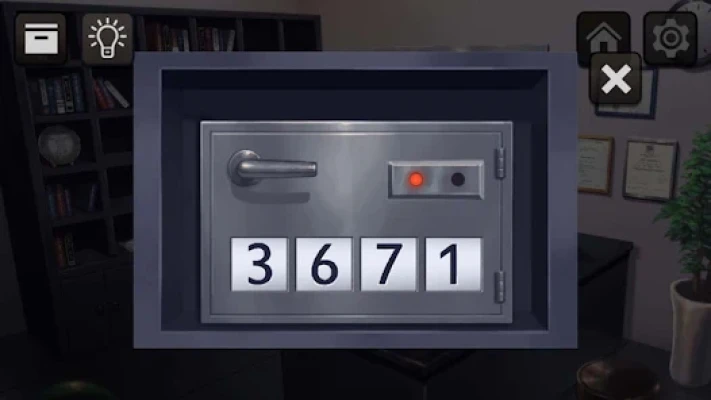
For example, a sequence of numbers may correspond to a combination lock, while a symbol arrangement may provide the order needed to activate something.
Look for relationships between objects and information. Ask yourself what each clue might be telling you and where that information could be used.
Pay Attention to Numbers and Symbols
Numbers, letters, shapes, and symbols are common puzzle elements in escape games.
Whenever you find a sequence or unusual marking, remember it. It may become useful later, even if there is no obvious lock or keypad nearby.
Avoid entering random combinations without first looking for clues that explain the correct answer.
Think About the Purpose of Each Item
When you collect an object, consider its possible function.
A tool may be designed to open, remove, reach, or activate something. A written note may provide instructions or a code. A small object may fit into another part of the environment.
Try to connect the item's physical appearance with the problem you are trying to solve.
Revisit Previously Inspected Areas
Sometimes solving one puzzle reveals a new interaction or makes another object useful.
If you discover an important clue or unlock a container, return to earlier areas and inspect them again.
A room can change as you make progress, so an object that seemed unimportant before may become relevant later.
Avoid Random Guessing
Random tapping and guessing can make puzzles more confusing.
Instead, collect the available information and form a possible explanation. Test your idea against the clues you have found.
If the solution does not work, reconsider the evidence rather than repeating the same attempt.
Solve One Problem at a Time
When a room contains several objects and puzzles, avoid trying to solve everything simultaneously.
Focus on one clear objective. For example, if you find a locked container, search the room for clues that might explain its combination.
After solving that problem, examine the newly available items and decide what to investigate next.
Stay Patient With Difficult Rooms
Some puzzles require more thought than others. If you become stuck, take a short break and return with a fresh perspective.
Reconsider the clues, inspect objects you may have overlooked, and review the items you have collected.
A calm and organized approach is usually more effective than rushing.
Beginner Tips for Faster Escapes
Inspect the entire room before attempting to unlock the door.
Tap unusual objects to discover hidden interactions.
Collect useful items even when their purpose is unclear.
Remember important numbers, letters, colors, and symbols.
Look for connections between clues and locked objects.
Revisit areas after solving a major puzzle.
Avoid random combinations when clues are available.
Work through one puzzle at a time.
Check your collected items whenever you become stuck.
Take a break if a puzzle becomes frustrating.
Advanced Puzzle-Solving Techniques
Build a Mental Map of the Room
Remember where important objects are located. Knowing the position of a locked container, unusual symbol, or interactive object makes it easier to return to it when you discover a related clue.
Separate Information From Collectible Items
Not every useful discovery can be collected. Some clues are simply information that you must remember.
Keep track of both physical objects and details found in the environment. A combination written on a surface may be just as valuable as a key.
Look for Logical Relationships
When you find multiple clues, consider whether they belong together.
A number sequence, a set of symbols, and a locked mechanism may form parts of the same puzzle. Compare their details and look for a logical connection.
Recheck Your Assumptions
If a solution fails, do not automatically assume that the game is malfunctioning.
You may have missed a clue, misunderstood an item's purpose, or overlooked another step that must be completed first.
Return to the evidence and test a different explanation.
Use a Consistent Exploration Routine
A repeatable approach makes complicated rooms easier to manage:
Inspect the entrance and exit.
Examine furniture and containers.
Search for unusual markings.
Collect available items.
Record important information mentally.
Connect clues to possible mechanisms.
Test solutions logically.
Revisit the room after every major discovery.
This routine helps reduce missed clues and unnecessary guessing.
Common Mistakes to Avoid
Ignoring Small Details
A tiny symbol or marking may contain the information needed to solve a major puzzle. Examine details instead of focusing only on large objects.
Forgetting Collected Items
An object found early in a room may become useful later. Revisit your inventory before assuming that you have reached a dead end.
Trying Every Possible Combination
Guessing can waste time and make the puzzle harder to understand. Search for clues that explain the intended solution.
Leaving Areas Unexplored
Players sometimes concentrate on the most obvious objects and overlook the rest of the room. Check all accessible areas before moving on.
Rushing Through the Puzzle
Speed is less important than understanding. Take time to inspect clues and make connections before interacting with complicated mechanisms.
Why Play Doors&Rooms: Escape King?
Doors&Rooms: Escape King is a good choice for players who enjoy mystery, exploration, and logical challenges. Its room-based structure makes it easy to focus on one puzzle at a time, while the combination of clues and collectible objects encourages careful thinking.
The game does not rely on fast reactions or complicated controls. Instead, progress comes from observation, patience, and discovering how different elements fit together.
Its offline support also makes it convenient for players who want to enjoy puzzle challenges without a constant internet connection.
Frequently Asked Questions
What is Doors&Rooms: Escape King?
It is a single-player escape room puzzle game where players collect clues, use items, solve puzzles, and unlock doors to escape.
Who developed Doors&Rooms: Escape King?
The game was developed by mobirix.
How do you escape from a room?
Explore the environment, find clues, collect useful objects, and use them to solve the puzzles that block the exit.
Does the game have hidden clues?
Yes. Finding clues throughout the room is a central part of the gameplay.
Can collected items help solve puzzles?
Yes. The game encourages players to use collected items to discover escape solutions.
Can I play Doors&Rooms: Escape King offline?
Yes. Google Play lists offline play support.
Is Doors&Rooms: Escape King a multiplayer game?
The game is listed as a single-player experience.
What should I do if I cannot solve a puzzle?
Reinspect the room, review your collected items, and look for connections between symbols, numbers, and objects. Avoid guessing randomly.
Is the game suitable for puzzle fans?
Yes. Its focus on observation, clues, and logical problem-solving makes it suitable for players who enjoy escape room games and brain teasers.
Final Verdict
Doors&Rooms: Escape King delivers a classic escape room experience built around exploration, hidden clues, collectible objects, and clever puzzles. Its straightforward gameplay makes it easy to start, while the need to connect different pieces of information gives players a reason to think carefully.
The best way to succeed is to stay observant, collect useful items, remember important clues, and approach every puzzle logically. Whether you enjoy solving mysteries or simply want a thoughtful mobile puzzle game, Doors&Rooms: Escape King offers an engaging escape adventure.
Rate the Game
User Reviews











Popular Games



















 Android
 iOS
 Windows
 Xbox