



Latest Version
October 16, 2026
Snapbreak Games
management
iOS
0
Report a Problem
More About :game
Game Overview
Discounty: Supermarket Manager puts you in charge of Discounty, a small supermarket in the quirky harbour town of Blomkest. Your aunt entrusts you with the business, leaving you to handle the everyday responsibilities of running a shop while navigating the complicated relationships of a close-knit community.
Unlike supermarket games that focus exclusively on building the biggest store or earning the most money, Discounty mixes practical management tasks with a story-driven adventure. You need to organise your shop layout, keep products available, handle checkout queues, clean the store, manage storage, and make decisions about the future of the business.
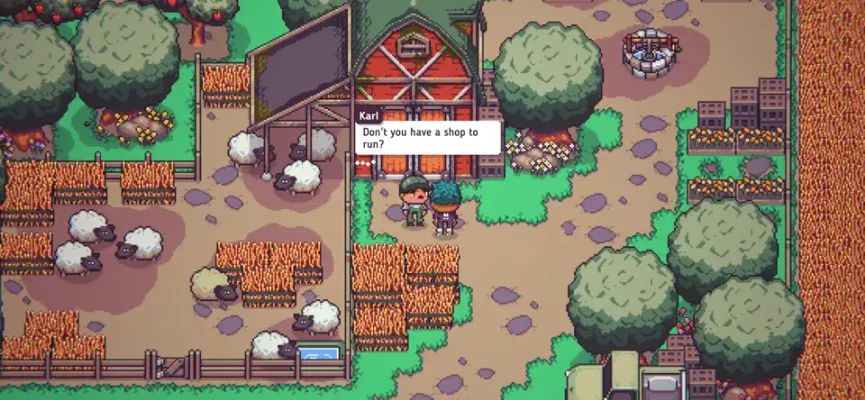
The town itself is an important part of the experience. Meeting residents and developing relationships can reveal more about Blomkest and the people who live there. As the supermarket grows, your business decisions can also affect how the community sees you.
The mobile version offers the opening in-game days for free, followed by a one-time purchase to unlock the full game. The App Store describes a single-player campaign lasting approximately 15–20 hours.
Main Features of Discounty: Supermarket Manager
1. Build and Organise Your Supermarket
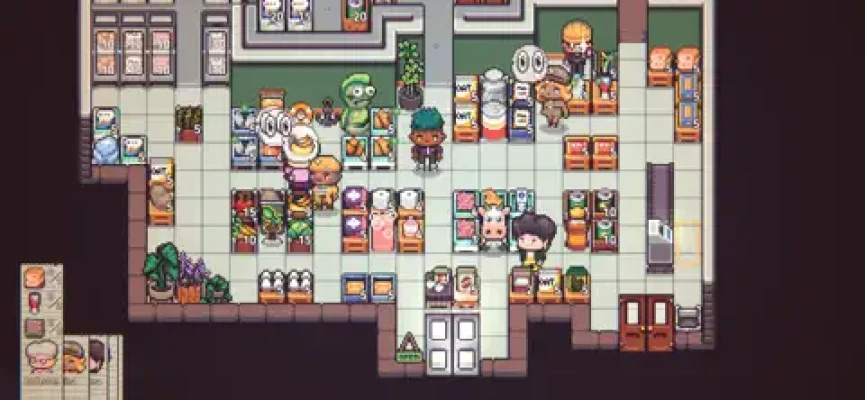
Your store's layout influences how customers move around and how efficiently you can manage the business. Arrange shelves, refrigerators, freezers, and other shop fixtures to create a practical shopping space.
A well-organised supermarket makes daily tasks easier and gives you room to expand your product selection as the business grows.
2. Stock Shelves and Manage Inventory
Keeping products available is one of your most important responsibilities. Empty shelves mean missed sales opportunities, while poor storage organisation can make restocking unnecessarily time-consuming.
You must balance product demand, available storage, and the time needed to replenish goods.
3. Work the Checkout
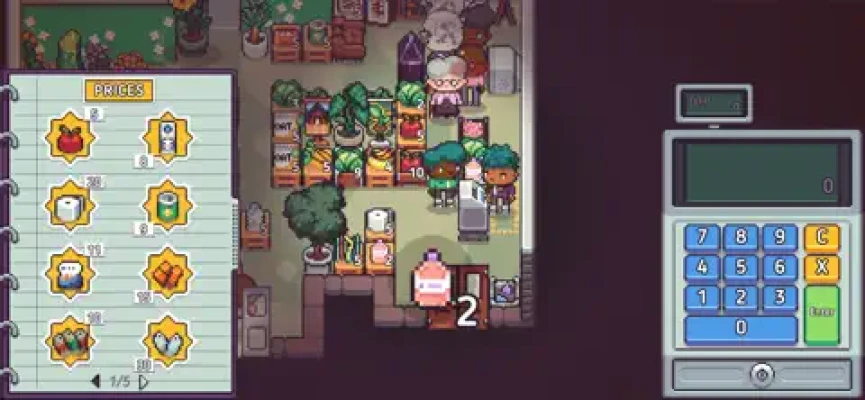
You are not simply the owner watching employees run the store. You actively participate in the daily work, including processing customers' purchases at the checkout.
Serving customers efficiently is important because long waits can create frustration and interrupt the rhythm of your working day.
4. Negotiate Trade Deals
Discounty lets you build relationships with local manufacturers and negotiate trade deals. These arrangements help you obtain products and introduce local specialties into your supermarket.
Choosing which products to stock is part of your wider business strategy, not just a matter of filling every available shelf.
5. Explore Blomkest
The harbour town of Blomkest has its own characters, conflicts, and secrets. You can explore outside the supermarket after business hours, meet residents, and develop relationships with people who may become loyal customers.
This narrative element gives the game a more personal feel than a conventional retail management simulator.
6. Expand Your Business
As the supermarket becomes more successful, you can reinvest your earnings, increase the size of your store, stock more goods, and advertise around town.
Expansion creates new opportunities, but it also introduces additional responsibilities. A bigger shop requires more careful planning and inventory management.
7. Customise Your Shopkeeper
You can personalise your character's appearance, choose an outfit, and select a name. These options give your shopkeeper a more individual identity as you build your business in Blomkest.
8. Enjoy a Story-Driven Campaign
The game combines business management with a single-player narrative. Your aunt's expectations, the residents' attitudes, and the town's social dynamics all contribute to the experience.
The story also raises an interesting question: should you focus entirely on profit, or try to build a supermarket that benefits the wider community?
Complete Discounty Strategy Guide
1. Master the First Days
Your opening days establish the habits that will make later management easier.
Instead of rushing to expand, learn how the shop operates. Understand how to receive stock, place products, replenish shelves, process purchases, and complete your daily responsibilities.
Follow the introductory objectives and become comfortable with the controls before attempting to manage several tasks simultaneously.
Beginner priorities:
Learn how the inventory and storage systems work.
Keep essential products available for customers.
Practise using the checkout efficiently.
Remember where products and supplies are stored.
Complete available objectives before spending time on unnecessary rearrangements.
Familiarise yourself with the town and its characters.
The goal is to establish a reliable routine rather than make every part of the supermarket perfect immediately.
2. Design an Efficient Store Layout
A good layout saves time throughout the game. You will repeatedly move between storage, shelves, checkout areas, and other parts of the supermarket, so unnecessary obstacles can become frustrating.
Start by identifying the areas you use most frequently. Keep important stock accessible and arrange products so that you can restock them without constantly moving fixtures.
Recommended layout strategy:
Place frequently handled products where they are easy to reach.
Keep customer pathways clear.
Arrange related products in logical groups.
Leave enough room to move between shelves and storage areas.
Avoid placing decorations where they interfere with practical tasks.
Reconsider the layout whenever you unlock new products or expand the shop.
Do not assume that a visually attractive layout is automatically the most efficient one. A practical arrangement that reduces wasted movement can make everyday management much smoother.
3. Keep Your Shelves Stocked
Inventory management is one of the central challenges in Discounty.
If you stock too little, popular products may run out before customers finish shopping. If you bring out too much stock without considering demand, you can waste time arranging products that are not urgently needed.
The best approach is to observe what sells and use that information to guide future restocking.
Stock management tips:
Check the shelves before opening or beginning your next busy period.
Prioritise products that regularly sell out.
Keep storage organised so you can locate goods quickly.
Avoid repeatedly travelling to storage for one small item when several shelves need attention.
Review your product selection as new goods become available.
Adjust your routine based on actual customer demand.
A useful habit is to combine restocking tasks. If you are already moving goods from storage, replenish several products that need attention rather than making multiple separate trips.
4. Manage Your Time During Busy Periods
Discounty requires you to balance several jobs during the working day. You may need to replenish products, clean the shop, organise storage, and serve customers.
Trying to do everything at once can make the store feel chaotic.
Instead, prioritise tasks according to their immediate consequences. A growing checkout queue may need attention now, while a minor storage adjustment can wait.
A practical priority order:
Handle urgent customer service needs.
Restock important products that are running low.
Deal with cleanliness issues that interfere with normal operations.
Organise remaining stock when the shop is quieter.
Use downtime to prepare for the next working period.
As you gain experience, you will become better at recognising which tasks can safely wait and which require immediate attention.
5. Improve Checkout Efficiency
The checkout is a particularly hands-on part of the supermarket experience. Processing purchases quickly helps you maintain a steady working rhythm and reduces the time customers spend waiting.
Learn the checkout controls and become familiar with the way the game presents items and prices. If a task feels awkward at first, practise it rather than rushing through every transaction.
Checkout tips:
Pay attention to each item as it reaches the checkout.
Learn the controls before a busy period.
Avoid letting distractions pull you away from customers for too long.
Complete transactions carefully instead of repeatedly correcting mistakes.
Keep the surrounding area organised so you can return to work quickly.
Efficient checkout management becomes especially valuable when other supermarket responsibilities compete for your attention.
6. Choose Products Carefully
A larger product selection can make your supermarket more appealing, but stocking every possible item is not necessarily the best use of your resources.
Consider which products fit your current store, what customers appear to want, and whether you can manage the additional inventory.
A sensible product strategy is to start with a manageable selection and expand as your business becomes more established.
Product selection principles:
Maintain reliable stock of important everyday goods.
Pay attention to the products your customers purchase.
Consider local specialties when trade deals make them available.
Avoid expanding your inventory faster than you can manage it.
Review your available shelf and storage space before introducing more goods.
The objective is to create a supermarket that sells consistently without making daily operations unnecessarily difficult.
7. Negotiate Trade Deals Strategically
Trade deals connect your business to the people and companies operating around Blomkest. They can provide access to products that help distinguish Discounty from an ordinary shop.
When considering a deal, think about how its products fit your existing assortment and the space you have available.
Do not evaluate a deal solely by how attractive it sounds. Consider whether you can stock, display, and sell the goods effectively.
As relationships develop, revisit your business strategy and consider how new opportunities could improve your supermarket.
8. Make Money and Reinvest Wisely
Profit is important because it supports expansion and helps you develop the business.
However, spending every available resource on expansion can make day-to-day management more complicated. Additional space and products are useful only if you can maintain them properly.
A balanced reinvestment plan:
Maintain a dependable selection of products.
Improve the shop's organisation.
Take advantage of suitable trade opportunities.
Expand when your current operation is running smoothly.
Introduce more goods when you have the space and time to manage them.
Invest in advertising and other growth opportunities when they support your goals.
Think of expansion as a business decision rather than a reward you should pursue as quickly as possible.
9. Build Relationships Around Blomkest
The people of Blomkest are central to the game's narrative. Exploring the town and getting to know its residents adds another dimension to your responsibilities.
Do not spend all your available time inside the supermarket. When the shop is closed, use opportunities to explore, speak with characters, and follow the story.
These interactions help reveal the town's personality and provide context for the relationships surrounding your business.
Relationship-building tips:
Speak with characters when story objectives encourage you to do so.
Follow available character-related quests.
Explore areas outside the supermarket.
Pay attention to conversations and narrative developments.
Balance business tasks with opportunities to learn more about the community.
The story is not simply a distraction from running the store. It is one of the main reasons Discounty feels different from a purely numbers-focused supermarket simulator.
10. Balance Business Growth With Community Relationships
Discounty's story explores the tension between making money and serving a small community.
Rapid growth might improve your business, but it can also affect relationships with people who already have strong opinions about the supermarket and its role in town.
Rather than approaching every decision as a simple profit calculation, consider the broader narrative and how your actions fit into the community's story.
This gives the management side more personality and makes the experience about more than selling products.
11. Avoid Common Beginner Mistakes
Expanding too early: A bigger shop brings additional work. Make sure your existing store is manageable before committing to growth.
Ignoring inventory: Empty shelves can undermine your efforts to serve customers. Make regular stock checks part of your routine.
Disorganised storage: Losing time searching for goods makes every restocking task more difficult.
Neglecting the checkout: Getting distracted by other responsibilities can leave customers waiting.
Overcomplicating the layout: Frequent rearrangements can waste time if they do not improve accessibility or workflow.
Ignoring the town: Focusing entirely on shopkeeping means missing an important part of the game's story.
Stocking too many products at once: More goods require more storage, shelf space, and attention. Expand your range gradually.
Spending without a plan: Consider whether a purchase improves your current operation or helps you reach a meaningful next objective.
Best Beginner Routine
For players who want a simple daily management plan, the following routine provides a useful starting point.
Before opening: Check stock levels, replenish important goods, and make sure the store is ready for customers.
During business hours: Prioritise checkout queues, monitor shelves, and handle urgent cleaning or restocking tasks.
During quieter moments: Organise storage, prepare additional products, and review your next business objective.
After closing: Complete remaining management tasks, explore Blomkest, and speak with characters when opportunities arise.
Before expanding: Consider your finances, current workload, inventory needs, and available space.
Adjust this routine as the supermarket grows. What works for a small shop may need to change when you have more products and a larger floor plan.
Game Information
Game title: Discounty: Supermarket Manager
Developer: Crinkle Cut Games
Mobile publisher: Snapbreak Games
Genre: Supermarket management, business simulation, adventure, life simulation
Platform: iPhone and iPad
Game mode: Single-player
Story length: Approximately 15–20 hours on mobile, according to the App Store description
Business setting: Blomkest, a fictional harbour town
Main activities: Stocking shelves, managing inventory, operating the checkout, cleaning, organising storage, negotiating trade deals, and expanding the supermarket
Additional activities: Exploring the town, building relationships, completing story objectives, and customising your shopkeeper
Price model: Free opening section with a one-time in-app purchase to unlock the full game
Listed US full-game purchase price: $12.99
Minimum iPhone requirement: iOS 15.0 or later
Minimum iPad requirement: iPadOS 15.0 or later
Listed language: English
Age rating: 4+
Achievements: Game Center achievements are supported
Prices, compatibility, and available features may vary by region or change with future updates.
Graphics, Sound, and Atmosphere
Discounty uses a colourful, character-focused presentation to bring its small-town supermarket setting to life. The experience combines everyday retail work with a narrative about business, local relationships, and the complications of becoming an important part of a close-knit community.
Its appeal comes from the contrast between ordinary tasks and the larger story. Restocking a shelf might be a simple management activity, but it forms part of a wider effort to establish your place in Blomkest.
The cozy presentation also makes the game a natural fit for players who enjoy life simulations, shopkeeping games, and story-driven adventures rather than competitive business challenges.
Pros and Cons
Pros
A distinctive mix of supermarket management and narrative adventure.
Hands-on shopkeeping rather than management through menus alone.
Flexible shop layout and decoration options.
Inventory and storage management that reward organisation.
Trade deals that add variety to product selection.
A town full of characters and relationships to explore.
Character customisation.
A substantial single-player campaign for a casual management game.
Cons
Repeated stocking, cleaning, and checkout tasks may become routine for some players.
Several responsibilities compete for your attention during business hours.
Efficient shop layouts require planning and occasional adjustments.
Players seeking a purely relaxing game may find the workload demanding at busy moments.
The free opening section does not include the entire campaign without purchasing the full game.
Is Discounty: Supermarket Manager Worth Playing?
Discounty is a strong choice for players who enjoy managing businesses but want more personality and storytelling than a typical supermarket simulator provides.
Its most appealing feature is the combination of practical shopkeeping and exploration. You are responsible for the ordinary details of running a supermarket while also learning about the people and conflicts surrounding your business.
Players who enjoy organising spaces, managing stock, completing objectives, and watching a small operation grow should find plenty to engage with. Those who prefer fast-paced action or complex financial simulations may find its slower, task-based structure less appealing.
Frequently Asked Questions
What is Discounty: Supermarket Manager?
Discounty: Supermarket Manager is a story-driven supermarket management game. You run a discount store, manage inventory, serve customers, negotiate trade deals, and expand your business while exploring the fictional town of Blomkest.
Is Discounty: Supermarket Manager free to play?
The mobile version allows you to play the opening in-game days for free. You can then purchase the full game through a one-time in-app purchase.
How do you make money in Discounty?
You earn money by running your supermarket and selling products. Maintaining stock, organising your store, serving customers efficiently, and making sensible business decisions are central to building a successful shop.
How do you restock shelves?
Collect the required goods from your available stock and replenish the appropriate shelves or display units. Keeping storage organised makes it easier to locate products and maintain inventory.
How do you expand your supermarket?
As your business progresses and profits grow, you can reinvest in expanding the shop, increasing your product selection, and advertising around town.
Can you customise your supermarket?
Yes. You can arrange shelves and products, adjust your shop layout, add decorations, and develop a store design that suits your preferred approach to management.
Can you customise your character?
Yes. The game allows you to choose your shopkeeper's appearance, outfit, and name.
Does Discounty have a story?
Yes. Your aunt entrusts you with the supermarket in Blomkest, where you encounter local residents, uncover secrets, and navigate community relationships while developing the business.
How long does it take to finish Discounty?
The mobile App Store description estimates a 15–20-hour single-player campaign. Actual completion time depends on your pace and how much time you spend exploring and managing your shop.
Is Discounty available on iPhone and iPad?
Yes. The mobile version is listed for both devices, with iOS 15.0 or later required for iPhone and iPadOS 15.0 or later for iPad.
Does Discounty support achievements?
Yes. The mobile listing indicates support for Game Center achievements.
Is Discounty similar to Supermarket Simulator?
Both games focus on operating a store, managing products, and serving customers. Discounty places additional emphasis on narrative, character relationships, town exploration, and a story-driven campaign.
Can you play Discounty offline?
Offline functionality should be confirmed against the current mobile version and its requirements. Do not assume every feature works without an internet connection.
Final Thoughts
Discounty: Supermarket Manager turns the everyday work of running a supermarket into a character-driven adventure. Keeping shelves stocked and customers moving is only part of the challenge; you must also organise your business, develop trade relationships, explore Blomkest, and decide how your growing store fits into the community.
The best strategy is to build a manageable routine first, keep inventory organised, serve customers promptly, and expand only when your current operation can support it. Combine that practical approach with time spent exploring the town, and Discounty becomes more than a supermarket game: it becomes a story about running a business in a place where everyone has an opinion about what you do.
Rate the Game
User Reviews















Popular Games



















 Android
 iOS
iOS Windows
 Xbox
Xbox