


Latest Version
October 24, 2026
FunCraft, Inc
Board
iOS
0
Report a Problem
More About :game
Game Overview
Dice Rollers - Fun Game brings a fresh competitive twist to traditional dice games. Developed by FunCraft, Inc., the game combines familiar dice-rolling mechanics with randomized scoring boards, tactical decision-making, and online multiplayer competition. It is designed for players who enjoy games that are easy to understand but reward careful planning over time.
At the center of the experience are head-to-head matches. Players take turns rolling dice and selecting scoring combinations, trying to earn more points than their opponents. Although luck influences every roll, success also depends on recognizing useful combinations, managing scoring opportunities, and deciding when to pursue a high-value result rather than settle for a safer option.
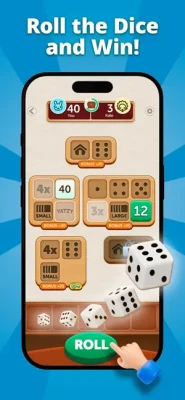
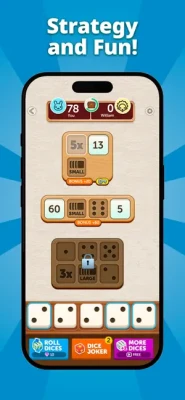
One of the game's distinctive features is its board-based scoring system. Instead of presenting scoring options as a simple list, Dice Rollers groups combinations into special grids. Scoring across these grids can unlock bonuses and create additional opportunities to gain an advantage. This means players need to consider not only the points available from their current roll but also how each selection affects their progress across the board.
The randomized boards help keep matches interesting. Different arrangements encourage players to adjust their plans rather than repeat the same strategy in every game. A combination that is valuable in one situation might be less useful in another, particularly when a bonus is within reach or an opponent is building a strong lead.
Dice Rollers also supports playing with friends and family, making it suitable for casual competitions as well as more serious matches against online opponents. Achievements and collectible in-game treasures provide additional goals beyond winning individual rounds, while different gameplay variations give players more ways to explore the game's mechanics.
The game is free to download and includes in-app purchases. Its combination of quick matches, accessible rules, competitive scoring, and strategic choices makes it appealing to fans of Yatzy-style games and classic board-game competition.
Key Features of Dice Rollers - Fun Game
Real-Time Player-versus-Player Battles
Dice Rollers focuses on direct competition. Players face opponents in head-to-head matches, taking turns to roll dice and make scoring decisions. Every turn offers a chance to build an advantage, recover from a weak roll, or prevent an opponent from taking control of the match.
Unique Scoring Boards
The game uses special grids to organize scoring combinations. These boards add a layer of planning because players must consider how their choices contribute to both immediate points and broader scoring opportunities.
Randomized Board Layouts
Changing board arrangements help keep matches from feeling identical. Players need to evaluate the current layout and adapt their priorities based on the available scoring paths and possible bonuses.
Strategic Dice Combinations
Like classic Yatzy-style games, Dice Rollers rewards players for recognizing useful dice patterns. Knowing when to pursue a particular combination and when to choose a more reliable score can make a meaningful difference over the course of a match.
Bonus-Scoring Opportunities
Scoring across special board grids can unlock powerful bonuses. These opportunities encourage players to think beyond individual rolls and plan how their selections contribute to a larger objective.
Play With Friends and Family
The game supports friendly competition with people you know, making it a fun option for casual duels. You can also challenge players around the world and test your decision-making against different opponents.
Achievements and Collectible Treasures
Progression features add goals beyond simply winning. Achievements and in-game collectibles give players extra reasons to keep playing, explore different strategies, and improve their results.
Additional Gameplay Variations
Different gameplay variations offer opportunities to learn new rules and adapt to fresh challenges. These modes can help keep the experience engaging after you become comfortable with the basic scoring system.
Mobile-Friendly Design
Dice Rollers is designed for mobile play, with a straightforward interface and fast-paced matches. The rules are approachable for newcomers, while the scoring system gives experienced players plenty to think about.
How to Play Dice Rollers - Fun Game
Understand the Scoring System
Before focusing on winning, take time to understand the available scoring combinations and how the board organizes them. Knowing what each option requires makes it easier to recognize opportunities when the dice land.
Roll the Dice and Evaluate Your Options
Each turn begins with a dice roll. Rather than selecting the first available combination, examine the result and compare your scoring options. Think about which choice provides the best immediate value and whether another option could help you unlock a board bonus.
Choose Your Scoring Combination
Once you have evaluated the available combinations, choose the one that best supports your current plan. Sometimes a reliable score is the right choice. In other situations, pursuing a more ambitious combination may be worthwhile if the potential reward justifies the risk.
Progress Across the Scoring Grid
Pay attention to how each scoring choice affects your progress on the board. Completing or advancing through special grids can unlock bonuses, so your decisions should consider the overall layout rather than only the points from a single turn.
Watch Your Opponent's Progress
A competitive match is not just about maximizing your own score. Keep an eye on the opponent's position and consider whether they are close to a significant bonus. If the gap is widening, you may need to prioritize a strong scoring opportunity rather than follow your original plan.
Adapt to Randomized Boards
Every board may present different opportunities. Review the layout at the beginning of a match and adjust your strategy to fit the scoring paths available. Flexibility is particularly important when a preferred combination does not align with the current board.
Practice With Different Strategies
Try different approaches to learn which decisions produce consistent results. Experimenting with safer scoring choices, bonus-focused planning, and different combinations will help you understand the balance between short-term points and long-term rewards.
Best Strategies and Tips for Beginners
Learn the Rules Before Chasing Big Scores
New players often focus on impressive combinations without fully understanding how the scoring grid works. Start by learning the available scoring categories and bonus conditions. A clear understanding of the rules will help you make better decisions under pressure.
Evaluate Every Roll Carefully
A roll may offer several possible scoring choices. Compare them before committing, and avoid making decisions based solely on the most obvious combination. The best option depends on your current score, the board layout, and the opportunities you want to pursue.
Balance Reliable Points With Riskier Opportunities
High-value combinations can be tempting, but they may not always be the best choice. If a reliable score helps maintain your position, taking it can be smarter than pursuing a difficult result. Learn to recognize when the potential reward justifies the risk.
Pay Attention to Bonus Grids
Special grids can create scoring opportunities that are worth more than an isolated result. Check your progress regularly and consider whether a particular choice will move you closer to unlocking a bonus.
Avoid Following One Fixed Strategy
Randomized boards mean that the best approach can change from match to match. Do not force the same scoring pattern onto every board. Adapt your choices to the options actually available.
Watch the Score Difference
Your strategy should reflect the current state of the match. When you are ahead, consistent scoring may help protect your lead. When you are behind, you may need to pursue opportunities that offer a better chance of closing the gap.
Play Against Different Opponents
Playing against different people can expose you to new decision-making styles. Observe how experienced opponents manage their scoring choices and how they respond to bonus opportunities. Use those experiences to refine your own approach.
Treat Every Match as Practice
Even a loss can teach you something useful. Think about whether you missed a scoring opportunity, ignored a bonus, or pursued a difficult combination when a safer option would have been better. Small improvements in decision-making can add up over time.
Advanced Strategies for Experienced Players
Plan Around the Entire Board
Experienced players should consider the scoring grid as a connected system. A choice may be valuable because it advances a bonus objective, opens a useful path, or prevents an opponent from gaining too much ground. Look for decisions that contribute to several goals at once.
Calculate the Value of a Scoring Choice
Do not evaluate a combination solely by its immediate points. Consider the opportunity cost of selecting it instead of another category. If choosing one option makes a valuable bonus harder to reach, the alternative may be better even when its immediate score is slightly lower.
Prioritize Bonuses at the Right Time
Bonus opportunities can influence the outcome of a match, but pursuing every bonus is not necessarily efficient. Assess how close you are to completing a grid, what you would need to sacrifice, and whether the opponent is likely to benefit more from the same opportunity.
Adjust Your Strategy to the Score
The ideal approach changes depending on whether you are leading or trailing. When ahead, prioritize dependable scoring opportunities and avoid unnecessary risks. When behind, consider higher-value combinations or bonus routes that could help you recover.
Use Randomness to Your Advantage
You cannot control every dice result, but you can control how you respond. Build flexibility into your decision-making by keeping more than one scoring option in mind. If the roll does not support your preferred combination, choose the best alternative rather than wasting an opportunity.
Learn to Recognize Patterns
The more you play, the easier it becomes to identify promising combinations and understand which choices fit a particular board. Study how scoring options interact and look for patterns that help you make decisions more quickly without overlooking important details.
Avoid Emotional Decisions
A poor roll or an opponent's strong score can encourage rushed choices. Stay focused on the current board and evaluate the options logically. One disappointing turn does not necessarily determine the result of the match.
Refine Your Approach Through Repetition
Advanced play depends on learning from experience. Pay attention to the decisions that consistently help you score well and those that repeatedly leave you with weak options. Gradually refine your strategy instead of relying entirely on instinct.
Common Mistakes to Avoid
Choosing the First Available Combination
The first valid scoring option is not always the best one. Compare the alternatives and consider both immediate points and board progression before making your choice.
Ignoring Bonus Opportunities
Focusing only on individual scores can cause you to miss valuable bonuses. Review the board regularly and look for opportunities that reward progress across multiple scoring categories.
Taking Too Many Risks
Chasing the highest possible score every turn can lead to inconsistent results. Consider whether the potential reward justifies the risk, especially when a reliable option is available.
Ignoring Your Opponent
A strategy that looks good on its own may be less effective if your opponent is about to secure a major bonus. Monitor the match and adjust your priorities when necessary.
Using the Same Strategy on Every Board
Randomized layouts change the opportunities available to you. Adapt to the current board rather than repeatedly pursuing combinations that are not well suited to the situation.
Forgetting the Overall Score
A locally strong decision may not help you win if it does not address the current match situation. Consider the score difference and decide whether you need to protect a lead or pursue a comeback.
Rushing Decisions
Fast-paced gameplay can encourage players to choose quickly. Take a moment to review the dice, available combinations, and bonus progress before committing to a scoring choice.
Overlooking the Value of Practice
Luck affects individual rolls, but strategic habits improve with experience. Avoid treating every loss as bad luck alone. Reviewing your decisions can reveal opportunities to play more effectively in future matches.
Is Dice Rollers - Fun Game Worth Playing?
Dice Rollers - Fun Game is a worthwhile option for players who enjoy classic dice games but want more competitive depth than a simple roll-and-score experience. Its head-to-head matches, randomized scoring boards, and bonus-grid mechanics add a strategic layer that encourages players to think about more than the result of a single roll.
The game is particularly appealing to fans of Yatzy-style scoring and casual board-game competition. Its basic premise is easy to understand, making it accessible to newcomers, while the need to balance immediate points with longer-term bonus opportunities gives experienced players room to improve.
Playing with friends and family adds a social element, while online opponents offer a way to test your skills against different strategies. Achievements and collectibles provide additional progression goals for players who want more than a series of isolated matches.
However, the experience still relies heavily on dice randomness. Players who prefer games where every outcome is determined almost entirely by skill may find the luck factor frustrating at times. In-app purchases and advertising are also worth considering if you prefer a completely uninterrupted experience.
Overall, Dice Rollers - Fun Game is a good choice for players seeking short, competitive matches that combine luck with meaningful decisions. Its distinctive scoring grids and bonus system give traditional dice mechanics a fresh feel, making it suitable for casual sessions as well as more focused competition.
Frequently Asked Questions
What is Dice Rollers - Fun Game?
Dice Rollers - Fun Game is a multiplayer dice strategy game developed by FunCraft, Inc. It combines Yatzy-style scoring with special grids, bonus opportunities, randomized boards, and competitive head-to-head matches.
Is Dice Rollers - Fun Game free to play?
The game is free to download and includes in-app purchases. Optional purchases are available for players who want to access additional paid content or bundles.
Can you play against other people?
Yes. The game features real-time player-versus-player matches against opponents around the world. It also supports friendly games with friends and family.
Is Dice Rollers similar to Yatzy?
Yes. The game draws inspiration from familiar Yatzy-style dice combinations, but adds special scoring grids and bonus mechanics that give players more strategic decisions to consider.
How do the scoring boards work?
Scoring combinations are organized into special grids. As you score across the board, you can unlock bonuses and create additional opportunities to gain points. The layout affects which choices are most valuable in each match.
Does every match use the same board?
No. The game features randomized boards, so the available scoring opportunities can change from match to match. Players need to adapt their approach rather than rely on one fixed sequence of choices.
Can you play with friends and family?
Yes. The game supports friendly duels with friends and family, making it suitable for casual competition as well as online matches.
Is Dice Rollers - Fun Game easy to learn?
The basic dice mechanics are approachable, especially for players familiar with Yatzy-style games. However, learning how to use scoring grids and bonus opportunities effectively takes practice.
Does the game have achievements?
Yes. Achievements and collectible in-game treasures provide additional goals beyond winning individual matches.
What is the best beginner strategy?
Learn the scoring rules, compare your options before selecting a combination, and pay attention to bonus grids. Balance reliable points with riskier opportunities, and adjust your strategy based on the current board and score.
Does luck or skill matter more?
Both matter. Dice rolls introduce randomness, but players still make important decisions about scoring combinations, bonus progression, and match strategy. Strong decision-making can help you make better use of the results you receive.
Is Dice Rollers - Fun Game suitable for casual players?
Yes. Its quick matches, familiar dice mechanics, and mobile-friendly design make it suitable for casual play. Players who enjoy competitive strategy can also explore the deeper scoring and bonus systems over time.
Final Thoughts
Dice Rollers - Fun Game gives traditional dice competition a modern multiplayer twist. By combining Yatzy-inspired scoring with randomized boards, special grids, and bonus rewards, it creates matches where every roll presents a new decision.
The key to improving is to look beyond immediate points. Learn the scoring categories, evaluate how each choice affects your progress, and keep your opponent's position in mind. Sometimes the safest score is the best move, while other situations call for a more ambitious attempt to unlock a bonus or close a gap.
Whether you want friendly matches with people you know or competitive games against online opponents, Dice Rollers offers an accessible way to enjoy strategic dice gameplay. If you like games that combine chance, planning, and quick head-to-head competition, it is worth trying.
Rate the Game
User Reviews








Popular Games



















 Android
 iOS
 Windows
 Xbox