

Latest Version
October 09, 2024
Amanotes Pte Ltd
Music
iOS
0
Report a Problem
More About :game
Developed by Amanotes, the game combines music, colorful 3D visuals, progressive stages, and collectible stars used to unlock new content. The current store listings describe it as a music and rhythm-action game built around careful timing and staying on the track.
What Is Dancing Ballz: Magic Tiles?
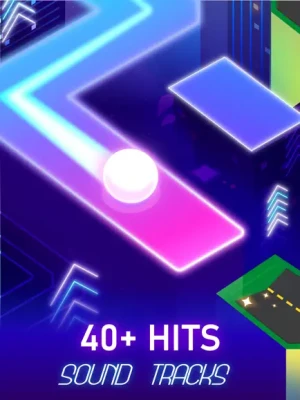
Dancing Ballz: Magic Tiles takes the familiar idea of a music game and turns it into a continuous path challenge.
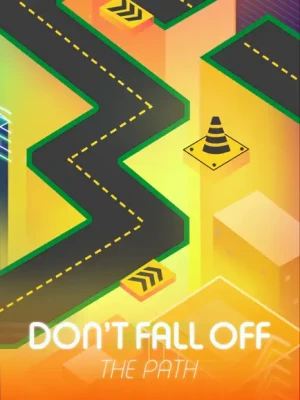
Instead of simply tapping static piano tiles, you control a ball traveling along a twisting dance line. Your job is to time your actions correctly, keep the ball on the track, and reach the end of each stage without falling.
The concept is easy to understand within seconds, but later stages can test your reflexes and ability to anticipate turns. The App Store description specifically emphasizes careful timing, tapping, high-quality music, 3D design, and star collection.
How to Play
The basic gameplay loop is straightforward:
- Choose a stage.
- Start the music.
- Watch the dance line ahead.
- Tap at the appropriate moments.
- Keep the ball aligned with the track.
- Avoid falling from sharp turns.
- Collect stars when it is safe to do so.
- Finish the stage and work toward unlocking more content.
The most important skill is timing. Random or rushed taps can quickly send the ball away from the track.
Main Features
Rhythm-Based Gameplay
Music is at the center of Dancing Ballz. Your actions need to match the rhythm while the ball travels along the track.
The game is designed to make timing feel connected to the soundtrack rather than turning each stage into a conventional obstacle course.
Winding Dance Line
The track itself is the main challenge.
It can change direction, forcing you to anticipate what comes next instead of focusing only on the ball's current position.
3D Visuals
The App Store highlights a 3D visual design that gives the game a more immersive presentation than a basic tile-tapping game.
Music Collection
The game promotes a collection of high-quality and trending music tracks, giving each stage a musical identity.
Star Collection
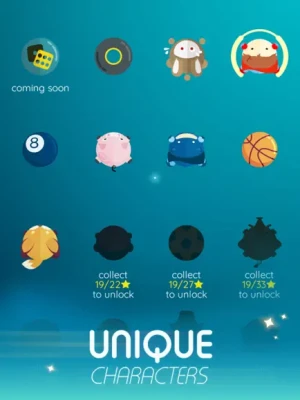
Stars are part of the progression system. Collecting enough stars allows you to unlock additional content and gives players an incentive to replay stages rather than simply finishing them once.
Progressive Stages
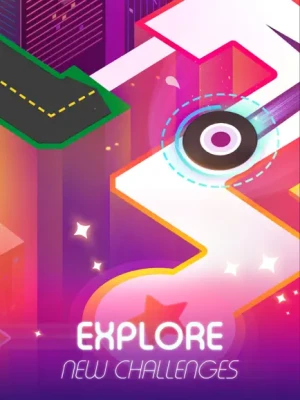
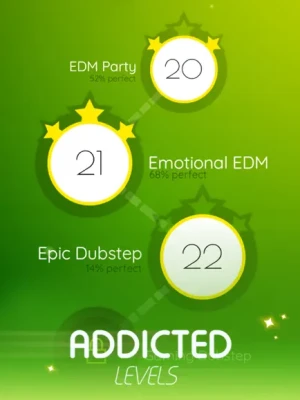
The game includes multiple stages with increasingly demanding layouts. Its update history also shows additions of new stages and changes to stage logic over time.
Relaxing but Challenging
Although the game requires concentration, its music-focused presentation can also make it enjoyable for short, relaxing sessions.
Full Strategy Guide
1. Learn the Track Before Chasing Stars
Your first priority should always be staying on the line.
When playing a new stage, don't immediately try to collect every star. Learn how the track behaves first.
Once you know where the difficult turns are, you can replay the level and collect more safely.
2. Watch Ahead
One of the biggest mistakes beginners make is watching only the ball.
Instead, look slightly ahead along the track.
You want to know whether the next section goes:
- left
- right
- sharply around a corner
- into a longer straight section
- into a more complicated sequence
Anticipating the route gives you more time to react.
3. Follow the Music
The soundtrack can act as a timing reference.
Rather than treating every tap as an isolated action, listen for the beat and develop a consistent rhythm.
After replaying a stage several times, the timing can start to feel natural.
4. Don't Panic on Sharp Turns
Sharp turns are usually where beginners lose control.
When the track changes direction quickly, avoid making a frantic movement.
Stay focused, identify the new direction, and make a controlled correction.
5. Keep Your Timing Consistent
Consistency is more important than speed.
A player who taps calmly and predictably will generally perform better than someone who constantly changes timing because they are afraid of missing the next section.
6. Replay Difficult Stages
If a particular level keeps defeating you, repetition is valuable.
After several attempts, you will start remembering the track's structure. That means your brain no longer has to process every turn from scratch.
This is particularly useful for stages where the rhythm and track layout are closely connected.
How to Get Better Scores
Focus on Accuracy
Don't worry about finishing as quickly as possible.
The safest route to a better score is accurate play with as few mistakes as possible.
Learn the Rhythm
Listen to the music carefully and identify repeating patterns.
Once you understand the timing, upcoming actions become easier to predict.
Memorize Difficult Sections
If the same turn causes you to fail repeatedly, treat it as a memorization problem rather than simply a reflex problem.
Remember what happens immediately before the turn and prepare your movement early.
Collect Stars on Replay
Your first successful completion does not need to be perfect.
Finish the stage, learn the route, and then return specifically to collect stars that were difficult during your first attempt.
Avoid Unnecessary Risks
If a star is positioned in a difficult section, don't sacrifice an otherwise excellent run unless you are specifically attempting to collect it.
Survival comes first.
Advanced Tips
Think One Turn Ahead
Don't wait until the ball reaches a corner before deciding what to do.
Try to identify the next direction while you are still approaching the current section.
Use the Music and Visuals Together
The strongest players don't rely entirely on one source of information.
Use the beat to establish timing while watching the track to determine direction.
Reduce Distractions
The visual design is part of the game's appeal, but during difficult stages your attention should remain on the line and the upcoming turns.
Build Muscle Memory
Repeatedly playing the same level can create automatic responses to familiar patterns.
Eventually, a difficult turn that once required intense concentration may become almost instinctive.
Don't Overcorrect
A common mistake is making a second movement immediately after the first because the player becomes uncertain.
If the ball is already heading correctly, avoid unnecessary corrections.
Star Collection Strategy
Stars are important because they contribute to unlocking new content.
A practical approach is to divide star collection into three categories:
Easy stars: collect them during your normal run.
Moderate stars: collect them once you know the track.
Risky stars: attempt them during dedicated replay runs.
This approach lets you make progress without constantly sacrificing completed stages.
Beginner Strategy
If you are completely new to Dancing Ballz, use this progression:
Step 1: Start with the easiest available stage.
Step 2: Concentrate on staying on the track.
Step 3: Listen to the rhythm instead of tapping randomly.
Step 4: Look ahead for upcoming turns.
Step 5: Finish the stage even if you miss some stars.
Step 6: Replay the level and collect additional stars.
Step 7: Move to harder stages once your timing becomes comfortable.
This method gradually builds both rhythm and track awareness.
Common Mistakes to Avoid
Tapping Without Listening
The game is built around rhythm, so ignoring the soundtrack removes one of your most useful timing references.
Watching Only the Ball
The upcoming track matters more than the ball's current position.
Chasing Every Star
A collectible isn't worth losing the entire run if you're still learning the stage.
Reacting Too Late
Waiting until a sharp corner is directly in front of you can leave too little time to correct your movement.
Overcorrecting
Too many rapid corrections can be just as dangerous as not reacting.
Changing Your Rhythm Constantly
Find a comfortable timing pattern and maintain it.
Giving Up After One Failed Attempt
Difficult stages often become dramatically easier after you know the layout.
Music and Atmosphere
Music is one of the defining parts of Dancing Ballz.
The App Store describes the game as featuring high-quality trending music alongside colorful 3D presentation, while the gameplay connects the player's timing directly to the soundtrack.
The combination of a moving dance line, music, and 3D environments gives the game a more active feel than a traditional static tile game.
Difficulty
Dancing Ballz is easy to understand but not necessarily easy to master.
The basic controls can be learned almost immediately. The difficulty comes from maintaining accurate timing as the track becomes more demanding.
Players may struggle with:
- sharp turns
- unfamiliar stage layouts
- faster rhythms
- maintaining concentration
- collecting stars while staying safe
- remembering complicated track patterns
The best way to handle the difficulty is gradual repetition rather than trying to master everything in a single attempt.
Progression and Unlocks
Stars are an important part of progression. Collecting them allows players to unlock additional content, while repeated stage attempts can improve performance and increase familiarity with the game's track layouts.
The game's version history also shows that additional stages and new stage logic have been added during its development.
Visual Design
The game uses a 3D visual style built around the dancing ball and its constantly changing path.
The environments are designed to complement the music rather than overwhelm the core gameplay, giving each stage a colorful arcade atmosphere.
Controls
The controls are deliberately simple.
The main challenge isn't learning a complicated control scheme. It is learning when to make each action.
That makes Dancing Ballz accessible to casual players while still leaving room for skilled players to improve their timing.
Platform and Requirements
The U.S. App Store currently lists Dancing Ballz: Magic Tiles for iPhone and iPad. It requires iOS 15.6 or later and has an app size of approximately 168.3 MB. The listing also shows compatibility with Apple silicon Macs running macOS 12.5 or later, although the Mac version is not verified by the developer.
The game is free with optional in-app purchases. Current U.S. App Store purchases include Remove Ads, VIP options, and life packs.
On Google Play, the game is listed for Android and Windows, with 10M+ downloads and approximately 240K reviews at the time of checking. Google Play categorizes it as Music, Rhythm-action, and Arcade, and describes it as a single-player, offline game.
Player Ratings
The current U.S. App Store listing shows a 4.5/5 rating from 996 ratings.
Google Play currently shows approximately 4.2 stars from 240K reviews, alongside more than 10 million downloads.
These numbers suggest that the game has maintained a substantial audience, particularly on Android.
Updates and Development
Dancing Ballz has been updated over its lifetime with new stages, changes to stage logic, seasonal content, bug fixes, and performance improvements. The App Store version history records updates going back several years, while Google Play currently lists an October 2025 update.
The current App Store listing identifies version 2.6.3, with the displayed release note indicating bug fixes and performance improvements.
Pros and Cons
Pros
- Simple rhythm-based controls
- Easy to learn
- Challenging stage progression
- Music-focused gameplay
- 3D visual presentation
- Star-based progression
- Multiple stages
- Suitable for short sessions
- Offline gameplay on Android
- Free to start
Cons
- Later stages can become difficult
- Repetition is important for mastering levels
- Players who want extensive gameplay modes may find the concept limited
- Advertising is present
- Optional purchases are available
- Star collection can require additional attempts
Frequently Asked Questions
What is Dancing Ballz: Magic Tiles?
Dancing Ballz: Magic Tiles is a music and rhythm game where you guide a ball along a winding dance line while timing your actions to the soundtrack.
Who developed Dancing Ballz: Magic Tiles?
The game was developed by Amanotes Pte. Ltd.
How do you play Dancing Ballz?
You time your taps and movements to keep the dancing ball on the track. The goal is to complete stages without falling.
What is the main objective?
The main objective is to stay on the dance line and successfully complete each stage while improving your performance and collecting stars.
What are stars used for?
Stars can be collected during gameplay and used to unlock new content.
Is Dancing Ballz free?
Yes. The App Store lists it as free with optional in-app purchases.
Is Dancing Ballz difficult?
The controls are simple, but the later stages can require precise timing, concentration, and knowledge of the track.
Does Dancing Ballz work offline?
Google Play currently categorizes the game as an offline single-player title.
What is the best strategy for difficult stages?
Learn the rhythm, look ahead along the track, memorize difficult turns, and replay stages before attempting to collect every star.
Final Verdict
Dancing Ballz: Magic Tiles takes a very simple idea and turns it into a surprisingly demanding rhythm challenge. The controls are easy to understand, but staying on the winding line requires concentration, timing, and increasingly good anticipation.
Its strongest qualities are the music-driven gameplay, 3D presentation, progressive stages, star collection, and straightforward controls. The best strategy is to learn each track gradually, focus on the upcoming path, use the music as a timing guide, and return to difficult stages once their patterns become familiar.
For players who enjoy rhythm games, music games, magic tile games, ball games, EDM-style challenges, and casual arcade games, Dancing Ballz offers an accessible experience with enough difficulty to keep score-focused players practicing.
Rate the Game
User Reviews













Popular Games



















 Android
 iOS
iOS Windows
 Xbox
Xbox