


Latest Version
June 16, 2024
iKame Games - Zego Studio
Simulation
0
com.cooking.family.diary.fever.food.city.craze.dream.kitchen.frenzy
Report a Problem
More About :game
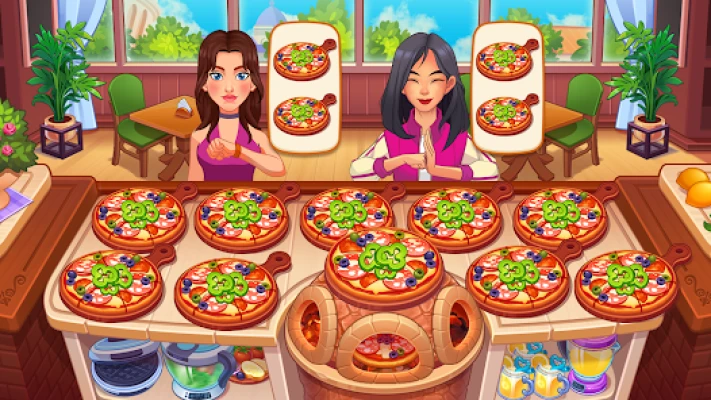
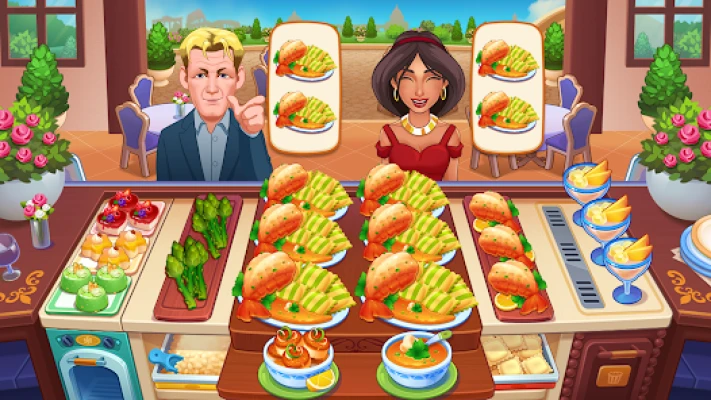
Players prepare a variety of dishes, including burgers, pizza, desserts, soups, seafood, and other international meals. Each restaurant introduces its own cooking equipment, recipes, and customer demands, requiring you to improve your speed and manage several tasks at once.
Beyond serving food, you can upgrade kitchen appliances, improve your workflow, decorate restaurants, and unlock new locations as you progress. The game also includes collectible elements and additional activities that add variety to the cooking experience.
Whether you enjoy restaurant simulators, chef games, or challenging time-management puzzles, Cooking Family: Craze Madness offers a colorful culinary adventure where quick decisions and smart upgrades help you build a successful restaurant business.
What Is Cooking Family: Craze Madness About?
Cooking Family: Craze Madness revolves around running restaurants, preparing meals, and keeping customers satisfied during increasingly demanding service periods.
At the beginning, the gameplay introduces basic cooking and serving tasks. As you advance, you encounter more recipes, additional appliances, and customer orders that require better timing and organization.
The main challenge is to complete each level's objectives before time runs out or customers become impatient. You must prepare ingredients, cook food correctly, serve the requested dishes, and avoid wasting valuable time.
The game also emphasizes long-term progression. Completing levels earns rewards and culinary experience that help you improve your kitchen and unlock new challenges. Different restaurant locations introduce new dishes and equipment, encouraging you to adapt rather than rely on a single routine.
Cooking Family: Craze Madness is therefore more than a simple cooking game. It combines reflexes, planning, resource management, and gradual restaurant development into one continuous progression system.
Main Features of Cooking Family: Craze Madness
1. Fast-Paced Cooking Gameplay
Prepare dishes, operate kitchen appliances, and serve customers before their patience runs out. The challenge increases as you manage more orders and work through increasingly complicated levels.
2. International Cuisines
Explore restaurants featuring different culinary styles. The game includes a variety of dishes and desserts, such as burgers, hot dogs, cakes, soups, seafood, ice cream, and other familiar favorites.
3. Multiple Restaurants and Locations
Progress through different restaurant settings as you complete levels and meet the game's requirements. Each new location can introduce different recipes, appliances, and service challenges.
4. Kitchen Equipment Upgrades
Improve your kitchen appliances to support faster and more efficient food preparation. Upgrades are particularly valuable when the number of orders increases or cooking times become a major obstacle.
5. Restaurant Decoration
The game includes restaurant customization options, allowing you to improve the appearance of your business as you progress.
6. Idle Cash and Business Progression
The game has been described as including restaurant management and idle-cash mechanics alongside its active cooking challenges. These systems add another layer to the experience beyond completing timed levels.
7. Collectible Cards and Rewards
Collectible elements provide additional progression goals. Completing collections and participating in available activities can offer rewards that help support your overall progress.
8. Diverse Cooking Appliances
Different restaurants feature equipment designed for specific recipes, including ovens, grills, beverage machines, and other kitchen tools. Learning how each appliance works is essential to serving orders efficiently.
9. Casual Single-Player Experience
Cooking Family: Craze Madness focuses on individual progression through restaurant levels. Its simple controls make it approachable, while the time limits create a challenge for players who want to achieve better results.
How to Play Cooking Family: Craze Madness
Step 1: Understand the Customer's Order
Pay attention to what each customer requests before preparing food. Identify the correct dish and any required ingredients so you do not waste time making the wrong item.
Step 2: Prepare the Ingredients
Select the ingredients required for the recipe and place them in the appropriate cooking appliance. Some dishes need several preparation steps, so learn the correct sequence before attempting to serve them quickly.
Step 3: Monitor the Cooking Process
Keep an eye on food while it cooks. Removing food too early may prevent you from completing the order correctly, while leaving it unattended for too long can result in burnt food and wasted resources.
Step 4: Serve Customers Promptly
Once the requested dish is ready, deliver it to the correct customer. Timely service helps you complete objectives and avoid losing customers.
Step 5: Complete the Level's Objectives
Each level can have its own targets, such as earning a required amount of money, serving a certain number of customers, or completing specific tasks. Check the objective before starting so you know what deserves priority.
Step 6: Collect Rewards
After completing a level, collect the available rewards and use them to strengthen your kitchen or unlock further progression.
Step 7: Upgrade Your Restaurant
Invest in improvements that make the next levels easier. Better equipment and a more efficient workflow can reduce pressure when customer orders become more demanding.
Complete Cooking Family: Craze Madness Strategy Guide
Beginner Tips for New Players
1. Learn every recipe before rushing.
Understanding how each dish is prepared will help you avoid mistakes when several customers arrive at once. Use the early levels to learn the cooking sequence for every available recipe.
2. Watch cooking appliances carefully.
Food that stays on an appliance for too long can burn, forcing you to prepare another portion. Monitor cooking progress instead of focusing exclusively on customer orders.
3. Serve completed orders promptly.
Once food is ready, deliver it as soon as practical. Leaving finished dishes unattended can clutter your workflow and make it harder to prepare the next order.
4. Prepare for upcoming orders.
When you have a spare moment, identify which ingredients or cooking steps will be needed next. Advance preparation can save valuable seconds during a busy service period.
5. Focus on the level objective.
Do not assume that serving as many dishes as possible will always be the best strategy. Some levels emphasize earning money, while others may require specific tasks or a certain number of customers.
6. Upgrade equipment strategically.
Improve appliances that create the greatest bottleneck in your kitchen. If one cooking process repeatedly delays several orders, that equipment may deserve priority.
7. Learn from failed attempts.
If you fail a level, identify the reason. You might have burned food, missed an order, spent too much time on one dish, or failed to reach the required earnings target. Correcting the main problem is more effective than repeating the same approach.
How to Manage Multiple Orders
Handling several customers at once is one of the most important skills in Cooking Family: Craze Madness.
Start by scanning the waiting customers and identifying which orders can be prepared quickly. Then check whether any food is already cooking or ready to serve.
A useful general sequence is:
Check all active orders.
Start cooking items with longer preparation times.
Prepare quick dishes while other food cooks.
Remove completed food before it burns.
Serve ready orders without unnecessary delay.
Return to unfinished recipes and check customer patience.
This approach reduces idle time because you are using the cooking process to prepare other orders rather than waiting for every dish to finish separately.
However, avoid starting more food than you can manage. Several appliances running simultaneously can become a problem if you lose track of cooking times.
Best Kitchen Upgrade Strategy
Upgrades can make a major difference as levels become more demanding. The key is to choose improvements based on the problems you actually encounter.
Cooking speed upgrades: Prioritize these when appliances take too long to prepare food. Faster cooking gives you more time to manage customers and complete additional orders.
Capacity-related upgrades: Where available, improvements that let you prepare or hold more food can make busy levels easier. Make sure you can manage the additional output without burning dishes.
Ingredient and preparation upgrades: These can help reduce delays when preparing recipes with multiple components.
Service-related improvements: If the game offers upgrades that support faster customer service or improve earnings, compare their cost with the benefits they provide.
Restaurant progression upgrades: Invest in improvements that help unlock new content or meet upcoming requirements when they provide sufficient long-term value.
The best upgrade is not necessarily the most expensive one. It is the improvement that solves your current bottleneck and helps you complete more levels successfully.
How to Earn More Coins
Coins are important for upgrading kitchen equipment and supporting restaurant progression. Efficient cooking and completing level objectives are therefore central to long-term success.
Focus on serving correct orders without wasting ingredients. Burnt food and incorrect dishes can consume time that would be better spent fulfilling customer requests.
Pay attention to levels where you can reliably meet the earnings target. Improving your performance on these stages can help you build the resources needed for more expensive upgrades.
Also, check the available rewards and activities. Some game modes or collection milestones may offer additional benefits beyond ordinary level completion.
Avoid spending every coin immediately. Keeping enough resources for a useful upgrade can help you overcome a difficult stage without having to rebuild your balance from scratch.
How to Keep Customers Happy
Customer patience is a central part of the time-management challenge.
Serve orders in a sensible order. Prioritize customers who have been waiting longer, while also considering which dishes are already prepared.
Avoid unnecessary delays. Do not spend too much time repeatedly checking the same appliance or preparing ingredients that are not needed.
Balance long and short recipes. Start longer cooking processes when possible, then prepare faster dishes while those meals are cooking.
Prevent mistakes. Preparing the wrong dish can waste ingredients and delay the correct order.
Watch the entire kitchen. Customer management is not just about the person currently waiting. Keep track of all active orders and upcoming cooking requirements.
If a level becomes overwhelming, focus on making the workflow more predictable rather than simply tapping faster.
How to Handle Difficult Levels
Later stages can require better timing, more precise cooking, and improved kitchen equipment. When a level seems impossible, review the objective before spending more resources.
If you are failing to earn enough money, concentrate on correct orders and avoiding wasted food. If customers leave before you can serve them, improve your order management and consider upgrading the equipment responsible for the longest delays.
If food frequently burns, reduce the number of dishes you prepare simultaneously and monitor cooking appliances more closely.
If you struggle with a level that introduces a new recipe, spend time learning the preparation sequence before trying to complete the objective at maximum speed.
A useful strategy is to change one part of your approach at a time. That makes it easier to determine whether an upgrade or a new cooking routine is actually helping.
Restaurant Progression and Unlocking New Locations
Cooking Family: Craze Madness encourages players to expand beyond their initial restaurant. New locations can introduce different recipes, cooking equipment, and customer expectations.
Before moving into a new restaurant, make sure you understand the requirements for unlocking it. Progression may depend on completing particular levels, earning rewards, or meeting other in-game conditions.
When a new location becomes available, learn its equipment before attempting to complete difficult stages. A cooking routine that works well in one restaurant may not be efficient in another.
Give yourself time to understand new appliances and recipe combinations. Adapting quickly to new kitchens is one of the best ways to improve your overall performance.
Collectibles and Additional Rewards
The game includes collectible elements that offer goals beyond serving food. These can add variety to the standard cooking loop and provide extra reasons to continue playing.
Check the available collection objectives and rewards to understand which activities are worth pursuing. If an event or collection requires repeated play, consider whether its rewards help with the upgrades or progression milestones you currently need.
Do not let optional activities distract you from the main objective if you are struggling to unlock the next restaurant. Prioritize the tasks that provide the greatest benefit to your current progress.
Common Mistakes to Avoid
Leaving food unattended: Burnt dishes waste time and ingredients. Keep track of every appliance that is in use.
Preparing the wrong recipe: Check customer orders before selecting ingredients.
Ignoring customer patience: A correct dish delivered too late may not help you complete the level successfully.
Starting too many dishes at once: An overloaded kitchen makes it easier to forget food and miss orders.
Upgrading without a clear plan: Spend coins on improvements that address your actual difficulties.
Ignoring the level objective: Understand what the game requires before deciding which orders to prioritize.
Repeating a failed strategy: Change your cooking sequence or upgrade plan when the current approach is not working.
Forgetting about additional rewards: Check available collections and activities when you need more ways to earn progression resources.
Graphics, Sound, and Atmosphere
Cooking Family: Craze Madness uses a colorful, cartoon-style presentation that suits its casual restaurant theme. Food, kitchen equipment, and customer interactions provide visual feedback as you move through each level.
The variety of restaurant settings helps keep the experience from feeling like a single kitchen repeated indefinitely. Different dishes and appliances introduce new tasks, while the busy service periods create a sense of urgency.
The atmosphere is lighthearted and accessible, making the game suitable for short sessions. Its main source of tension comes from the time limits and the need to manage several tasks at once rather than from complex controls or a difficult narrative.
Pros and Cons
Pros
Fast-paced cooking and restaurant management.
A variety of dishes and international cuisines.
Multiple restaurant locations and cooking appliances.
Kitchen upgrades that improve efficiency.
Collectibles and additional progression goals.
Simple controls that are easy to learn.
A colorful presentation suited to casual gameplay.
A mix of active cooking and restaurant development.
Cons
Later levels can become demanding when several orders arrive together.
Repeating levels may be necessary to earn resources or improve performance.
Time limits can feel stressful for players who prefer relaxed cooking games.
Progression relies on repeated upgrades and completing objectives.
Advertisements and optional purchases may affect the experience, depending on the current version.
Is Cooking Family: Craze Madness Worth Playing?
Cooking Family: Craze Madness is a solid option for players who enjoy cooking games built around quick decisions, customer service, and gradual restaurant progression.
Its strongest feature is the combination of active kitchen management and long-term improvement. You are not simply preparing meals; you are learning recipes, managing several cooking processes, improving equipment, and working toward new restaurants.
The game is particularly suitable for people who enjoy time-management challenges and want a cooking simulator with clear objectives. However, players who prefer a slow, creative experience without timers may find the later levels demanding.
If you enjoy chef games, restaurant management, kitchen upgrades, and serving customers under pressure, Cooking Family: Craze Madness is worth exploring.
Frequently Asked Questions
What is Cooking Family: Craze Madness?
Cooking Family: Craze Madness is a cooking and restaurant management game developed by iKame Games – Zego Studio. It combines timed cooking challenges, customer service, kitchen upgrades, and restaurant progression.
Who developed Cooking Family: Craze Madness?
The game was developed by iKame Games – Zego Studio, a studio known for casual mobile games.
How do you play Cooking Family: Craze Madness?
Prepare the dishes customers request, monitor cooking appliances, serve meals before customers lose patience, and complete the objectives for each level.
How do you upgrade the kitchen?
Use the resources earned through gameplay to improve available kitchen equipment. Prioritize upgrades that reduce cooking delays or help you complete difficult objectives.
How do you earn more coins?
Complete level objectives, serve orders correctly, avoid burning food, and take advantage of available rewards. Efficient cooking helps you earn resources without wasting time on unnecessary mistakes.
How do you unlock new restaurants?
Progress through the available levels and meet the requirements shown in the game. New locations can introduce different recipes, appliances, and challenges.
Does Cooking Family: Craze Madness include different cuisines?
Yes. The game features a range of dishes and restaurant settings, including familiar meals, desserts, and food associated with different culinary traditions.
Can you decorate restaurants in Cooking Family: Craze Madness?
The game has included restaurant decoration options. The available customization choices may depend on your progression and current version.
Is Cooking Family: Craze Madness free to play?
The game has been distributed as a free-to-play mobile title with advertisements and optional in-app purchases. Current availability and purchase options may vary by region.
Is Cooking Family: Craze Madness an offline game?
Offline behavior may vary by version and feature. Check the current game's settings and test your connection requirements before relying on offline access.
Why do I keep failing cooking levels?
Common causes include burnt food, incorrect orders, slow service, and insufficient earnings. Identify which objective you are missing and adjust your cooking sequence or equipment upgrades accordingly.
What is the best strategy for difficult levels?
Learn the recipes, start longer cooking processes early, prepare quicker dishes while food cooks, and monitor all appliances. Upgrade the equipment that causes the most delays.
Is Cooking Family: Craze Madness suitable for beginners?
Yes. The basic controls are accessible, and the early stages introduce the main cooking mechanics. Later levels require better timing and multitasking, so practicing each recipe is useful.
Final Verdict
Cooking Family: Craze Madness combines fast-paced kitchen gameplay with restaurant management and progressive upgrades. Its variety of dishes, cooking appliances, and locations gives players plenty to learn as they advance through increasingly demanding levels.
To succeed, focus on accurate orders, efficient cooking sequences, and upgrades that solve your biggest problems. Keeping appliances under control and planning several steps ahead can make the difference between a failed service and a successful restaurant.
For players searching for cooking games, chef challenges, restaurant simulators, and time-management games, Cooking Family: Craze Madness offers an engaging mobile experience built around quick thinking, culinary variety, and steady progression.
Rate the Game
User Reviews















Popular Games



















 Android
 iOS
 Windows
 Xbox