

Latest Version
September 19, 2026
H2T GLOBAL PTE. LTD.
Casual
Android
0
com.Color.Hunt.N.Seek
Report a Problem
More About :game
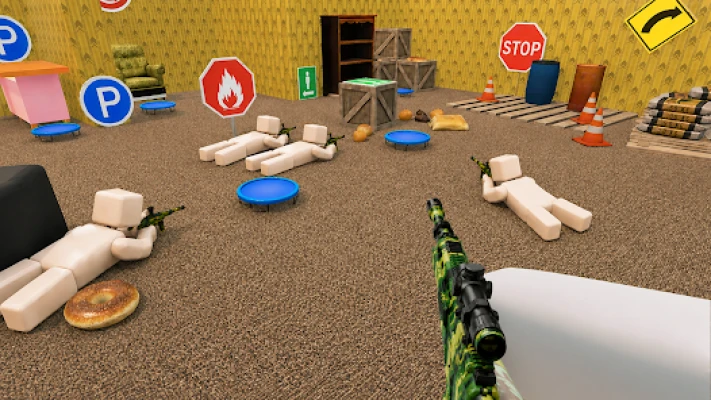
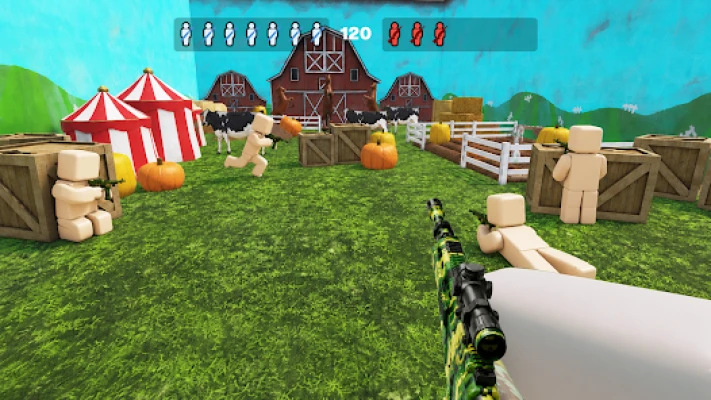
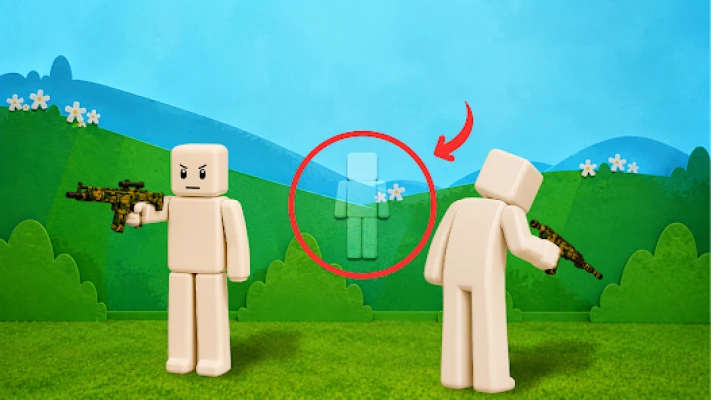
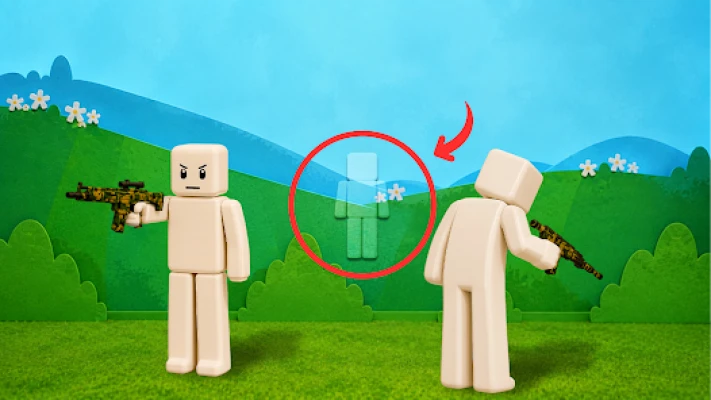
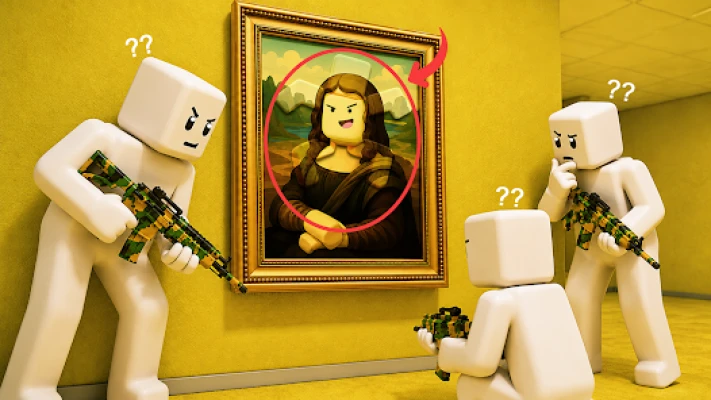
The main idea behind Color Hunt N Seek is simple but clever: don't just hide — become part of the environment.
When playing as a Hider, you can paint your character using different colors and then look for a location where your appearance blends naturally with the surroundings.
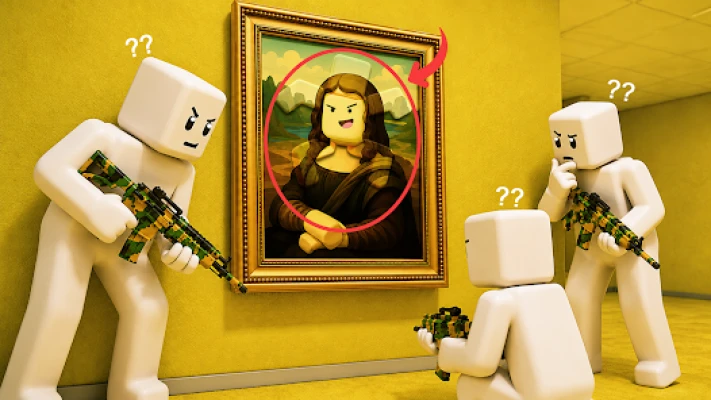
When playing as a Seeker, the situation is reversed. You need to carefully inspect the environment and identify players who are attempting to look like ordinary scenery.
That creates two completely different styles of gameplay within the same match.
Hider: camouflage, positioning and patience.
Seeker: observation, exploration and quick decisions.
The current Google Play listing specifically describes both roles, multiple colors, environmental camouflage, unique maps, fast-paced multiplayer gameplay and easy-to-learn controls.
Game Information
| Feature | Details |
|---|---|
| Game Title | Color Hunt N Seek |
| Developer | H2T GLOBAL PTE. LTD. |
| Genre | Casual |
| Main Gameplay | Multiplayer hide and seek |
| Core Mechanic | Character camouflage |
| Roles | Hider and Seeker |
| Customization | Multiple character colors |
| Maps | Multiple unique maps |
| Gameplay Style | Fast-paced horizontal multiplayer |
| Controls | Easy to learn |
| Content Rating | Everyone |
| Downloads | 50K+ |
| Contains | Ads |
| Latest listed update | August 22, 2026 |
| Latest update note | Bug fixes |
The details above reflect the current Google Play listing.
How Color Hunt N Seek Works
Each round revolves around the classic hide-and-seek concept, but with an important additional mechanic: camouflage.
As a Hider, you aren't simply looking for somewhere nobody will notice.
You're trying to find somewhere where your character looks like it belongs there.
As a Seeker, you need to reverse that process.
Instead of asking:
"Where would somebody hide?"
you should ask:
"What looks slightly out of place?"
That difference is what makes Color Hunt N Seek more interesting than ordinary hide-and-seek gameplay.
Main Features
Play as a Hider
The Hider's objective is to survive without being discovered.
You can paint your character with different colors and search for a location that matches the environment. The official listing specifically encourages players to blend into walls, objects and decorations.
A successful hiding place isn't necessarily the darkest or most hidden corner.
Sometimes the best location is the one where your character simply doesn't look unusual.
Play as a Seeker
The Seeker has the opposite objective.
You need to explore the map and find hidden players before time runs out.
This requires attention to detail because well-camouflaged players can become visually similar to surrounding scenery.
Look for things that don't quite belong.
Character Painting
Color selection is central to the camouflage system.
You can paint your character with different colors to help match the surrounding environment.
The best color isn't always your favorite color.
It should be the color that creates the smallest visual difference between your character and the hiding location.
Unique Maps
The game includes multiple maps containing different hiding opportunities.
Each environment changes the camouflage possibilities, so a strategy that works in one location may not work particularly well in another.
Fast-Paced Multiplayer
The game is designed around quick multiplayer rounds rather than long sessions.
That makes it easy to jump into another match after a successful hiding attempt — or after a Seeker catches you.
Full Color Hunt N Seek Strategy Guide
Hider Strategy
Playing as a Hider requires more than finding a place where you can't easily be reached.
You need to think visually.
Step 1: Study the Map
Before choosing a hiding position, look around.
Identify:
- Walls
- Floors
- Decorations
- Large objects
- Repeated patterns
- Corners
- Open areas
- Objects with strong colors
You want to find somewhere that naturally matches your chosen character color.
2. Choose Your Color Before Committing
Don't choose a hiding spot first and then try to force your character's color to fit it.
Instead:
Observe → choose color → find matching environment → hide
This makes camouflage much more convincing.
3. Match the Background
If your character is bright red, hiding beside a blue object isn't likely to be useful.
Look for areas where your character's color is naturally present.
The closer the visual match, the harder it should be for a Seeker to notice you.
4. Avoid Obviously Suspicious Locations
A location can be visually perfect but still suspicious.
For example, if an object is normally located in one particular area, suddenly seeing something identical in the middle of an open space may attract attention.
Think about context, not just color.
5. Stay Still
Once you've found a good hiding position, unnecessary movement can give you away.
The official game description specifically emphasizes finding a hiding spot and staying completely still.
Your camouflage only works if you avoid drawing attention to yourself.
6. Don't Always Hide in the Most Obvious Place
Players naturally expect other players to choose the easiest hiding locations.
That means an obvious hiding spot may receive more attention.
Sometimes a less conventional location with a strong color match is a better choice.
The ideal hiding location combines:
Good color match + believable position + low attention
7. Think Like the Seeker
One of the best ways to become a better Hider is to understand how Seekers search.
Ask yourself:
If I were searching this map, where would I look first?
Avoid those obvious locations when possible.
Seeker Strategy
1. Don't Search Randomly
Randomly moving around the map can waste valuable time.
Instead, divide the environment into sections.
For example:
Left side → center → right side → upper areas → lower areas
Systematically search each section.
2. Look for Color Anomalies
The most important question is:
Does anything look slightly different?
Look for:
- An unusual color
- A shape that doesn't belong
- A misplaced object
- A suspicious pattern
- A character-sized object
- Something that appears too symmetrical
A disguised player may be trying to look like scenery, but small visual inconsistencies can reveal them.
3. Don't Only Search Corners
Experienced Hiders may expect Seekers to check corners first.
Search:
- Open areas
- Behind decorations
- Beside walls
- Near large objects
- Around repeated environmental elements
- Places where a character can visually blend in
4. Pay Attention to Repetition
If the map contains several similar objects, compare them.
For example, if you see several objects with similar colors and one looks slightly different, investigate it.
Comparing objects against each other can be more effective than simply scanning the entire environment.
5. Search Methodically
Instead of constantly changing direction:
- Choose an area.
- Inspect it carefully.
- Check suspicious objects.
- Move to the next area.
- Repeat.
This reduces the chance of repeatedly searching the same location while ignoring another part of the map.
6. Don't Chase Every Suspicion
Not everything unusual is necessarily a player.
If you investigate every tiny visual difference, you'll waste valuable time.
Prioritize suspicious objects based on:
Color difference + location + shape + context
When several clues point toward the same location, investigate it first.
Advanced Camouflage Techniques
Match More Than Color
Color is important, but camouflage works best when several visual factors line up.
Try to match:
- Color
- Position
- Surrounding objects
- Shape
- Lighting
- General environment
A character that matches the wall color but is standing in an unusual position can still be easy to spot.
Use Visual Clutter
Busy areas can provide more camouflage opportunities because there are many objects competing for attention.
If you can find a position where your character naturally blends into several surrounding objects, it may be more difficult for a Seeker to isolate you.
Think About the Seeker's Camera
Ask yourself what the Seeker is likely to see first.
If your character creates a clear silhouette against the background, move to a position where the outline is less obvious.
Best Hiding Spot Checklist
Before settling into a hiding position, ask:
- Does my color match the surroundings?
- Does my position make sense?
- Am I easy to see from the main path?
- Is there visual clutter around me?
- Does my shape stand out?
- Would a Seeker naturally check this location?
- Can I remain completely still?
If most answers are favorable, you've probably found a reasonable hiding location.
Best Seeker Checklist
When searching:
- Check obvious hiding locations first.
- Compare similar objects.
- Look for unusual colors.
- Watch for shapes that don't belong.
- Inspect corners and open spaces.
- Don't repeatedly search the same area.
- Pay attention to objects that seem slightly misplaced.
- Keep moving when an area appears clear.
Common Hider Mistakes
Choosing a Color Without Looking at the Environment
The color should serve the hiding location.
Moving After Hiding
Unnecessary movement can reveal your position.
Choosing the Most Obvious Spot
Seekers may naturally inspect common hiding locations.
Ignoring the Background
A good hiding place isn't only about your character. The surroundings matter too.
Standing in an Unnatural Position
Even a perfect color match can look suspicious if the position makes no sense.
Common Seeker Mistakes
Running Around Randomly
You can waste the entire round without properly searching the map.
Only Checking Corners
Good Hiders may anticipate this.
Focusing on One Suspicious Object Too Long
If it isn't a player, you may lose valuable search time.
Ignoring Color Differences
A small color mismatch can be the clue you need.
Forgetting Open Areas
Not every Hider needs to be tucked into a tiny corner.
How to Improve at Color Hunt N Seek
The fastest way to improve is to learn both roles.
When playing as a Hider, pay attention to the locations where you successfully avoid detection.
When you become a Seeker, remember those same principles and use them to predict where other players might hide.
This creates a useful feedback loop:
Hide → observe what works → Seek → recognize those techniques → Hide better
Map Awareness Guide
Every map should be treated differently.
When entering a new map, spend the first moments identifying:
Color Distribution
What colors appear most frequently?
Object Density
Are there many decorations or large open areas?
Hiding Opportunities
Which areas offer natural camouflage?
Search Routes
Which paths would a Seeker probably take?
Visual Patterns
Are there repeated objects that a player could imitate?
Learning these features can make a significant difference in both roles.
Multiplayer Strategy
Because the game is multiplayer, you are playing against real opponents rather than simply following a fixed single-player puzzle.
That means unpredictability matters.
As a Hider, don't assume other players will search exactly the way you expect.
As a Seeker, don't assume everyone uses the same hiding strategy.
The best approach is to adapt based on what happens during the round.
The official listing describes the game as fast-paced horizontal multiplayer gameplay with replayable matches.
Why Color Hunt N Seek Is Fun
The appeal comes from the contrast between the two roles.
As a Hider, you're trying to become invisible.
As a Seeker, you're trying to notice what everyone else is trying to hide.
That makes every round a small psychological battle between camouflage and observation.
A successful Hider thinks:
"How can I look like part of the map?"
A successful Seeker thinks:
"What doesn't belong here?"
Graphics and Gameplay Style
Color Hunt N Seek uses a colorful, accessible presentation designed around easily recognizable environments and objects.
The current listing emphasizes colorful character painting, environmental camouflage, unique maps and funny or unexpected disguises.
The result is a lighthearted multiplayer experience rather than a serious stealth game.
Current Google Play Information
The Google Play listing currently shows:
- 50K+ downloads
- Everyone content rating
- Ads
- Casual category
- Updated August 22, 2026
- Latest update note: bug fix
Google Play also lists H2T GLOBAL PTE. LTD. as the developer.
Frequently Asked Questions
What is Color Hunt N Seek?
Color Hunt N Seek is a multiplayer hide-and-seek game where players use colors and environmental camouflage to hide from other players or search for them.
Can you play as a Hider?
Yes. Hiders paint their characters with colors that help them blend into walls, objects and decorations around the map.
Can you play as a Seeker?
Yes. Seekers search the map for disguised players before the round ends.
How does camouflage work?
You choose colors for your character and then try to find an environment where those colors blend naturally with the surroundings.
Does Color Hunt N Seek have multiplayer?
Yes. The current Google Play description identifies it as a fast-paced horizontal multiplayer game.
Are there different maps?
Yes. The game features unique maps containing different hiding opportunities.
Is Color Hunt N Seek free?
The Google Play listing is available with ads.
What is the best Hider strategy?
Choose a color that naturally matches the environment, find a believable hiding location, and remain completely still. Avoid positions that look suspicious even if their colors match.
What is the best Seeker strategy?
Search systematically, compare similar objects, look for unusual colors or shapes, and pay attention to things that seem slightly out of place.
Rate the Game
User Reviews










Popular Games



















 Android
 iOS
iOS Windows
 Xbox
Xbox