

Latest Version
September 18, 2026
H2T GLOBAL PTE. LTD.
Casual
Android
0
com.Steal.Escape.Egg.Speed
Report a Problem
More About :game
The title puts particular emphasis on speed, so simply finding an egg is not enough. A successful run depends on getting to the target, grabbing the egg and making it back safely.
The game comes from H2T GLOBAL PTE. LTD., a developer with several casual and action-oriented mobile games in its Google Play catalog.
What Is Steal Escape: Egg Speed?
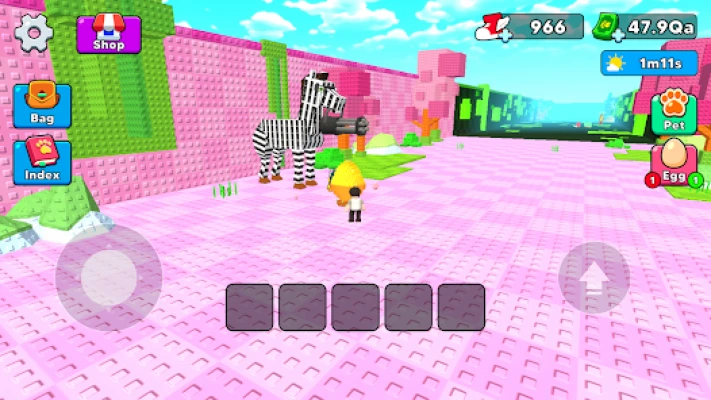
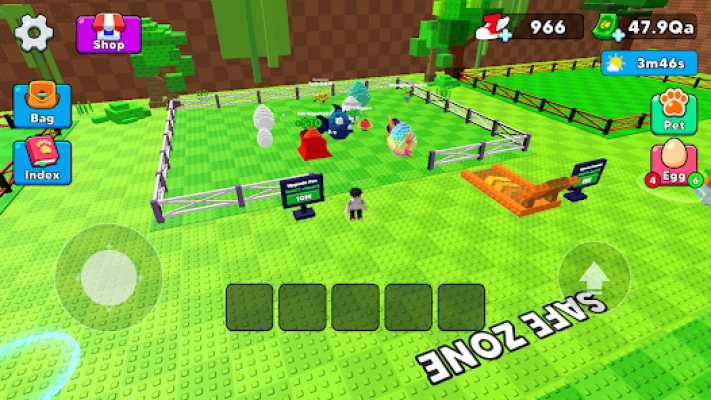
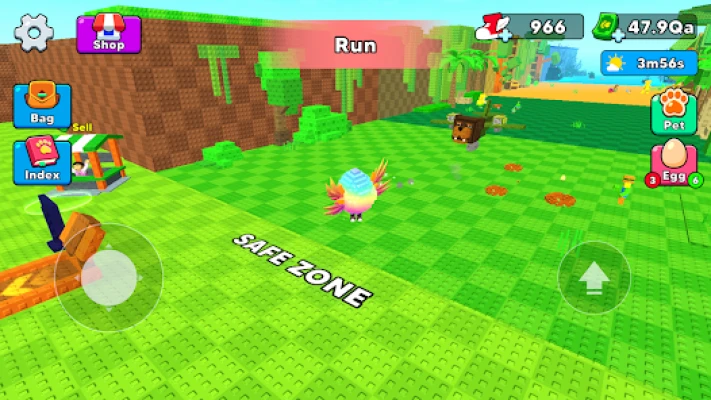
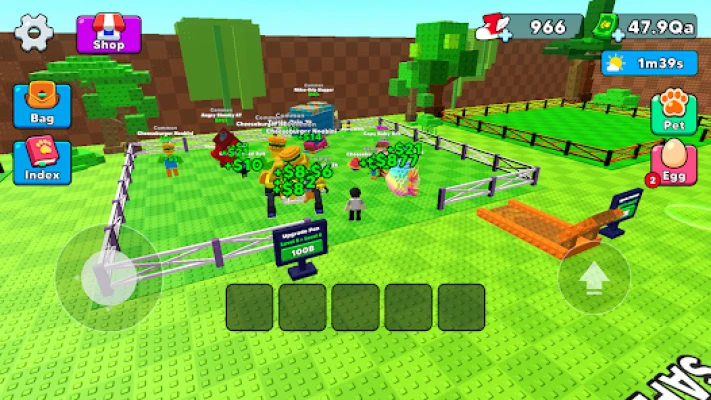
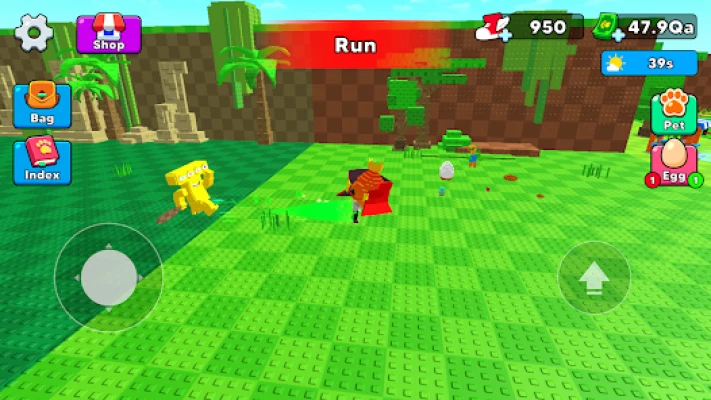
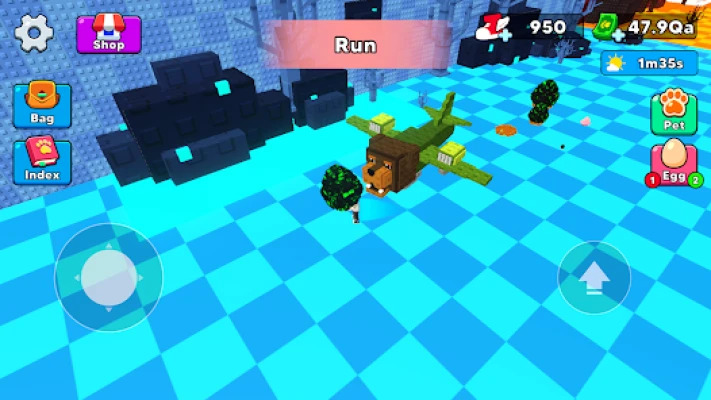
Steal Escape: Egg Speed revolves around a straightforward gameplay loop:
Find an egg → steal it → escape → return safely → improve your progress → attempt a harder run.
That simple structure makes the game easy to understand, while the speed-focused gameplay creates pressure during the escape.
The most important skills are:
- Fast movement
- Route planning
- Timing
- Reaction speed
- Knowing when to take an egg
- Avoiding unnecessary detours
- Learning the safest return route
- Improving your speed and progression
How to Play Steal Escape: Egg Speed
The best way to approach each run is to think about the entire route before you make your move.
Don't focus exclusively on the egg.
Instead, ask yourself:
- Where is the target?
- What is between me and the egg?
- Where will I go immediately after picking it up?
- Is the return route clear?
- Can I reach safety without wasting time?
This approach is especially useful in egg-stealing games because the dangerous part often begins after the egg has been collected.
The Most Important Rule: Plan the Escape First
One of the easiest mistakes is approaching an egg without knowing how you will return.
Before grabbing an egg, identify your safest route back.
A good route should ideally:
- Have few sharp turns
- Avoid unnecessary obstacles
- Give you enough room to maintain speed
- Lead directly toward safety
- Minimize the time you spend exposed
The principle of planning the return before collecting the egg is also emphasized by current community guides for the broader Steal An Egg gameplay style.
Speed Is Your Biggest Advantage
Speed is central to the game's concept.
Higher movement speed can reduce the amount of time you spend exposed after taking an egg and makes it easier to create distance from threats.
In the broader Steal An Egg gameplay system, community guides describe speed as an important progression stat, with players training speed and using it to reach stronger areas and make safer escapes.
For a speed-focused game, this creates a simple progression principle:
Better speed → faster routes → safer escapes → more successful runs.
How to Improve Your Escape Runs
1. Know Your Route Before You Steal
Do not improvise the entire escape after grabbing the egg.
Spend a few seconds identifying the route first.
2. Choose the Safest Target
The most valuable egg is not always the best target.
If reaching it requires a complicated escape route, a safer egg may produce better overall progress.
3. Avoid Unnecessary Turns
Every sharp turn costs movement efficiency.
Whenever possible, use a smooth route that keeps your character moving consistently toward the destination.
4. Keep Moving After the Pickup
Once you have the egg, don't waste time.
The objective has changed from finding the egg to getting home safely.
5. Learn From Failed Runs
If you repeatedly lose an egg at the same location, don't simply repeat the same route.
Ask whether you can:
- Approach from another direction
- Change your timing
- Use a wider route
- Increase speed
- Avoid a particular obstacle
- Leave earlier
Beginner Strategy Guide
If you're starting Steal Escape: Egg Speed for the first time, use a conservative approach.
Step 1: Learn the Movement
Before attempting difficult egg runs, become comfortable with movement.
You need to know how quickly your character accelerates, turns and changes direction.
Step 2: Start With Safe Targets
Don't immediately chase the most difficult target.
Use easier runs to understand the map and build confidence.
Step 3: Study the Return Route
Once you know where the egg is, look for the quickest reliable route back.
Step 4: Take the Egg and Commit
After collecting your target, avoid unnecessary exploration.
Head directly toward safety.
Step 5: Upgrade Your Weakest Area
If you consistently fail because you cannot move quickly enough, focus on speed.
If your problem is route selection, additional speed alone will not solve it. Practice the route.
Advanced Escape Strategy
Once you understand the basic gameplay, you can start optimizing your runs.
Use Shorter Routes Carefully
A shorter route is not automatically better.
A route that saves several seconds but contains multiple difficult turns can be less reliable than a slightly longer route with clear movement.
Think about consistency, not just theoretical speed.
Create a Mental Checkpoint
Before grabbing the egg, identify one obvious landmark on the return route.
If you become disoriented during the escape, that landmark gives you an immediate direction to follow.
Anticipate Problems
Don't wait until an obstacle is directly in front of you.
Start preparing your movement before reaching it.
Keep Your Exit in Mind
When approaching the egg, maintain awareness of the direction you need to travel afterward.
This prevents the common mistake of collecting an egg and then spending valuable seconds figuring out where to go.
How to Get Better at Egg Runs
A successful egg run has four stages:
Approach → Pickup → Escape → Delivery
You should practice each stage separately.
Approach
Move efficiently toward the egg without exposing yourself unnecessarily.
Pickup
Collect the egg as soon as the opportunity is safe.
Escape
Immediately transition into your return route.
Delivery
Don't relax until the egg has actually reached the safe destination.
A run isn't successful merely because you stole an egg.
The complete objective is to steal and escape successfully.
Common Mistakes
Chasing the Most Valuable Egg Too Early
High-value targets can be tempting, but difficult routes can produce more failures.
Build your speed and learn the environment first.
Ignoring the Return Journey
This is one of the biggest mistakes.
Always plan the way back before you take the egg.
Making Too Many Direction Changes
Rapid turns can make your movement less predictable and waste time.
Stopping After Taking the Egg
Once the egg is collected, hesitation can turn a successful theft into a failed run.
Taking the Same Failed Route
If a route repeatedly fails, experiment with another approach.
Focusing Only on Speed
Speed helps, but good route selection is equally important.
A fast player taking a bad route can still lose an egg.
Speed Upgrade Strategy
If the game provides opportunities to improve movement speed, prioritize upgrades that directly address your current limitation.
A useful progression approach is:
Early game: Learn movement and safe routes.
Mid game: Increase speed and improve consistency.
Later game: Optimize routes and use speed to tackle more demanding targets.
In the wider Steal An Egg-style progression loop, community guides describe treadmill training, speed upgrades and trails as important ways of increasing movement speed.
How to Choose the Right Egg
Don't judge an egg only by its value.
Consider three factors:
Value: How much progression or reward does it provide?
Difficulty: How difficult is it to reach?
Escape: How difficult is it to return safely?
A moderately valuable egg with a very reliable escape can be more useful than an extremely valuable egg that you frequently lose.
Fast Escape Tips
Use these quick tips when you want cleaner runs:
- Plan your return before touching the egg.
- Keep your route simple.
- Avoid unnecessary turns.
- Maintain forward momentum.
- Improve speed when it is genuinely limiting you.
- Learn the map instead of relying entirely on reactions.
- Don't take a difficult target before you're ready.
- Practice the same route until it becomes automatic.
- Treat every failed escape as information.
- Make the final return your priority.
How to Practice Efficiently
You don't need to make every attempt a high-risk run.
Use early attempts to memorize:
- Egg locations
- Obstacles
- Turns
- Open areas
- Safe approaches
- Return routes
Once the route becomes familiar, your attention can shift from navigation to speed.
That is when your runs should become much more consistent.
Difficulty Guide
The difficulty of Steal Escape: Egg Speed comes from combining movement with decision-making.
A simple egg may be easy to reach but difficult to escape with if your route is exposed.
A more distant egg may actually be easier if the return path is straightforward.
Therefore, don't judge difficulty only by distance.
Consider the entire run.
Gameplay Features to Highlight
Steal Escape: Egg Speed is built around several appealing gameplay ideas:
- Egg stealing
- Speed-focused movement
- Escape gameplay
- Route planning
- Fast-paced runs
- Progressive challenge
- Target selection
- Reaction and timing
- Replayable attempts
- Skill-based improvement
Game Information
Game: Steal Escape: Egg Speed
Developer: H2T GLOBAL PTE. LTD.
Platform: Android
Genre: Casual / Action-style mobile gameplay
Core Theme: Egg stealing and escape
Main Skill: Movement and speed
Primary Objective: Steal eggs and escape successfully
Progression Focus: Speed, successful runs and increasingly challenging targets
Google Play Developer Catalog: H2T GLOBAL PTE. LTD.
Pros and Cons
Pros
- Simple gameplay concept
- Easy-to-understand objective
- Speed-focused action
- Short, repeatable runs
- Route planning adds depth
- Easy to improve through practice
- Encourages efficient movement
Cons
- Repeated failures can become frustrating
- Speed alone cannot fix poor route selection
- Some runs require memorization and patience
- The best strategy depends heavily on learning the environment
Frequently Asked Questions
What is Steal Escape: Egg Speed?
Steal Escape: Egg Speed is a mobile game focused on stealing eggs and escaping safely while using speed and movement to complete successful runs.
What is the main objective?
The basic objective is to reach an egg, collect it and successfully escape with it rather than simply reaching the target.
Is speed important?
Yes. Speed is particularly important for a game built around escape gameplay because faster movement gives you more time to reach safety.
What should I do before stealing an egg?
Plan your return route first. Identify where you will go immediately after collecting the egg.
What is the best way to escape?
Use a simple, direct route with as few unnecessary turns as possible. Choose reliability over a risky shortcut.
Should beginners chase the hardest eggs?
It is usually better to learn the movement and easier routes first. Once you understand the map and improve your speed, more difficult targets become easier to approach.
How can I improve my gameplay?
Practice the same routes repeatedly, learn where mistakes occur, improve your movement control and increase speed when it is genuinely limiting your progress.
Final Thoughts
Steal Escape: Egg Speed is built around a simple idea that becomes more interesting when you start optimizing it: get the egg and get away before something stops you.
The biggest improvement comes from thinking about the return journey before the theft. Learn the environment, choose realistic targets, keep your movement smooth and build enough speed to make your escape routes reliable.
Once the basic routes become familiar, the game becomes less about reacting at the last second and more about making the right decision before the run even begins.
Rate the Game
User Reviews














Popular Games



















 Android
 iOS
iOS Windows
 Xbox
Xbox