
Latest Version
September 18, 2026
Brocker Bus Studio
Casual
0
com.my.cooking.pho.restaurant
Report a Problem
More About :game
The game keeps its main concept simple: customers arrive with orders, you prepare their food, and you try to keep the kitchen moving efficiently. This makes it easy to pick up while still giving players a reason to improve their timing and cooking routine.
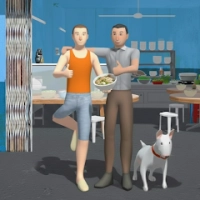
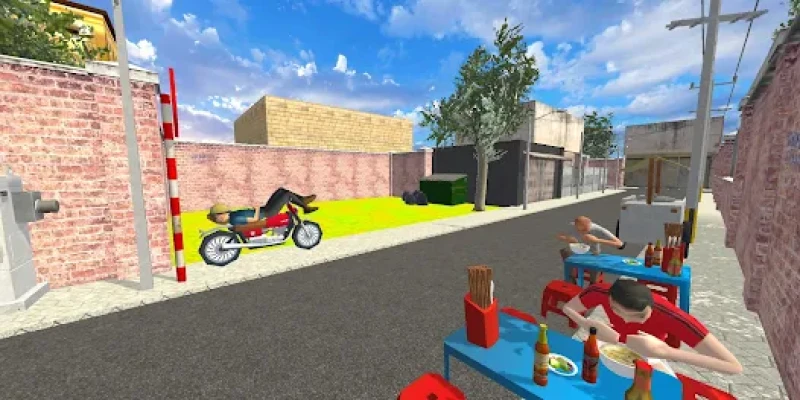
The available store information describes it as a fictional cooking game designed for entertainment, with a focus on cooking challenges and serving hungry customers.
Quick Game Information
- Game: Pho Master: Cooking Fever
- Package:
com.my.cooking.pho.restaurant - Developer: Brocker Bus Studio
- Genre: Casual cooking / role-playing
- Platform: Android
- Core gameplay: Cooking, serving customers and restaurant progression
- Theme: Vietnamese pho restaurant
- Main activity: Preparing and serving pho
- Progression: Cooking skills and challenges
- Latest listed version: 2.7 in the Google Play tracking data available in September 2026
- Approximate size: Around 194 MB in the latest tracked listing
- Content rating: Teen
- Monetization: Free with in-app purchases and advertising
What Is Pho Master: Cooking Fever?
Pho Master: Cooking Fever puts you behind the counter of a fictional pho restaurant.
Instead of managing a huge international restaurant chain, the game concentrates on one recognizable food experience: preparing bowls of Vietnamese-style noodle soup and serving customers.
The basic gameplay loop is straightforward:
Check the order → Prepare the pho → Complete the cooking steps → Serve the customer → Improve your skills → Take on new challenges
This makes the game particularly suitable for players who enjoy casual cooking games where quick decisions and accurate order handling are more important than complicated business management.
Main Gameplay Features
Cook Pho
The central activity is preparing pho for customers.
You need to follow the cooking process and complete the required steps before serving the finished bowl.
The simple structure allows new players to understand the basic controls without spending a long time learning complicated systems.
Serve Hungry Customers
Customer service is just as important as cooking.
A good chef needs to pay attention to incoming requests and make sure the correct food reaches the correct customer.
As the kitchen becomes busier, organization and timing become increasingly important.
Improve Your Cooking Skills
Progression is tied to cooking challenges and improving your abilities as you continue playing.
Rather than simply completing one restaurant level and stopping, the game encourages repeated play so that you become faster and more comfortable with the cooking routine.
Casual Restaurant Atmosphere
The game uses a playful restaurant setting rather than attempting to simulate professional restaurant management in extreme detail.
Warm kitchen visuals, food-focused gameplay and lighthearted presentation give the game a relaxed atmosphere.
Complete Pho Master: Cooking Fever Strategy Guide
1. Learn the Order Flow First
Before worrying about speed, understand how an order moves from request to completion.
Watch what the customer wants, identify the required cooking actions and complete them in the correct sequence.
Once this becomes familiar, you can concentrate on improving speed.
2. Accuracy Comes Before Speed
One of the biggest mistakes in cooking games is trying to move too quickly before understanding the process.
A fast mistake can be worse than a slower successful order.
Start by preparing correct bowls consistently.
Then gradually increase your speed.
Accuracy → Consistency → Speed
This is a much more reliable progression strategy.
3. Watch the Customer Queue
Don't focus exclusively on the bowl currently being prepared.
Keep an eye on the customers waiting for service.
Knowing what orders are coming next helps you anticipate your next action rather than waiting until the current task is finished.
4. Memorize Common Orders
As you play more rounds, some order patterns should become familiar.
When you recognize a familiar request, you can react faster because you already know the necessary preparation sequence.
This is particularly useful when several customers are waiting.
5. Avoid Unnecessary Delays
A cooking game is largely about maintaining momentum.
Try to reduce the amount of time between:
Order → Preparation → Completion → Serving
Long pauses can cause the restaurant queue to become difficult to manage.
6. Keep Your Attention on the Kitchen
It can be tempting to watch only the customer.
However, the kitchen actions are equally important.
Keep checking whether your current preparation step has finished so you can immediately move to the next action.
7. Don't Panic When Several Customers Arrive
Busy periods can make the restaurant appear more difficult than it really is.
Instead of rushing randomly, establish an order of priority.
First identify which customer has been waiting longest or which order can be completed quickly.
Then work through the queue systematically.
8. Prioritize Simple Orders When Possible
If several customers are waiting and you can quickly complete one order, finishing that order can help reduce the queue.
This gives you more breathing room to handle complicated preparations.
9. Use Early Rounds for Practice
Don't treat the first few challenges only as opportunities to progress.
Use them to learn:
- Cooking timing
- Customer behavior
- Order patterns
- Serving actions
- Kitchen flow
- Upgrade priorities
A few minutes spent learning the controls can make later stages much easier.
10. Improve Your Cooking Skills Gradually
The game is built around improving cooking skills as you progress.
Don't expect to master every challenge immediately.
Repeated play allows you to become more familiar with the kitchen routine and handle orders with greater confidence.
11. Focus on Useful Improvements
When progression gives you access to improvements, prioritize upgrades that directly affect the areas where you are struggling.
If orders take too long to prepare, favor improvements that help cooking efficiency.
If customer management is your main problem, focus on systems that make serving smoother.
12. Don't Waste Time on Unnecessary Actions
Every unnecessary tap or movement can slow down the kitchen.
Try to make each action purposeful.
A good rhythm is:
Observe → Act → Complete → Serve → Prepare for the next order
13. Learn From Failed Orders
If you fail a challenge, don't immediately repeat it without changing anything.
Ask yourself what caused the problem.
Was the issue:
- Slow preparation?
- Incorrect order handling?
- Poor attention to the queue?
- Too much time between actions?
- Difficulty managing several customers?
Identify the bottleneck and focus on improving it.
14. Keep the Restaurant Moving
The best sessions usually have a steady rhythm.
You should always know what you're doing next.
While one order is being completed, think about which customer or task comes afterward.
This reduces downtime.
15. Practice Until the Process Becomes Automatic
Cooking games become easier once the basic sequence becomes muscle memory.
After enough practice, you should be able to recognize an order and immediately know which actions need to happen next.
At that point, you can focus on speed and higher-level challenges.
Beginner Strategy
If you're completely new to Pho Master: Cooking Fever, use this simple approach.
Early Game
Learn the cooking controls and focus on serving orders correctly.
Don't worry about achieving maximum speed.
Developing Stage
Start paying more attention to the customer queue and try to anticipate upcoming orders.
Advanced Stage
Work on reducing preparation delays and improving the speed at which you move between cooking and serving.
Challenge Stage
When the restaurant becomes busier, prioritize organization and avoid making rushed mistakes.
Customer Management Tips
Customer management is a major part of any restaurant game.
When several customers are waiting:
- Check their orders.
- Identify the easiest order to complete.
- Start preparing it.
- Continue monitoring the queue.
- Serve completed food immediately.
- Move directly to the next task.
Avoid spending too much time staring at one customer while another order is already ready.
Cooking Efficiency Tips
Efficient cooking is about reducing wasted actions.
Try to develop a predictable routine:
Check → Prepare → Finish → Serve
Once you know the sequence, your movements become faster and more consistent.
Don't rush simply because a customer is waiting. Rushing often creates mistakes that take even longer to correct.
How to Progress Faster
A practical progression strategy is to focus on three things:
First: Accuracy
Learn to complete orders correctly.
Second: Timing
Reduce unnecessary waiting between actions.
Third: Skill Development
Use continued play to improve your cooking ability and handle increasingly demanding challenges.
This approach is more reliable than attempting to play at maximum speed from the beginning.
Common Beginner Mistakes
Trying to Play Too Fast
Speed is useful only when your actions remain accurate.
Ignoring the Queue
A customer waiting in the background can become a problem if you stop monitoring incoming orders.
Forgetting the Current Cooking Step
Always know what is happening in the kitchen.
Making Random Actions
Every action should contribute to completing an order.
Giving Up After a Failed Challenge
Failure can show you exactly which part of your cooking routine needs improvement.
Ignoring Progression
If the game offers improvements, use them strategically rather than simply accumulating resources.
Pho Master: Cooking Fever Tips at a Glance
Learn first: Understand the cooking sequence before chasing speed.
Watch the queue: Know what customers are requesting.
Serve promptly: Don't leave completed orders sitting unnecessarily.
Stay organized: Keep a clear idea of your next task.
Avoid panic: Busy restaurants become easier when you follow a routine.
Improve gradually: Build accuracy before focusing on speed.
Learn patterns: Familiar orders can be completed much faster.
Use upgrades wisely: Improve the areas that currently slow you down.
Replay difficult challenges: Repetition helps turn complicated sequences into familiar routines.
Game Atmosphere
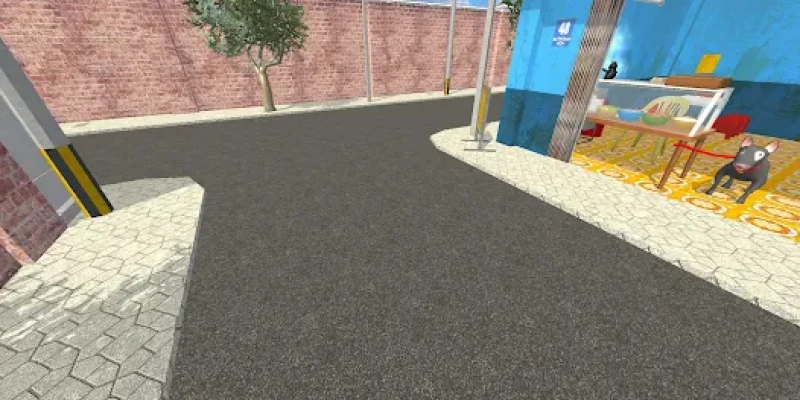
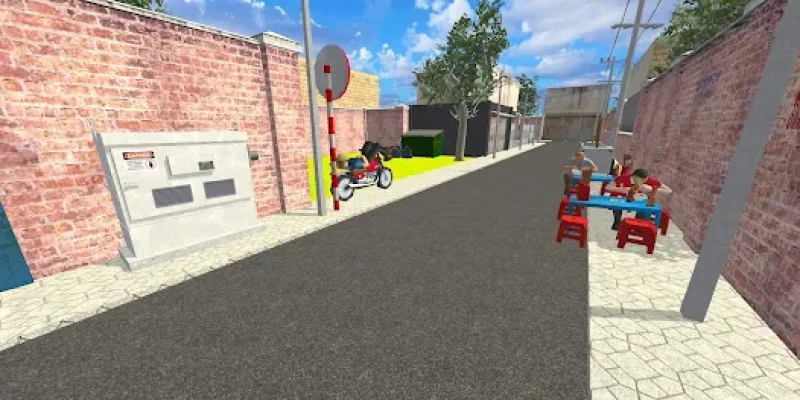
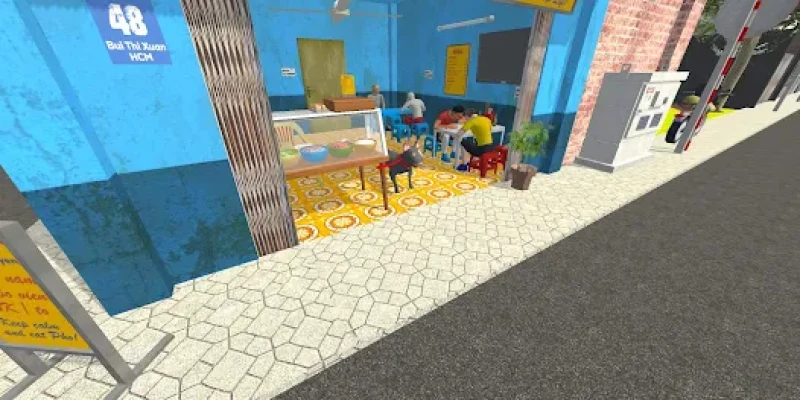
Pho Master: Cooking Fever focuses on a cozy, playful restaurant environment rather than a serious professional kitchen simulation.
Its Vietnamese-style pho theme gives the game a distinctive identity among casual cooking titles. Available descriptions emphasize a fictional and entertaining restaurant experience centered on cooking pho and serving customers.
For players who enjoy food-themed mobile games, the focused setting makes the gameplay easy to understand from the moment the first order arrives.
Updates and Current Version
The available Google Play tracking information lists version 2.7, with the latest tracked update dated June 2, 2026. The listing records the game at more than one million estimated downloads and around 4,693 ratings in the tracked data available on September 14, 2026.
Earlier versions were also released throughout 2026, showing continued development of the game.
Player Experience
Available third-party tracking currently shows a rating around 3.64/5 from approximately 4,693 ratings. Player feedback should be treated as individual experience rather than a definitive assessment of the game.
The game's core appeal is its straightforward cooking loop: prepare pho, serve customers and improve your cooking skills.
Frequently Asked Questions
What is Pho Master: Cooking Fever?
Pho Master: Cooking Fever is a casual cooking game centered around preparing Vietnamese-style pho, serving customers and improving your cooking skills.
What is the package name for Pho Master: Cooking Fever?
The Android package name is com.my.cooking.pho.restaurant.
Who developed Pho Master: Cooking Fever?
The game was developed by Brocker Bus Studio.
Is Pho Master: Cooking Fever a cooking simulator?
Yes. It is described as a casual pho cooking simulator focused on preparing food, serving customers and improving cooking skills.
What do you do in Pho Master: Cooking Fever?
You prepare pho, handle customer orders, serve finished dishes and progress through cooking challenges.
Is Pho Master: Cooking Fever free?
The game is available as a free Android game with advertising and in-app purchases indicated in available store-tracking information.
What Android version does the game require?
Available listing information indicates Android 8.0 or later.
Does Pho Master: Cooking Fever have restaurant upgrades?
The game's descriptions mention improving cooking skills and progressing through chef challenges. The available information does not document a detailed restaurant-management upgrade tree, so it is better to describe progression primarily around cooking skills and challenges.
Is Pho Master: Cooking Fever based on a real restaurant?
No. The available description identifies it as a fictional cooking game created for entertainment.
Final Thoughts
Pho Master: Cooking Fever keeps its concept focused: step into a pho kitchen, prepare orders, serve hungry customers and improve your cooking skills.
The most effective way to play is to build accuracy first and speed second. Once the cooking sequence becomes familiar, concentrate on customer queues, reduce unnecessary actions and maintain a steady kitchen rhythm.
For fans of cooking games, restaurant simulators, chef challenges and casual food games, the Vietnamese pho theme gives this title a straightforward identity while keeping the gameplay accessible for short mobile sessions.
Rate the Game
User Reviews















Popular Games



















 Android
 iOS
iOS Windows
 Xbox
Xbox