

Latest Version
December 11, 2025
MOBIRIX
Puzzle
iOS
0
Report a Problem
More About :game
What Is Bricks Breaker Power?
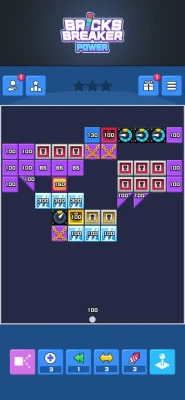
Bricks Breaker Power is a brick-breaking game that challenges players to combine accurate aiming with smart decisions. Instead of simply firing balls toward the nearest bricks, you must choose launch angles that allow the balls to bounce around the playing field and hit as many targets as possible.
Every shot can influence how the next part of a level unfolds. A well-aimed ball may travel through narrow openings, strike several bricks, and continue bouncing among targets. A poorly chosen angle, on the other hand, may limit the number of hits and leave dangerous bricks closer to the bottom.
The game is developed by MOBIRIX and features numerous stages, different types of balls, special blocks, and distinctive challenges such as bomb stages and art maps. Its one-handed controls make it convenient for quick gaming sessions, while its strategic aiming mechanics reward players who take time to study the board.
Bricks Breaker Power is designed for players who enjoy arcade action, casual puzzles, and games that are easy to start but require practice to master.
How to Play Bricks Breaker Power
The objective is to destroy the descending bricks before they reach the bottom of the screen. Each brick may require one or more hits, depending on its durability and the rules of the current stage.
To begin a shot, examine the arrangement of bricks and adjust the launch angle. Touch the screen to direct the ball toward your chosen target and release it to launch. The ball travels through the playing field, colliding with bricks and reflecting off the walls.
Wall rebounds are especially important because they allow a ball to reach areas that would otherwise be difficult to hit directly. A good angle can send balls behind the front rows of bricks, where repeated collisions may destroy several targets during one shot.
After the balls complete their movement, prepare for the next launch. Pay attention to the remaining bricks, their positions, and how close they are to the bottom. Destroy all the required bricks to advance to the next stage.
The main challenge is preventing bricks from reaching the bottom of the screen. If a brick falls to the bottom, the game ends, so every launch should contribute toward clearing the board efficiently.
Main Features of Bricks Breaker Power
Extensive Stage Selection
Bricks Breaker Power offers numerous stages, giving players plenty of opportunities to practice aiming and encounter different brick arrangements. As the layouts change, players must adapt their launch angles instead of relying on a single strategy.
Different Types of Balls
The game provides different ball types that introduce alternative ways to attack the bricks. Learning how these options work can help you choose a more effective approach for difficult layouts.
Special Blocks
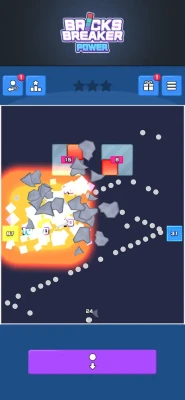
Special blocks add variety to the usual brick-breaking mechanics. The game includes features such as guided missiles, lasers, and hidden blocks, which can affect how you approach a stage.
Bomb Stages
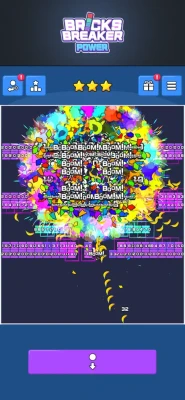
Bomb stages introduce additional challenges and encourage players to pay attention to special elements on the board. These stages reward careful targeting and an understanding of how the available mechanics interact.
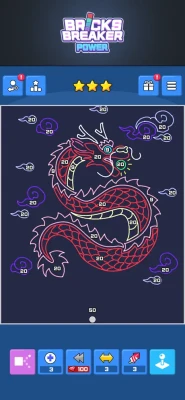
Art Maps
Art maps provide distinctive visual arrangements that make the board more interesting to explore. Their layouts also give players new aiming problems to solve.
Offline Gameplay
The game supports offline play, allowing you to enjoy its core brick-breaking mechanics without needing a Wi-Fi connection. Features that depend on online services, such as weekly rankings, may require internet access.
Weekly Rankings
Weekly rankings allow players to compare their performance with other participants. Improving your aiming accuracy, clearing stages efficiently, and learning from unsuccessful runs can help you work toward better results.
Simple One-Handed Controls
The controls are easy to understand and suitable for mobile devices. You can focus on selecting an effective angle instead of managing complicated button combinations.
Achievements and In-App Purchases
The iOS version supports Game Center achievements and includes optional in-app purchases. The game is free to download, with advertising and additional paid options available.
Understanding the Ball Physics
The key to success in Bricks Breaker Power is understanding how a ball travels after launch. Each collision changes its direction, allowing it to hit more bricks before returning toward the lower part of the screen.
A direct shot can be useful when a particular brick needs immediate attention. However, shots that create repeated rebounds may produce more hits and clear a larger section of the board.
The most effective angle depends on the current layout. An opening between bricks can provide access to the space behind them, while a shot directed too steeply toward a solid front row may produce fewer useful collisions.
Think of every launch as an opportunity to guide the ball through the board rather than simply hit the closest target.
Complete Strategy Guide for Bricks Breaker Power
Aim for Openings Behind the Bricks
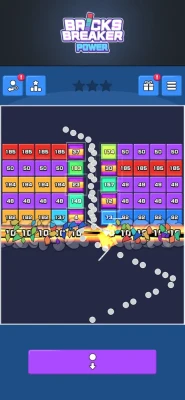
One of the strongest strategies is to send the ball through an opening that leads into the space behind the main group of bricks. Once there, the ball can bounce between the upper boundary, side walls, and remaining targets.
This creates opportunities for repeated hits from different directions. Bricks that are protected by other blocks may become accessible without requiring a direct shot at each one.
Before launching, look for narrow gaps that provide access to the upper part of the board. Even a small opening can make a significant difference when the angle is correct.
Use Wall Rebounds to Your Advantage
The left and right walls are important tools for controlling the ball's path. A shot that hits a wall can change direction and approach bricks from an unexpected angle.
Rather than avoiding wall collisions, look for ways to use them. A carefully chosen diagonal shot may send the ball across multiple rows, increasing the number of opportunities to hit targets.
Practice recognizing angles that produce useful rebounds instead of immediately returning the ball toward the bottom.
Focus on Getting Balls Above the Bricks
Getting balls into the upper part of the playing field is one of the most valuable techniques in the game. When balls move behind the main rows of bricks, they can strike targets from above and from the sides.
This often creates longer sequences of collisions than repeatedly hitting the front of the formation. It can also help weaken bricks that are otherwise difficult to reach.
Whenever possible, prioritize openings that allow your shots to reach the space above or behind the brick formation.
Target Dangerous Bricks First
Some bricks may be positioned closer to the bottom than others. These deserve particular attention because allowing them to descend further increases the risk of ending the run.
Look for a shot that can remove the most immediate threats without wasting opportunities to reach other targets. If a dangerous brick sits near a useful opening, a carefully directed ball may help clear it while also reaching nearby blocks.
Do not focus exclusively on the easiest targets. A large number of destroyed bricks is less useful if a remaining brick reaches the bottom.
Choose Angles That Maximize Repeated Hits
A good shot should ideally create multiple collisions. Look for diagonal paths that allow the ball to cross several rows and bounce between different surfaces.
A nearly vertical shot may work well in a narrow opening, while a more horizontal trajectory can be useful when you want to cover a wider section of the board. The best choice depends on the arrangement of bricks and the access points available.
Avoid selecting an angle simply because it appears powerful. Consider where the ball will travel after its first collision and whether the subsequent rebounds will reach useful targets.
Study the Entire Board Before Launching
Before every shot, take a moment to inspect the remaining bricks. Identify the most dangerous positions, the largest clusters, and any gaps that could provide access to the upper area.
Then consider how the ball will move after entering the formation. This extra planning can help you avoid shots that hit only a small number of bricks and return without clearing much of the board.
With practice, you will become better at predicting likely trajectories and choosing productive launch angles.
Use Special Balls Strategically
Different ball types offer different attack possibilities. Instead of using every available option immediately, consider which type is most useful for the current layout.
If a stage contains a dense group of bricks, choose an available attack that can help damage multiple targets. If the board contains difficult or separated targets, consider which ball type may make those positions easier to reach.
Learn the behavior of each available ball through practice. Understanding its strengths will help you make better choices when a stage becomes challenging.
Take Advantage of Guided Missiles and Lasers
Guided missiles and lasers add special attack mechanics to the game. These features can provide additional ways to damage bricks beyond ordinary ball collisions.
When these mechanics are available, pay attention to the targets they can reach and how they interact with the current layout. Use them to complement your normal aiming strategy rather than treating them as a substitute for careful positioning.
The best approach is to understand the specific effect shown in the game and apply it when it provides a clear advantage.
Approach Bomb Stages Carefully
Bomb stages require extra attention because their special elements can change the way you plan a shot. Study the board before launching and identify which targets or areas need the most attention.
Avoid rushing into an uncertain shot when a special block could affect the outcome. Look for a trajectory that makes productive use of the available mechanics while keeping the main objective in mind.
As you encounter more bomb stages, you can develop a better understanding of their patterns and the most effective ways to handle them.
Adapt to Hidden Blocks
Hidden blocks can make a stage less predictable because their positions or properties may not be immediately obvious. Pay attention to the information available on the board and observe how your shots interact with the layout.
Do not assume that a familiar arrangement will behave exactly like a previous stage. Adjust your approach as new information becomes available and prioritize safe, useful shots over guesses that may leave dangerous bricks untouched.
Make Every Shot Count
A productive shot should either remove important bricks, create access to difficult areas, or improve your position for the next launch.
Before releasing the ball, ask yourself whether the selected angle offers a useful path through the board. Even when it is impossible to reach every target in one attempt, choosing a trajectory with several potential collisions can improve your results.
This approach is particularly valuable in later stages, where poor angles can leave fewer opportunities to recover.
Advanced Techniques for Better Results
Find the Best Entry Angle
The entry angle determines how the ball approaches the brick formation. A small adjustment can change whether it enters a gap, rebounds away from the target, or reaches the upper area.
Experiment with different angles when you encounter a difficult arrangement. Look for the entry point that provides the best access to multiple targets rather than focusing on one immediate collision.
Create Long Rebound Sequences
Long rebound sequences can allow the ball to strike several bricks before returning. These sequences are especially useful when the ball reaches an area surrounded by targets.
To encourage this result, aim for openings that let the ball travel through the formation instead of immediately exiting toward the bottom. Side-wall rebounds can also help keep the ball moving across the playing field.
Although you cannot guarantee a particular sequence, careful angle selection improves your chances of producing useful collisions.
Clear Dense Groups Efficiently
When many bricks are clustered together, look for an entry angle that sends the ball into the group. Once inside, the ball may hit neighboring targets from several directions.
This can be more effective than attacking the outer bricks individually. However, if some blocks are significantly closer to the bottom, prioritize those threats before spending too much time on safer areas.
Recognize When a Direct Shot Is Better
Not every situation requires a complicated bank shot. Sometimes a direct trajectory is the most effective way to reach a dangerous brick or enter a narrow opening.
Compare the likely outcomes before deciding. If a complicated angle offers few additional hits, a straightforward shot may be more reliable.
Good players use both direct attacks and calculated rebounds depending on what the board requires.
Develop Consistent Aiming Habits
Consistency matters more than trying a completely different angle on every shot. Learn to recognize common layouts, useful entry points, and the types of rebounds that tend to produce productive results.
When a shot works well, consider why it succeeded. Was the opening unusually wide? Did the ball enter the upper area? Did the side wall create additional opportunities?
Understanding the reason behind a successful shot helps you apply the same principles to future stages.
Common Mistakes to Avoid
Shooting Directly at the Front Every Time
Repeatedly targeting the front row may destroy some bricks, but it can prevent your balls from reaching targets farther back. Look for gaps and angles that provide access to the upper part of the formation.
Ignoring Bricks Near the Bottom
Focusing on distant targets while dangerous bricks continue descending can end an otherwise promising run. Keep track of the lowest bricks and give them priority when necessary.
Using the Same Angle on Every Stage
Different formations require different approaches. A shot that works well on an open board may be ineffective against a tightly packed layout.
Failing to Consider the Rebound Path
The first collision is only part of the shot. Always consider how the ball might travel afterward and whether the remaining path provides additional opportunities to hit bricks.
Overlooking Special Mechanics
Special balls, missiles, lasers, and other blocks can provide useful tactical options. Ignoring these features may make some stages more difficult than necessary.
Rushing the Launch
The controls are simple, but a rushed shot can waste a valuable opportunity. Take a moment to examine the board and choose an angle with a clear purpose.
Repeating Failed Shots Without Adjusting
If a particular trajectory repeatedly produces poor results, change your approach. Try a different entry point, alter the angle, or focus on a more immediate threat.
How to Progress Through Difficult Stages
Start by Identifying the Main Threat
Examine the arrangement of bricks and determine which ones are closest to the bottom. These are often the most urgent targets.
Search for an Opening
Look for gaps between the bricks that could allow balls to enter the upper area. Reaching this space can create more opportunities for repeated collisions.
Select a Practical Angle
Choose a trajectory that balances immediate damage with access to other targets. Avoid aiming at a distant cluster if doing so leaves a more dangerous area untouched.
Use Special Features When Appropriate
If the stage includes special balls, missiles, lasers, or bomb mechanics, consider how they can help solve the specific problem in front of you.
Review the Outcome
After each shot, observe which areas were cleared and where the remaining threats are located. Adjust your next decision according to the new layout instead of relying on your original plan.
Build Experience Across Stages
Every stage provides an opportunity to improve your understanding of angles, rebounds, and special mechanics. Recognizing familiar patterns makes it easier to react effectively when similar layouts appear again.
Tips for Improving Weekly Rankings
Bricks Breaker Power includes weekly rankings that allow players to compare their performance. If you want to improve your standing, focus on making productive shots consistently.
Learn to identify effective angles quickly, use the walls to extend ball movement, and take advantage of opportunities to reach the upper part of the board. Avoid wasting launches on targets that are easy to hit but strategically unimportant.
It is also helpful to review your weaker stages and practice the techniques that caused problems. Better consistency across multiple stages can be more useful than relying on a few unusually successful shots.
Check the ranking information available in the game to understand how your performance is evaluated. The exact scoring or ranking rules may vary by feature, so use the in-game information rather than assuming every mode follows the same system.
Is Bricks Breaker Power Suitable for Beginners?
Yes. Bricks Breaker Power has simple controls that make it approachable for new players. Aiming and launching the ball are easy to understand, and the basic objective is straightforward.
The strategic challenge comes from learning how to use angles, wall rebounds, and special features effectively. Beginners can start with simple shots and gradually learn how to reach difficult areas and create longer sequences of collisions.
Because the game supports offline play, it can also be a convenient choice for casual gaming sessions without a constant internet connection.
Is Bricks Breaker Power Free to Play?
Bricks Breaker Power is available as a free download on the Apple App Store. The game contains advertisements and optional in-app purchases, including ruby packs, a starter package, and an advertisement-removal option.
You can begin playing without purchasing additional content. Optional purchases are available for players who want to explore the game's paid offerings, but careful aiming and strategic decisions remain central to the gameplay.
Frequently Asked Questions
What is Bricks Breaker Power?
Bricks Breaker Power is an arcade puzzle game by MOBIRIX in which players aim and launch balls to destroy descending bricks before they reach the bottom of the screen.
How do you aim in Bricks Breaker Power?
Adjust the launch angle by directing your shot toward the desired area of the board, then touch the screen to launch the ball. The ball bounces off walls and bricks, so consider its likely path after the first collision.
What is the best strategy for Bricks Breaker Power?
Look for openings that allow balls to reach the upper area of the board. Use wall rebounds to hit multiple targets, prioritize dangerous bricks, and choose angles that create several opportunities for collisions.
How do you destroy more bricks with one shot?
Aim through gaps that allow the ball to enter the formation and bounce among targets. Reaching the space behind the front rows often creates more opportunities for repeated hits.
What happens if a brick reaches the bottom?
If a brick falls to the bottom of the screen, the game ends. Pay attention to the lowest bricks and avoid concentrating exclusively on targets farther up the board.
Does Bricks Breaker Power have special balls?
Yes. The game offers different types of balls that provide varied attack possibilities. Experiment with the available options to understand which are most useful for different layouts.
What are the special blocks in Bricks Breaker Power?
The game includes special features such as guided missiles, hidden blocks, and lasers. These mechanics add variety to the usual brick-breaking gameplay and can influence your strategy.
Can you play Bricks Breaker Power offline?
Yes. The game supports offline gameplay without requiring Wi-Fi for its core experience. Online features, including weekly rankings, may require an internet connection.
Does Bricks Breaker Power have leaderboards?
Yes. The game offers weekly rankings that allow players to compare their performance with other players.
Is Bricks Breaker Power available on iPhone and iPad?
Yes. The Apple App Store listing supports iPhone and iPad, making it possible to enjoy the game on compatible Apple mobile devices.
Does Bricks Breaker Power support achievements?
Yes. The iOS version supports Game Center achievements, providing additional goals for players who enjoy tracking their progress.
Is Bricks Breaker Power good for casual players?
Yes. Its straightforward controls, large selection of stages, and offline support make it suitable for casual players. The aiming mechanics also offer enough strategic depth to keep experienced puzzle fans interested.
Final Thoughts
Bricks Breaker Power combines familiar brick-breaking action with strategic aiming, useful rebounds, special balls, and varied stage layouts. Its simple controls make it easy to start playing, while the need to choose productive angles provides an ongoing challenge.
For the best results, focus on reaching the upper part of the board, using walls to create additional collisions, and clearing dangerous bricks before they reach the bottom. Learn how special mechanics work, adjust your shots to suit each layout, and use unsuccessful attempts as opportunities to improve.
With patience and practice, you can become more accurate, handle difficult stages more confidently, and enjoy a more rewarding brick-breaking experience.
Rate the Game
User Reviews













Popular Games



















 Android
 iOS
 Windows
 Xbox