

Latest Version
December 11, 2025
MOBIRIX
Puzzle
iOS
0
Report a Problem
More About :game
What Is Block Crush Quest?
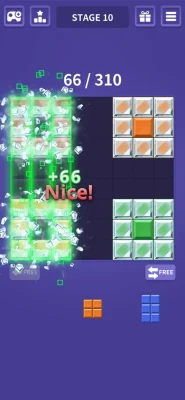
Block Crush Quest is a block-fitting puzzle game built around spatial awareness, logical thinking, and smart decision-making. Players place various block shapes onto a board and attempt to complete horizontal rows or vertical columns. Whenever a line is filled, it disappears and creates additional room for future moves.
Although the basic rules are straightforward, the challenge increases as the board becomes crowded and the available spaces become more difficult to manage. Every placement matters because a poorly positioned block can restrict future options and make it harder to fit larger shapes.
Developed by MOBIRIX, Block Crush Quest combines familiar block puzzle mechanics with stage-based challenges and competitive scoring. Players can enjoy a relaxed solo experience or work toward better results on the game's ranking boards.
The game is suitable for short breaks as well as longer puzzle sessions. There is no need to react quickly to a countdown, allowing players to examine the board, compare possible placements, and choose their moves at a comfortable pace.
How to Play Block Crush Quest
The main objective is to place the available blocks on the board without running out of usable space. Each block has a specific shape, so players must find an arrangement that fits the existing grid.
Drag a block from the available pieces and drop it into a suitable position on the board. Blocks occupy the cells they cover, and their placement should be planned around the empty spaces that remain.
Complete an entire horizontal row or vertical column to clear it. Removing lines frees up cells and makes room for additional pieces. Clearing lines efficiently is one of the most important skills in the game.
Continue placing blocks and completing lines for as long as possible. In Classic Mode, the goal is to achieve a high score while keeping the board playable. In Stage Mode, focus on the requirements of the current puzzle and progress through the available challenges.
The game ends in Classic Mode when none of the available pieces can fit into the remaining empty spaces. If a stage becomes too difficult, the game also provides an option to restart the stage and try a different approach.
Main Game Modes
Stage Mode
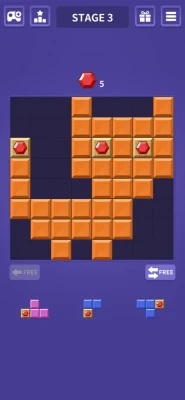
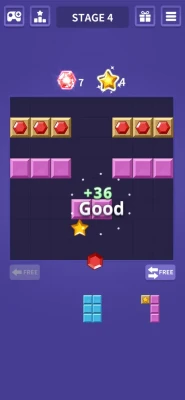
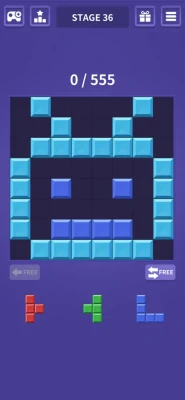
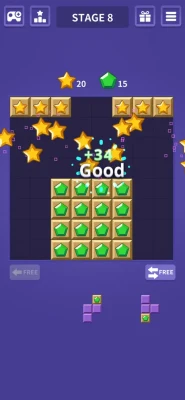
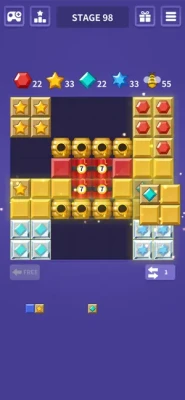
Stage Mode offers a progression-based puzzle experience in which players advance through multiple challenges. Each stage encourages careful block placement and an understanding of how different shapes interact with the board.
As you progress, pay attention to the specific layout and any puzzle gimmicks introduced by the current stage. A strategy that works on a spacious board may not be effective when the available area is limited or the layout contains unusual restrictions.
The best approach is to inspect the board before making your first move. Identify the most difficult spaces to fill, look for opportunities to complete lines, and avoid blocking areas that may be essential later.
If your current arrangement makes the puzzle difficult to complete, restarting can be a useful way to test a different sequence of placements.
Classic Mode
Classic Mode focuses on reaching a high score by placing blocks and clearing lines for as long as possible. The board gradually becomes more difficult to manage as open spaces disappear.
Unlike a stage with a defined objective, Classic Mode rewards consistent decisions over an extended run. Clearing one line may solve an immediate problem, but preserving room for the next set of pieces is equally important.
Try to maintain several useful placement options rather than filling every available gap. A board with a balanced layout is usually easier to manage than one containing many isolated spaces and narrow openings.
Rankings and Achievements
Block Crush Quest includes ranking features that allow players to compare their performance with other players. These include weekly rankings, weekly Classic Mode rankings, and records for the highest stages and Classic Mode scores.
Achievements provide additional goals to pursue while playing. Rather than concentrating exclusively on one high score, you can gradually improve your results, complete more stages, and work toward personal milestones.
Check the available ranking categories to understand which type of progress you want to improve. A strong Classic Mode score requires a different approach from advancing through challenging stages.
Best Strategies for Block Crush Quest
Plan Several Moves Ahead
One of the most effective ways to improve is to consider more than the block you are placing right now. Before dropping a piece, examine the remaining shapes and decide how your move will affect the next placement.
Look for positions that allow you to complete a row or column while keeping other areas open. If a move clears a line but leaves awkward gaps that cannot accommodate future pieces, it may not be the best long-term choice.
You do not need to predict every possible outcome. Simply checking the next few possibilities can prevent many avoidable mistakes.
Prioritize Difficult Block Shapes
Some shapes are easier to place than others. Small square pieces often fit into a variety of openings, while long bars, large rectangles, and irregular shapes may require more specific arrangements.
When a difficult shape is available, look for a suitable space before placing the easier pieces. This prevents you from filling the exact area needed by a less flexible block.
A useful habit is to identify the piece with the fewest possible placements and deal with it first whenever the board allows.
Keep the Board Open
Open space is one of your most valuable resources. Try to preserve large connected areas where several different shapes can fit.
Avoid dividing the board into small pockets unless you are confident those pockets can be used. A board filled with narrow channels and isolated empty cells can become difficult to recover, even when it initially looks as though plenty of space remains.
When choosing between two placements, favor the one that leaves more useful shapes and sizes of open space.
Clear Multiple Lines When Possible
Completing more than one row or column with a single placement can free a substantial amount of space. Look for intersections where one block can finish a horizontal line and a vertical line together.
However, do not chase a large clear if doing so leaves the remaining board in a poor condition. A simple line clear that preserves flexibility can be more valuable than a bigger clear that creates difficult gaps.
The strongest decisions balance immediate rewards with the board's future layout.
Avoid Isolated Empty Cells
Single empty cells surrounded by occupied spaces are often difficult to fill because most blocks cover multiple cells. Too many isolated gaps reduce the number of valid placements available.
Whenever possible, use blocks to complete lines before the board develops these awkward patterns. If isolated spaces already exist, look for placements that clear their surrounding rows or columns and remove the problem.
Try to create broad, connected spaces rather than leaving small gaps scattered across the grid.
Balance Immediate Clears and Long-Term Planning
It can be tempting to clear every line as soon as an opportunity appears. Although clearing lines is essential, sometimes a slightly different placement produces a better arrangement for subsequent pieces.
Evaluate both outcomes. Consider how much space the clear creates, whether the remaining pieces still fit comfortably, and whether the resulting board contains useful openings.
Over time, learning to recognize these trade-offs will help you make more consistent decisions.
Advanced Tips for Higher Scores
Study Every Available Piece Before Moving
Do not focus only on the first block you see. Examine all the pieces currently available and consider their different requirements.
A small block may fit almost anywhere, while a long or irregular piece might have only one practical location. Place the most restrictive piece first when doing so will not interfere with a more valuable line-clearing opportunity.
This simple habit reduces the risk of reaching a position where one remaining piece cannot be placed.
Build a Flexible Board Layout
Try to maintain open areas of different sizes. Large spaces accommodate bulky pieces, while smaller gaps provide useful positions for compact shapes.
A board with varied openings gives you more options when the available pieces change. By contrast, a board with only narrow corridors may force you into increasingly difficult placements.
You should not attempt to keep every part of the board empty. Instead, aim to use space efficiently without sacrificing flexibility.
Use Line Clears to Repair the Board
Line clearing is not only a way to earn points. It is also a practical method for correcting a crowded or awkward layout.
If a row or column contains only a few empty cells, consider whether your current pieces can complete it. Removing that line may open new placement opportunities and prevent the board from becoming increasingly fragmented.
Look for these recovery opportunities whenever you notice that the available space is shrinking.
Learn From Failed Runs
A failed run can reveal which decisions caused the board to become unmanageable. Think about the point where your options started disappearing.
Perhaps you placed a large piece too early, ignored a narrow opening needed by another shape, or focused on a single clear instead of preserving open space.
Use that information in your next attempt. In Stage Mode, restarting a difficult puzzle gives you the opportunity to test a different sequence and discover a more effective solution.
Improve Your Classic Mode Consistency
High scores generally come from making good decisions repeatedly rather than relying on one impressive move.
Focus on keeping the board playable, placing restrictive shapes carefully, and clearing lines before useful spaces disappear. Avoid unnecessary placements that create awkward gaps simply because they are immediately available.
If you want to improve your personal record, concentrate on extending your run through steady board management.
Common Mistakes to Avoid
Filling the Center Without a Plan
Placing blocks in the center may seem convenient, but doing so can divide the board and restrict access to other spaces. Think about how each placement affects the surrounding area before committing to it.
Ignoring Large Shapes
Large pieces can become difficult to accommodate when the board is nearly full. Reserve suitable areas for them whenever possible rather than assuming they will fit later.
Chasing Every Possible Line Clear
A line clear is useful, but it is not always worth sacrificing the board's overall layout. Consider whether the resulting spaces will accommodate the remaining shapes.
Leaving Narrow Gaps Everywhere
Scattered single-cell openings and thin channels can make future placements difficult. Try to clear lines in ways that keep the remaining empty cells connected and usable.
Making Moves Too Quickly
Even without a countdown, it is easy to place a block in the first available location. Take a moment to compare the alternatives, especially when a move could affect several future placements.
Repeating the Same Strategy on Every Stage
Different stage layouts may require different solutions. Adapt your approach to the available spaces, the shapes you receive, and the objective of the current puzzle.
Stage Mode Walkthrough Approach
Because Stage Mode contains multiple challenges and may introduce different layouts or gimmicks, there is no single placement sequence that works for every stage. The following method provides a practical way to approach unfamiliar puzzles.
Examine the Starting Board
Study the available grid and identify its most restricted areas. Look for spaces that can accommodate larger shapes and rows or columns that are close to completion.
Identify the Most Restrictive Pieces
Determine which available shapes have the fewest possible placements. Try to secure suitable positions for these pieces before using up the required space with smaller blocks.
Look for Early Line Clears
An early clear can create room and make the rest of the puzzle easier to manage. Prioritize clears that also preserve access to important parts of the board.
Adjust to the Stage Layout
If the board contains unusual gaps or other special elements, adapt your placements accordingly. Avoid assuming that the best opening move from a previous stage will also work on the current one.
Restart When Necessary
If you reach a position where the remaining pieces cannot be placed effectively, restarting the stage can be more productive than continuing with a poor arrangement. Try changing the order of placements or selecting different positions for the early blocks.
Review the Result
After completing a stage, consider which decisions helped you progress. Recognizing effective patterns will make similar puzzles easier to solve in the future.
How to Improve Your Ranking
Players who want better leaderboard results should focus on the mode they intend to compete in.
For Classic Mode rankings, prioritize survival and consistent line clearing. A single poor placement can end a promising run, so preserve flexible spaces and avoid unnecessary risks.
For highest-stage rankings, concentrate on completing puzzles reliably. Examine the requirements of each stage, make deliberate placements, and use restarts to learn from difficult arrangements.
For weekly rankings, check the available ranking categories and track your own progress throughout the week. Achievements can also provide useful personal goals beyond leaderboard competition.
The best way to improve is to develop a repeatable strategy rather than depend on luck or rushed decisions.
Controls and Accessibility
Block Crush Quest uses straightforward drag-and-drop controls. Players can select a block and move it to a suitable position on the board with a finger.
The simple control system makes the game accessible to newcomers while leaving room for advanced planning. Because the game does not rely on fast reactions, players can take their time examining the available options.
The minimalist presentation also keeps the main puzzle easy to follow, allowing attention to remain on block shapes, empty spaces, and line-clearing opportunities.
Offline Play and Game Features
Block Crush Quest is designed for convenient play, including offline sessions. This makes it a practical option for travel, waiting rooms, breaks, or other situations where an internet connection may not be available.
Its main features include Stage Mode, Classic Mode, competitive rankings, achievements, touch-based block placement, and puzzle gameplay without a countdown timer.
The game is free to download and includes advertisements and optional in-app purchases. Available purchases may vary by storefront and region.
Is Block Crush Quest Worth Playing?
Block Crush Quest is a good choice for players who enjoy traditional block puzzles and want a game that combines simple controls with thoughtful decisions. Its familiar line-clearing mechanics make it easy to understand, while the need to manage limited space creates an ongoing strategic challenge.
Stage Mode is suitable for players who prefer structured progression, while Classic Mode appeals to those who enjoy improving their personal scores. Ranking features provide additional motivation for players who want to compare their performance with others.
The game can also be enjoyed in short sessions, making it suitable for casual play without demanding constant attention or quick reflexes.
If you enjoy spatial puzzles, organizing shapes, and finding efficient ways to clear a crowded board, Block Crush Quest offers a straightforward and engaging experience.
Frequently Asked Questions
What is Block Crush Quest?
Block Crush Quest is a casual puzzle game developed by MOBIRIX. Players place differently shaped blocks on a grid, complete rows and columns, and work toward higher scores or stage progression.
How do you play Block Crush Quest?
Drag the available blocks onto the board and place them in spaces that match their shapes. Complete full rows or columns to clear them and create room for more pieces.
How do you get a higher score in Block Crush Quest?
Keep the board open, prioritize difficult shapes, clear lines efficiently, and avoid placements that create isolated gaps. Consistent planning is more reliable than focusing only on immediate clears.
What is the difference between Stage Mode and Classic Mode?
Stage Mode focuses on progressing through individual puzzles and challenges. Classic Mode emphasizes clearing lines, managing space, and achieving the highest score possible before no further placements are available.
Can you restart a stage in Block Crush Quest?
Yes. The game's listed instructions indicate that players can restart a stage when they get stuck, allowing them to try a different strategy.
Can you play Block Crush Quest offline?
Yes. The game supports offline play, so you can enjoy its puzzle mechanics without a continuous internet connection. Online-dependent features, such as rankings, may require connectivity.
Does Block Crush Quest have leaderboards?
Yes. The game includes weekly rankings, weekly Classic Mode rankings, highest-stage rankings, and highest Classic Mode rankings. These features let players compare their progress and performance.
Is Block Crush Quest free?
The game is available as a free download and includes advertisements and optional in-app purchases. Some purchases may provide additional benefits or remove advertisements.
What is the best strategy for beginners?
Start by learning how different shapes fit into the grid. Preserve large open spaces, place restrictive pieces carefully, and complete rows or columns before the board becomes too crowded.
Why does the game end in Classic Mode?
Classic Mode ends when there is not enough available space to place the remaining blocks. Maintaining a flexible board and planning several moves ahead can help you keep a run going longer.
Is Block Crush Quest suitable for casual players?
Yes. Its straightforward controls, untimed gameplay, and familiar puzzle mechanics make it suitable for casual players as well as people who enjoy more challenging block-placement strategies.
Final Thoughts
Block Crush Quest combines easy-to-learn controls with a puzzle system that rewards patience, spatial awareness, and thoughtful planning. Whether you prefer working through stages or pursuing a new Classic Mode record, the key to success is managing space effectively.
Study the available pieces, protect useful openings, clear lines when they benefit the board, and learn from mistakes instead of repeating them. With practice, you can make better placements, handle difficult shapes more confidently, and enjoy longer, more rewarding puzzle sessions.
Rate the Game
User Reviews














Popular Games



















 Android
 iOS
 Windows
 Xbox