

Latest Version
October 26, 2026
Rollic Games
Sports
iOS
0
Report a Problem
More About :game
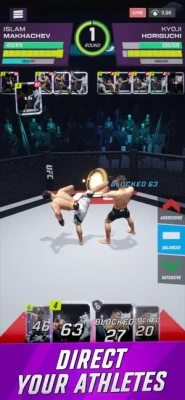
The game combines fighter development, tactical preparation, and competitive matches. You can train your athletes, unlock punches, kicks, takedowns, counters, submissions, and signature attacks, then test your setup in challenging fights. With tournaments, league progression, gym customization, and recognizable UFC stars, UFC: Manager offers a fighting experience built around improving your team and working toward championship success.
What Is UFC Manager?
UFC: Manager is a fighting management game where your main objective is to develop competitive athletes and guide them through increasingly difficult challenges. Instead of relying entirely on quick reactions, success depends on how you build your fighter, which abilities you develop, and how well your chosen style suits the opposition.
You begin by creating and customizing your athlete. From there, training and move selection help shape the way your fighter performs in the cage. You can concentrate on striking, develop grappling skills, or combine different techniques to build a more versatile competitor.
As you progress, opponents become more challenging, and your fighter's strengths and weaknesses become increasingly important. Improving your attributes, learning useful techniques, and adjusting your approach can help you climb the leagues and compete in higher-level tournaments.
How to Play UFC Manager
Create and Customize Your Fighter
Your fighter is the foundation of your progress. Start by customizing your athlete and deciding what kind of competitor you want to develop.
Think about your preferred fighting style before committing to a particular approach. A striker focuses on punches and kicks, while a grappler relies more heavily on takedowns, control, and submissions. A balanced fighter combines elements of both styles.
There is no single approach that suits every opponent. The best starting point is a style you understand and can improve consistently.
Train Your Athlete
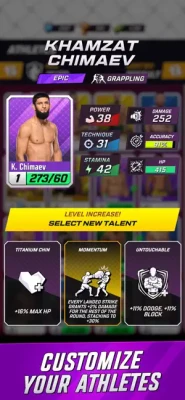
Training helps improve important attributes, including power, technique, and stamina. Each attribute contributes to your fighter's overall effectiveness, so consider what your current build needs most.
Power can support an aggressive approach, technique helps develop a more refined fighting style, and stamina is important when competing in longer bouts. Review your fighter's performance and use training to address the weaknesses that are holding you back.
Learn New Moves
UFC: Manager lets you develop an arsenal of techniques, including punches, kicks, takedowns, counters, submissions, and signature attacks.
Rather than unlocking moves without a plan, choose abilities that support your fighting style. A striker should prioritize techniques that strengthen stand-up offense, while a grappler should invest in moves that help establish and maintain control.
Prepare for Fights
Before entering a match, review your fighter's attributes, available moves, and talents. Think about which parts of your build give you an advantage and which areas might create problems against stronger opponents.
When the game provides options for adjusting your game plan, use them to make your approach more suitable for the challenge ahead.
Compete and Climb the Leagues
Winning fights helps you work toward new milestones and higher competitive levels. As you advance, expect opponents to provide tougher challenges.
If you lose a match, treat it as an opportunity to evaluate your build. Consider whether you need more stamina, stronger offensive moves, better technique, or a more balanced fighting style before trying again.
Best UFC Manager Tips and Tricks
Build Your Fighter Around One Main Strength
One of the most useful strategies is to develop a clear identity for your fighter. A specialized build can make it easier to decide which attributes, moves, and talents deserve priority.
For example, a striking-focused athlete benefits from a setup that supports effective stand-up attacks. A grappler needs techniques that help establish control and threaten opponents with takedowns or submissions.
You can add secondary skills later, but developing a strong foundation first makes your training decisions easier.
Balance Power, Technique, and Stamina
It can be tempting to spend all your training resources on power because powerful attacks seem like the fastest route to victory. However, a fighter who lacks stamina or technique may struggle when a match lasts longer than expected.
Try to maintain a sensible balance between your main attribute and the supporting stats your style requires. An aggressive striker may prioritize power while still improving stamina, whereas a grappler may benefit from strengthening technique alongside other useful attributes.
Review your performance regularly instead of following the same upgrade plan regardless of the results.
Choose Moves That Work Together
A collection of powerful moves is not necessarily better than a smaller set of abilities that complement one another.
Choose techniques that fit your preferred approach. If you focus on striking, build around attacks and counters that support that style. If you prefer grappling, concentrate on techniques related to takedowns, control, and submissions.
When adding a new move, consider whether it improves your existing setup or introduces a useful capability that your fighter currently lacks.
Do Not Ignore Stamina
Stamina deserves attention because fights can involve several rounds. A build that performs well early may become less effective if endurance is neglected.
If you regularly struggle in longer matches, review your stamina investment before spending more resources on offensive power. Improving endurance can help create a more reliable fighter over the course of a bout.
Use Losses to Identify Weaknesses
Losing a match does not always mean your fighter needs a complete rebuild. Sometimes a small adjustment is enough to improve the next attempt.
Look for patterns in your results. If your fighter struggles to finish opponents, consider improving offensive effectiveness. If you perform well early but fade later, examine stamina. If your current approach consistently fails against different opponents, you may need a more versatile move selection.
Making targeted improvements is generally more efficient than changing everything at once.
Check Your Available Training and Rewards
Make a habit of reviewing the training options, unlockable moves, quests, and other activities available in your current version of the game.
These systems can offer additional ways to strengthen your athlete or make progress toward new milestones. Focus on activities that support your current goals rather than spreading your effort across every available feature.
Adapt Your Strategy as Opponents Improve
A fighting style that works well against early opponents may not be sufficient later. Stronger competition makes it more important to identify the strengths of your build and address its weaknesses.
As you climb the leagues, reconsider whether your fighter has enough stamina, whether your move selection remains effective, and whether your talents complement your overall approach.
Consistent adjustments can help you stay competitive without abandoning the style you enjoy.
Best Fighter Builds in UFC Manager
Your ideal build depends on how you want to approach fights. The following strategies provide useful starting points rather than guaranteed winning formulas.
The Power Striker
A power striker is designed to threaten opponents with strong stand-up attacks. This approach suits players who prefer an aggressive style centered on punches, kicks, and offensive pressure.
Focus on power and the techniques that support your striking game. Maintain enough stamina to remain effective in longer bouts, and consider adding counters or other complementary moves when they become available.
The main weakness of a highly specialized striker is that concentrating too heavily on offense may leave other attributes underdeveloped. A sensible supporting investment can help make the build more reliable.
The Technical Striker
A technical striker emphasizes developing a more refined stand-up game rather than relying entirely on raw power.
Prioritize technique and choose moves that fit your preferred striking approach. Add supporting attributes as needed so that your fighter can remain effective throughout a match.
This build is suitable for players who prefer a deliberate style and want their move selection to work together as a cohesive system.
The Grappler
A grappler focuses on takedowns, control, and submissions. This style offers an alternative to relying primarily on punches and kicks.
Develop the techniques that support your grappling strategy, then strengthen the attributes that help your fighter perform consistently. Avoid neglecting all stand-up ability, especially if your available moves allow you to add useful secondary options.
A grappler works best when the overall build supports a clear plan rather than mixing unrelated techniques without a purpose.
The Balanced Fighter
A balanced fighter combines striking and grappling capabilities. This approach provides more flexibility when facing different opponents.
The challenge is resource allocation. Improving too many areas at once can make it harder to develop a standout strength.
Choose one primary style, then add a few complementary abilities to address important weaknesses. This creates a flexible build without spreading training too thinly.
How to Win More Fights in UFC Manager
Review Your Fighter Before Every Match
Before a challenging bout, take a moment to inspect your attributes and available techniques. Identify your strongest advantages and consider whether your current setup supports the type of fight you want to have.
If your fighter is built around striking, ensure your training and move choices reinforce that approach. If grappling is your main strength, make sure your available techniques support it.
Develop a Clear Game Plan
A good game plan gives your training decisions direction. Instead of improving random attributes, decide how you want your fighter to win and invest accordingly.
For a striker, that may mean developing offensive power and useful counters. For a grappler, it may mean prioritizing techniques that support takedowns and submissions. A balanced athlete can use a primary specialty with enough secondary skills to handle difficult situations.
Pay Attention to Match Length
UFC: Manager features intense fights that can last up to five rounds. Longer matches make endurance and consistent performance important considerations.
If you struggle to maintain your effectiveness late in a bout, review your stamina and training priorities. Improving your ability to compete throughout a match can be more valuable than adding another offensive move.
Make Changes Gradually
Avoid changing multiple attributes, talents, and moves after every defeat. If you adjust everything simultaneously, it becomes difficult to tell which change actually helped.
Instead, identify the most obvious weakness and address it first. Test the improved setup in another match, then decide whether further adjustments are necessary.
Keep Progressing Through Tournaments
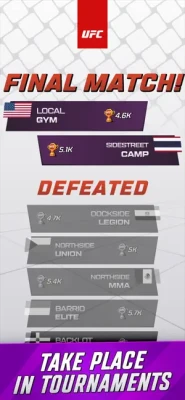
Tournaments and league challenges give you additional goals as your fighter improves. Use these opportunities to test your setup against stronger opposition and identify areas that still need work.
If a challenge proves too difficult, return to training and move selection before attempting it again. Progress is often easier when your build has a strong foundation.
Gym Management and Fighter Development
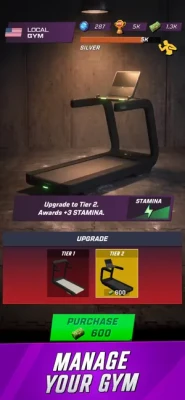
Building your gym is another important part of the UFC Manager experience. Your gym and athlete customization options help shape your progression and provide a framework for developing your fighting team.
Improve Your Gym Over Time
Customize your gym and pay attention to the improvements available in your current stage. When upgrades are offered, consider how they support your overall development rather than selecting options without a plan.
The best investment is one that contributes to your current goals and helps you continue progressing.
Focus on Your Athlete's Needs
A strong gym is useful, but your fighter's development should remain the main priority. If your athlete lacks stamina or struggles to make effective use of available moves, concentrate on improvements that address those problems.
Use gym development and fighter training as complementary parts of the same strategy.
Plan for Long-Term Progress
You do not need to maximize every available option immediately. Build a reliable fighter first, then expand your abilities as you unlock more opportunities.
This approach gives you a clearer direction and helps you avoid spending resources on features that do not support your immediate objectives.
Manual Gameplay and Automatic Fights
UFC: Manager has included a manual-gameplay mode in its version history, alongside its fight simulation experience. The exact options may vary depending on the version installed.
If manual controls are available, explore them to understand which decisions you can influence during a fight. Practice the available mechanics before relying on them in a difficult match.
For simulated fights, pay particular attention to your preparation. Fighter attributes, move selection, talents, and your overall build can have a major influence on how well your athlete performs.
Whichever approach you prefer, understanding your fighter's strengths and developing a coherent strategy will help you make better decisions.
Common UFC Manager Mistakes to Avoid
Spending Training Resources Without a Plan
Improving every attribute at random can leave your fighter without a clear specialty. Decide whether you want to focus on striking, grappling, or a balanced style before committing to major upgrades.
Ignoring Endurance
A powerful fighter can still struggle in longer bouts if stamina is neglected. Consider endurance when planning your build, particularly if your results become weaker as a fight continues.
Unlocking Too Many Unrelated Moves
A large arsenal is not automatically an effective one. Prioritize moves that support your main fighting style and add secondary techniques when they provide a clear benefit.
Refusing to Adjust After Defeats
Repeatedly entering fights with the same ineffective setup can slow your progress. Review the weaknesses revealed by each loss and make targeted improvements before trying again.
Overinvesting in a Single Attribute
Specialization is useful, but excessive focus on one stat can leave important gaps in your fighter's abilities. Strengthen your main attribute while maintaining the supporting stats required by your style.
Rushing Through the Leagues
Moving into tougher competition before your fighter is ready can lead to repeated defeats. Use training and earlier challenges to strengthen your setup before pushing toward the next milestone.
Ignoring Available Activities
Quests, tournaments, and other in-game activities may provide additional objectives and progression opportunities. Check what is available instead of focusing exclusively on individual fights.
Is UFC Manager Worth Playing?
UFC: Manager is a good option for players who enjoy mixed martial arts, athlete customization, training systems, and gradual competitive progression. The ability to develop different fighting styles gives players room to experiment with strikers, grapplers, and more balanced builds.
The game also features recognizable UFC athletes, gym customization, tournaments, and league progression. Its appeal comes from developing a fighter over time and testing the results against increasingly difficult opponents.
Players looking for a highly technical, fully manual fighting simulator should check the available gameplay modes carefully, as the experience also emphasizes fighter development and simulated matches. Manual gameplay options have been introduced in the game's updates, but the exact mechanics depend on the current version.
Overall, UFC: Manager is most appealing to players who enjoy combining character development with tactical decisions and competitive challenges.
Frequently Asked Questions
What is UFC Manager?
UFC: Manager is a sports fighting game developed by Rollic Games. Players create and customize athletes, build a gym, train fighters, unlock moves, compete in matches, and work toward higher leagues.
How do you get better at UFC Manager?
Focus on a clear fighting style, improve your important attributes, choose complementary moves, and review your results after each match. If you struggle against tougher opponents, identify the main weakness in your build before spending more training resources.
What is the best fighting style in UFC Manager?
There is no single best style for every situation. Strikers focus on stand-up offense, grapplers emphasize takedowns and submissions, and balanced fighters combine different techniques. Choose the approach that fits your preferences and develop it consistently.
Which stats should I upgrade first?
Your priorities depend on your build. Power can support an aggressive striker, technique can strengthen a technical approach, and stamina is important for maintaining performance throughout longer fights. Prioritize the attributes that address your fighter's biggest needs.
Can I customize my fighter?
Yes. The game allows you to create and customize your athlete, develop a unique fighting style, and select moves and talents that influence your approach in the cage.
Can I learn different fighting moves?
Yes. Available move types include punches, kicks, takedowns, counters, submissions, and signature attacks. Choose techniques that support your fighter's main style.
Does UFC Manager include real UFC fighters?
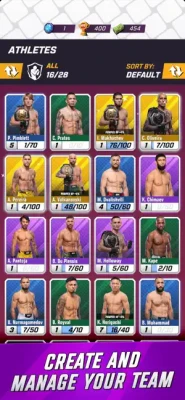
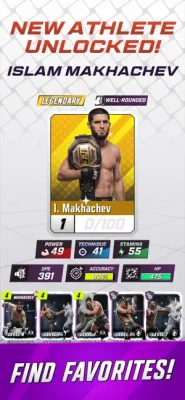
The game features recognizable UFC stars, including Islam Makhachev, Paddy Pimblett, and Max Holloway, as described in its store listing.
Can I play UFC Manager manually?
The game's version history identifies a manual-gameplay mode introduced in an update. Check the current in-game options to see which manual controls and features are available in your installed version.
How do I climb the leagues?
Train your athlete, improve your attributes, develop a coherent move selection, and win competitive matches. When progress slows, review your build and strengthen the areas that are limiting your results.
Is UFC Manager free to download?
UFC: Manager is listed as free on the Apple App Store. The game includes advertising, and additional purchase options may be available. Check the current store listing and in-game purchase menu for details.
Can I play UFC Manager on iPhone and iPad?
Yes. The Apple App Store listing supports iPhone and iPad devices and specifies iOS 15.0 or iPadOS 15.0 and later. Check your device's compatibility before installing the game.
Final Thoughts
UFC: Manager combines fighter customization, training, move selection, gym development, and competitive progression in a mixed martial arts setting. Building a successful athlete takes more than choosing powerful attacks. You need to understand your preferred fighting style, strengthen the attributes that support it, and make adjustments when opponents expose weaknesses.
Start with one clear strategy, invest in complementary moves, and pay attention to stamina as fights become more demanding. Use defeats as opportunities to improve your build, explore available gameplay modes, and take advantage of tournaments and other activities.
With a well-developed fighter and a consistent training plan, you can work toward stronger performances, tougher opponents, and higher leagues in UFC: Manager.
Rate the Game
User Reviews














Popular Games



















 Android
 iOS
 Windows
 Xbox