

Latest Version
October 25, 2026
Kyle Miceli
Sports
iOS
0
Report a Problem
More About :game
Players can choose Franchise Mode to manage a team's long-term future or Career Mode to create an athlete and work toward football greatness. Quarterback, running back, wide receiver, and kicker careers offer different ways to experience the sport. The game also includes player drafting, trades, roster management, upgrades, customizable footballs and fields, achievements, and online multiplayer.
Whether you enjoy making accurate passes, escaping defenders, building a talented roster, or guiding a player from an early career to the professional stage, PolyFootball offers several ways to enjoy American football on mobile devices.
What Is PolyFootball?
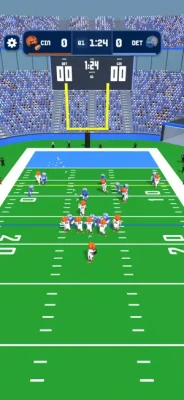
PolyFootball is a football simulation and arcade sports game built around two main experiences: controlling action on the field and managing the people who make up a successful team.
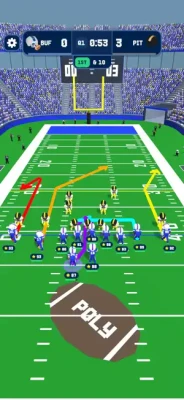
During matches, you can move players, throw passes, run with the ball, evade defenders, and make decisions that affect each possession. The controls are designed for mobile play, with options that include swiping, aiming passes, and using a joystick.
Away from the field, the game gives you opportunities to shape a team's future. You can draft new players, make trades, manage your roster, and improve the squad over multiple seasons. Career Mode takes a different approach by focusing on an individual athlete and their progression through football.
The combination of action and management gives PolyFootball more depth than a simple pick-up-and-play sports game. Winning one match is satisfying, but building a team that can remain competitive over several seasons creates a longer-term goal.
Main Features of PolyFootball
Franchise Mode: Manage a team, draft players, make trades, and pursue PolyBowl championships.
Career Mode: Create and develop an individual football player.
Multiple career positions: Choose quarterback, running back, wide receiver, or kicker.
Arcade football action: Pass, run, avoid defenders, and execute plays using mobile controls.
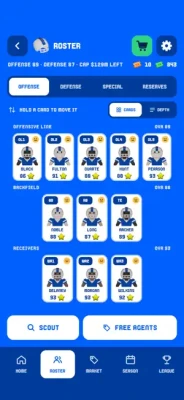
Roster management: Evaluate player attributes and improve weaknesses in your team.
Progression and customization: Unlock player upgrades, football designs, fields, and achievements.
Online multiplayer: Compete against other players in head-to-head matches.
Exhibition games: Choose matchups and enjoy football without committing to a long franchise season.
How to Play PolyFootball
Understanding the controls and basic football concepts makes the game much easier to enjoy. The best approach is to learn one part of the gameplay at a time rather than trying every advanced technique immediately.
1. Choose Your Game Mode
Start by deciding whether you want to manage a whole team or develop one player.
Franchise Mode is ideal for players who enjoy drafting, roster building, and long-term decisions. Career Mode is better if you prefer controlling a specific athlete and improving their skills over time.
Exhibition games are useful for learning the controls without focusing on a full season. Online multiplayer offers a competitive alternative once you are comfortable with the basics.
2. Learn the Movement Controls
PolyFootball supports swipe-based movement and offers joystick controls. The exact feel can vary depending on the position you control and the settings you select.
Practice moving in short, deliberate directions before attempting complicated maneuvers. Make sure you can turn, change direction, and approach open space without running directly into defenders.
If the joystick option is available for your chosen position, try it to see whether it gives you better control than swiping.
3. Understand Passing
Passing is one of the most important offensive skills, particularly when playing as a quarterback.
You can aim a throw by dragging toward the intended target and releasing. The game also supports bullet passes, which can be useful when trying to get the ball through a tight passing window.
Look at the receiver's route and the position of nearby defenders before throwing. A receiver who appears open at the beginning of a play may be covered by the time the ball arrives.
4. Learn to Run With the Ball
Running plays depend on timing, positioning, and the ability to recognize gaps in the defense.
Avoid steering directly toward the nearest defender. Look for space between opponents and make controlled changes of direction when a route closes.
Depending on the player and situation, you can use jukes to evade defenders, dive to gain ground, or truck through a tackle. These actions have different purposes, so choosing the right one is more important than using a special move on every play.
5. Understand Defensive Pressure
Defenders can rush the quarterback, cover receivers, and close down running lanes. If you hold the ball too long, pressure can lead to a sack or a rushed decision.
As a quarterback, watch for incoming pressure and move within the pocket when necessary. As a runner, pay attention to the defenders' positions before committing to a direction.
6. Build a Strong Team
In Franchise Mode, evaluate your roster and identify positions that need improvement. Use drafts, trades, and available free agents to fill those gaps.
Avoid making every decision based on a player's overall rating. Individual attributes, positional needs, and the role a player will fill can all affect how useful that player is to your team.
7. Keep Improving
Progression systems reward continued play with unlockable content, player upgrades, and achievements. Career Mode also gives you opportunities to develop your athlete and improve their prospects.
Focus on learning the fundamentals first. As your understanding of the game improves, introduce more advanced passing, running, and management strategies.
Complete PolyFootball Strategy Guide
The best PolyFootball players combine strong on-field decisions with smart long-term planning. A powerful roster helps, but you still need to make good decisions when passing, running, managing the clock, and responding to defensive pressure.
Best Quarterback Strategies
Quarterback play is built around reading the field, choosing a target, and releasing the ball at the right moment.
Read the Defense Before Throwing
Before passing, look at the receiver routes and the positions of nearby defenders. A receiver who is running into open space may provide a safer target than one who is already closely covered.
Avoid deciding where to throw before the play develops. Keep your options open and adjust when a defender closes a passing lane.
Aim Passes Carefully
Use the aiming controls to direct the ball toward your intended receiver. Practice with short, relatively safe throws before attempting difficult passes into tight coverage.
A useful routine is to identify your primary target, locate a secondary option, and check for pressure before releasing the ball.
Use Bullet Passes Selectively
Bullet passes can help deliver the ball through a narrow opening when a defender is nearby. They are useful when timing matters, but forcing a pass into a crowded area can still lead to an interception.
Use them when the receiver has a realistic chance to make the catch. When a safer passing lane is available, prioritize the completion over the difficulty of the throw.
Escape Pressure Without Abandoning the Play
PolyFootball allows quarterbacks to move around the pocket using swipes, helping them avoid sacks. If defenders approach, make a controlled movement to create space while keeping your passing options in mind.
Avoid moving continuously without a purpose. Excessive movement can take you away from a good passing position or leave you with too little time to throw.
Learn When to Run
A quarterback scramble can be useful when the passing options are covered and a clear path opens up. However, running should be a deliberate decision rather than the automatic response to pressure.
Look for open ground, account for nearby defenders, and avoid turning a manageable passing situation into an unnecessary risk.
Best Running Back Strategies
Running backs can change the momentum of a game by turning small openings into meaningful gains. Success depends on recognizing space and using the right movement technique.
Follow Open Running Lanes
Do not run straight into the first defender you see. Look for a gap in the defensive formation and approach it with enough room to adjust your direction.
If the initial lane closes, make a controlled change of direction rather than repeatedly turning from side to side.
Use Jukes at the Right Moment
A juke is most useful when a defender is close enough to threaten the run but you still have room to move around them.
Using a juke too early may waste the opportunity, while waiting until you are already surrounded may leave little space to escape.
Try to anticipate where the defender will meet you and change direction at the moment that creates the clearest path forward.
Understand Trucking
Trucking is designed to help a running back push through tackles by using strength. In PolyFootball, activating this ability can make the runner slower while improving their ability to resist tackles.
That trade-off makes timing important. Truck when contact is difficult to avoid and pushing through the defender could produce extra yardage. If open space is available, running at full speed may be the better choice.
Protect Your Progress
A short, reliable gain can be more valuable than a risky attempt to break away for a long run. Pay attention to the defensive positions and choose the route most likely to keep the offense moving.
Build consistency first, then look for opportunities to use jukes, dives, or trucking for extra yardage.
Best Wide Receiver Strategies
Wide receivers depend on timing, route awareness, and positioning to become reliable passing targets.
Learn the Available Routes
Different routes create different opportunities. A short route may provide a quick completion, while a deeper route can stretch the defense if the receiver has enough space.
Pay attention to the route's direction and how it develops. Throwing before a receiver reaches a useful position can leave the ball vulnerable to defenders.
Lead the Receiver When Appropriate
A pass should give the receiver a realistic opportunity to reach the ball without running directly into a defender.
Consider where the receiver is heading, not just where they are standing. A well-aimed pass can help maintain momentum and create additional yards after the catch.
Use Space to Your Advantage
Avoid forcing passes toward a receiver who is surrounded by defenders. If another route offers a clearer opening, use it.
When controlling a receiver in Career Mode, learn the movement controls and camera perspective so you can better understand where the quarterback may be looking and where the ball is likely to go.
Best Kicker Strategies
Kicking requires a different kind of judgment from passing and running. Distance, direction, and the situation on the field all influence the decision.
Consider the Distance
Do not attempt a long field goal simply because it is technically available. Consider the distance and whether your kicker has the ability to make the attempt reliably.
When the distance is challenging, compare the possibility of kicking with the value of continuing the drive.
Account for Wind
PolyFootball includes wind effects in its kicking mechanics. Check the wind indicator before kicking and adjust your aim to account for the conditions.
Practice at different distances to become more comfortable judging how much adjustment is necessary.
Make Time-Aware Decisions
The score, remaining time, and field position should influence your choice. If a field goal can give your team an important lead, taking the points may be preferable to risking a turnover.
In other situations, continuing the drive may offer a better chance to score a touchdown.
Franchise Mode: How to Build a Championship Team
Franchise Mode is ideal for players who enjoy managing a football organization over several seasons. Draft choices, trades, contracts, and player development all contribute to your team's long-term success.
1. Evaluate Your Starting Roster
Begin by identifying your team's strengths and weaknesses. Examine the available player attributes and consider whether your squad has the personnel required for your preferred style of play.
A team with strong passing options may benefit from an offense that emphasizes throwing. A roster with a capable running back may be better suited to a balanced approach.
Avoid replacing players simply because a higher-rated option exists. Consider the player's role and whether the upgrade addresses an actual weakness.
2. Draft Players to Fill Specific Needs
The draft is one of the most important tools for building a competitive franchise.
Instead of choosing players randomly, identify the positions where an improvement would have the greatest impact. If your offense struggles to move the ball, consider which players could help improve passing or running opportunities.
Look at individual attributes rather than relying exclusively on overall ratings. A player with a useful combination of skills may fit your team better than someone who is stronger in areas you do not need.
3. Develop Young Talent
Drafting a promising player is only the beginning. Give young players opportunities to develop and consider how their attributes fit your system.
Over time, a well-developed player can become an important part of your roster. This makes player development a long-term investment rather than an immediate solution to every weakness.
Balance the desire to build for the future with the need to remain competitive in the current season.
4. Make Trades With a Clear Objective
Trades allow you to address roster gaps and acquire players who can help your team.
Before accepting or proposing a deal, ask yourself what it accomplishes. Are you upgrading a key position, adding depth, or moving a player who no longer fits your plans?
Avoid trading valuable players without a clear replacement strategy. A deal that looks attractive on paper may weaken the team if it leaves a critical position uncovered.
5. Use Free Agency Carefully
Free agents can help fill roster gaps without waiting for another draft. However, signing players should fit your broader team-building plan.
Look for players who address your biggest weaknesses and consider the cost of keeping them. Avoid spending resources on several similar players while leaving more important positions understaffed.
6. Manage Contracts and the Salary Cap
Franchise management includes contract decisions, salary-cap considerations, and negotiations. You need to balance the value a player provides against the cost of keeping them.
When negotiating a renewal, consider both the player's role and the length of the commitment. A key player may justify a larger investment, while a less essential player may need to accept a more modest offer.
The game also includes player morale and loyalty factors. Contract decisions can affect whether players remain with the team, so avoid treating every negotiation as a simple numbers exercise.
7. Pay Attention to Coaching
Franchise Mode includes offensive and defensive coordinators, as well as coach-related boosts. These systems can influence your team's development and performance.
Consider coaching options that complement your roster and the way you want to play. A boost that supports an important team strength may be more useful than one that offers little benefit to your current lineup.
8. Plan for Multiple Seasons
A successful franchise should not depend entirely on one strong season. Think about player development, future drafts, contracts, and the possibility that older players may decline.
Avoid allowing too many important players to reach the end of their contracts at the same time. Maintain enough depth to handle changes in the roster without rebuilding the entire team.
The ultimate goal is to build a franchise capable of competing for PolyBowls over multiple seasons.
Career Mode: Build Your Own Football Star
Career Mode focuses on an individual player rather than managing the entire team. You create an athlete, choose a position, improve your abilities, and work toward a successful football career.
The mode includes a progression journey that can involve school football, college opportunities, the combine, the draft, and professional contracts.
Choose the Right Position
Your position determines the type of gameplay you will experience.
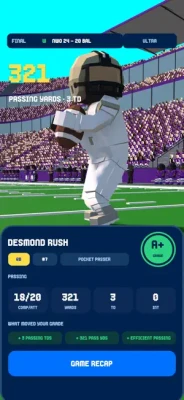
Quarterback: Best for players who enjoy passing, reading defenses, and managing offensive plays.
Running Back: Ideal for players who prefer carrying the ball, finding running lanes, and evading tackles.
Wide Receiver: Suited to players who enjoy route running, positioning, and catching passes.
Kicker: A good option for players who prefer precision and making important scoring attempts.
Choose the position that matches your preferred play style. If you enjoy controlling the ball and making decisions throughout a play, quarterback may be a natural starting point. If you prefer movement and open-field opportunities, running back or wide receiver may be more appealing.
Improve Your Player Attributes
Career progression allows you to develop your athlete. Focus on improvements that directly support your position.
For a quarterback, prioritize the attributes that help you deliver passes and handle pressure. For a running back or receiver, movement, acceleration, and stamina can be particularly important.
Avoid spending upgrades without considering your role. A balanced player can be useful, but specializing in the attributes that matter most to your position can make your strengths more noticeable.
Take the Combine Seriously
The Poly League Combine gives you an opportunity to improve your draft prospects.
Prepare by learning the relevant controls and practicing the required activities. A stronger combine performance can help improve your draft stock, giving you a better chance to advance your career.
Build a Strong Reputation
Career Mode includes media interactions and press conferences. These features add another layer to the progression experience and allow your player to build a reputation.
Approach the mode as a long-term journey. Focus on performing well on the field, developing your player, and making decisions that support continued progress.
Make Thoughtful Contract Decisions
As your career develops, you may receive contract offers and encounter decisions about your future.
Consider the opportunity as a whole rather than focusing only on the immediate reward. A new team or contract should make sense for your player and provide a worthwhile path forward.
Online Multiplayer Tips
PolyFootball includes online multiplayer, allowing you to compete against other players using franchise or career rosters.
Human opponents can be less predictable than computer-controlled teams, so relying on one play or movement pattern can make your strategy easier to read.
Vary Your Offensive Approach
Mix passing and running plays when the situation allows. If your opponent consistently expects a deep pass, shorter throws or a running play may create a better opportunity.
Avoid repeating the same route or movement pattern on every possession. Adapt to how your opponent responds.
Watch Defensive Tendencies
Pay attention to how your opponent defends. If they regularly pressure the quarterback, look for opportunities to release the ball earlier or move away from the pressure.
If they focus on covering receivers, consider whether a running play can exploit the available space.
Manage Risk
An aggressive play may produce a big gain, but it can also lead to a turnover. Consider the score, remaining time, and field position before attempting a difficult pass or forcing a run through multiple defenders.
Practice Before Competing
Use Exhibition or other available practice opportunities to learn the controls before entering competitive matches. Becoming comfortable with aiming, movement, and timing will help you focus on strategy rather than basic inputs.
Best General Tips for Winning More Games
These habits can help across Franchise, Career, Exhibition, and multiplayer matches.
Learn the controls first. Test swipes, passing, joystick movement, and special actions before relying on them in an important game.
Avoid forcing passes. Look for a receiver with a realistic chance of making the catch.
Use movement with purpose. Change direction to create space rather than moving constantly.
Choose the right special move. Jukes, dives, and trucking each suit different situations.
Build around your roster. Select plays and strategies that complement your players' attributes.
Draft to fill weaknesses. Do not ignore important positions while chasing a single star player.
Manage contracts carefully. Consider the long-term cost of retaining key players.
Improve your athlete gradually. Spend progression resources on attributes that fit your position.
Pay attention to the clock. Your decisions should reflect the score and time remaining.
Review mistakes. Identify whether a failed play came from poor timing, bad positioning, or an unnecessary risk.
Common PolyFootball Mistakes to Avoid
Throwing Into Heavy Coverage
A receiver is not automatically a good target simply because they are running a route. Check the defender's position and consider a safer option when the passing lane is crowded.
Holding the Ball Too Long
Quarterbacks who remain in the pocket without a plan can be exposed to pressure. Decide where you want to throw, watch the defense, and move when necessary.
Using Jukes Too Frequently
Jukes are useful when timed well, but unnecessary changes of direction can reduce your momentum and make it harder to reach open space.
Trucking in the Wrong Situation
Trucking trades speed for greater strength when resisting tackles. It is not always the best choice when you have room to accelerate away from defenders.
Ignoring Roster Weaknesses
A strong player cannot solve every team problem. Review your lineup regularly and address the positions that limit your offensive or defensive performance.
Making Expensive Trades Without a Plan
Before trading for a player, consider what you are giving up and whether the acquisition fits your long-term strategy.
Neglecting Player Development
A young athlete may need time and upgrades before becoming a major contributor. Balance immediate performance with future potential.
Overlooking Contract Risk
A player may not remain with the team if contract negotiations fail. Plan ahead for important renewals rather than waiting until several roster decisions become urgent.
Customization, Rewards, and Progression
PolyFootball offers unlockable content that lets you personalize the experience and track your progress.
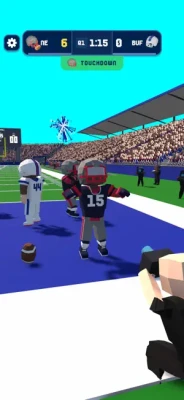
Players can unlock football designs, fields, upgrades, and achievements by playing. Some football designs are created by members of the game's community, adding variety to the available customization options.
The game also includes alternate jerseys, celebrations, and other visual options. These features do not replace sound gameplay or roster management, but they provide additional goals for players who enjoy collecting content.
Focus first on learning the game and improving your performance. Unlockables can then become a natural reward for continued play rather than the only reason to progress.
Is PolyFootball Free to Play?
PolyFootball is free to download and includes optional in-app purchases. The App Store listing includes ticket packages, a ticket boost, a permanent cap increase, and an Agent purchase.
You can start playing without automatically purchasing these extras. Before spending money, consider which feature you actually want and whether it adds enough value to your experience.
The available prices and purchase details may vary by region and app version. Review the information shown in your storefront before confirming a transaction.
Graphics, Controls, and Overall Experience
PolyFootball uses a stylized presentation that keeps attention on the football action. Its appeal comes from the combination of direct on-field control and management systems that give players reasons to return between matches.
The controls take some practice, particularly when aiming passes, escaping pressure, and changing direction at speed. Once familiar with them, players can begin experimenting with more advanced techniques.
The franchise systems offer additional depth for players who like planning ahead, while Career Mode provides a more personal progression path. Online multiplayer adds another challenge for those who want to test their decisions against human opponents.
Because the game continues to receive updates, individual mechanics and available features can change. If a control feels different from an older guide or video, check the current in-game settings and tutorial.
Device Compatibility
The App Store listing identifies PolyFootball as a free sports game for iPhone and iPad, with support for compatible Apple devices running iOS 15.0 or later and iPadOS 15.0 or later. It also lists compatibility with qualifying Apple silicon Mac computers and Apple Vision.
The listed download size is approximately 211.7 MB, although the installed size may vary with updates.
PolyFootball's listed language is English. Online multiplayer and connected features require an internet connection, while availability of individual features may depend on the current version.
Frequently Asked Questions
What is PolyFootball?
PolyFootball is an American football game that combines arcade-style gameplay with franchise management and individual career progression. Players can control football action, draft athletes, manage rosters, and compete for championships.
Who developed PolyFootball?
PolyFootball was developed by Kyle Miceli.
Is PolyFootball free?
Yes. The game is free to download and offers optional in-app purchases.
What game modes does PolyFootball include?
The game includes Franchise Mode, Career Mode, Exhibition games, and online multiplayer. Each mode provides a different way to experience football, from managing an entire team to developing an individual athlete.
What positions can you play in Career Mode?
The listed career positions include quarterback, running back, wide receiver, and kicker.
How do you throw a better pass?
Aim toward a receiver with a clear route, check the defensive coverage, and release the ball at an appropriate moment. Practice bullet passes when a narrow passing window requires a quicker throw.
How do you avoid sacks as a quarterback?
Watch for defensive pressure and use the available pocket movement controls to create space. Avoid holding the ball too long when a suitable passing option is available.
How does trucking work?
Trucking is a running-back technique intended to help resist tackles through strength. It can slow the runner while improving their ability to push through contact, so use it when forcing through a defender makes sense.
How can you build a stronger franchise?
Evaluate your roster, draft players who address important weaknesses, make targeted trades, develop young talent, and manage contracts carefully. A successful franchise needs both immediate contributors and a plan for future seasons.
What is the best position for beginners?
Quarterback is a good choice for players who enjoy passing and making offensive decisions. Running back may suit players who prefer movement and open-field running. The best option depends on which type of football action you enjoy most.
Does PolyFootball have online multiplayer?
Yes. The game includes online head-to-head multiplayer, allowing players to compete against other people.
Can you customize your team?
PolyFootball offers customization options that include football designs, fields, alternate jerseys, and celebrations. The available options depend on the current game version and unlocked content.
What is the goal of Franchise Mode?
The goal is to build and manage a successful team over multiple seasons, develop your roster, and compete for PolyBowl championships.
How can you improve your Career player?
Play games, develop relevant attributes, prepare for the combine, and make thoughtful progression decisions. Focus on skills that support the position you selected.
Final Verdict: Is PolyFootball Worth Playing?
PolyFootball is a compelling option for players who want more than a basic mobile football game. Its combination of arcade-style action, player progression, roster management, and online competition provides several ways to enjoy the sport.
Franchise Mode is particularly appealing to players who enjoy drafting, trades, and building a championship team over multiple seasons. Career Mode offers a different kind of challenge by letting you develop an athlete from the early stages of their football journey.
The game takes some practice, especially when aiming passes and using advanced running techniques. However, learning the controls and understanding how to manage a roster can make the experience more rewarding.
For the best results, focus on accurate passing, controlled movement, smart use of special actions, and targeted roster improvements. Avoid risky decisions when a safer option is available, and build your team with both the current season and the future in mind.
If you enjoy American football, sports management, and player progression in one mobile game, PolyFootball is worth trying.
Rate the Game
User Reviews















Popular Games



















 Android
 iOS
 Windows
 Xbox