

Latest Version
November 12, 2026
Lor-game
Puzzle
0
com.lorgame.adventure.gp
Report a Problem
More About :game
Game Overview
Tuscany Garden – Farm & Adventure takes players to the beautiful countryside of Tuscany, where they help Olivia rebuild her family's farm and protect it from the Count.
The story begins when Olivia returns from her travels after learning that her family's property is in danger. The farm needs attention, resources are limited, and the Count threatens to take control if the business cannot become successful again.
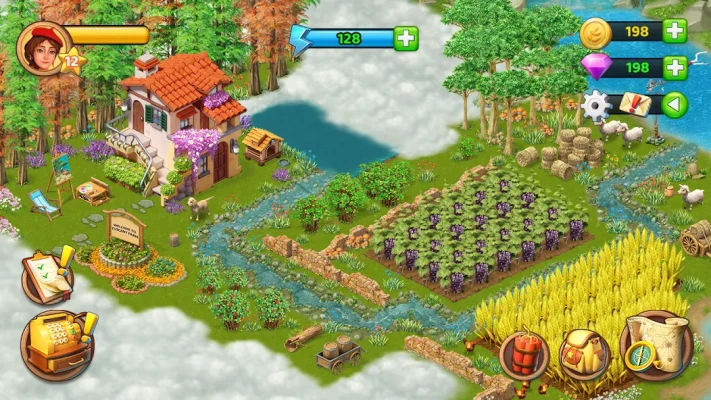
Players take responsibility for restoring the property and turning it into a thriving countryside destination. This involves planting crops, harvesting ingredients, caring for animals, producing goods, and improving buildings.
However, farming is only one part of the experience. Tuscany Garden also includes exploration missions that take players beyond their property. These adventures introduce new locations, characters, puzzles, and valuable treasures.
As Olivia travels through different environments, she gradually uncovers clues connected to her mother's disappearance and a mysterious treasure.
The story also introduces two important characters, Vincenzo and Andre, whose personalities create an additional romantic storyline.
By combining farming, crafting, decoration, exploration, and storytelling, Tuscany Garden provides several activities for players who enjoy relaxing simulation games with long-term progression.
Game Information
Game Title: Tuscany Garden – Farm & Adventure
Developer: Lor-game
Package Name: com.lorgame.adventure.gp
Platform: Android
Category: Simulation
Genre: Farming, Adventure, Life Simulation
Gameplay Style: Single-player farming with social and competitive elements
Main Character: Olivia
Main Objective: Restore and expand the family farm
Farming Activities: Planting, harvesting, and producing agricultural goods
Animal Activities: Raising and caring for farm animals
Crafting: Preparing food and other useful products
Exploration: Discovering new locations and collecting treasures
Decoration: Customizing the farm and upgrading buildings
Story Elements: Family mystery, adventure, friendship, and romance
Developer: Lor-game
The game listing describes a free-to-play farming experience with optional purchases that can speed up progression.
Main Features of Tuscany Garden – Farm & Adventure
Build Your Dream Tuscan Farm
The farm is the heart of the game.
Players begin with a property that needs restoration and gradually transform it into a productive and attractive countryside home.
You can grow crops, care for animals, produce useful goods, and improve different parts of the property.
As your farm develops, it becomes easier to manage resources and support Olivia's adventures.
Plant and Harvest Different Crops
Agriculture is one of the most important activities.
Players can plant various crops, wait for them to grow, and collect the harvest when they are ready.
These ingredients can be used for crafting, cooking, completing tasks, and supporting the farm's economy.
Choosing what to plant and when to harvest helps maintain a steady supply of resources.
Raise Adorable Farm Animals
Animals bring additional activities and production opportunities to the farm.
Taking care of them helps create a more lively countryside environment while supporting the production system.
Players can gradually develop their animal facilities as the farm expands.
Craft Delicious Food
Harvested ingredients can be transformed into different products.
The game features food inspired by Italian and international cuisine, including pizza, cheese, ice cream, and salami.
Production adds another layer of resource management because players must collect the necessary ingredients before preparing finished goods.
Decorate and Upgrade Your Property
Tuscany Garden gives players opportunities to personalize their farm.
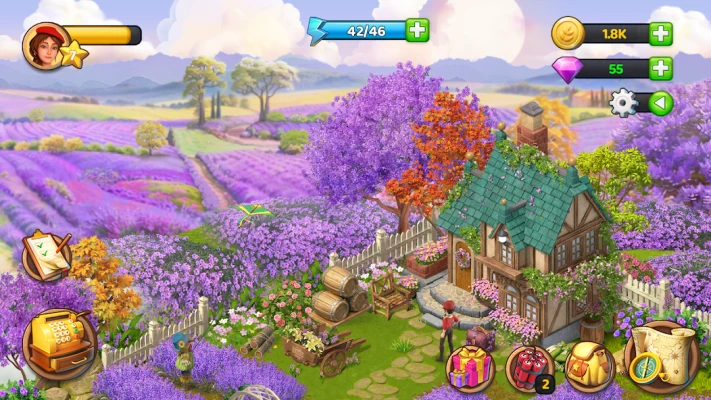
You can improve buildings, add attractive decorations, and create a countryside environment that reflects your preferred style.
Flowers such as roses, lavender, and lilies contribute to the garden atmosphere.
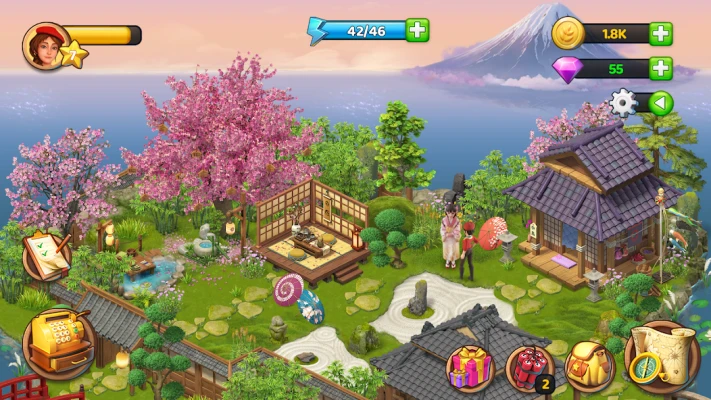
Explore Beautiful Locations
The adventure system takes players beyond their farm and introduces a variety of environments.
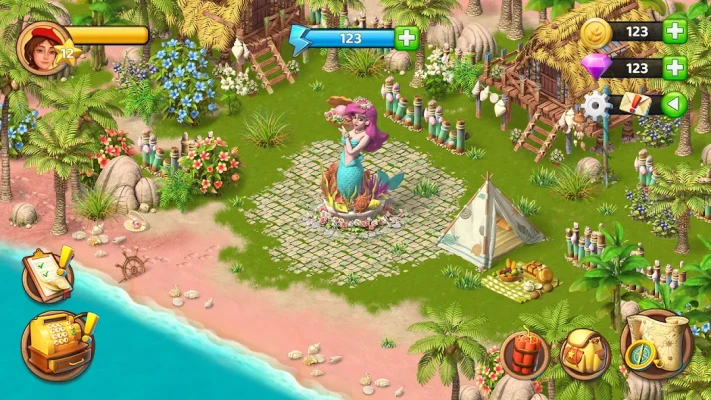
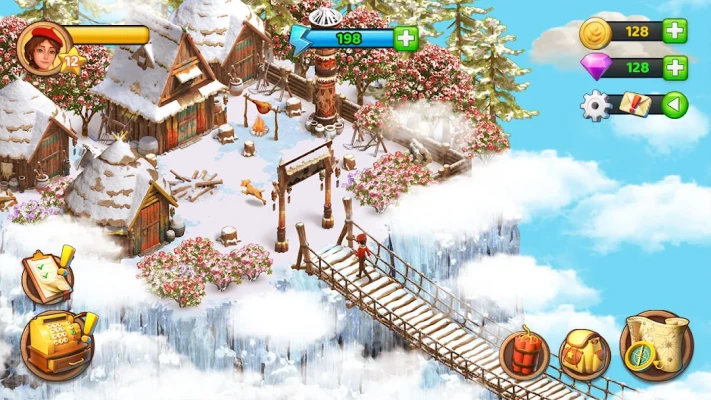
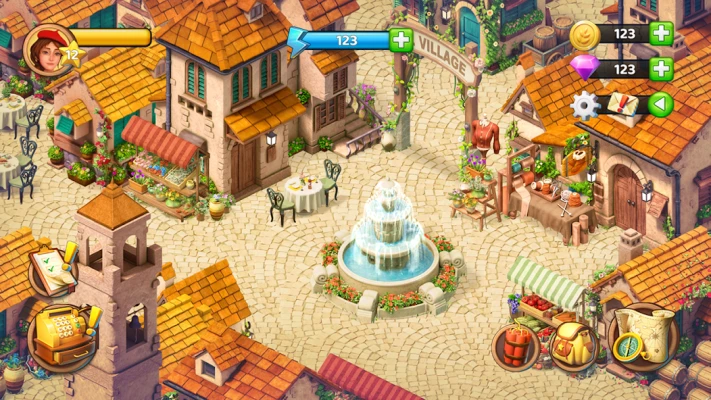
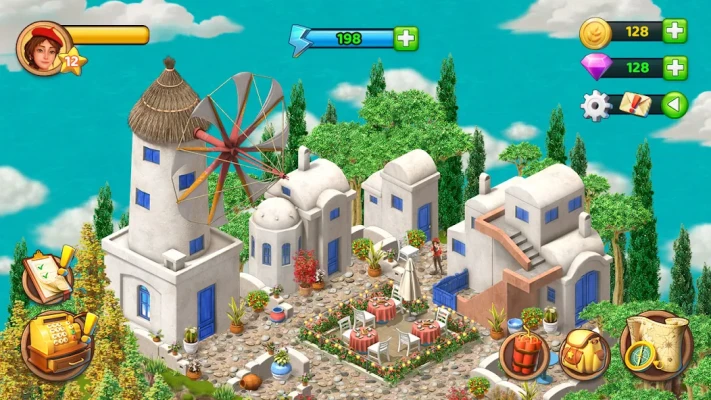
These include romantic gardens, harbor towns, tropical islands, mysterious forests, snowy regions, and other distinctive locations.
Each destination offers opportunities to discover new resources, meet characters, and complete exploration tasks.
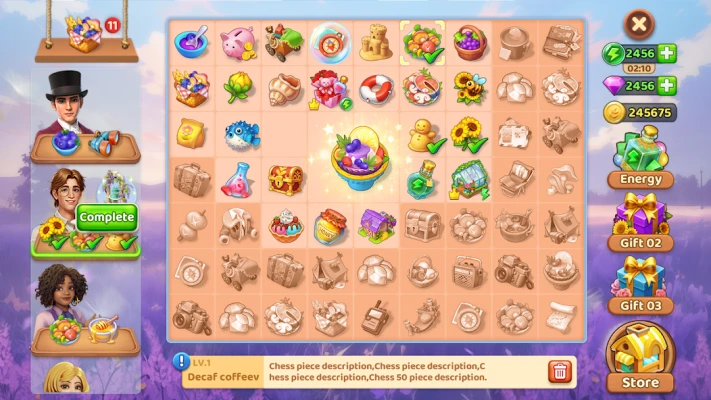
Solve Puzzles and Collect Treasures
Exploration is not limited to visiting new places.
Players also encounter puzzles and challenges while searching for valuable objects.
Treasures and collectibles can be brought back to the farm, adding another reason to continue exploring.
Follow Olivia's Story
The main storyline gives the farming activities a larger purpose.
Olivia must restore her family's property while dealing with the threat posed by Count Bianchi.
At the same time, she investigates the mystery surrounding her mother's disappearance and the possibility of hidden treasure.
Friendship and Romance
During her journey, Olivia meets several interesting characters.
Vincenzo is charming and warm-hearted, while Andre is the Count's son and has a more reserved personality.
Their stories add personal relationships and romantic choices to the wider adventure.
Compete With Other Players
The game also includes competitive social elements.
Players can compare their progress and compete with people around the world to demonstrate their farming skills.
This gives long-term farm development an additional goal beyond completing individual tasks.
How to Play Tuscany Garden – Farm & Adventure
Getting started is relatively straightforward, but developing a successful farm requires good resource management and careful planning.
Restore the Family Farm
Begin by following Olivia's introductory tasks.
These missions help you understand the farm, introduce the main characters, and explain the basic activities.
Complete the available restoration objectives to make the property more productive.
Plant Your First Crops
Use available planting areas to grow the required crops.
Pay attention to the ingredients requested by current tasks and make sure you have enough resources for upcoming production.
Harvest at the Right Time
Collect crops when they are ready.
Harvesting regularly helps maintain a useful supply of ingredients and prevents production from slowing down.
Take Care of Animals
Develop your animal facilities and collect the products they provide.
Animal production supports crafting and helps complete different farm objectives.
Produce Useful Goods
Use harvested ingredients to prepare food and other products.
Check which materials are required before starting production so that you do not waste valuable resources.
Complete Story Tasks
Follow the available missions to advance Olivia's story.
These objectives guide your development and gradually introduce additional activities.
Explore New Areas
Take part in exploration missions to discover different environments, gather resources, and uncover treasures.
Improve Your Farm
Use your progress to upgrade buildings, expand production, and decorate the property.
A well-organized farm makes daily management more convenient.
Full Strategy Guide for Tuscany Garden – Farm & Adventure
Building a successful farm requires more than planting crops and collecting harvests. Players must balance farming, crafting, animal care, exploration, and story progression.
The following strategies can help you manage resources more efficiently and develop your property without wasting valuable materials.
Prioritize Main Story Missions
One of the best ways to begin is by concentrating on the main story objectives.
These missions introduce the important systems and provide direction for your early progress.
Rather than spending all your resources on optional decorations, focus first on tasks that help restore the farm and advance Olivia's journey.
Story missions can also introduce new activities and destinations, making them valuable for long-term development.
Plan Your Crops Around Production Needs
Not every crop has the same value at every stage of the game.
Some ingredients may be required for cooking, while others are needed for specific missions or production orders.
Before planting, review the materials you currently need.
Give priority to crops that support active objectives and frequently used recipes.
This reduces the chance of collecting ingredients that you cannot immediately use.
Maintain a Regular Harvesting Routine
Harvesting regularly is essential for keeping the farm productive.
Make it a habit to check which crops are ready and collect them whenever possible.
A steady supply of ingredients prevents unnecessary delays when completing orders or starting production.
Avoid allowing important resources to remain uncollected for too long.
Balance Farming and Crafting
Growing ingredients is only part of the economic system.
You also need to transform those ingredients into useful products.
Before starting a production activity, check the required materials and consider whether you will need those ingredients for another task.
A balanced approach prevents situations where you have plenty of crops but lack the finished goods needed for progression.
Develop Animal Facilities Gradually
Animals contribute to the farm's production and overall development.
However, expanding too quickly can place pressure on your available resources.
Improve animal-related facilities as your farm becomes more established.
Collect animal products regularly and use them for appropriate production tasks.
This creates a more stable system for managing ingredients and finished goods.
Upgrade Important Buildings First
Building improvements can make your farm more productive and attractive.
When resources are limited, prioritize facilities that support regular farming and production.
Consider which upgrades will help you complete missions more efficiently.
Decorative improvements are enjoyable, but essential production buildings should generally receive attention first.
Manage Resources Carefully
Resources are essential for almost every major activity.
Crops, crafted goods, building materials, and exploration supplies all contribute to your progress.
Avoid spending everything on optional improvements.
Keep a reserve of useful materials so you can respond to new missions without needing to stop your development.
A good resource strategy is to spend according to immediate needs while maintaining enough supplies for future objectives.
Explore With a Clear Objective
Exploration is an important part of Tuscany Garden, but it should be approached thoughtfully.
Before beginning an adventure, understand what you are trying to accomplish.
You may need to collect specific resources, solve puzzles, discover treasures, or help characters.
Prioritize activities that contribute to current story missions or provide materials that your farm needs.
This makes exploration more productive.
Collect Valuable Treasures
Treasures add another layer to the adventure experience.
As you explore, look carefully for collectible objects and rewards.
Some discoveries may contribute to collections or support your overall farm progression.
Do not focus only on completing the main route. Investigating available areas can reveal additional rewards.
Follow the Story Without Neglecting the Farm
The story encourages players to travel and investigate new locations.
However, leaving farm management unattended can affect your ability to produce necessary materials.
Try to maintain a balance between exploration and agriculture.
Check your crops, animal facilities, and production activities before focusing on longer adventures.
This keeps your farm progressing while you enjoy the storyline.
Decorate After Securing Essential Progress
Customization is one of the enjoyable parts of the game.
You can create a beautiful garden with flowers, decorative objects, and improved buildings.
However, decorations should not consume resources needed for essential tasks.
Develop your production system first, then use spare resources to personalize the property.
Make Use of Free Progression Opportunities
Tuscany Garden is described as a free-to-play game with optional purchases that can accelerate progress.
You do not need to make every available purchase to enjoy the farming and adventure systems.
Use the resources and rewards available through normal gameplay, and consider optional purchases carefully rather than treating them as necessary for every task.
Advanced Tips for Experienced Players
Create a Balanced Farm Economy
A productive farm needs a balance between crop cultivation, animal care, and crafting.
If one part of the production system becomes neglected, other activities may become harder to complete.
Regularly review your resource supplies and identify which production areas need attention.
Organize Your Production Priorities
Before starting several production tasks, decide which finished goods are most important.
Prioritize products needed for active missions or valuable orders.
This helps avoid unnecessary production and keeps your materials available for important objectives.
Use Exploration to Support Farm Development
Adventure locations are more than visual attractions.
They provide opportunities to gather treasures, discover resources, and complete objectives that connect to the main storyline.
Approach each expedition with a clear purpose and make the most of the available discoveries.
Keep Long-Term Goals in Mind
Restoring the family farm is a gradual process.
Some upgrades and story developments require multiple steps.
Instead of concentrating only on immediate rewards, consider how each activity contributes to the farm's long-term success.
Improve Your Daily Management Routine
A consistent routine makes the game easier to manage.
Start by checking crops and animal production.
Then collect finished goods, review current missions, and decide whether to focus on crafting or exploration.
This approach helps you use available resources more effectively.
Common Mistakes to Avoid
Ignoring Main Missions
Story objectives provide direction and help introduce important parts of the game. Do not neglect them for optional activities.
Planting Crops Without Checking Requirements
Some ingredients are more useful than others at different stages. Review current production needs before planting.
Spending All Resources on Decoration
Customization is enjoyable, but essential upgrades and production materials should remain a priority.
Forgetting Animal Production
Regular animal care helps maintain a steady supply of useful products.
Starting Production Without Enough Ingredients
Check the required materials before beginning a crafting activity.
Exploring Without a Goal
Focus on missions, resources, and treasures that contribute to your progress.
Neglecting the Farm During Adventures
Keep your farming and production activities organized while completing exploration missions.
Using Optional Purchases Without Planning
Think carefully before spending money on items that only speed up progression.
Best Tips for Beginners
If you are new to Tuscany Garden, start by following Olivia's introductory missions.
Learn how planting, harvesting, animal care, and crafting work before trying to expand every part of the farm.
Keep an eye on the ingredients needed for current objectives and avoid spending valuable materials on unnecessary activities.
Upgrade important production facilities as your resources allow.
Explore new locations when the story directs you there, and remember to collect useful treasures along the way.
Most importantly, balance farming with adventure. Both activities contribute to the development of Olivia's family property.
Frequently Asked Questions
What is Tuscany Garden – Farm & Adventure?
Tuscany Garden is a farming simulation game that combines crop cultivation, animal care, crafting, farm decoration, exploration, and story-driven adventures.
Who developed Tuscany Garden?
The game was developed by Lor-game.
Who is the main character?
Olivia is the main character. She returns to her family's farm to restore the property and investigate the mystery surrounding her mother's disappearance.
What is the main objective of the game?
The main objective is to rebuild Olivia's family farm, make it productive, and protect it from Count Bianchi.
Can you grow crops in Tuscany Garden?
Yes. Players can plant and harvest different crops that provide ingredients for crafting and other farming activities.
Can you raise animals?
Yes. Animal care is one of the main farming activities and contributes to the production system.
Can you cook food in the game?
Yes. Players can use harvested ingredients to create different food products, including pizza, cheese, ice cream, and salami.
Can you decorate your farm?
Yes. You can improve buildings and personalize the property with decorative items and flowers such as roses, lavender, and lilies.
Does Tuscany Garden include exploration?
Yes. Players can visit different locations, solve puzzles, collect treasures, and discover new parts of Olivia's story.
Who are Vincenzo and Andre?
They are two important characters connected to Olivia's romantic storyline. Vincenzo is charming, while Andre is the Count's son.
Can you compete with other players?
The game includes competitive social features that allow players to compare their farming progress with people around the world.
Is Tuscany Garden free to play?
Yes. The game is described as free-to-play, with optional purchases that can speed up progression.
Is Tuscany Garden a farming or adventure game?
It combines both genres. Farming and production are central activities, while exploration, puzzles, treasures, and storytelling provide the adventure elements.
Does the game have a storyline?
Yes. The story follows Olivia as she tries to restore her family's farm and uncover the mystery surrounding her mother's disappearance.
Final Thoughts
Tuscany Garden – Farm & Adventure offers a colorful combination of farming simulation, countryside decoration, resource management, and story-driven exploration.
The experience gives players plenty of activities, from planting crops and raising animals to preparing food, upgrading buildings, and discovering new destinations.
Olivia's story adds a personal reason to keep progressing, while the exploration system introduces new environments, treasures, and characters.
For the best results, focus on building a reliable farm economy, prioritizing important upgrades, managing production materials, and completing story missions regularly.
Whether you enjoy relaxing farming games, creative decoration, or adventures filled with puzzles and discoveries, Tuscany Garden provides an engaging countryside experience with plenty to explore.
Rate the Game
User Reviews










Popular Games



















 Android
 iOS
 Windows
 Xbox