


Latest Version
November 12, 2026
Mindful Daily Puzzles
Puzzle
0
com.mahjong.match.pair.puzzle
Report a Problem
More About :game
Game Overview
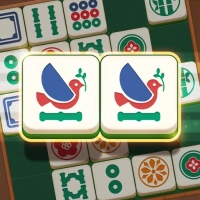
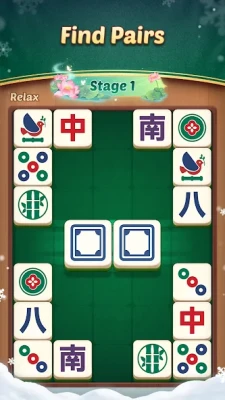
Mahjong Match - Puzzle Game brings a fresh approach to familiar tile-matching gameplay. Instead of following the traditional rules of Mahjong solitaire, the game challenges players to find two identical tiles and remove them from the board.
The central mechanic is easy to understand: identify matching pictures, tap the pair, and watch them disappear. However, the puzzle becomes more interesting when matching tiles are separated or positioned in different parts of the board.
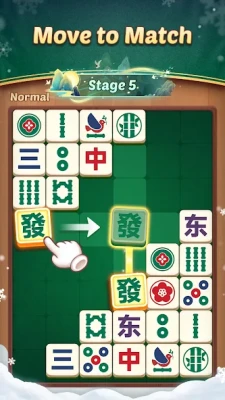
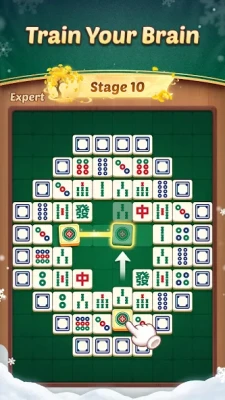
Players can also slide tiles horizontally or vertically to bring matching pieces together. This movement system adds another layer of strategy because the order in which tiles are removed can affect the available moves that follow.
The game is designed for relaxed play, allowing players to study the board and make decisions without racing against a countdown timer. Its everyday-item tile designs, smooth visual effects, and straightforward controls make it accessible to casual puzzle fans.
According to its Google Play description, the game also supports matching pairs in the same row or column even when empty spaces separate them. This means players should look beyond immediately adjacent tiles and examine the entire board before deciding which pair to remove.
Game Information
Game Title: Mahjong Match - Puzzle Game
Package Name: com.mahjong.match.pair.puzzle
Developer: PANDAS OF CARIBBEAN LIMITED
Publisher Name: Mindful Daily Puzzles
Platform: Android
Category: Puzzle
Genre: Tile Matching, Pair Matching, Casual Puzzle
Gameplay Style: Single-player puzzle experience
Main Objective: Match identical pairs and clear the board
Main Controls: Tap and slide
Matching Directions: Horizontal and vertical
Visual Theme: Mahjong-style tiles featuring everyday objects
Difficulty: Designed for accessible play with increasingly engaging puzzles
Monetization: Contains advertisements
The game is listed as a puzzle title on Google Play and is suitable for players looking for a casual tile-matching challenge.
Main Features of Mahjong Match - Puzzle Game
Simple Pair-Matching Gameplay
The main attraction is its easy-to-learn double-match system. Players search for two identical tiles and tap them to remove the pair.
The basic rules are simple, but choosing the correct pairs requires attention and planning.
Tap and Slide Mechanics
The game adds movement to its matching system. Players can slide tiles horizontally or vertically to bring matching pieces into position.
This mechanic gives players more control over the board and creates additional ways to solve each puzzle.
Matching Across Empty Spaces
Matching tiles do not always need to be directly next to each other. If two identical tiles are positioned in the same row or column, empty spaces between them may still allow a match.
Learning to recognize these opportunities is an important part of mastering the game.
Relaxed Gameplay Without a Timer
The game is designed for players who prefer to think at their own pace. Without a countdown timer, there is room to inspect the board, compare tile designs, and plan the next move.
Everyday-Item Tile Designs
The puzzles use recognizable pictures of everyday objects on Mahjong-style tiles. These designs give the matching challenges a casual and approachable appearance.
Smooth Visual Effects
Matching pairs produces clear visual feedback and animations, making it easier to follow the results of each move.
Casual Brain-Training Challenges
The game encourages players to use observation, memory, concentration, and logical reasoning. Finding identical tiles and planning their removal keeps the mind engaged throughout each puzzle.
Play Without Wi-Fi
The Google Play description states that the game can be enjoyed without Wi-Fi, making it suitable for offline puzzle sessions.
How to Play Mahjong Match - Puzzle Game
Getting started is straightforward, but understanding how tile movement affects the board will help you solve puzzles more efficiently.
Examine the Board
Start by looking at all the visible tiles. Identify repeated pictures and notice where matching pairs are located.
Do not focus only on neighboring pieces. Some matching tiles may be separated by several empty spaces.
Find Identical Pairs
Look for two tiles displaying exactly the same object or image.
Once you identify a matching pair, tap both tiles to remove them from the board.
Slide Tiles to Create Matches
If a matching pair is not positioned conveniently, use the horizontal or vertical movement mechanic to bring the tiles together.
Pay attention to the available spaces and make sure your movement helps create a useful match.
Look Across Rows and Columns
Two identical tiles may be matchable even when empty cells separate them.
Scan the board horizontally and vertically to discover these opportunities.
Clear the Entire Board
Continue matching pairs until all the tiles have been removed.
Try to maintain a clear understanding of the remaining pieces so that you do not overlook useful combinations.
Full Strategy Guide for Mahjong Match - Puzzle Game
Although Mahjong Match has simple controls, completing puzzles efficiently requires careful observation and a little forward planning. The following strategies can help you make better decisions and avoid unnecessary moves.
Study the Entire Board Before Making a Move
One of the most useful habits is to examine the complete puzzle before tapping anything.
Look for repeated images, pairs positioned in the same row or column, and tiles that could become easier to match after other pieces are removed.
Avoid selecting the first matching pair you notice without considering its position.
A few seconds of observation can reveal combinations that are more useful than the obvious choices.
Match the Most Convenient Pairs First
Start with pairs that are easy to identify and remove without disrupting your ability to reach other matching tiles.
Clearing straightforward combinations can make the board less crowded and help reveal additional opportunities.
However, do not automatically remove every easy pair. If a particular tile is important for creating another combination, consider whether leaving it temporarily would be more beneficial.
Search Beyond Adjacent Tiles
A major part of the game's matching system is the ability to connect identical tiles across empty spaces in the same row or column.
This means you should not limit your search to neighboring pieces.
For example, two matching objects might appear several cells apart with empty spaces between them. If the game recognizes the connection, you can remove the pair without needing to move them next to each other.
Make scanning every row and column part of your regular routine.
Use Sliding Moves Strategically
Sliding tiles creates additional matching possibilities, but every movement should have a clear purpose.
Before moving a tile, consider where it will end up and whether that position will help you create another pair.
Avoid unnecessary movements that make the board harder to understand.
A useful approach is to identify the matching destination first and then move the tile toward it.
Remove Difficult-to-Reach Pairs
Some matching opportunities may become harder to use as the board changes.
If you notice a pair positioned in a complicated area, consider removing it before clearing surrounding pieces changes the available arrangement.
This is especially important when a particular tile has only a few useful matching opportunities.
Keep Track of Remaining Tile Designs
As the board becomes emptier, it is easier to overlook the remaining pairs.
Try to remember which images you have already seen and which matching objects are still present.
Recognizing repeated designs quickly will help you avoid repeatedly scanning the same areas.
You can also divide the board mentally into sections and check each section systematically.
Think Several Moves Ahead
Do not consider every pair as an isolated decision.
Before removing a combination, think about the next two or three moves.
Ask yourself:
Which matching pairs will remain afterward?
Will the move make other tiles easier to reach?
Could sliding a different tile create a better combination?
Am I leaving an awkward pair for the final stages?
Planning ahead is particularly valuable when only a few matching options remain.
Clear Crowded Areas Carefully
When several tiles are concentrated in one part of the board, it can be tempting to remove any available pair immediately.
Instead, examine how the surrounding pieces are arranged.
Choose combinations that simplify the area and make other tiles easier to identify.
A less crowded board is generally easier to manage because you can see the remaining opportunities more clearly.
Use the Tile-Shaking Hint Effect
The Google Play description explains that tapping a tile can make matching tiles shake, helping players recognize identical pairs more easily.
Use this visual clue when you cannot quickly identify a match.
It can be particularly useful when several similar-looking objects appear on the board.
However, continue developing your own observation skills rather than relying on the hint effect for every move.
Avoid Rushing
Since the game does not rely on a countdown timer, there is no reason to make careless decisions.
Take time to inspect the board, compare tile pictures, and consider possible sliding moves.
A calm approach is often more effective than tapping quickly.
Advanced Strategies for Experienced Players
Divide the Board Into Sections
When a puzzle contains many tiles, scanning the entire board repeatedly can become confusing.
Instead, mentally divide the playing area into smaller sections.
Inspect each section for matching pictures, then check whether identical tiles appear in different sections along the same row or column.
This method creates a more organized search process.
Identify Rare Tile Pairs
Some pictures may appear in only a few locations.
If a tile has just one obvious matching partner, pay attention to it before removing other combinations.
Leaving rare pairs until the end may create unnecessary difficulty if the board changes in an unfavorable way.
Use Movement to Simplify the Puzzle
Sliding is not only useful for completing a match. It can also help reorganize the playing area and make remaining tiles easier to inspect.
Look for movements that reduce visual clutter or place important pieces in more convenient positions.
Avoid moving tiles simply because they can be moved.
Develop a Consistent Scanning Pattern
Experienced players can save time by following the same visual routine for every puzzle.
For example, begin at the upper-left corner, scan each row from left to right, and then move down to the next row.
After completing the horizontal scan, check the vertical columns for additional matching opportunities.
A consistent pattern reduces the chance of overlooking pairs.
Save Difficult Decisions for Careful Consideration
When only a small number of tiles remain, every move becomes more important.
Compare the remaining pictures and check all possible horizontal and vertical combinations.
If you cannot immediately see a useful pair, review the board again instead of making a random movement.
The final stages often reward patience and accurate observation.
Common Mistakes to Avoid
Matching Only Adjacent Tiles
Remember that identical tiles may be matchable across empty spaces in the same row or column.
Ignoring the Sliding Mechanic
Sliding creates additional opportunities. Learn when moving a tile can make a difficult pair easier to match.
Removing Pairs Without Planning
An immediately available pair is not always the most useful choice. Consider how each removal affects the remaining board.
Overlooking Rare Pairs
If a tile has only one matching partner, avoid forgetting where that partner is located.
Scanning Randomly
Moving your attention around the board without a consistent pattern can cause you to miss obvious combinations.
Making Unnecessary Moves
Every slide should help create a match or make the board easier to solve.
Rushing Through the Puzzle
Take advantage of the relaxed gameplay and inspect difficult arrangements carefully.
Best Tips for Beginners
If you are new to Mahjong Match - Puzzle Game, begin by learning to recognize identical tile pictures.
Start with the easiest pairs and become familiar with how the tap-and-match system works.
Next, practice scanning entire rows and columns rather than looking only at neighboring tiles.
Experiment with sliding pieces horizontally and vertically to understand how movement changes your matching opportunities.
Try to remember where repeated pictures appear, especially when the board becomes less crowded.
Most importantly, take your time. The game is designed around relaxed puzzle-solving, so careful decisions are more valuable than quick reactions.
Frequently Asked Questions
What is Mahjong Match - Puzzle Game?
Mahjong Match - Puzzle Game is a casual tile-matching puzzle where players find identical pairs, move tiles into position, and clear the board.
How do you play Mahjong Match?
Find two identical tiles and tap them to remove the pair. You can also slide tiles horizontally or vertically to create matching opportunities.
Is this traditional Mahjong solitaire?
No. Although the game uses Mahjong-style tiles, its main gameplay is based on matching identical pairs rather than the traditional Mahjong solitaire rules.
Can you match tiles that are not next to each other?
Yes. The game description explains that matching tiles can be located in the same row or column with empty spaces between them.
Can tiles be moved?
Yes. Players can slide tiles horizontally or vertically to bring matching pieces into position.
Does the game have a timer?
The Google Play description promotes a no-timer experience, allowing players to solve puzzles at their own pace.
Can I play without an internet connection?
The Google Play listing states that the game supports playing without Wi-Fi.
Is Mahjong Match suitable for beginners?
Yes. Its simple controls and straightforward matching rules make it accessible to casual players and people new to tile puzzles.
How can I find matching tiles faster?
Scan the board systematically, compare pictures carefully, and look across entire rows and columns. The game's tile-shaking hint effect can also help reveal matching pieces.
What should I do if I cannot find a pair?
Review the board again and check whether sliding a tile could create a new matching opportunity. Also look for identical tiles separated by empty spaces.
Does the game contain advertisements?
Yes. The Google Play listing indicates that the game contains advertisements.
Who developed Mahjong Match - Puzzle Game?
The Google Play listing identifies PANDAS OF CARIBBEAN LIMITED as the developer and Mindful Daily Puzzles as the publisher name.
Final Thoughts
Mahjong Match - Puzzle Game offers a refreshing take on casual tile-matching entertainment. Its combination of identical-pair matching, horizontal and vertical movement, and relaxed puzzle-solving creates an experience that is easy to understand but still encourages thoughtful decisions.
The ability to match tiles across empty spaces adds an interesting twist, while the sliding mechanic gives players more freedom to approach each board.
To become better at the game, focus on recognizing patterns, scanning rows and columns, remembering rare pairs, and planning several moves ahead.
Whether you enjoy Mahjong-inspired puzzles, casual matching games, or relaxing brain challenges, Mahjong Match - Puzzle Game offers an enjoyable way to exercise your observation and logical-thinking skills.
Take your time, find the matching pairs, and clear every tile to complete each puzzle.
Rate the Game
User Reviews










Popular Games



















 Android
 iOS
 Windows
 Xbox