


Latest Version
November 11, 2026
Wood Puzzle Sudoku Games
Puzzle
Android
0
Report a Problem
More About :game
The game features three main modes: Classic Mode, Level Mode, and Daily Challenge Mode. Each offers a different way to enjoy block-placement puzzles, whether you prefer chasing high scores, progressing through increasingly difficult stages, or solving a fresh daily challenge.
With useful tools such as Rotate and Hold, smooth animations, and no time limits, Block Puzzle Brick Smash provides an enjoyable experience for casual players and puzzle enthusiasts.
Game Overview and Main Information
Game title: Block Puzzle Brick Smash
Developer: Wood Puzzle Sudoku Games
Publisher: DingShan Limited
Package name: block.puzzle.brick.smash.game
Category: Casual
Genre: Block Puzzle, Logic Puzzle, Brain Training, Strategy
Platform: Android
Board size: 8x8 grid
Gameplay style: Single-player
Main objective: Place blocks strategically and clear complete rows or columns.
Game modes: Classic Mode, Level Mode, Daily Challenge Mode.
Special tools: Rotate and Hold.
Difficulty: Progressive in Level Mode.
Time limits: No time limits.
Daily features: Daily puzzles, trophies, and monthly rewards.
Visual style: Colorful blocks, clean graphics, and smooth animations.
Game format: Free-to-play puzzle game.
Content rating: Everyone.
The game focuses on spatial awareness, logical thinking, careful planning, and efficient use of the available board space.
What Makes Block Puzzle Brick Smash Interesting?
Classic Mode
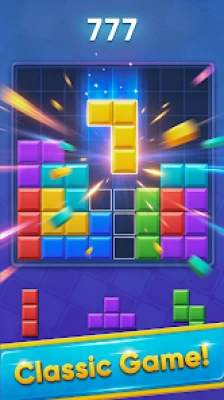
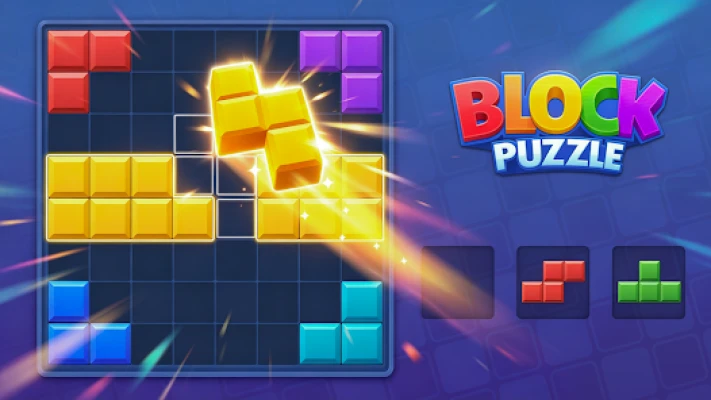
Classic Mode offers the traditional block-placement experience on an 8x8 board.
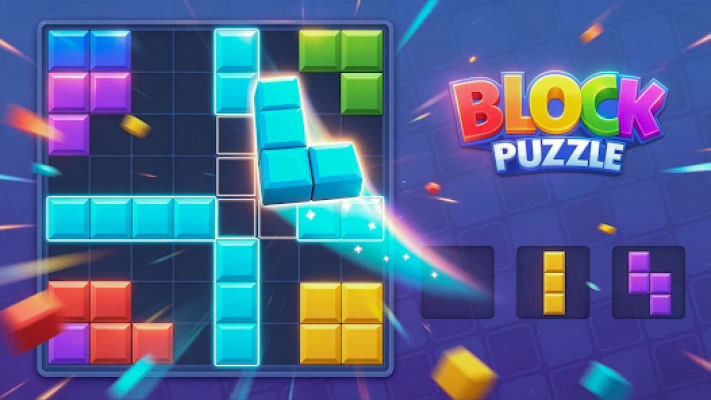
Players receive different geometric block shapes and must position them carefully within the available spaces. Completing an entire horizontal row or vertical column removes those blocks and creates more room.
The objective is to keep the board playable for as long as possible while earning the highest score you can.
Chain reactions make this mode particularly satisfying. Clearing one line can create opportunities for additional clears and better scoring combinations.
Level Mode
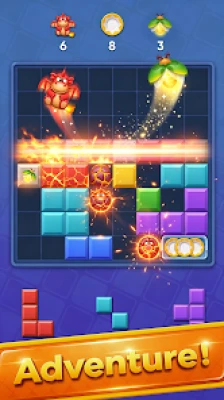
Level Mode introduces a progression-based experience with increasingly difficult puzzles.
Instead of focusing only on a high score, players work through individual stages and face fresh challenges as they advance.
This mode is suitable for players who enjoy gradual progression and want to improve their ability to recognize block arrangements.
Each new stage provides another opportunity to develop better placement strategies.
Daily Challenge Mode
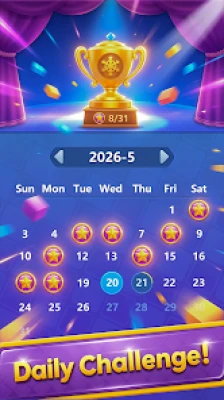
Daily Challenge Mode introduces a new puzzle every day.
Players can solve the daily challenge, earn trophies, and work toward completing a full month of challenges to unlock special rewards.
This mode encourages consistency and gives regular players something different to look forward to.
It is also a useful way to practice unusual arrangements that may require more careful planning than ordinary Classic Mode sessions.
Rotate Tool
The Rotate tool provides additional flexibility when positioning blocks.
Instead of accepting every piece in its original orientation, players can use rotation to find a better fit for the available board space.
This is particularly helpful when dealing with narrow openings, awkward corners, and complicated block combinations.
Hold Zone
The Hold feature provides another important strategic option.
It allows players to keep a useful block for later rather than placing it immediately.
This can help when the current board is not suitable for a particular shape or when a more valuable placement opportunity may appear in the next few moves.
No Time Limits
There are no time limits forcing players to make rushed decisions.
You can examine the board, compare possible placements, and choose your next move at a comfortable pace.
This makes the game suitable for short breaks and longer puzzle sessions.
Clean Graphics and Smooth Animations
The game features colorful geometric blocks, a modern visual presentation, and smooth animations.
The straightforward design keeps attention on the board and makes it easier to understand how each placement affects the available space.
How to Play Block Puzzle Brick Smash
Understanding the basic rules is essential before attempting the more difficult puzzles.
Examine the 8x8 board: Start by checking the empty spaces and identifying which rows and columns are close to being completed.
Select a block: Choose one of the available geometric shapes and consider where it will fit most effectively.
Place blocks strategically: Position the selected shape without unnecessarily blocking important spaces.
Complete full rows or columns: When every cell in a horizontal row or vertical column is occupied, the line is cleared.
Create chain reactions: Look for placements that can complete multiple lines or create opportunities for consecutive clears.
Use the Rotate tool: Change a block's orientation when doing so creates a more suitable placement.
Save useful pieces with Hold: Keep a block available for a better opportunity instead of placing it immediately.
Continue playing: In Classic Mode, keep the board manageable and aim for a higher score. In Level Mode and Daily Challenge Mode, concentrate on completing the current puzzle objectives.
Full Strategy Guide for Block Puzzle Brick Smash
Winning at block puzzles is not simply about finding empty spaces. The real challenge is managing the entire board while preparing for shapes that may be difficult to place later.
The following strategies will help you make smarter decisions, avoid common mistakes, and improve your performance across all three game modes.
Beginner Strategies
Understand the Shape of Every Block
Before placing a block, examine its complete structure.
Some pieces are small and flexible, while others occupy several connected cells and require more space.
Pay attention to:
Long horizontal blocks.
Long vertical blocks.
Square-shaped blocks.
L-shaped pieces.
T-shaped arrangements.
Irregular geometric combinations.
Understanding each shape helps you identify suitable spaces before committing to a placement.
Keep the Board Open
One of the most important rules is to preserve enough empty space for future blocks.
Avoid filling the board with scattered pieces that create narrow gaps and awkward spaces.
Try to maintain several different types of open areas so that you can accommodate a wider variety of shapes.
A flexible board gives you more options when the next pieces appear.
Clear Rows and Columns Regularly
Completing full lines is the central mechanic of Block Puzzle Brick Smash.
Whenever possible, place blocks in positions that help finish nearly completed rows or columns.
Clearing lines removes occupied cells and restores valuable space.
However, do not complete a line if doing so creates a worse position for the remaining pieces. Consider the entire board before choosing your placement.
Avoid Creating Isolated Gaps
Small empty spaces surrounded by occupied cells can become difficult to use.
For example, leaving a single empty cell in the middle of a crowded area may create a problem if no available block can fill it.
Try to avoid unnecessary gaps and maintain spaces that accommodate several possible shapes.
Examine All Available Pieces
Do not focus exclusively on the first block you see.
Look at the available shapes together and decide which placement will make the remaining pieces easier to use.
A good placement should not only fit the current block but also preserve opportunities for the other available shapes.
Use the Corners Wisely
Corners can be useful locations for certain block shapes, especially when they help organize the board.
However, filling every corner immediately is not always beneficial.
Try to keep important areas accessible and avoid creating spaces that are difficult to complete later.
Intermediate Strategies
Plan Several Placements Ahead
A strong player thinks beyond the immediate move.
Before placing a block, consider how the remaining empty spaces will look afterward.
Ask yourself:
Will this placement create a useful opening?
Can another available block fit nearby?
Will it help complete a row or column?
Does it create an awkward gap?
Will the board remain flexible for future pieces?
Planning ahead reduces unnecessary placements and helps you maintain control of the board.
Prioritize Multiple Line Clears
Clearing more than one line through a well-planned placement can significantly improve your board position.
Look for intersections where horizontal and vertical lines are nearly complete.
A single block may fill the missing spaces in both directions, allowing you to clear multiple lines simultaneously.
These combinations are especially useful in Classic Mode because they create more room and support higher scores.
Use the Hold Zone Strategically
The Hold feature is valuable when a particular block is difficult to place immediately.
For example, you may receive a long piece while the board has no suitable open area.
Rather than forcing an unfavorable placement, consider using Hold to preserve the piece for a more appropriate moment.
The best approach is to treat held blocks as strategic resources, not as a place to store every inconvenient shape.
Rotate Blocks to Discover Better Fits
Some blocks become much easier to place when their orientation changes.
Use the Rotate tool to examine alternative arrangements before filling important spaces.
A rotated piece may fit into a narrow opening, complete a line, or prevent an awkward gap.
Always compare the original and rotated positions before making your decision.
Balance Horizontal and Vertical Space
It is easy to focus on completing rows while overlooking columns.
However, both directions are equally important.
Try to develop a balanced board that offers opportunities for horizontal and vertical clears.
This makes it easier to accommodate different shapes and reduces the risk of becoming trapped by an unfavorable arrangement.
Avoid Filling the Center Too Quickly
The center of the board is an important area because many block combinations can interact with it.
Filling this area too early can restrict movement and reduce the number of possible placements.
Keep the central region reasonably flexible whenever possible, especially when the surrounding rows and columns are not close to completion.
Advanced Strategies for High Scores
Build Your Board Around Future Clears
Instead of clearing lines whenever an opportunity appears, sometimes it is better to prepare several lines for a larger combination.
For example, you might leave a few carefully chosen spaces open so that one future block can complete multiple rows or columns.
This requires patience and a good understanding of the available shapes.
The objective is to create a board where future placements produce maximum value.
Recognize High-Risk Shapes
Some block shapes are more difficult to accommodate than others.
Long pieces and larger irregular shapes may require specific open spaces.
When you receive one of these pieces, examine the board carefully before placing smaller blocks that could destroy a suitable opening.
Always consider the most restrictive shapes when planning your next moves.
Protect Important Open Spaces
Not all empty spaces are equally valuable.
A large rectangular opening may accommodate several different shapes, while a narrow opening may only support one particular arrangement.
Try to preserve flexible spaces for future blocks.
Avoid filling valuable openings simply because a smaller piece can fit there.
Create Chain Reactions
Chain reactions can turn a good placement into an excellent one.
Look for opportunities where completing one line helps position the board for another clear.
For example, a placement might complete a vertical column while also filling the final spaces of a horizontal row.
When both lines disappear, additional space becomes available for the next pieces.
Use Rotation Before Committing
Do not automatically place a piece in its original orientation.
Compare different rotations and consider how each arrangement affects nearby rows, columns, and open spaces.
A small change in orientation can make a major difference to the future shape of the board.
Think About the Worst-Case Scenario
Advanced players should not only consider the best possible outcome.
They should also think about what happens if the next pieces are difficult to place.
Ask yourself whether the board will still accommodate large blocks, long shapes, and irregular combinations.
Keeping the board flexible is often more valuable than gaining a few extra points from an immediate line clear.
Strategies for Each Game Mode
Classic Mode Strategy
Classic Mode rewards efficient board management and consistent line clearing.
For better results:
Keep several large empty areas available.
Prioritize placements that complete multiple lines.
Avoid isolated gaps.
Use Hold when a block has no suitable position.
Rotate difficult shapes when necessary.
Think about future pieces before filling valuable spaces.
Your main objective should be to keep the game going for as long as possible while steadily increasing your score.
Level Mode Strategy
Level Mode requires a slightly different approach because the stages become progressively more challenging.
For better results:
Examine the current stage before placing blocks.
Understand the specific objective of the level.
Focus on placements that contribute directly to progression.
Preserve space for difficult shapes.
Use Rotate and Hold when they provide a clear advantage.
Avoid repeating strategies that do not work with the current layout.
Adaptability is especially important because a strategy that works in one stage may be less effective in another.
Daily Challenge Mode Strategy
Daily Challenge Mode provides a fresh puzzle every day, making it a good opportunity to practice different arrangements.
For better results:
Examine the entire puzzle before beginning.
Identify difficult block combinations.
Look for the most restrictive placements first.
Plan around possible line clears.
Avoid unnecessary moves that reduce available space.
Complete daily challenges consistently to work toward monthly rewards.
Collecting trophies and completing a full month of challenges provides an additional progression goal.
Common Mistakes to Avoid
Filling empty spaces randomly: Every placement changes the board. Think about how the new arrangement affects future opportunities.
Ignoring difficult blocks: Large or irregular shapes can become difficult to place when the board is crowded. Plan for them early.
Forgetting vertical clears: Concentrating only on horizontal rows limits your opportunities to remove blocks.
Creating isolated gaps: Small holes can become difficult to fill and reduce board flexibility.
Using Hold without a plan: Save difficult pieces when appropriate, but remember that holding a block does not solve poor board management.
Ignoring the Rotate tool: Alternative orientations may reveal better placements that are easy to overlook.
Clearing lines without considering the result: A line clear is useful, but its effect on the remaining board also matters.
Filling the center too quickly: Protect important open spaces and avoid restricting future placements.
Rushing decisions: There are no time limits, so take advantage of the opportunity to examine each move carefully.
Best Tips for Improving Your Score
If your goal is to achieve higher scores in Classic Mode, focus on consistency rather than relying on lucky placements.
Keep the board open, prioritize multiple-line clears, and avoid unnecessary gaps.
Learn to recognize which shapes are difficult to place and preserve suitable spaces for them.
Use Hold when an inconvenient piece could disrupt your board arrangement, and experiment with rotation to find more efficient placements.
Most importantly, think about all available pieces before committing to a move. Good board management over several turns is more valuable than one impressive but poorly planned placement.
Frequently Asked Questions
What is Block Puzzle Brick Smash?
Block Puzzle Brick Smash is a casual block-placement puzzle game in which players arrange colorful geometric shapes on an 8x8 board and clear complete rows and columns.
How many game modes are available?
The game features three main modes: Classic Mode, Level Mode, and Daily Challenge Mode.
What is the objective of Classic Mode?
The objective is to place blocks strategically, complete full rows and columns, earn points, and keep the board from becoming too crowded.
What is Level Mode?
Level Mode offers a progression-based puzzle experience with increasingly difficult stages.
What is Daily Challenge Mode?
Daily Challenge Mode introduces a new puzzle every day. Players can earn trophies and unlock special rewards by completing a full month of challenges.
What does the Rotate tool do?
The Rotate tool allows players to change the orientation of blocks, making it easier to find suitable positions on the board.
What is the Hold feature?
Hold allows players to keep a block for later use instead of placing it immediately, providing additional flexibility when planning moves.
Does Block Puzzle Brick Smash have time limits?
No. The game allows players to think carefully and place blocks at their own pace without time pressure.
Is Block Puzzle Brick Smash suitable for beginners?
Yes. Its basic mechanics are easy to understand, making it accessible to beginners while offering enough strategic depth to challenge experienced puzzle players.
Can I play Block Puzzle Brick Smash offline?
The game is designed as a casual puzzle experience without time-based gameplay requirements. However, some online-dependent features, such as daily challenges or reward synchronization, may require an internet connection.
How can I get a higher score?
Focus on completing multiple rows and columns, preserving open spaces, avoiding isolated gaps, and planning placements around difficult shapes.
What is the best strategy for Daily Challenge Mode?
Study the available arrangement, identify restrictive pieces, and prioritize moves that preserve the space needed for future placements.
Final Thoughts
Block Puzzle Brick Smash is an enjoyable choice for players who appreciate classic block puzzles with additional strategic features. Its three game modes provide different experiences, from chasing high scores in Classic Mode to progressing through increasingly difficult stages and completing daily challenges.
The Rotate and Hold tools add useful flexibility, while the 8x8 board creates a satisfying challenge that rewards careful planning and spatial awareness.
Whether you are a beginner learning how to arrange geometric shapes or an experienced player trying to achieve a new high score, the best approach is to keep the board organized, protect valuable empty spaces, and think several moves ahead.
With patience and practice, every placement becomes an opportunity to improve your strategy and enjoy another satisfying block-clearing puzzle.
Rate the Game
User Reviews











Popular Games



















 Android
 iOS
 Windows
 Xbox