
Latest Version
September 15, 2024
Fansipan Limited
Role Playing
0
com.fansipan.summoners.era.idle
Report a Problem
More About :game
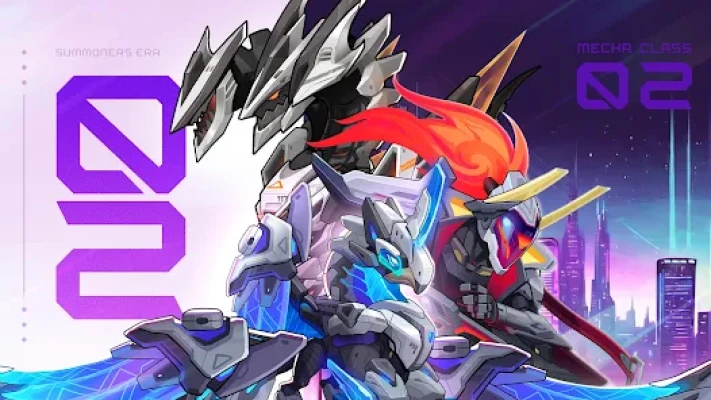
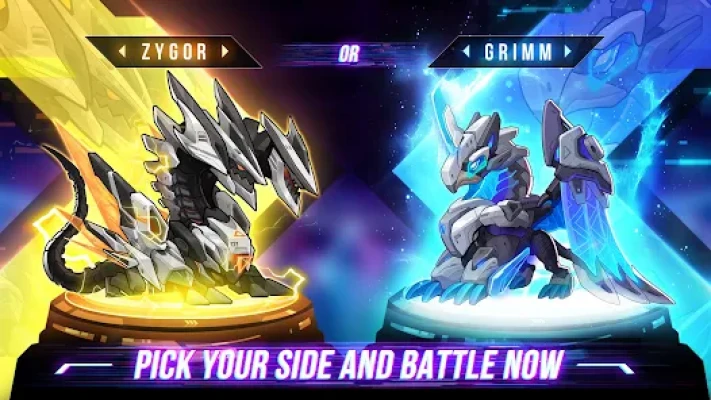
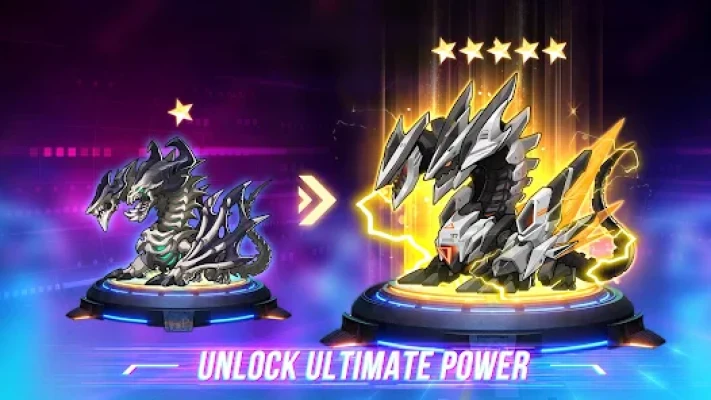
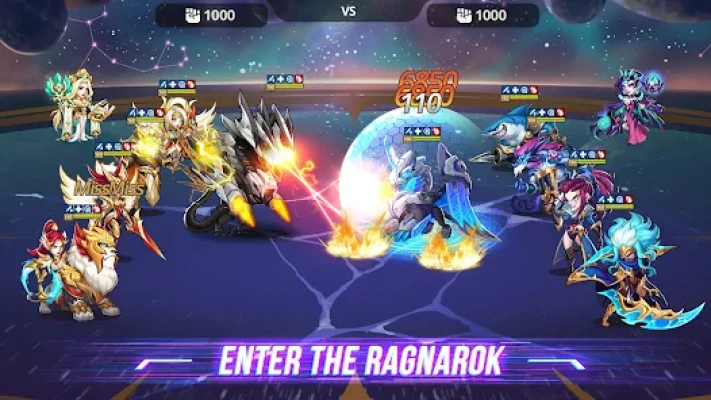
The game features more than 150 mythic heroes, six factions, and five classes: Warrior, Ranger, Priest, Mage, and Assassin. Each hero has individual skills and elemental characteristics, giving players plenty of combinations to experiment with.
Beyond the core campaign, Summoners Era includes Dragon Tower, Dungeons, Adventure, Boss Fights, Arena competition, Guild Wars, and other activities. The game supports both single-player and competitive multiplayer experiences.
Google Play currently lists 1M+ downloads, a 4.5-star rating with more than 80,000 reviews, an Everyone content rating, advertisements, and in-app purchases. The current listing shows the game was updated on May 28, 2026.
What Is Summoners Era: Idle RPG Heroes?
Summoners Era is designed around the classic idle-RPG formula: build a team, improve your heroes, complete battles, collect resources, and allow your squad to continue earning progression while you are offline.
The important difference between a good team and an average team is not simply hero rarity.
You need to consider:
Faction combinations
Hero classes
Damage distribution
Survivability
Healing
Crowd control
Enemy composition
Skill interactions
Upgrade efficiency
The requirements of each game mode
The game gives players six factions and five hero classes, while its roster contains more than 150 mythic heroes.
That means there is considerable room for experimentation rather than relying on one permanent team for every activity.
Summoners Era Game Information
| Feature | Details |
|---|---|
| Game | Summoners Era: Idle RPG Heroes |
| Developer | Fansipan Limited |
| Genre | Idle RPG / Role Playing |
| Style | Anime / Fantasy |
| Heroes | 150+ mythic heroes |
| Factions | 6 |
| Classes | 5 |
| Main Classes | Warrior, Ranger, Priest, Mage, Assassin |
| Campaign | Yes |
| Dragon Tower | Yes |
| Dungeons | Yes |
| Boss Fights | Yes |
| Adventure | Yes |
| Arena | Yes |
| Guild Wars | Yes |
| AFK Progression | Yes |
| Multiplayer | Yes |
| Offline Progression | Core idle system |
| Platform | Android, Windows |
| Downloads | 1M+ |
| Rating | 4.5 stars |
| Content Rating | Everyone |
| Ads | Yes |
| In-App Purchases | Yes |
| Latest Listed Update | May 28, 2026 |
The Google Play listing identifies Summoners Era as Role Playing, Tactical, Casual, Multiplayer, Competitive Multiplayer, and Single Player.
How to Play Summoners Era
The basic progression loop is straightforward:
Build your hero team.
Complete campaign battles.
Collect AFK rewards.
Upgrade your strongest heroes.
Summon additional heroes.
Improve equipment and other available progression systems.
Experiment with faction combinations.
Enter specialized game modes.
Join a guild.
Use your strongest teams for competitive content.
The important part is not upgrading everything equally.
Idle RPG resources are usually limited, so concentrating investment into a reliable core squad is more efficient than spreading resources across a large collection of heroes.
Understanding the Five Hero Classes
Summoners Era lists five main classes.
Warrior
Warriors are the natural frontline candidates.
Their value generally comes from:
Staying alive under pressure
Protecting vulnerable allies
Absorbing incoming damage
Giving your damage dealers more time
When building a team, consider whether your frontline can survive long enough for your backline to do its job.
Ranger
Rangers are primarily useful as ranged damage dealers.
They are particularly valuable when you need:
Consistent damage
Backline pressure
Faster elimination of vulnerable targets
Additional damage without sacrificing your frontline
Protect them carefully because damage-oriented heroes can lose their value quickly if they are eliminated early.
Priest
Priests provide healing and support.
A support hero can be extremely valuable in:
Long campaign battles
Boss encounters
Difficult tower stages
Teams that rely on sustained combat
Do not judge a support hero only by damage numbers. Keeping two important damage dealers alive for several additional turns can be more valuable than adding another attacker.
Mage
Mages provide magical abilities and can bring strong offensive or utility effects to a team.
They can be particularly useful when your team needs:
Area damage
Burst damage
Debuffs
Crowd-control effects
Additional magical pressure
Choose them according to the actual skills of the hero rather than assuming every Mage should fill exactly the same role.
Assassin
Assassins are suited to aggressive offensive strategies.
They can be valuable when you need to remove a dangerous enemy before that enemy has time to influence the battle.
A common mistake is putting too much offensive power into a team without enough protection.
A powerful Assassin is much more useful when your team can keep the rest of the battlefield under control.
The Six-Faction System
Faction selection is one of the game's important team-building mechanics.
Google Play specifically highlights six factions and encourages players to build combinations carefully.
Rather than automatically collecting heroes from every faction, build around a clear purpose.
Consider:
Which faction bonuses are available
Which heroes you already own
Which roles your team lacks
Whether the combination improves survivability
Whether your damage dealers complement one another
A slightly weaker hero that fits your overall team can sometimes be more useful than a stronger hero that doesn't contribute to the team's strategy.
The Golden Rule of Hero Investment
Don't build every hero equally.
This is one of the most important rules for an idle RPG.
If you distribute your resources among 15 different heroes, you can end up with a large roster but no truly powerful squad.
Instead:
Main Team
Invest heavily in your primary campaign team.
Secondary Team
Build alternative heroes gradually for specialized modes.
Experimental Heroes
Keep some resources available for testing promising combinations.
This approach gives you a strong foundation without completely sacrificing flexibility.
Summoners Era Campaign Strategy
The Campaign should normally be treated as one of your main progression engines.
Your goal is not simply to win one battle.
You want to push far enough to increase the quality of your ongoing rewards and unlock additional content.
Campaign Strategy
1. Push Until You Hit a Wall
Keep advancing while your current team can win consistently.
2. Don't Immediately Rebuild Everything
If you lose a battle, first identify why.
Was the problem:
Not enough damage?
Weak frontline?
Insufficient healing?
Poor target selection?
Enemy crowd control?
One hero dying too quickly?
Fix the actual problem rather than replacing your entire team.
3. Upgrade the Right Hero
If your primary damage dealer is significantly behind your other heroes, upgrading that character may produce a larger improvement than upgrading several weaker units.
4. Re-test After Every Major Upgrade
Idle RPG battles can change dramatically after one important hero gains a level, skill improvement, equipment upgrade, or other progression boost.
AFK Rewards Strategy
AFK progression is one of the central features of Summoners Era.
The game states that heroes automatically train and level up while you are away and become stronger when you return.
That means your account should be managed around the idle cycle.
Check Your AFK Rewards Regularly
Don't let your progression system become an afterthought.
When returning to the game:
Collect your accumulated rewards.
Upgrade your main team.
Check whether a new hero changes your formation.
Attempt the next campaign stage.
Visit available game modes.
Repeat your resource collection cycle.
The purpose of an idle RPG is to make progress even when you aren't actively playing.
How to Build a Balanced Team
A strong general-purpose team should cover several functions.
A useful structure can include:
Frontline durability
Main damage dealer
Secondary damage dealer
Support or healer
Utility/control
Flexible sixth position
The exact heroes should depend on the characters available to your account.
Avoid choosing six heroes simply because they have the highest displayed power.
Instead, ask:
Does every hero contribute something useful to the team?
Damage vs. Survivability
One of the most common mistakes in idle RPGs is maximizing damage while ignoring survival.
Imagine two teams.
Team A
Very high damage but the frontline collapses immediately.
Team B
Slightly lower damage but survives long enough to use its skills repeatedly.
Team B can potentially produce better results because its damage dealers have more time to operate.
When stuck, don't automatically add more damage.
Try improving:
Frontline durability
Healing
Crowd control
Defensive abilities
Target protection
Dragon Tower Strategy
The Dragon Tower is one of the game's dedicated progression modes.
Tower-style content rewards consistency because each stage can test your team against different enemy arrangements.
Dragon Tower Tips
Use Your Strongest Core
Start with your main squad rather than constantly experimenting.
Watch What Defeats You
If the same enemy repeatedly destroys your team, identify the specific threat.
Change One Variable
Instead of rebuilding everything, try:
Different positioning
A different support hero
More defensive capability
A stronger single-target attacker
A different faction combination
Save Your Alternative Heroes
Some heroes that seem mediocre in Campaign can become useful in specialized content.
Dungeon Strategy
Dungeons provide another way to obtain progression resources and test different team combinations.
Treat each Dungeon as a specific challenge rather than using one formation automatically.
Before entering, consider:
Enemy durability
Expected battle length
Your healing requirements
Single-target versus area damage
Enemy control effects
If a Dungeon repeatedly defeats you, determine whether the problem is your overall power or simply the wrong team composition.
Boss Fight Strategy
Boss battles are usually about maximizing useful damage while surviving long enough to keep attacking.
Build Around the Boss
Don't automatically use your standard PvP team.
A boss encounter can reward:
Sustained damage
Single-target attackers
Buffs
Debuffs
Healing
Survivability
Your objective is to make every hero contribute consistently throughout the encounter.
Arena Strategy
The Arena changes the way you think about team building.
In Campaign, you generally know what you are facing.
In PvP, the opponent's team determines your response.
Before committing to a formation, consider:
Their strongest damage dealer
Their frontline
Their support hero
Their crowd control
Their likely win condition
Your goal is to disrupt the opponent's strategy rather than simply maximizing your own combat rating.
Guilds and Guild Wars
Summoners Era includes guilds and Guild Wars, allowing players to compete alongside other players for rewards.
Guild content should be treated as part of your long-term account progression.
Guild Strategy
Look for a guild that:
Has active members
Participates in available guild content
Has reasonable activity expectations
Fits your preferred playing schedule
If a guild is inactive, changing guilds can be more useful than remaining in a group that doesn't participate.
A recent Google Play review specifically complained about difficulty finding active guilds; the developer acknowledged the concern and directed the player to in-game support. This is one player's experience, not proof that guild activity is universally low.
Hero Summoning Strategy
Summoning is exciting, but don't let it control your resource management.
When you obtain a new hero, ask:
Does this hero improve my main team?
Does the hero fill a missing role?
Does the hero create a useful faction combination?
Is the hero better suited to a specialized mode?
Can I realistically invest enough resources to make the hero useful?
A new hero isn't automatically an upgrade.
How to Handle Duplicate Heroes
Duplicate heroes can be useful for progression systems depending on the game's current upgrade requirements.
Before consuming or investing in a duplicate, check whether you need it for:
Hero advancement
Skill progression
Faction-related requirements
Future team building
Avoid using valuable duplicates impulsively.
Resource Management
Idle RPG accounts often suffer from inefficient resource spending rather than a complete lack of resources.
Prioritize resources toward:
1. Your Main Carry
Your primary damage dealer should normally receive substantial investment.
2. Your Main Tank
A dead frontline cannot protect your damage dealers.
3. Essential Support
If your team depends on healing or utility, keep that hero sufficiently developed.
4. Secondary Team
Only invest heavily once your primary squad is stable.
What to Do When Progress Stops
Hitting a progression wall is normal in an idle RPG.
Don't immediately assume you need to spend money.
Try this checklist:
Check Your Heroes
Are your main characters properly upgraded?
Check Your Formation
Could changing positions solve the problem?
Check Your Factions
Can a different combination improve your squad?
Check Equipment
Are your strongest items assigned to the correct heroes?
Check Other Modes
Can another activity provide the resources you need?
Wait for AFK Rewards
Sometimes the best move is simply to let your account accumulate resources before trying again.
Recent player reviews include complaints about progression slowing substantially after the early period, while another long-standing review described progression as slow but steady. These are individual experiences and illustrate that progression speed can be perceived differently by players.
Beginner Mistakes to Avoid
Mistake 1: Leveling Too Many Heroes
Keep your main squad ahead of the rest.
Mistake 2: Chasing Power Rating
A high number doesn't guarantee that the team has good synergy.
Mistake 3: Ignoring Factions
Faction combinations are an important part of the game's team-building system.
Mistake 4: Ignoring Support Heroes
Healing and utility can determine whether a team survives long enough to win.
Mistake 5: Using One Team Everywhere
Campaign, bosses, tower content, and Arena can require different approaches.
Mistake 6: Spending Premium Resources Immediately
Keep valuable resources until you have a clear reason to use them.
Mistake 7: Ignoring AFK Rewards
The idle system is one of the game's central progression mechanics.
Advanced Team-Building Strategy
Once your account has a stable core team, begin creating specialized formations.
Campaign Team
Prioritize consistency and survival.
Boss Team
Prioritize sustained damage and useful support.
Arena Team
Prioritize speed, disruption, burst damage, or whatever combination counters the opponent.
Tower Team
Prioritize adaptability and the ability to handle different enemy formations.
Guild Team
Build around the specific requirements of the current guild activity.
This approach prevents you from trying to force one six-hero lineup into every piece of content.
How to Make Better Faction Combinations
Don't think of factions only as a collection requirement.
Think of them as a strategic tool.
When choosing between two heroes, compare:
Hero A: stronger individually but doesn't fit your faction structure.
Hero B: slightly less impressive individually but completes a useful team combination.
Hero B may be more valuable to your overall formation.
The best choice depends on your current roster and the mode you're playing.
PvP Preparation
Before entering Arena battles, examine your opponent.
Look for:
The most dangerous damage dealer
The strongest defensive hero
The primary support
Heroes that appear to control the battle
Gaps in the opponent's formation
Then adjust your team accordingly.
PvP is less about having one universal formation and more about understanding the opponent.
Long-Term Progression Plan
For a new account, a practical progression path is:
Early Game
Focus heavily on Campaign progression and establish a dependable core team.
Developing Account
Start expanding your roster and experimenting with faction combinations.
Mid Game
Build specialized teams for Tower, Dungeons, Bosses, and Arena.
Advanced Account
Optimize faction synergy, hero roles, equipment, and competitive formations.
Endgame Mindset
Instead of asking:
"Which hero is strongest?"
Ask:
"Which hero makes my entire team stronger?"
That change in thinking is important as your roster expands.
Is Summoners Era: Idle RPG Heroes Free to Play?
The game is free to download and contains advertisements and optional in-app purchases. Google Play also marks the game as containing in-game purchases that can include random items.
A free-to-play player can still approach the game strategically by concentrating resources, using AFK progression effectively, and avoiding unnecessary spending.
The pace of progression may be slower than for players who spend money, and this is also reflected in some player reviews.
Honest Gameplay Assessment
Summoners Era follows a familiar idle-RPG formula rather than trying to completely reinvent the genre.
Its appeal comes from the combination of:
Large hero roster
Six faction system
Five classes
Automatic progression
Multiple PvE modes
Arena competition
Guild Wars
Anime-style presentation
The large number of heroes gives team building plenty of room, particularly for players who enjoy experimenting with different combinations.
The main consideration is progression speed. Some player reviews report that advancement becomes slower after the early stages and that resource requirements can become demanding. Other players describe the slower progression as acceptable for a relaxed idle game. These are player perspectives rather than an objective measure of the game's balance.
Overall, the game's appeal is strongest for players who enjoy gradual account development rather than constant active combat.
Pros and Cons
Pros
150+ mythic heroes
Six factions
Five different classes
Automatic AFK progression
Campaign and multiple PvE modes
Dragon Tower
Dungeons
Boss Fights
Arena PvP
Guild Wars
Anime-inspired presentation
Single-player and multiplayer elements
Regular progression systems and events
Cons
Progression can become slower at higher stages
Large hero rosters can make resource management complicated
Ads and in-app purchases are present
Some players report frustration with resource requirements
Guild activity may vary between players and regions
Success in competitive content depends heavily on roster development
The current Google Play listing shows a 4.5-star rating from more than 80,000 reviews, while recent and older reviews contain a mixture of praise for the game's fun and art and criticism of progression and guild availability.
Latest Update
Google Play currently lists May 28, 2026 as the latest update date. The visible update notes mention:
Summon and equipment balancing
UI/UX improvements
Bug fixes
Performance optimization
The store listing also highlights a new hero, The Flameborn Mage, in its current events and offers section.
Third-party app tracking identifies the Android version as 4.2.3 and also records May 28, 2026 as the latest update date.
Frequently Asked Questions
What is Summoners Era: Idle RPG Heroes?
Summoners Era is an anime-style idle RPG focused on collecting heroes, building teams, earning AFK rewards, and progressing through PvE and PvP content.
How many heroes are in Summoners Era?
The official Google Play description says the game features more than 150 mythic heroes.
How many factions are in Summoners Era?
The game currently lists six factions.
What classes are available?
The five listed classes are Warrior, Ranger, Priest, Mage, and Assassin.
Does Summoners Era have AFK rewards?
Yes. Heroes automatically train and level up while you are away, making AFK progression one of the game's central systems.
What game modes are available?
The Google Play listing mentions Campaign, Dragon Tower, Dungeon, Adventure, Boss Fight, Arena, and Guild Wars.
Is Summoners Era multiplayer?
Yes. The listing identifies both multiplayer and competitive multiplayer elements, including Arena and Guild Wars.
Is Summoners Era free to play?
The game is listed with ads and in-app purchases.
What is the best team in Summoners Era?
There isn't one universal team that is ideal for every situation. The most useful lineup depends on your heroes, faction combinations, enemy formation, and game mode.
What should beginners upgrade first?
Concentrate resources on a reliable core team rather than spreading upgrades across your entire roster.
How do I get past a progression wall?
Collect AFK rewards, improve your main heroes, reconsider your formation, review faction combinations, and test specialized teams before spending premium resources.
Should I build multiple teams?
Yes, once your main team is stable. Specialized teams can become useful for Boss Fights, Tower content, Dungeons, and Arena.
Final Thoughts
Summoners Era: Idle RPG Heroes is built around a simple but effective idle-RPG loop: collect heroes, improve your squad, claim AFK rewards, overcome progression walls, and gradually expand the range of content you can clear.
The game's biggest strategic element is its roster system. With more than 150 mythic heroes, six factions, and five classes, team composition matters as much as individual hero strength.
For beginners, the most important lesson is to concentrate your resources. Build one dependable core squad first, then expand into specialized teams as your account develops.
Don't judge every hero individually. Look at how the entire team works together.
And when progression slows down, remember that idle RPGs are designed around gradual growth. Use the AFK system, improve your core heroes, experiment with formations, and make every upgrade count.
Rate the Game
User Reviews










Popular Games



















 Android
 iOS
 Windows
 Xbox