
Latest Version
September 19, 2025
TINYBUILD LLC
Action
iOS
0
Report a Problem
More About :game
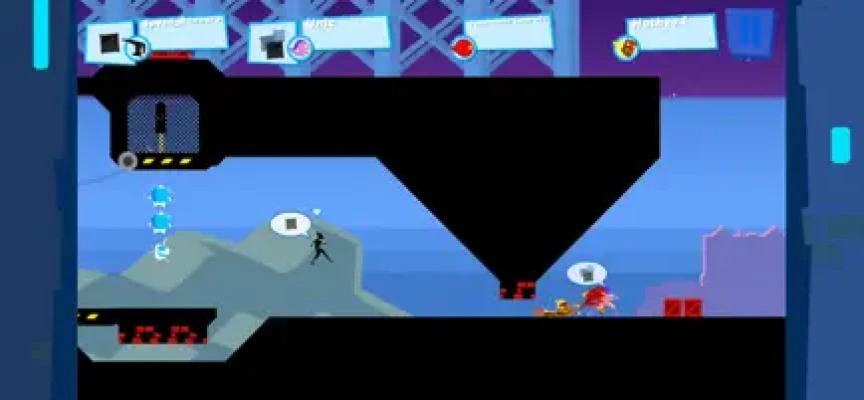
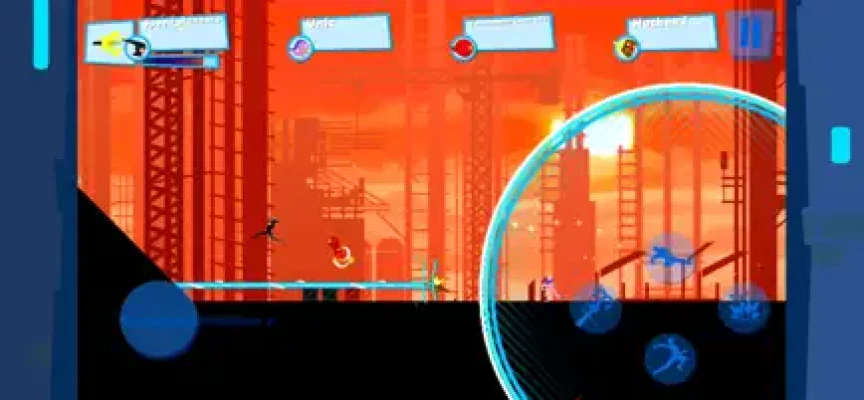
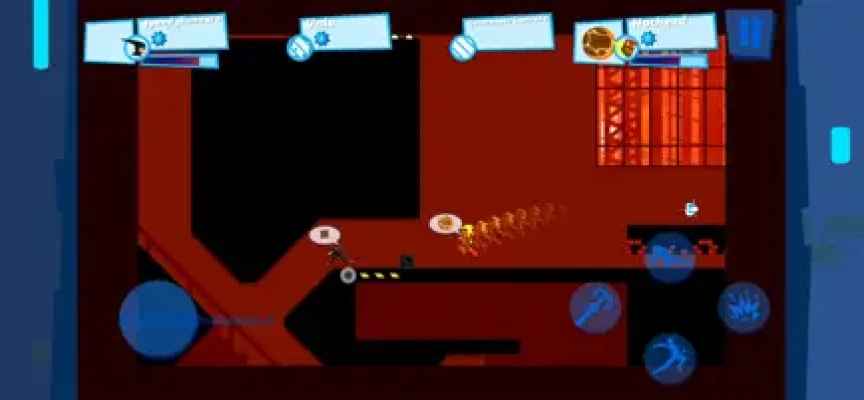
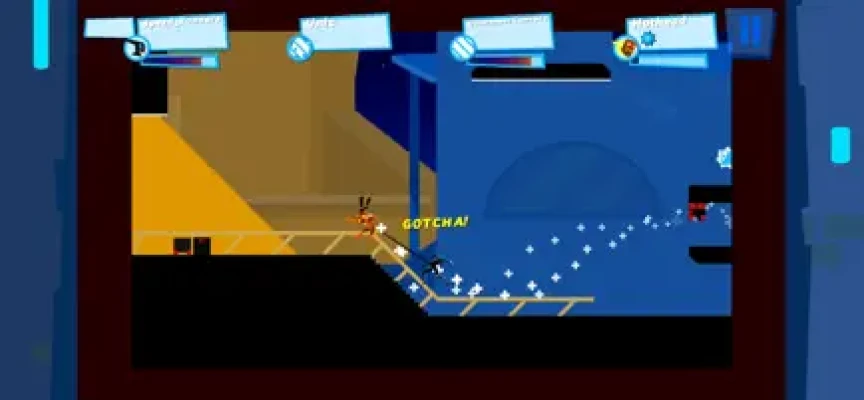
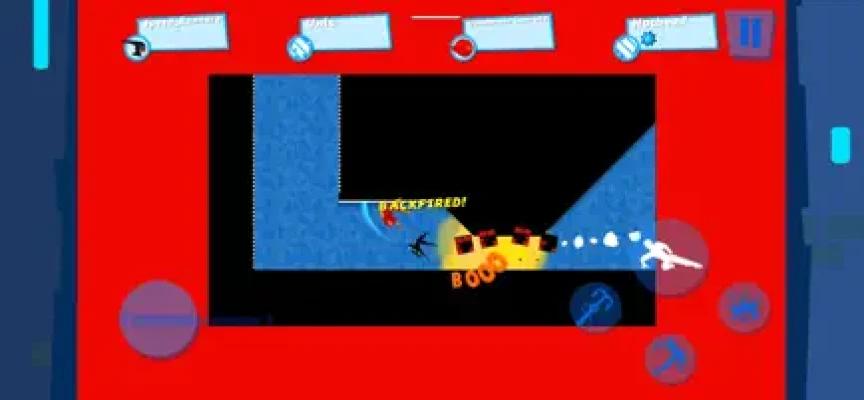
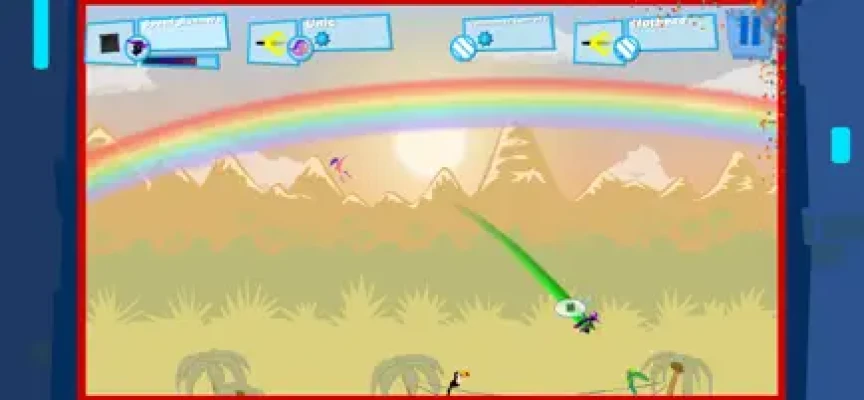
The game combines platform racing with light combat. Running quickly is important, but knowing when to jump, slide, grapple, attack or take a safer route can make the difference between finishing first and being eliminated. The iOS version is published by tinyBuild and is listed as a free game with in-app purchases.
What Is SpeedRunners: Online PVP?
Unlike a traditional racing game where everyone simply tries to reach a finish line first, SpeedRunners turns the race itself into a battle.
Players constantly compete for screen position. If you fall too far behind, the screen eventually closes in and eliminates you. That creates a tense race where momentum, route knowledge and quick reactions are equally important.
The core movement system revolves around:
- Running
- Jumping
- Sliding
- Grappling
- Swinging around obstacles
- Using environmental objects
- Collecting pickups
- Attacking rival runners
- Maintaining enough speed to remain on-screen
The original game is built around four-player competitive racing, grappling hooks, power-ups and interactive environments.
How the Gameplay Works
A typical race is a constant cycle of accelerating, navigating obstacles, grabbing useful pickups and disrupting opponents.
The runner at the front is not automatically safe. A well-timed missile, hook or environmental trap can completely change the order.
Likewise, the player in second or third place should not panic. A single mistake from the leader can bring the entire pack back together.
This makes SpeedRunners more about controlled momentum than simply holding the fastest route.
Main Features
Four-Player Competitive Racing
Matches are designed around intense competition between multiple runners. Every player's movement affects the others because the camera and elimination system reward staying close to the action.
Grappling Hook Movement
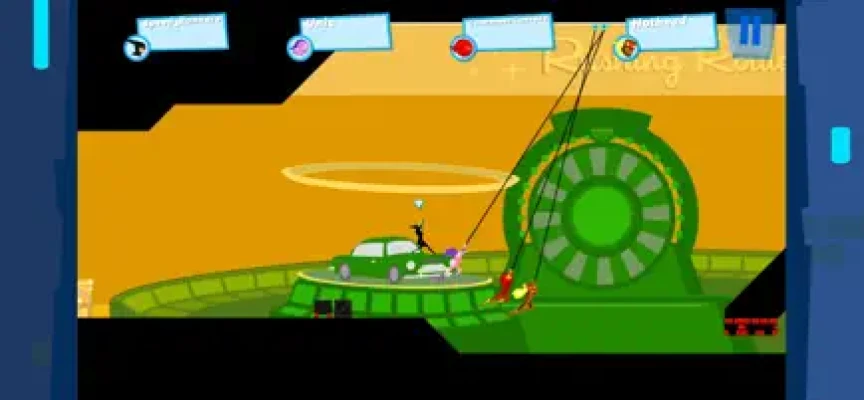
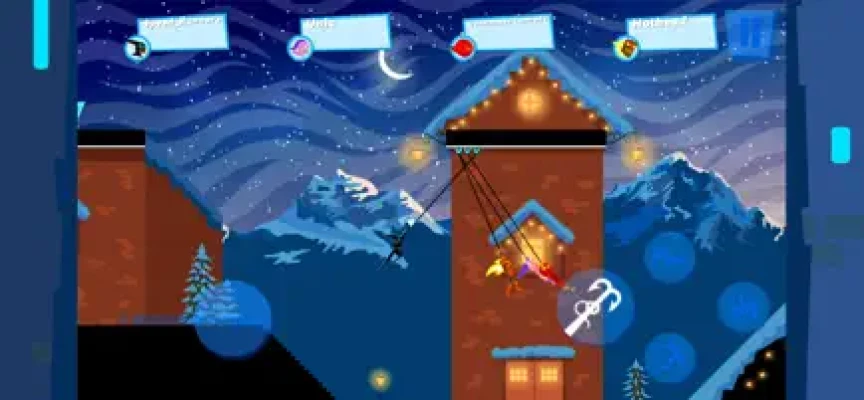
The grappling hook is one of the defining mechanics of SpeedRunners. It lets you attach to suitable points and swing through sections of a course while maintaining momentum.
Learning where and when to grapple is one of the biggest differences between a beginner and an experienced player.
Pickups and Weapons
Pickups give players ways to attack rivals or change the flow of a race. The original game includes items such as the Golden Hook and Homing Missile alongside other offensive and defensive tools.
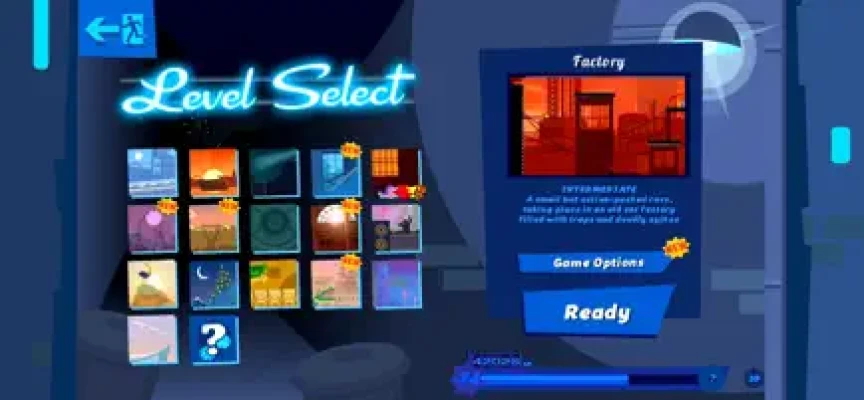
Interactive Courses
The tracks are more than straight lines. Platforms, walls, obstacles and environmental elements create different movement possibilities.
Fast Matches
There is very little downtime. A mistake can cost several positions within seconds, so the game rewards concentration and quick decisions.
Full SpeedRunners Strategy Guide
1. Learn Movement Before Chasing Speed
The biggest mistake beginners make is trying to go as fast as possible immediately.
Speed only helps if you can control it.
Start by practicing:
- Jump timing
- Sliding under obstacles
- Landing accurately
- Grappling onto distant points
- Releasing the grapple at the right moment
- Recovering after a bad landing
- Maintaining momentum through corners
A clean run with slightly slower movement is usually better than a reckless run that repeatedly crashes.
2. Master the Grappling Hook
The grappling hook is central to advanced movement.
Do not think of it simply as a way to cross a gap. Its real value comes from preserving momentum and changing your route through the level.
Try to identify grapple points before reaching them.
A strong sequence often looks like:
Run → Jump → Grapple → Swing → Release → Land → Continue running
The release point matters just as much as the initial grapple.
If you release too early, you lose distance. If you release too late, you may swing into an obstacle or lose your ideal route.
3. Don't Grapple Automatically
A grapple is not always the fastest choice.
Sometimes a normal jump or slide keeps more momentum than a poorly positioned swing.
Before using the hook, consider:
- Where will you land?
- Will the swing slow you down?
- Is another player directly behind you?
- Can the grapple help you avoid an obstacle?
- Does the route leave you vulnerable to an attack?
Good players use the hook because it improves their position, not simply because it is available.
4. Learn the Course Layouts
Map knowledge is one of the strongest advantages in SpeedRunners.
After playing a course several times, stop focusing only on your character and start memorizing the sequence of important features.
Look for:
- Grapple points
- Narrow passages
- Long drops
- Safe landing platforms
- Hazard locations
- Alternate routes
- Pickup locations
- Places where opponents frequently collide
Once you know the course, you can react before the obstacle appears on screen.
5. Maintain Momentum Through Transitions
Many races are won during transitions between sections.
For example, exiting a grapple with enough speed to immediately jump can be much more valuable than simply landing safely.
Try to chain movement actions together instead of treating every action separately.
A strong run should feel fluid:
Sprint → Jump → Slide → Grapple → Release → Jump
The exact sequence changes according to the course, but the principle remains the same: avoid unnecessary pauses.
6. Use Pickups With a Purpose
Don't fire an item simply because you have it.
Ask what the item can accomplish right now.
If you're chasing the leader, an offensive pickup can create an opening.
If you're already leading, defensive use may be more valuable.
The original game's pickup system is specifically designed to let players outwit opponents rather than simply increase raw speed.
7. Use the Homing Missile to Force Mistakes
The Homing Missile follows an opponent and can stun players caught by its explosion. It can also destroy nearby crates.
The best time to use it is often when the opponent is entering a difficult section.
A missile is more dangerous when the target has limited room to react.
Look for situations where the opponent is:
- Grappling
- Landing from a jump
- Moving through a narrow corridor
- Approaching an obstacle
- Recovering from another mistake
The objective isn't merely to hit them. The objective is to make them lose momentum.
8. Understand the Golden Hook
The Golden Hook can pull a runner toward you and change the relative positions of the two players. It can also be avoided by techniques such as sliding under it or using obstacles and other defensive interactions.
Don't waste it on a target who has an easy escape route.
The best opportunities usually occur when:
- The target is approaching a narrow section
- Their movement is predictable
- They are already recovering from an obstacle
- You need to close a significant gap
- The hook can disrupt their route
The Golden Hook is particularly powerful because it can affect both positioning and momentum.
9. Attack During Difficult Movement Sections
Attacking on an open, simple stretch gives your opponent plenty of time to react.
Instead, wait for moments when movement becomes complicated.
For example, if a rival is already committed to a grapple swing, landing sequence or narrow passage, an attack can force a much larger mistake.
This is one of the most important competitive habits to develop:
Don't just ask whether you can attack. Ask when the opponent is least able to recover.
10. Don't Waste Your Lead
When you're in first place, your strategy changes.
You don't need to constantly attack everyone behind you.
Your priority becomes:
- Maintain momentum.
- Avoid unnecessary risks.
- Take reliable routes.
- Collect useful defensive opportunities.
- Force opponents to make mistakes.
A spectacular shortcut is not always worth attempting when you're already comfortably ahead.
11. Know When to Take the Safe Route
Competitive players often lose races because they become obsessed with taking the fastest possible path.
A risky shortcut may save a fraction of a second but cost the entire race if you miss the landing.
Use risky routes when:
- You're behind
- You need to catch someone
- The normal route is blocked
- You have practiced the shortcut
- The potential reward is greater than the risk
When you're comfortably ahead, consistency is usually more valuable.
12. Recover Quickly After a Mistake
Everyone makes mistakes.
The important part is what happens immediately afterward.
If you miss a jump, don't spend the next few seconds trying to recreate the previous movement perfectly.
Focus on recovery.
Look for:
- The nearest safe platform
- A usable grapple point
- A shortcut back into the main route
- A way to regain momentum
A quick recovery can turn what looked like a disastrous mistake into a minor setback.
Advanced Racing Tactics
Control the Screen Position
The game rewards players who understand the relationship between their position and the camera.
Being slightly behind isn't necessarily disastrous.
The dangerous situation is allowing the gap to become large enough that you lose your ability to recover.
Stay close enough to the pack to capitalize on mistakes.
Force Opponents Into Bad Routes
You don't always need to hit another player directly.
Sometimes your presence can force them into a less comfortable route.
If you are close behind, the opponent may rush a jump or grapple because they feel pressure.
That pressure can create the mistake you need.
Combine Movement With Attacks
Advanced play becomes much more effective when movement and attacks are combined.
For example:
- Grapple while preparing an attack.
- Use a pickup immediately after landing.
- Attack while an opponent is committed to a swing.
- Use environmental objects to limit an opponent's escape.
- Maintain forward momentum after firing.
Don't stop racing just because you're attacking.
Learn Pickup Timing
Knowing where pickups appear is useful, but understanding when to collect them is even better.
Sometimes taking an item immediately is correct.
Other times, delaying your approach or changing your route can give you a better tactical opportunity.
The pickup system is strongest when it becomes part of your route planning rather than an afterthought.
Beginner Tips for SpeedRunners
- Learn each course before attempting difficult shortcuts.
- Practice grappling until it feels natural.
- Don't use every pickup immediately.
- Attack opponents during difficult movement sections.
- Maintain momentum after landing.
- Avoid unnecessary jumps.
- Watch how experienced players take corners and transitions.
- Learn alternative routes.
- Recover quickly after mistakes.
- When leading, prioritize consistency over flashy plays.
Common Mistakes to Avoid
Overusing the Grappling Hook
A grapple that looks impressive isn't necessarily faster.
Attacking Without a Plan
A wasted pickup can leave you defenseless when you actually need it.
Taking Every Shortcut
Shortcuts require practice. A failed shortcut is often much slower than the normal route.
Ignoring Opponent Position
SpeedRunners is a competitive race, so constantly check where the other runners are.
Panicking When You're Behind
A large gap can disappear quickly after one mistake by the leader.
Taking Too Many Risks While Leading
When you're ahead, you don't need to prove that you can take the hardest route.
How to Improve Quickly
The fastest way to improve is to practice one skill at a time.
Session 1: Movement
Focus only on clean jumps, slides and landings.
Session 2: Grappling
Practice recognizing grapple points and releasing at useful angles.
Session 3: Routes
Choose one map and learn its safest and fastest routes.
Session 4: Pickups
Concentrate on learning when offensive and defensive items are most useful.
Session 5: Competition
Combine movement, route knowledge and item timing during real races.
This approach is much more effective than simply playing dozens of matches without analyzing mistakes.
SpeedRunners on iPhone and iPad
The App Store version is designed for iPhone and iPad. The current listing reports a 4.7/5 rating from around 4,000 ratings, a 426 MB size, a 9+ age rating and support for iPhone and iPad devices.
The listing says the game requires iOS 10.0 or later and supports devices beginning with older compatible iPhone and iPad models.
The mobile version also includes customizable control options. Its version history notes an extended tutorial and control customization intended to help both new and experienced players.
Mobile Controls: What to Practice
Touch controls can make precision movement more demanding than playing with a physical controller.
Spend some time finding the control arrangement that feels natural.
Pay particular attention to:
- Jump timing
- Slide timing
- Direction changes
- Grapple activation
- Rapid movement combinations
Don't judge your performance after only a few races. Mobile movement takes some adjustment, especially when you start learning advanced grapple routes.
Some older App Store reviews specifically criticized the mobile control layout and suggested that more flexible control customization would improve the experience, while other reviews praised the underlying game.
Honest Review
SpeedRunners: Online PVP remains an appealing choice for players who enjoy competitive platform racing rather than conventional racing games.
Its greatest strength is the movement system. Running, jumping, grappling and using pickups creates a race where mechanical skill and decision-making constantly interact.
The main caveat on iOS is that the multiplayer experience can depend heavily on the available player population. Historical App Store reviews complained about matchmaking, bots and difficulty finding human opponents, so players looking specifically for a consistently busy online community should keep that limitation in mind.
Pros
- Fast and exciting competitive races
- Excellent grappling-based movement
- Four-player racing
- Combat and racing work together
- Pickups create comeback opportunities
- Plenty of room to improve mechanically
- Strong replay value for competitive players
- Works well for short gaming sessions
Cons
- Mobile controls can take time to master
- Online matchmaking may not always provide the ideal human-player experience
- Beginners can struggle against experienced runners
- Small movement mistakes can be heavily punished
- The game becomes much more enjoyable after learning the maps
Is SpeedRunners: Online PVP Worth Playing?
Yes, especially if you enjoy competitive platform games, multiplayer racing, fast movement and games where skill matters more than simply choosing the fastest vehicle.
The game has a relatively simple premise, but its movement system provides substantial depth. Learning grapple routes, controlling momentum, understanding pickups and predicting opponents can turn an apparently chaotic race into a highly technical competition.
For casual players, it works as a quick action game. For competitive players, mastering the movement system can become the real challenge.
Frequently Asked Questions
Is SpeedRunners: Online PVP a racing game?
Yes. It is a competitive platform racing game that combines high-speed movement with combat, pickups and environmental hazards.
How many players can race?
The game is designed around races involving up to four runners.
What makes SpeedRunners different from normal racing games?
Instead of driving vehicles around a conventional track, players run through platforming environments while jumping, grappling and using pickups against opponents.
What is the most important skill?
Movement control is the foundation. Once your jumping, sliding and grappling become consistent, you can concentrate more on route optimization and opponent tactics.
Are pickups important?
Yes. Pickups can disrupt opponents, create openings and change the outcome of a race.
How do I get better at grappling?
Practice identifying grapple points before reaching them and experiment with different release timings. The goal is to use the hook to preserve or improve momentum rather than simply reach the next platform.
Is the iOS version free?
The App Store currently lists SpeedRunners: Online PVP as free with in-app purchases.
Does SpeedRunners support iPhone and iPad?
Yes. The App Store lists both iPhone and iPad as supported platforms.
SpeedRunners: Online PVP Game Information
- Game: SpeedRunners: Online PVP
- Genre: Racing / Action / Platform
- Developer: tinyBuild LLC
- Platform: iPhone, iPad
- Age Rating: 9+
- App Size: 426 MB
- Price: Free with in-app purchases
- Language: English
- Current App Store Rating: 4.7/5
- Players: Up to four competitors
- Core mechanics: Running, jumping, sliding, grappling and pickups
- iOS Requirement: iOS 10.0 or later
Final SpeedRunners Strategy Checklist
Before your next competitive race, remember:
- Learn the route before chasing the record.
- Use the grapple to maintain momentum.
- Release swings at useful moments.
- Don't waste pickups.
- Attack when opponents are vulnerable.
- Use the environment to your advantage.
- Recover quickly after mistakes.
- Take safer routes when you're leading.
- Use risky shortcuts when you genuinely need them.
- Practice one movement skill at a time.
The difference between an average SpeedRunner and a great one is rarely raw speed alone. It is the ability to maintain momentum while making better decisions under pressure.
Rate the Game
User Reviews







Popular Games
















 Android
 iOS
iOS Windows
 Xbox
Xbox