
Latest Version
October 18, 2026
Tim Kretz
Puzzle
iOS
0
Report a Problem
More About :game
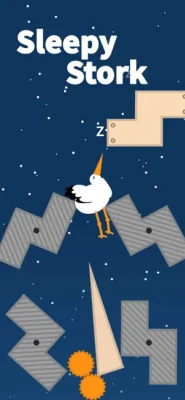
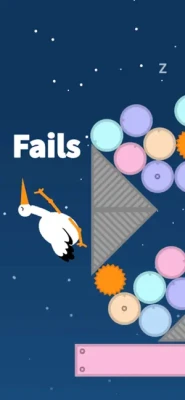
Sleepy Stork takes a simple idea and turns it into a surprisingly entertaining puzzle adventure. After becoming sleepy during its long journey south, the stork falls from the sky and must somehow reach a comfortable bed. The problem is that the route is filled with obstacles, platforms, and mechanisms that can send the bird tumbling in unexpected directions.
Your job is to figure out how the environment works and make the right moves to guide the stork safely to its destination. Every successful level brings a new dream, giving the game an additional layer of curiosity beyond its physics puzzles.
Rather than relying on complicated controls or fast reactions, Sleepy Stork rewards players who observe carefully, understand how objects interact, and choose the right moment to act.
Sleepy Stork Game Information
Game title: Sleepy Stork
Developer: Tim Kretz
Genre: Physics-based puzzle game
Gameplay style: Casual, single-player puzzle solving
Main objective: Guide a sleepy stork safely into bed
Core mechanics: Activating and removing obstacles, timing actions, and using physics
Level content: More than 100 levels, according to the Google Play description
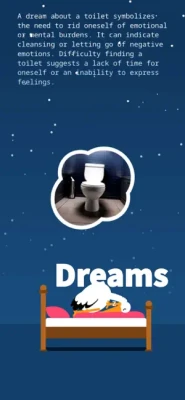
Dream feature: Discover a different dream and its meaning after completing a level
Platforms: iPhone, iPad, and Android
iOS compatibility: iOS 13 or later
Languages: English and German
Age rating: 4+ on the US App Store
Price: Free to start, with in-app purchases
Developer: Independent creator Tim Kretz
Main Gameplay Features
1. Physics-Based Puzzle Challenges
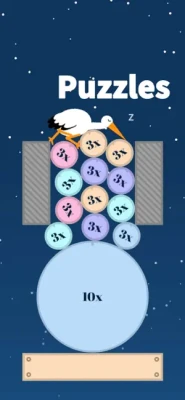
The central attraction of Sleepy Stork is its physics-driven gameplay. The bird's body moves in a floppy, unpredictable way, so even a small change to the environment can affect how it falls, bounces, or slides.
Each stage asks you to understand the relationship between the stork and its surroundings. A successful solution depends on more than simply tapping objects randomly.
2. Timing and Obstacle Interaction
Players can activate or remove obstacles to influence the stork's movement. The order and timing of these actions matter because gravity and momentum continue to affect the character.
Some puzzles may look easy at first but require you to think about what happens several seconds after an object moves.
3. Dream Discovery
Reaching the bed is not the end of the experience. Each completed level introduces a different dream and an explanation of its meaning.
This feature gives Sleepy Stork a distinctive identity among casual puzzle games. It combines playful problem-solving with dream-themed discoveries that encourage players to continue through the levels.
4. Humorous Character Physics
The stork's floppy body is an important part of the game's personality. Its awkward movements and unexpected tumbles can turn a failed attempt into an amusing moment.
The physics also make it important to consider the character's position and momentum before changing an obstacle.
5. Casual, Accessible Gameplay
Sleepy Stork is designed around straightforward objectives rather than complicated controls. It is suitable for players who prefer bite-sized challenges, lighthearted presentation, and puzzles that can be enjoyed at their own pace.
Complete Sleepy Stork Strategy Guide
Understand the Goal Before Acting
At the beginning of each level, identify the bed and study the route between the stork and its destination.
Look for obstacles that block the path, objects that might redirect the bird, and mechanisms that could change the way it falls. Instead of immediately tapping everything on the screen, spend a few moments understanding the layout.
A clear idea of the intended route makes it easier to decide which object should move first.
Study Gravity and Momentum
Gravity is one of the most important elements in Sleepy Stork. Once the bird begins falling, it gains movement that can carry it past an obstacle or into another part of the level.
Keep these principles in mind:
A falling object gains speed as it descends.
A collision can change the direction of movement.
A poorly timed action may cause the stork to miss the bed.
The bird's floppy body can make its final position less predictable than expected.
Think about where the stork will be after your next action, not just where it is right now.
Use Obstacles to Control the Route
Obstacles are not always things to avoid. Depending on their arrangement, they can influence the stork's direction and help guide it toward the target.
Before removing or activating an object, ask yourself three questions:
What will happen immediately after I change this object?
Where will the stork move next?
Will that movement bring it closer to the bed or create another problem?
This simple method helps turn trial and error into a more deliberate approach.
Master the Timing of Each Action
Timing becomes especially important when the stork is already moving. Activating a mechanism too early or too late can change the entire outcome.
For better results, watch the bird's position carefully and consider whether an obstacle should be removed before the fall begins or while the character is moving.
If an attempt fails, identify the exact moment when the route went wrong. Changing one action at a time makes it easier to understand the puzzle's intended solution.
Learn From Failed Attempts
Failure is useful when it reveals something about the level's physics. If the stork misses the bed, examine the reason rather than repeating the same sequence.
For example:
If the bird falls too far to one side, consider which obstacle could redirect it.
If it becomes trapped, look for a mechanism that opens another route.
If it reaches the bed's area but fails to land safely, reconsider the timing of the final movement.
If a collision sends it in an unexpected direction, observe the impact and adjust your next attempt.
The goal is to learn how each part of the environment affects the bird.
Plan the Whole Sequence
Some physics puzzles are easier when you think several steps ahead. An obstacle that appears unimportant at the beginning may determine whether the stork reaches the bed later.
Mentally divide the solution into three stages:
Stage 1: Starting movement. Work out how the bird will begin its descent.
Stage 2: Mid-route control. Determine which obstacles need to be activated or removed to keep the stork moving toward the target.
Stage 3: Final landing. Focus on the last part of the route and avoid actions that might send the bird away from the bed.
You do not need to predict every movement perfectly. Having a basic plan is enough to reduce unnecessary mistakes.
Tips for Progressing Through Difficult Levels
Tip 1: Observe before tapping. Look at every visible obstacle and try to understand its purpose before starting the sequence.
Tip 2: Change one thing at a time. If a solution fails, modify a single action so you can identify what made the difference.
Tip 3: Pay attention to movement speed. The stork may move differently depending on how far it has fallen and what it has collided with.
Tip 4: Do not assume the shortest route is best. A longer path involving carefully timed collisions may be more reliable than a direct fall.
Tip 5: Watch the final approach. Reaching the bed is the objective, so make sure your earlier actions leave the bird in a position from which a safe landing is possible.
Tip 6: Be patient with unfamiliar mechanics. Later puzzles can combine several obstacles, making observation and planning more useful than random tapping.
Tip 7: Enjoy the dream sequences. The dream discoveries are part of the game's appeal, so take time to explore what each completed level reveals.
Common Mistakes to Avoid
Removing obstacles without considering what will happen next.
Activating mechanisms before the stork is in the correct position.
Ignoring the effects of momentum and collisions.
Repeating an unsuccessful strategy without changing anything.
Focusing entirely on the first half of the route and overlooking the landing.
Expecting every level to use the same solution pattern.
The best approach is to treat each stage as its own small physics experiment. Learn from the outcome, adjust your timing, and try again.
Is Sleepy Stork Difficult?
Sleepy Stork is easy to understand because the objective is straightforward: get the bird safely into bed. The challenge comes from predicting movement and choosing the correct sequence of actions.
New players can begin by learning how obstacles affect the stork. More experienced puzzle fans may enjoy working out solutions with fewer failed attempts.
The game is better suited to players who enjoy thoughtful, casual challenges than those looking for competitive action or demanding reflex-based gameplay. Exact difficulty ratings and level-specific solutions can vary, so it is best not to assume every stage follows the same pattern.
Sleepy Stork Pros and Cons
Pros
An unusual and memorable physics-puzzle concept.
Funny character movements that add personality.
Straightforward objectives that are easy to understand.
More than 100 levels listed on Google Play.
Dream-themed discoveries after successful stages.
Suitable for short gaming sessions.
A combination of observation, timing, and problem-solving.
Cons
Physics can make some outcomes feel unpredictable.
Players who prefer fast action may find the pace too slow.
Repeated attempts may be necessary to understand certain puzzles.
Advertisements may interrupt gameplay; an in-app purchase to remove ads is listed on the App Store.
Players seeking a long story or extensive character progression may want more depth.
Frequently Asked Questions
What is Sleepy Stork?
Sleepy Stork is a casual physics-based puzzle game in which you guide a sleepy bird through obstacles and into a cozy bed. Each successful level reveals a new dream and its meaning.
How do you play Sleepy Stork?
Study the level, then activate or remove obstacles at the right time to control the stork's movement. Your goal is to help it reach the bed safely.
How many levels does Sleepy Stork have?
The Google Play description advertises more than 100 levels. The exact number available may depend on the current version of the game.
Is Sleepy Stork free to play?
Yes. The game is listed as free to start, with in-app purchases. The US App Store listing includes a paid option to remove advertisements.
Is Sleepy Stork available on iPhone and iPad?
Yes. The game is available for iPhone and iPad and requires iOS 13 or later according to its App Store listing.
Is Sleepy Stork available on Android?
Yes. Sleepy Stork also has an Android version.
What makes Sleepy Stork different from other puzzle games?
Its combination of floppy, physics-driven character movement and dream discoveries gives it a distinctive style. Players solve environmental puzzles and then explore the dream associated with each completed level.
Does Sleepy Stork require quick reflexes?
The main challenge is understanding the level and timing your actions correctly. Careful observation and planning are generally more important than constant rapid tapping.
Is Sleepy Stork suitable for children?
The US App Store lists the game as suitable for ages 4 and up. Parents should still review the current store information and advertising or purchase options before allowing younger children to play.
What is the best strategy for difficult levels?
Study the layout, predict the bird's movement, and change obstacles in a deliberate sequence. If a solution fails, adjust one action at a time to discover what works.
Final Verdict
Sleepy Stork is a charming choice for players who enjoy casual physics puzzles with a playful twist. Its central challenge is simple to explain but entertaining to work through: understand the environment, manipulate obstacles, and guide an awkwardly tumbling bird into bed.
The dream-themed rewards give each successful stage an additional sense of discovery, while the unpredictable physics provide much of the humor. Although some puzzles may require patience and repeated attempts, players who enjoy experimenting with solutions should find plenty to appreciate.
If you are looking for a lighthearted puzzle game that combines timing, logic, and amusing physics, Sleepy Stork is worth considering.
Rate the Game
User Reviews







Popular Games


















 Android
 iOS
iOS Windows
 Xbox
Xbox