
Latest Version
October 13, 2026
Supercent, Inc.
Puzzle
0
com.hidea.leaguepuzzle
Report a Problem
More About :game
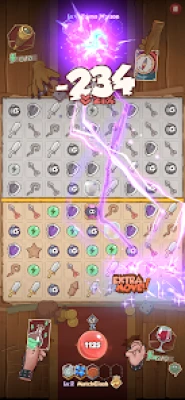
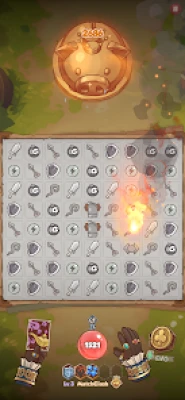
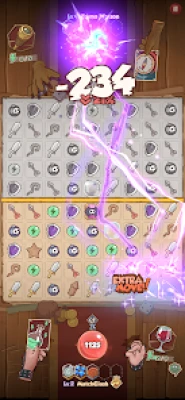
Match Clash: 3 Puzzle Game brings a competitive twist to the familiar match-3 formula. Rather than focusing only on clearing a board, the game connects puzzle-solving with direct battles against opponents. Every move can contribute to your offensive pressure, help charge a character's abilities, or create an opportunity to turn a difficult match around.
The central challenge is balancing speed with smart decisions. Making matches quickly can help maintain momentum, but choosing the right combination and using abilities at the right moment can be just as important. Players must pay attention to the board, understand their available powers, and make the most of the tools they have unlocked.
Beyond its real-time puzzle battles, Match Clash includes collectible cards, hero upgrades, boosters, competitive progression, guild features, and additional challenges. These systems give players reasons to experiment with different approaches instead of relying on the same moves in every match.
One important detail for anyone discovering the game now is that its store listing announces that the Match Clash game service will be discontinued. The availability of battles, events, purchases, and other online features may therefore be affected. Check the game's in-game announcement before investing time or money in its progression systems.
Game Information
Game Title: Match Clash: 3 Puzzle Game
Developer: Supercent, Inc.
Genre: Match-3 Puzzle, Competitive Puzzle, Casual Strategy
Core Gameplay: Match tiles, charge hero abilities, use boosters, and compete in puzzle battles.
Game Modes and Activities: Real-time PvP matches, progression challenges, guild activities, and dungeon content were among the listed features.
Character System: Unlock heroes through collectible cards and improve their abilities.
Progression: Advance through challenges, collect rewards, and strengthen your available characters.
Monetization: The game listing includes advertisements and in-app purchases.
Important Service Notice: The game listing states that the Match Clash service will be discontinued. Current online functionality and future access should be verified in the game itself.
Main Features of Match Clash
1. Real-Time Match-3 Battles
The main attraction is the competitive puzzle format. Players match tiles while facing opponents in real time, making each decision part of a larger contest. Success depends on recognizing useful matches, reacting quickly, and maintaining a clear idea of what the board offers.
This structure makes Match Clash different from a conventional match-3 game built entirely around clearing a set number of tiles. Here, puzzle decisions are tied to battle performance, so the value of a move depends on how it supports your overall strategy.
2. Heroes With Unique Abilities
Heroes add another layer of planning to each battle. Matching tiles helps charge character powers, allowing players to activate abilities during combat.
A useful approach is to understand what each available hero can do before committing to a particular playstyle. Some situations call for building pressure quickly, while others require a more patient approach. The best choice depends on the character's ability and the situation in the match.
3. Boosters and Tactical Options
Boosters provide additional ways to influence a battle. Their value comes from using them when they can make a meaningful difference, rather than activating them automatically whenever they become available.
Learning when to use a booster is part of the game's strategic appeal. A well-timed advantage may help maintain momentum or recover from an unfavorable position.
4. Collectible Cards and Hero Upgrades
The collection system allows players to gather cards, unlock heroes, and improve character abilities. These upgrades support long-term progression and encourage experimentation with different characters.
Rather than spending every resource immediately, players can compare the benefits of available upgrades and focus on improvements that support their preferred strategy.
5. Competitive Progression
Match Clash offers a progression system in which players face increasingly challenging competition and work toward stronger characters and better results.
Competitive play rewards more than quick reactions. Familiarity with the puzzle board, consistent decision-making, and an understanding of hero abilities can all help improve performance.
6. Guilds and Group Activities
Guild features add a social element to the game. Players can join other members, exchange strategies, and participate in guild-related activities where available.
For players who enjoy competitive games with a community component, this can make progression feel more connected to a shared goal rather than a purely individual challenge.
7. Dungeon Challenges
Dungeon content was also introduced as part of the game's later updates. These stages involve enemies with their own abilities and offer themed challenges, along with a Dungeon Pass featuring missions and rewards.
Dungeon stages provide a different kind of objective from direct PvP battles. Players can focus on overcoming specific encounters and working toward the rewards attached to the available missions.
How to Play Match Clash: 3 Puzzle Game
Step 1: Learn the Match-3 Board
Begin by examining the available tiles and identifying matches that can be made immediately. Avoid selecting moves without checking how they affect the rest of the board.
As you become more familiar with the puzzle layout, start looking for opportunities that may create additional matches or improve your next move.
Step 2: Understand How Hero Powers Charge
Matches contribute to charging character abilities. Pay attention to how your actions affect the available powers and learn which situations make those abilities most useful.
Do not assume that the fastest match is always the strongest choice. Consider whether a different move could build toward a more valuable ability or create a better tactical opportunity.
Step 3: Choose Moves With a Purpose
Before making a match, ask yourself what you want that move to accomplish. You might want to build ability charge, maintain pressure, prepare a follow-up match, or make better use of the current board.
This simple habit can make your decisions more consistent and reduce unnecessary moves.
Step 4: Use Boosters Carefully
Boosters should support your plan rather than replace it. Consider the current state of the battle and whether using a booster now offers a meaningful benefit.
When resources are limited, avoid spending them on minor advantages that do not improve your position significantly.
Step 5: Develop Your Heroes
Collect cards and use available progression systems to unlock and strengthen characters. Review the abilities of your heroes and choose upgrades that complement how you prefer to play.
A strong roster is useful, but understanding how to use a character matters too.
Step 6: Explore Other Activities
Where the relevant features remain available, try progression challenges, guild activities, and dungeon stages. Different activities can offer different objectives and reward opportunities.
Because the game has announced service discontinuation, some modes or online systems may no longer be accessible.
Full Strategy Guide for Match Clash
1. Balance Speed With Accuracy
Real-time puzzle battles naturally encourage fast decisions. However, moving quickly without understanding the board can lead to missed opportunities.
Build a habit of scanning the available matches before choosing one. Look for moves that provide immediate value while leaving the board in a useful state for the next action.
The aim is not to analyze every possible combination for too long. Instead, develop a quick and repeatable decision process that helps you identify strong moves without losing momentum.
2. Look Beyond the First Available Match
The most obvious match is not always the most useful. A different combination may create a better follow-up or contribute more effectively to your current objective.
Before committing, briefly compare the strongest visible options. Consider whether one move gives you a better position for the next turn or helps charge a useful ability.
This becomes especially valuable in close battles, where small differences in decision quality can influence the result.
3. Make Hero Abilities Part of Your Plan
Hero powers should be considered while selecting matches, not only after they become available.
Learn which abilities you use most often and identify the kinds of situations in which they are valuable. If a particular power can help you regain momentum, think about how your upcoming moves can bring it into play.
Avoid treating every ability activation as an automatic decision. Its value depends on the battle state and the effect it can have at that moment.
4. Time Boosters Around Important Moments
Boosters are most useful when they solve a real problem or strengthen an already promising position.
For example, consider whether a booster can help you recover from a poor board, improve a useful combination, or create an advantage when the match is close. If its benefit is minor, saving it may be the better choice.
Do not use every available resource simply because it is ready. A deliberate approach makes it easier to recognize when a booster is genuinely worthwhile.
5. Build a Hero Roster That Suits Your Playstyle
Unlocking additional heroes expands your strategic options. Instead of upgrading characters without a plan, pay attention to their individual abilities and how those abilities fit your preferred approach.
Ask yourself whether a hero supports aggressive play, helps you respond to difficult situations, or offers a useful alternative when your usual strategy is not working.
Because the exact best choice depends on the available character balance and your own experience, there is no single hero recommendation that should be treated as universally strongest.
6. Spend Upgrade Resources Thoughtfully
Collectible cards and hero upgrades form an important part of progression. Resources are more useful when they improve characters you actually understand and intend to use.
Before upgrading a hero, consider how frequently you use that character and whether the improvement is likely to help in your preferred activities.
Avoid spreading resources too thinly across every available option if doing so prevents you from developing a reliable main choice.
7. Review Defeats Instead of Repeating the Same Approach
Losing a match can reveal a weakness in your decision-making. Consider whether you missed a useful match, activated an ability at the wrong moment, or spent a booster without gaining much value.
Try changing one part of your approach in the next match. This makes it easier to understand which decisions are helping and which are holding you back.
Randomly changing every part of your strategy makes improvement harder to measure.
8. Approach Competitive Matches Differently From Progression Stages
PvP battles reward adaptability because an opponent introduces an additional source of pressure. You must consider both your own puzzle opportunities and the pace of the contest.
Progression stages and dungeon challenges, when available, may require a different approach. These activities are better treated as specific objectives to solve rather than simply as races against another player.
Adjust your priorities to the mode instead of using the same strategy everywhere.
9. Use Guild Activities for Shared Learning
If guild functionality is available, use it as an opportunity to exchange practical advice. Discussions about character choices, effective use of abilities, and difficult encounters can help you identify options you may have overlooked.
The most useful advice is specific. Instead of asking only which hero is strongest, ask what makes a particular character effective and in which situations that advantage matters.
10. Understand the Limits of Long-Term Progression
Match Clash has included card collection, character upgrades, competitive play, guilds, and dungeon-related progression. However, the announced service discontinuation changes how players should approach long-term investment.
Before purchasing an item or spending significant time on progression, review the in-game notice and confirm which features remain operational. Do not assume that online matches, purchases, events, or rewards will remain available indefinitely.
Common Mistakes to Avoid
Making the first match you notice: Quickly compare the available options instead of selecting a move automatically.
Ignoring hero abilities: Remember that puzzle decisions contribute to character powers, so consider your abilities while planning.
Using boosters without a clear reason: Spend them when they offer a meaningful advantage, not merely because they are available.
Upgrading characters without a plan: Focus on heroes whose abilities fit your preferred strategy.
Repeating unsuccessful tactics: Review what happened in a loss and adjust your approach.
Treating every game mode identically: Competitive battles and progression challenges can reward different priorities.
Ignoring the service announcement: The game listing states that its service will be discontinued. Verify current functionality before making purchases or committing to long-term progression.
Is Match Clash: 3 Puzzle Game Worth Playing?
Match Clash combines familiar match-3 mechanics with real-time competition, hero abilities, boosters, collectible cards, and character progression. That combination may appeal to players who enjoy puzzle games but want more tactical decisions than simple board clearing.
Its strongest gameplay idea is the relationship between matching tiles and using character abilities. Players are encouraged to think about both the immediate puzzle and the larger battle, giving individual moves more purpose.
The collection and upgrade systems add another layer for players who enjoy building a roster and improving their options over time. Guilds and dungeon challenges also broaden the experience beyond direct PvP encounters.
However, there is a major limitation for new players: the game's listing announces that the service will be discontinued. This means the game's current accessibility and online features need to be checked before recommending it as an ongoing competitive experience.
Final verdict: Match Clash offers an interesting blend of match-3 puzzles and competitive strategy, but its service-discontinuation notice is essential context. Players should verify the current status before spending money or investing in long-term progression.
Frequently Asked Questions
What is Match Clash: 3 Puzzle Game?
Match Clash: 3 Puzzle Game is a match-3 puzzle game that combines real-time PvP battles with hero abilities, boosters, collectible cards, and character progression.
How does Match Clash gameplay work?
Players match tiles to progress through puzzle battles and charge their heroes' abilities. Strategic decisions, booster use, and character development contribute to the competitive experience.
Does Match Clash have PvP battles?
Yes. Real-time player-versus-player puzzle battles are one of the game's main advertised features. However, current online availability should be checked because the game has announced that its service will be discontinued.
Can you unlock and upgrade heroes?
The game includes a collectible card system for unlocking heroes and improving their abilities. The availability of these systems may be affected by the service discontinuation.
Does Match Clash include dungeon challenges?
Dungeon content was introduced in an update, including themed stages, enemies with unique abilities, and Dungeon Pass missions. Check the game's current state to see whether this content remains accessible.
Is Match Clash free to play?
The store listing includes advertisements and in-app purchases. Players should review the current in-game information before making any purchases.
Is Match Clash still available?
The store listing contains a notice that the Match Clash game service will be discontinued. Availability of the app and its online features may vary, so check the latest in-game announcement rather than assuming the service is fully operational.
What is the best strategy for Match Clash?
A strong general approach is to examine the board before making a move, choose matches with a clear purpose, understand how hero abilities charge, and use boosters when they offer meaningful value. Adapt your tactics to the battle rather than relying on speed alone.
Does Match Clash have guilds?
Guilds are among the listed features. They provide a social layer for players to connect, share strategies, and participate in group activities where available.
Final Thoughts
Match Clash: 3 Puzzle Game takes the familiar match-3 format and adds competitive battles, hero powers, boosters, collectible cards, guilds, and additional challenges. Its appeal lies in combining quick puzzle decisions with longer-term character progression.
For a game guide, the most useful advice is to plan matches with purpose, understand character abilities, manage boosters carefully, and learn from unsuccessful battles. At the same time, the service-discontinuation announcement should remain clear to readers. It is an important part of the game's current status and should not be hidden from anyone considering playing it.
Rate the Game
User Reviews




Popular Games



















 Android
 iOS
iOS Windows
 Xbox
Xbox