
Latest Version
October 09, 2024
GungHo Online Entertainment, INC.
Puzzle
iOS
0
Report a Problem
More About :game
PUZZLE & DRAGONS STORY – FULL GAME GUIDE
What is Puzzle & Dragons Story?
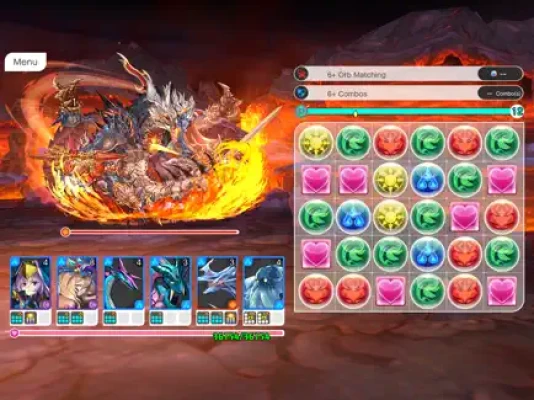
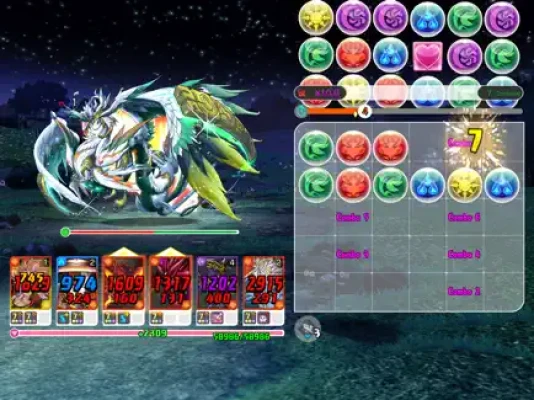
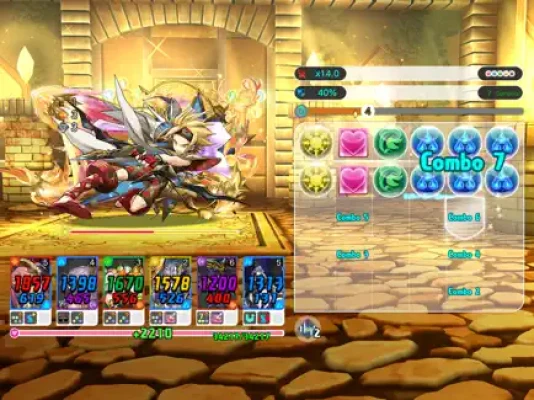
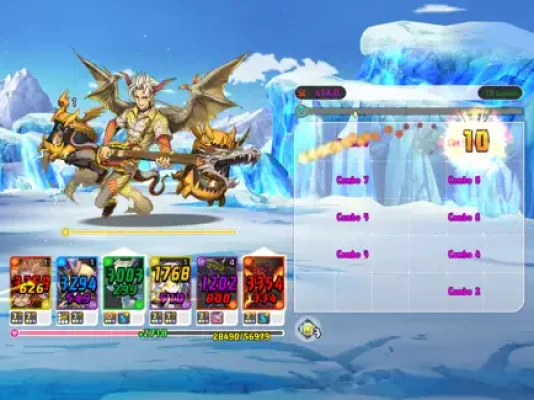
Puzzle & Dragons Story is a single-player puzzle RPG where battles are resolved by matching colored orbs on a grid. Each match triggers attacks from your team of monsters, combining strategy, timing, and combo creation.
The game removes heavy multiplayer and focuses on a structured story campaign where you gradually unlock monsters, improve teams, and progress through increasingly difficult dungeons.
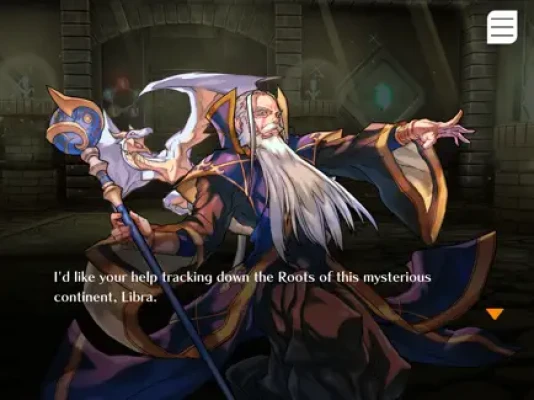
Players take the role of a Root Hunter, exploring the world of Libra after a mysterious catastrophe reshaped civilization.
Core Gameplay Mechanics Explained
Orb Matching System
The core combat system is based on matching orbs:
- Match 3 or more same-color orbs → triggers attack
- Match 5+ orbs → stronger damage + multi-target attacks
- Chain combos → massively increases damage output
Orb Elements
- 🔴 Fire → strong vs Wood
- 🔵 Water → strong vs Fire
- 🟢 Wood → strong vs Water
- 🟡 Light → strong vs Dark
- ⚫ Dark → strong vs Light
Understanding elemental advantages is key to winning harder battles.
Dungeon Battle Flow
Each dungeon follows this structure:
- Enter stage
- Fight waves of enemies
- Use skills when needed
- Match orbs strategically
- Defeat boss at end of dungeon
Enemy types vary in defense, attack timing, and elemental resistance.
Monster Recruitment System
Instead of traditional gacha-heavy systems, progression relies on:
- Collecting materials in dungeons
- Creating new monsters
- Upgrading existing allies
- Unlocking stronger evolutions
This makes progression more predictable and strategy-driven.
Beginner Walkthrough (Step-by-Step)
Step 1: Learn Basic Combos
Start by focusing on:
- Simple 3-orb matches
- Avoiding wasted moves
- Learning board control
Do NOT try advanced combos early.
Step 2: Complete Early Story Stages
Early stages are designed to teach mechanics:
- Understand enemy attack patterns
- Learn elemental weaknesses
- Build your first stable team
Step 3: Build Your First Balanced Team
Recommended structure:
- 2 Damage dealers
- 1 Tank unit
- 1 Healing/support unit
- 1 Flexible slot (element coverage)
Balance matters more than rarity.
Step 4: Upgrade Core Monsters Only
A major beginner mistake is upgrading everything.
Instead:
✔ Focus on your main team
✔ Avoid spreading resources
✔ Prioritize synergy over quantity
Step 5: Farm Materials Efficiently
Repeat early dungeons to collect:
- Evolution materials
- Upgrade resources
- Crafting components
This unlocks stronger monster creation paths.
Step 6: Learn Combo Positioning
Advanced board control includes:
- Planning 2–3 moves ahead
- Creating combo chains
- Aligning multi-color matches
High combos = faster dungeon clears.
Advanced Strategy Guide
Mid-Game Progression
Once difficulty increases:
Focus Areas
- Element synergy teams
- Skill timing optimization
- Resource farming efficiency
Avoid random team mixing.
Boss Fight Strategy
Bosses often require:
- Saving skills for final phase
- Using defensive timing
- Prioritizing survival over damage
Efficient Team Building
Strong Team Formula
- Main DPS (highest damage output)
- Secondary DPS (element coverage)
- Tank (damage reduction)
- Support (healing/buffs)
- Utility unit (combo or debuff support)
Pro Tips Most Players Miss
Tip 1: Element Advantage is Everything
Even strong monsters lose if elements are wrong.
Tip 2: Don’t Rush Progression
Grind materials before pushing harder stages.
Tip 3: Skill Timing Wins Battles
Using skills too early reduces effectiveness.
Tip 4: Combo Consistency > Big Combos
Steady 4–6 combos are better than risky plays.
Tip 5: Replay Early Dungeons
They are the fastest resource source early game.
Users Feedback Insights
Based on player experiences:
What Players Like
- Clean single-player progression
- No pressure from competitive systems
- Satisfying combo-based combat
- Strategic monster creation system
- More accessible than older PAD titles
Common Criticisms
- Grinding required for materials
- Some difficulty spikes in mid-game
- Limited explanation after early tutorial
- Repetitive farming loops
Overall Impression
The game is generally seen as:
✔ More beginner-friendly than classic Puzzle & Dragons
✔ More structured and story-focused
✔ Less overwhelming but still strategically deep
Common Beginner Mistakes
1. Ignoring Elemental Matchups
This is the fastest way to lose battles.
2. Spreading Resources Too Thin
Upgrade only your core team.
3. Poor Skill Timing
Using abilities too early reduces boss effectiveness.
4. Not Farming Materials
Progress slows significantly without farming.
5. Random Team Composition
Synergy matters more than raw stats.
Frequently Asked Questions
Is Puzzle & Dragons Story beginner-friendly?
Yes. It is designed as a more accessible version of the Puzzle & Dragons formula.
Does the game require grinding?
Yes, but grinding is structured around material farming rather than random drops.
Is team building important?
Very important. Proper synergy determines success in harder dungeons.
How long is the game?
The main story can be completed quickly, but post-game progression extends gameplay significantly.
Final Verdict
Puzzle & Dragons Story delivers a streamlined, single-player-focused puzzle RPG experience that removes many complexities of the main series while keeping its core strategic orb-matching combat intact.
It is best suited for players who enjoy:
- Puzzle RPG mechanics
- Team-building strategy
- Structured progression systems
- Offline or solo gameplay
While it can feel grind-heavy at times, the overall design offers a more accessible entry point into the Puzzle & Dragons universe with a strong focus on tactical combat and steady progression.
Rate the Game
User Reviews






Popular Games















 Android
 iOS
iOS Windows
 Xbox
Xbox