
Latest Version
January 23, 2026
H2T GLOBAL PTE. LTD.
Puzzle
0
Report a Problem
More About :game
Onet Online is a casual pair-matching puzzle game developed by H2T GLOBAL PTE. LTD.
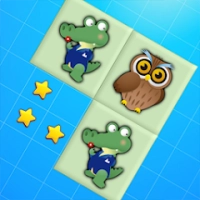
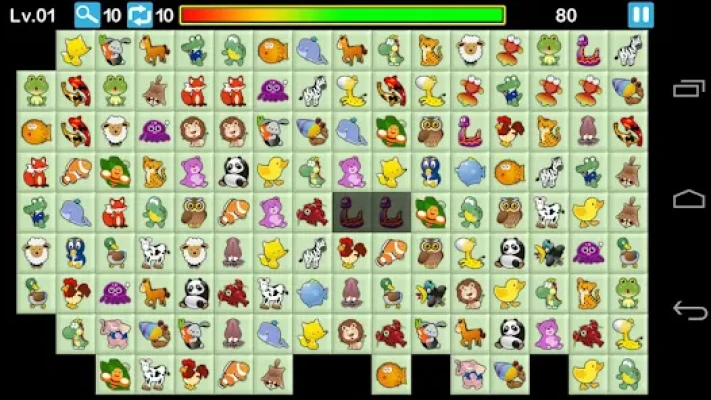
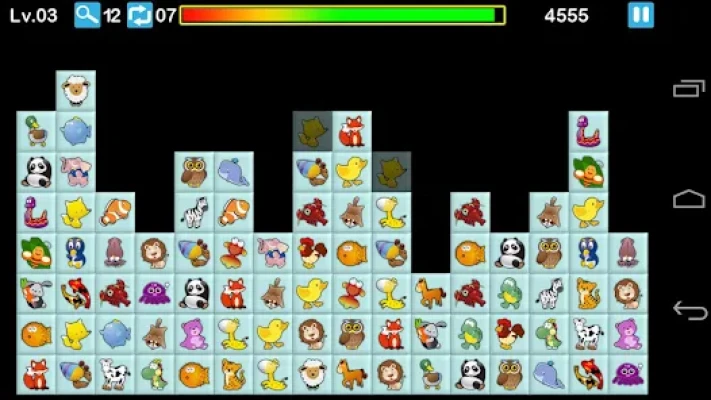
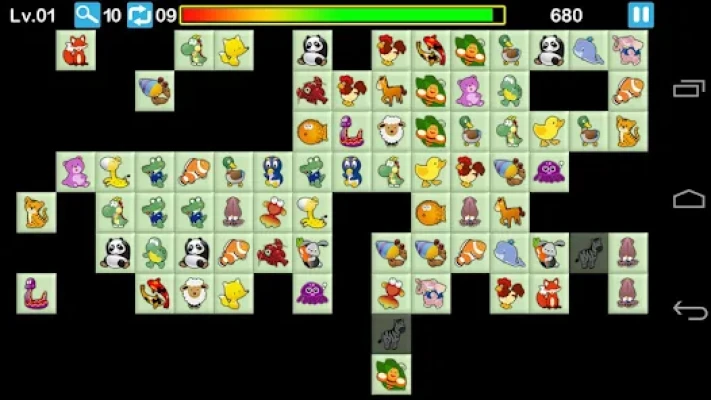
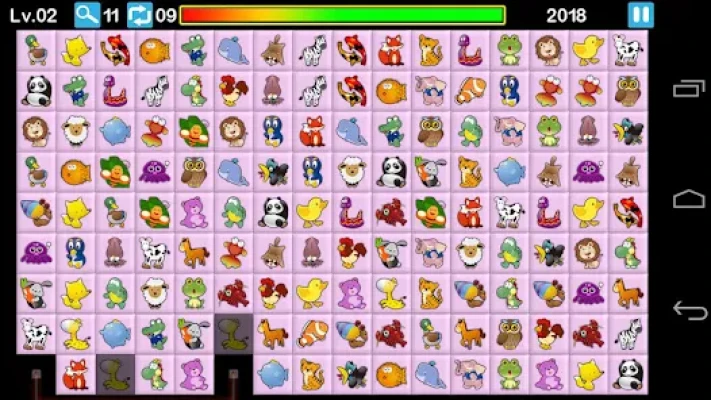
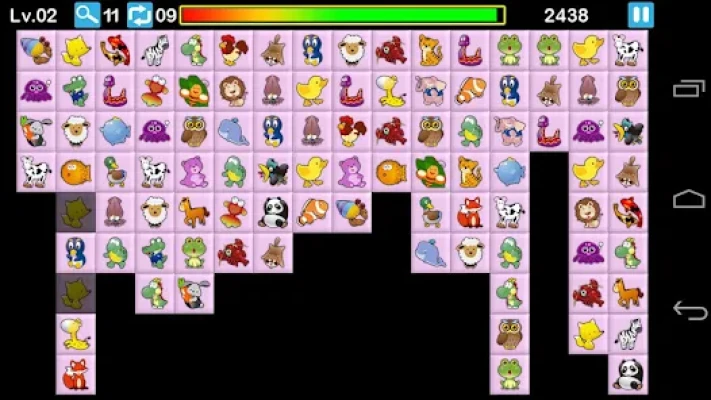
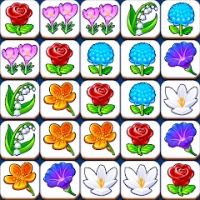
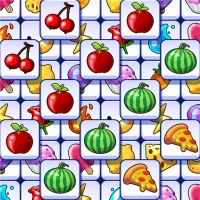
Each puzzle board contains different images arranged as matching pairs. Your objective is to locate two identical images and remove them by creating a legal connection between them.
The connection can travel around other tiles, but the path must follow the game's three-line rule.
The concept is easy to learn, but clearing increasingly complicated boards requires more than simply spotting identical pictures.
Main Features
- Classic Onet-style pair matching
- Identical image matching
- Three-line connection rule
- Large selection of levels
- Colorful and friendly images
- Smooth visual effects
- Sound effects
- Online leaderboard
- Offline leaderboard
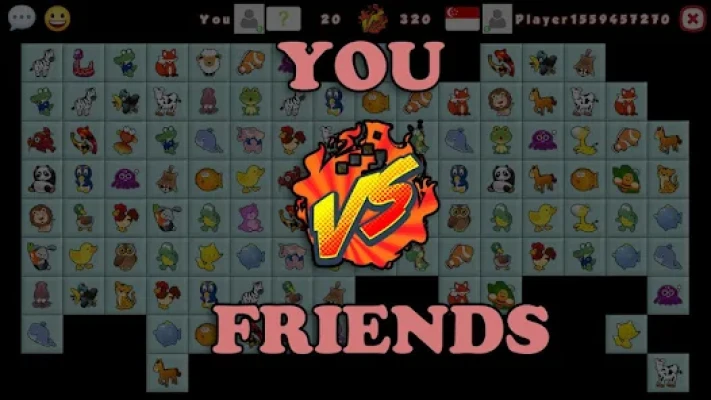
- Online multiplayer with friends
- Automatic save-game support
- Single-player gameplay
- Offline play
- Competitive multiplayer features
- Android and Windows support
Google Play currently lists Onet Online under Puzzle, Pair Matching, Casual, Multiplayer, Competitive Multiplayer, Single Player and Offline categories.
How to Play Onet Online
The main objective is to clear the entire board by removing matching pairs.
Step 1: Find Two Identical Images
Scan the board and look for two tiles displaying the same picture.
Step 2: Check Their Connection
The two matching tiles must be connectable using a path of no more than three straight lines.
Step 3: Remove the Pair
If the connection is valid, the pair disappears.
Step 4: Repeat
Continue matching pairs until the board is completely cleared or you reach a situation where no useful move remains.
The challenge comes from recognizing legal connections quickly while preserving useful moves for later.
Understanding the Three-Line Rule
The three-line rule is the most important mechanic in Onet Online.
A valid connection can travel:
- Directly across an open space
- Around the edge of the board
- Through an L-shaped route
- Through a path with multiple turns
- Around remaining tiles when sufficient space exists
However, the connection cannot exceed the game's allowed number of straight segments.
This means that two identical images can be close to each other and still be impossible to match if another tile blocks the required route.
The Most Important Beginner Mistake
Don't judge a pair only by physical distance.
Two identical tiles sitting next to each other are usually easy to connect, but two identical tiles separated by other pieces may require a route around the obstruction.
Always think about the path, not just the position.
Full Onet Online Strategy Guide
1. Clear the Easy Pairs First
At the beginning of a board, look for obvious matches.
Prioritize pairs that have:
- No tiles between them
- A direct horizontal connection
- A direct vertical connection
- An obvious two-turn path
- Plenty of open space around them
Removing easy pairs creates additional empty spaces.
Those spaces can then make previously blocked pairs available.
2. Scan the Board Systematically
Randomly looking around the board can cause you to miss useful matches.
Instead, divide the board into sections.
For example:
- Top-left
- Top-right
- Center
- Bottom-left
- Bottom-right
Search each area carefully and remember where matching images are located.
This approach is especially useful on large boards.
3. Look for Straight Connections
Straight connections are usually the safest matches.
If two identical images are aligned horizontally or vertically with no obstruction between them, consider removing them early.
These moves are simple and often create additional opportunities.
4. Use Open Spaces
Empty spaces are extremely valuable.
When you remove a pair, don't immediately look only for another identical pair.
First check what new routes have opened.
A pair that was impossible to connect a moment ago may become available after one or two tiles disappear.
Think of every successful match as changing the structure of the board.
5. Work From the Outside
Tiles around the outside edges can sometimes be easier to connect because there is more open space around them.
When you're stuck, examine:
- Top row
- Bottom row
- Left edge
- Right edge
An outer tile may have a legal route around the board even when a similar pair in the center is blocked.
6. Don't Remove Pairs Randomly
A legal match isn't automatically the best match.
Sometimes removing one pair creates several new possibilities.
Other times it can leave an awkward arrangement.
Before making a move, ask:
What will this board look like after these two tiles disappear?
This simple question becomes increasingly valuable on difficult levels.
7. Search for Multiple Matches Before Moving
When you find one matching pair, don't necessarily remove it immediately.
Take another few seconds to scan the board.
You may discover several possible pairs.
Then choose the move that appears to open the most space or simplify the board.
8. Protect Difficult Pairs
Some pairs are easy to connect.
Others may depend on a specific route becoming available.
If a matching pair is currently difficult to connect, remember its location rather than forcing it.
Clear surrounding tiles first.
Eventually, the path may become open.
9. Use the Board's Empty Areas
Empty space is effectively part of your puzzle-solving toolkit.
The more space you create, the more possible paths become available.
This means clearing a few central or blocking tiles can sometimes be more useful than immediately matching a difficult pair.
10. Check the Edges for Escape Routes
One useful technique is to imagine the connection traveling around the outside of the board.
If two matching tiles cannot connect through the middle, check whether an edge route provides enough room.
This is particularly useful when several tiles block the direct path.
Advanced Matching Strategy
Think Two Moves Ahead
Experienced players don't only ask:
Can I connect these two tiles?
They also ask:
What opportunities will this move create?
A good match can:
- Open a blocked route
- Create a straight connection
- Expose another pair
- Reduce congestion
- Make the next several moves easier
Try to recognize these chain reactions.
Create Open Corridors
When possible, clear groups of tiles in a way that creates larger open areas.
Open corridors give you more potential connection routes.
This can be more valuable than removing isolated pairs without a plan.
Avoid Tunnel Vision
It's easy to focus on one difficult pair and repeatedly search for a solution.
If you can't find a legal connection, leave it alone.
Clear other pairs first and return later.
The board is constantly changing, so an impossible-looking match can become simple after several removals.
How to Improve Your Speed
Onet Online is not only about solving puzzles correctly. Its leaderboard features add a competitive element.
To improve your speed:
Build a Scanning Pattern
Always scan the board in the same direction.
This reduces the time spent searching randomly.
Recognize Image Types Quickly
Instead of reading every picture individually, learn to identify their shapes and colors at a glance.
Prioritize Obvious Matches
Don't spend 20 seconds solving a complicated route if three easy pairs are immediately available.
Plan Before Clicking
Fast doesn't mean random.
A short pause to identify your next two or three moves can actually make your overall completion time faster.
Common Mistakes to Avoid
Mistake 1: Matching the First Pair You See
The first legal pair isn't necessarily the most useful.
Mistake 2: Ignoring the Edges
Outer routes can sometimes make difficult matches possible.
Mistake 3: Forgetting Previously Blocked Pairs
After clearing tiles, recheck areas that were previously inaccessible.
Mistake 4: Searching Randomly
Use a consistent scanning pattern.
Mistake 5: Repeating an Impossible Match
If the path doesn't work, move on and change the board first.
Mistake 6: Playing Too Fast
Speed comes naturally with familiarity. Early on, accuracy should be your priority.
Best Strategy for Difficult Boards
When the board becomes difficult, use this sequence:
1. Find all obvious pairs.
2. Remove direct horizontal and vertical matches.
3. Search the edges for easy routes.
4. Clear tiles that block larger areas.
5. Recheck previously impossible pairs.
6. Look for two-turn and three-segment routes.
7. Avoid making moves that isolate difficult tiles.
8. Repeat until the board is clear.
This approach gives you a structured way to handle complicated layouts.
Online and Offline Leaderboards
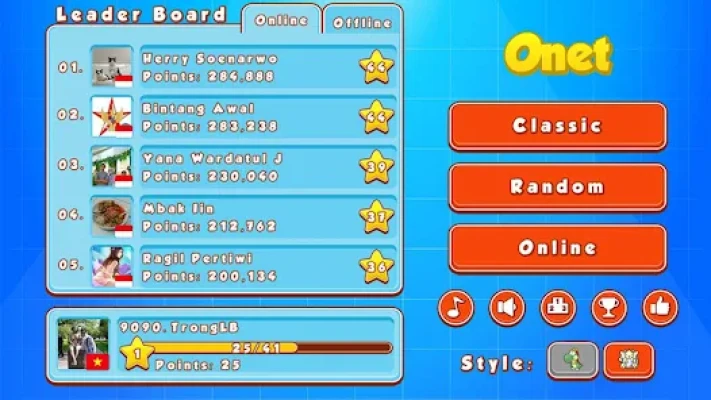
Onet Online includes both online and offline leaderboards, giving players a way to compare their performance while playing casually or competitively.
If you're trying to improve your ranking, focus on both:
- Accuracy
- Completion speed
A fast mistake can be more damaging than a slightly slower correct move.
Playing With Friends
The Google Play listing also identifies online play with friends as one of the game's features.
Multiplayer adds a competitive dimension to the traditional matching format.
Instead of simply trying to clear a board at your own pace, you can use your matching speed and recognition skills in a more competitive setting.
Save Game Feature
Onet Online supports saving the game when you exit.
This makes it easier to return to a puzzle later instead of having to start from the beginning every time.
For casual players, this is particularly useful when playing short sessions.
Offline Gameplay
Google Play lists Onet Online as an offline game, while the listing also includes online multiplayer and online leaderboard functionality.
This means the game can support both casual offline puzzle sessions and connected competitive features.
Graphics and Sound
Onet Online uses colorful images, visual effects and sound effects to make the simple matching mechanic more engaging.
The visual style is designed to keep the board easy to understand, which is important in a game where quickly recognizing matching pictures is central to the experience.
Difficulty and Progression
The game's challenge comes from the increasing complexity of the boards rather than complicated controls.
Early puzzles help players understand:
- Pair recognition
- Legal connections
- Board scanning
- Three-line paths
As boards become more challenging, players need to think ahead and use cleared spaces strategically.
Beginner Tips
- Learn the three-line rule first.
- Start with obvious pairs.
- Scan the board systematically.
- Use empty spaces to create new routes.
- Check the outer edges.
- Don't force difficult pairs too early.
- Recheck blocked pairs after clearing tiles.
- Think about what each move opens.
- Prioritize accuracy before speed.
- Practice recognizing images quickly.
- Use a consistent scanning direction.
- Plan one or two moves ahead.
Game Information
Game Title: Onet Online
Developer: H2T GLOBAL PTE. LTD.
Package Name: onet.picachu
Genre: Puzzle / Pair Matching / Casual
Modes: Single Player / Multiplayer
Competitive Features: Online and offline leaderboards
Platforms: Android and Windows
Content Rating: PEGI 3
Offline Play: Yes
Contains: Ads and in-app purchases
Latest listed update: November 18, 2025
Google Play Downloads: 10M+
The current Google Play page confirms the title, developer, 10M+ downloads, PEGI 3 rating, supported platforms, offline category, multiplayer features, leaderboards and November 18, 2025 update.
Pros and Cons
Pros
- Very easy to understand
- Classic pair-matching gameplay
- Simple three-line connection mechanic
- Large number of levels
- Colorful images
- Sound effects and visual effects
- Online leaderboard
- Offline leaderboard
- Online multiplayer
- Save-game support
- Offline gameplay
- Android and Windows support
Cons
- Ads are included
- In-app purchases are available
- Later boards can require careful planning
- Players who prefer fast action may find the gameplay repetitive
Frequently Asked Questions
What is Onet Online?
Onet Online is a casual puzzle game where you match identical images and connect them using a path of no more than three lines.
How do you play Onet Online?
Find two identical images, check whether they can be connected within the three-line rule, and remove the pair. Continue until the board is cleared.
What is the three-line rule?
The matching path between two identical tiles cannot use more than three straight-line segments.
Can Onet Online be played offline?
Yes. Google Play lists Onet Online as an offline game.
Does Onet Online have multiplayer?
Yes. The Google Play listing includes online play with friends and identifies the game as supporting multiplayer and competitive multiplayer.
Does Onet Online have leaderboards?
Yes. It supports both online and offline leaderboards.
Can I save my progress?
Yes. The Google Play listing states that the game can save your game when you exit.
What platforms support Onet Online?
Google Play currently lists Android and Windows as supported platforms.
Is Onet Online suitable for children?
The current Google Play listing gives the game a PEGI 3 rating.
Final Thoughts
Onet Online takes a very simple idea—matching identical images—and turns it into a game of observation, planning and efficient decision-making.
The three-line connection rule is easy to understand but creates interesting situations as the board becomes more crowded. Removing the right pair can open several new routes, while an unnecessary move can leave difficult tiles trapped behind other pieces.
For players who enjoy classic matching puzzles, casual brain games, tile-pair challenges and competitive leaderboard play, Onet Online provides a straightforward experience that works for both short sessions and longer puzzle runs.
Rate the Game
User Reviews










Popular Games


















 Android
 iOS
iOS Windows
 Xbox
Xbox