
Latest Version
October 04, 2026
Bandai Namco Entertainment Inc.
Simulation
iOS
0
Report a Problem
More About :game
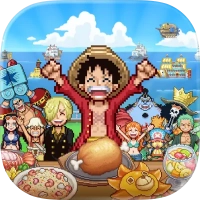
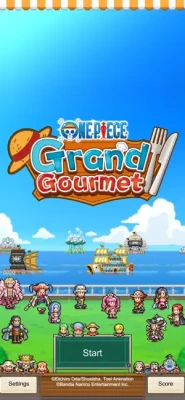
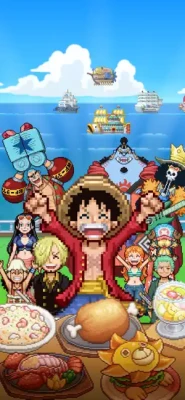
ONE PIECE: Grand Gourmet takes the world of Monkey D. Luffy and the Straw Hat Crew in a completely different direction.
Instead of fighting pirates, exploring islands or building a combat team, you are responsible for running a restaurant on the sea.
Your restaurant is based aboard Baratie Number Two, and your goal is to turn a small floating establishment into a famous destination capable of attracting characters from across the ONE PIECE universe.
The game combines several familiar management-simulation ideas:
Restaurant management
Cooking
Recipe discovery
Ingredient collection
Menu creation
Interior decoration
Restaurant expansion
Customer management
Character interactions
Pixel-art presentation
The result is a much more relaxed ONE PIECE experience than the franchise's traditional action and adventure games.
ONE PIECE Grand Gourmet Game Information
| Feature | Details |
|---|---|
| Game | ONE PIECE: Grand Gourmet |
| Developer | Kairosoft Co., Ltd. |
| Publisher | Bandai Namco Entertainment |
| Genre | Simulation / Management |
| Platform | iPhone, iPad, Android, Nintendo Switch, Switch 2, PC |
| Mobile Release | October 2026 |
| U.S. App Store Price | $12.99 |
| Players | Single-player |
| Setting | ONE PIECE universe |
| Restaurant | Baratie Number Two |
| Characters | 400+ |
| Decoration Items | 200+ |
| Main Character | Player-created restaurant staff member |
| Cooking | Recipe and menu creation |
| Customization | Furniture, buildings and decorations |
| Developer | Kairosoft |
The App Store currently lists the iOS version as a $12.99 simulation game requiring iOS 13 or later. Bandai Namco identifies Kairosoft as the developer and describes the game as a management simulation.
The Main Goal: Build the Greatest Restaurant at Sea
Your objective isn't simply to serve food.
You need to gradually transform Baratie Number Two into a restaurant that customers want to visit again.
That means balancing several interconnected systems:
Ingredients → Recipes → Dishes → Meal Sets → Customers → Restaurant Growth
A mistake in one area can affect the others.
For example, discovering an exciting new recipe isn't enough if you don't have the ingredients required to serve it consistently.
Likewise, an attractive restaurant is useful, but decoration should complement the restaurant's ability to function efficiently.
Cooking With Sanji
Sanji plays an important role in the game's cooking system.
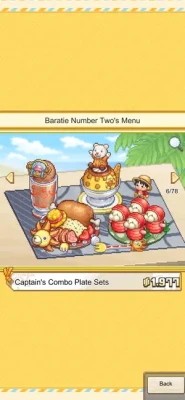
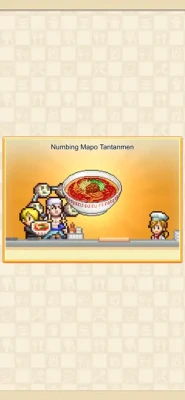
Players choose ingredients, develop dishes and arrange food into unique meal sets. The game includes familiar ONE PIECE-inspired dishes alongside unusual creations connected to Devil Fruit powers.
Examples mentioned officially include:
Water-Water Meat BBQ
Sea King Penne Gorgonzola
Devil Fruit-inspired creations
This recipe system is one of the game's central progression loops.
How to Manage Ingredients
Ingredients should be treated as an important strategic resource rather than something you automatically spend whenever available.
Before committing valuable ingredients to a menu, consider:
How frequently the dish can be served
Whether it belongs to a useful meal set
Whether it is required for discovering another recipe
Whether you have enough ingredients to maintain the menu
Whether another dish would provide better overall value
Don't Use Everything Immediately
When you discover a new ingredient, resist the temptation to spend it immediately.
Keep enough resources available to experiment with recipes and respond to new opportunities.
A growing recipe collection becomes much easier to manage when you maintain a small reserve of important ingredients.
Recipe Discovery Strategy
Recipe discovery is one of the most interesting parts of Grand Gourmet.
Rather than treating every recipe as an isolated item, think of the recipe book as a progression system.
A newly discovered dish can potentially lead you toward:
Better meal sets
More customer interest
New character interactions
More efficient menus
New culinary combinations
The game specifically encourages players to adventure in search of additional recipes.
Best Recipe Habit
Whenever you unlock something new, ask:
What does this recipe add to my current menu?
A recipe is most valuable when it fits naturally into the restaurant you are currently building.
Build Better Meal Sets
The game allows dishes to be arranged into unique meal sets with additional flourishes.
Don't simply select dishes individually.
Think about your menu as a complete package.
A good meal set should have:
Variety
Reliable ingredient availability
Dishes that fit your current progression
A clear culinary identity
Enough flexibility to handle different customers
As your recipe collection grows, periodically review your meal sets instead of keeping the first combinations you created forever.
Restaurant Layout Strategy
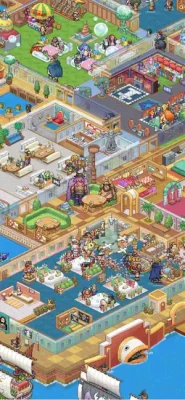
Decoration is not merely about making the restaurant look good.
The game gives players more than 200 furniture, building and decorative items, including themes inspired by areas such as Whole Cake Island and Egghead.
That creates considerable room for experimentation.
Start With Function
Early in the game, avoid filling every available space with decorative objects.
Create a practical layout first.
Think about:
Where customers enter
Where dining areas are located
How the restaurant visually flows
Which decorative items create the strongest atmosphere
Which areas should remain flexible for future expansion
Once the restaurant operates smoothly, you can concentrate more heavily on visual design.
Decoration and Customer Attraction
One of the game's most enjoyable systems is the relationship between restaurant design and characters.
The official description states that if a character likes your design, they may become a regular customer.
This gives decoration a purpose beyond aesthetics.
You can experiment with different themes and see which characters respond to them.
A Good Design Strategy
Instead of trying to make every part of the restaurant visually identical, consider creating themed sections.
For example:
Whole Cake Island-inspired area
Use dessert-oriented decorations to create a colorful food-focused section.
Egghead-inspired area
Use futuristic decorations for a completely different atmosphere.
This makes the restaurant feel more like a collection of ONE PIECE locations rather than a generic dining room.
How to Grow the Restaurant
Expansion should be gradual.
Don't attempt to create the biggest possible restaurant immediately.
Instead:
Early Stage
Focus on:
Reliable food production
Basic recipes
Efficient layout
Learning customer behavior
Middle Stage
Begin investing in:
More recipes
Better meal sets
More decoration
Stronger customer attraction
Restaurant identity
Later Stage
Concentrate on:
Advanced decoration
Rare recipes
Character relationships
Optimized menus
Completing the restaurant collection
This approach keeps the management side manageable.
The 400+ Character Collection
One of Grand Gourmet's biggest attractions is its enormous cast.
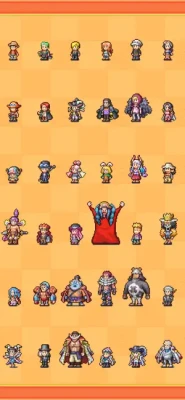
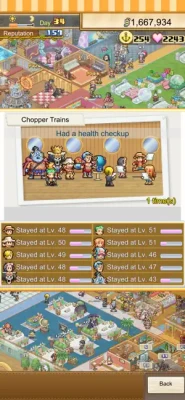
Bandai Namco says that more than 400 ONE PIECE characters can appear as staff and customers in a pixel-art style.
This includes characters from different parts of the ONE PIECE world.
The important point is that these characters aren't simply visual collectibles.
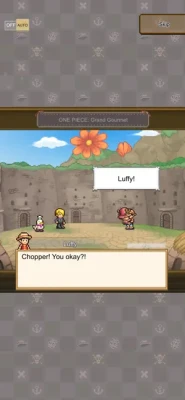
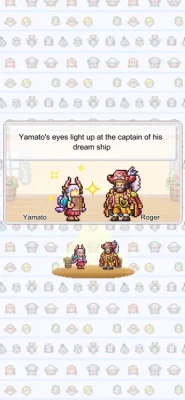
The game is designed around character interactions and events that occur within the restaurant.
That makes the restaurant itself a meeting place for the ONE PIECE cast.
Character Interaction Strategy
When a new character appears, pay attention to what they do and how they respond to the restaurant.
A useful approach is to think of customers in three ways:
Regular Customers
Characters who repeatedly return provide consistency.
Special Characters
These can make the restaurant feel more connected to the wider ONE PIECE universe.
Event Characters
Character interactions and events can provide some of the most memorable moments outside normal restaurant management.
Don't focus only on serving the maximum number of customers.
Building a restaurant that encourages interesting character interactions is part of the game's appeal.
How to Make Your Restaurant More Attractive
A successful restaurant needs more than good food.
Consider four elements:
Food quality
Keep your recipes varied and maintain reliable ingredients.
Visual identity
Give the restaurant a recognizable theme.
Layout
Avoid creating a confusing or overcrowded design.
Character appeal
Experiment with decorations that may attract specific characters.
The strongest restaurant combines all four.
Beginner Strategy Guide
If you're starting Grand Gourmet for the first time, don't rush toward advanced customization.
Step 1: Learn the Restaurant
Understand how food, customers and restaurant growth work.
Step 2: Build a Reliable Menu
Use recipes that you can consistently support with available ingredients.
Step 3: Keep Ingredients in Reserve
Don't spend everything immediately.
Step 4: Expand the Recipe Collection
Explore opportunities to discover additional dishes.
Step 5: Improve the Interior
Once the restaurant is functioning well, begin investing more heavily in decoration.
Step 6: Experiment With Character Appeal
Watch which characters respond positively to your restaurant.
The Best Early-Game Strategy
Your first restaurant does not need to be beautiful.
It needs to be stable.
Concentrate on three things:
Reliable ingredients
You don't want a menu that constantly depends on resources you don't have.
Simple meal sets
Create combinations that are easy to maintain.
Flexible decoration
Avoid filling every space with permanent-looking designs.
This gives you room to adapt when new recipes and furniture become available.
Don't Overspend on Decoration
With more than 200 customization items, it will be tempting to spend heavily on furniture.
Resist that temptation early.
Decoration is one of the game's most attractive systems, but a beautiful restaurant with poor management isn't necessarily a successful restaurant.
Use a simple rule:
Function first, style second.
Once the restaurant is financially and operationally stable, spend more time making it beautiful.
Create a Restaurant Theme
Later in the game, consider choosing a specific identity.
Possible themes include:
Classic Baratie
Focus on a traditional floating restaurant atmosphere.
Grand Pirate Restaurant
Use ONE PIECE-inspired decorations to create a more adventurous environment.
Whole Cake Theme
Build a colorful dessert-focused restaurant.
Egghead Theme
Create a futuristic restaurant using technological-looking decorations.
The official game materials specifically mention Whole Cake Island and Egghead-inspired customization items.
Advanced Restaurant Strategy
Once your restaurant is established, stop thinking about individual dishes and start thinking about systems.
Your goal should be to make the entire restaurant work together.
Ingredient System
Maintain a dependable supply.
Recipe System
Keep discovering new dishes.
Menu System
Build useful meal sets.
Design System
Create a restaurant that encourages character interest.
Customer System
Turn visitors into regulars.
Expansion System
Use your progress to build a more sophisticated restaurant.
The more these systems reinforce one another, the stronger your restaurant becomes.
How to Manage a Large Recipe Collection
As your cookbook grows, it can become difficult to remember which dishes are actually useful.
Organize recipes mentally into groups:
Core dishes
Reliable foods that support your everyday menu.
Special dishes
Interesting recipes that are useful for specific situations.
Rare or experimental dishes
Recipes worth keeping available while you learn where they fit best.
This prevents you from constantly changing your menu without a clear reason.
How to Build a Better Interior
A good interior doesn't have to contain every decoration you own.
Too many competing objects can make a restaurant feel visually chaotic.
Instead:
Pick a central theme.
Establish the main dining area.
Create visual focal points.
Add themed decorations.
Leave enough open space.
Adjust the layout as the restaurant grows.
Think like a restaurant designer rather than simply a collector.
Pixel-Art Presentation
Grand Gourmet uses a distinctive pixel-art presentation for its huge ONE PIECE cast.
This is particularly interesting because more than 400 characters appear in this style, creating a very different visual interpretation of the franchise.
The result fits the management-simulation format surprisingly well.
Instead of trying to recreate the scale of the anime's major battles, the game turns the ONE PIECE world into a cozy restaurant-management environment.
Why the ONE PIECE Setting Works
The restaurant concept is a surprisingly good match for the franchise.
ONE PIECE has always placed considerable emphasis on:
Food
Travel
Islands
Distinct cultures
Strange characters
Memorable locations
Crew relationships
A floating restaurant naturally brings many of those ideas together.
Sanji's involvement makes the cooking theme particularly appropriate.
Common Beginner Mistakes
Spending Too Much on Furniture
Keep enough resources for restaurant development.
Making the Menu Too Complicated
A larger menu isn't automatically a better menu.
Using Ingredients Without Planning
Maintain reserves for future recipes.
Changing the Restaurant Theme Constantly
Choose a direction and develop it gradually.
Ignoring Character Preferences
Some characters may respond differently to your restaurant's design.
Expanding Too Quickly
A bigger restaurant is only useful if you can manage it effectively.
Tips for Efficient Progress
1. Keep a dependable core menu.
Don't constantly replace dishes without a reason.
2. Explore for new recipes.
Recipe discovery is a major part of progression.
3. Save useful ingredients.
Future recipes may require resources you've already discovered.
4. Build around a theme.
A coherent restaurant looks better and gives decoration a purpose.
5. Watch character interactions.
They are an important part of the game's personality.
6. Upgrade gradually.
Don't turn restaurant management into a constant resource shortage.
7. Revisit your layout.
A layout that works for a small restaurant may become inefficient after expansion.
Who Is ONE PIECE Grand Gourmet For?
This game should appeal particularly to players who enjoy:
ONE PIECE
Restaurant simulation games
Cooking games
Management games
Pixel-art games
Casual strategy
Decoration and customization
Collection systems
Relaxed single-player experiences
It is especially different from traditional ONE PIECE games because combat is not the primary focus.
If you prefer planning a restaurant, collecting recipes and watching familiar characters interact, Grand Gourmet offers a completely different way to experience the franchise.
ONE PIECE Grand Gourmet vs Traditional ONE PIECE Games
Most ONE PIECE games focus heavily on:
Combat
Exploration
Character progression
Battles
Adventure
Grand Gourmet instead focuses on:
Cooking
Management
Restaurant design
Ingredients
Recipes
Customer relationships
Character events
That change of direction is arguably the game's biggest selling point.
Pros and Cons
Pros
Unique ONE PIECE restaurant concept
Developed by Kairosoft
Published by Bandai Namco
More than 400 characters
More than 200 customization items
Recipe discovery
Ingredient collection
Restaurant management
Character interactions and events
Whole Cake Island and Egghead-inspired decorations
Pixel-art presentation
Single-player experience
Strong appeal for casual management fans
Cons
Not focused on traditional ONE PIECE combat
Management gameplay may feel slow for action-focused players
Large collections of furniture and recipes can become overwhelming
Restaurant optimization requires patience
Mobile version is a paid game rather than a free-to-play title
Release information is still pre-launch and may change
Is ONE PIECE Grand Gourmet Worth Playing?
ONE PIECE: Grand Gourmet is one of the more unusual ONE PIECE games because it doesn't attempt to recreate the franchise's traditional action formula.
Instead, it takes one of the series' most recognizable themes—food—and builds an entire management game around it.
The combination of Sanji's cooking, Baratie Number Two, recipe discovery, restaurant decoration and hundreds of familiar characters gives the game a strong identity.
The biggest attraction is the freedom to create your own version of a ONE PIECE restaurant.
For fans who enjoy simulation and management games, that could make Grand Gourmet a refreshing change of pace.
For players looking specifically for combat-heavy ONE PIECE gameplay, however, this is a very different experience.
Frequently Asked Questions
What is ONE PIECE Grand Gourmet?
ONE PIECE: Grand Gourmet is a restaurant-management simulation based on the ONE PIECE universe. Players operate Baratie Number Two alongside the Straw Hat Crew and Sanji.
When does ONE PIECE Grand Gourmet release?
Bandai Namco announced October 23, 2026 as the overall release date, while the current U.S. App Store listing shows October 24, 2026 as its expected date.
Is ONE PIECE Grand Gourmet free?
No. The U.S. App Store currently lists the game for $12.99.
What kind of game is Grand Gourmet?
It is a restaurant-management and simulation game rather than a traditional action RPG.
Can you cook with Sanji?
Yes. Players work with Sanji to create dishes, select ingredients and develop meal sets.
How many ONE PIECE characters are in the game?
More than 400 characters can appear as staff and customers.
How many furniture items are available?
The game features more than 200 furniture, building and decorative items.
Can you customize the restaurant?
Yes. Players can design the restaurant using furniture, buildings and decorations from different ONE PIECE-inspired themes.
Is Grand Gourmet a single-player game?
Yes. The official game information identifies it as a single-player management simulation.
Can characters become regular customers?
Yes. Bandai Namco states that characters who like your restaurant's design may become regular customers.
What recipes are in ONE PIECE Grand Gourmet?
The game includes familiar dishes such as Water-Water Meat BBQ and Sea King Penne Gorgonzola, as well as original creations inspired by Devil Fruit powers.
Final Verdict
ONE PIECE: Grand Gourmet offers a surprisingly different way to experience the ONE PIECE universe.
Instead of fighting through enemies, you'll be worrying about recipes, ingredients, customers, decorations and restaurant expansion. Working alongside Sanji aboard Baratie Number Two gives the game a natural connection to the franchise while allowing Kairosoft's management-game style to take center stage.
The combination of 400+ characters, 200+ customization items, recipe discovery, meal-set creation and character interactions gives the game plenty of room for relaxed progression and experimentation.
The best strategy is to avoid rushing. Build a dependable menu, manage ingredients carefully, improve the restaurant layout gradually, experiment with different themes and pay attention to which characters become interested in your establishment.
For ONE PIECE fans who enjoy simulation and management games, Grand Gourmet could be one of the franchise's most relaxing and unusual adventures yet.
Rate the Game
User Reviews









Popular Games

















 Android
 iOS
iOS Windows
 Xbox
Xbox