
Latest Version
November 21, 2026
Azur Interactive Games Limited
Simulation
iOS
0
Report a Problem
More About :game
The game takes place in a region experiencing an economic crisis. Factories are struggling, supply chains have broken down, and transportation connections need to be restored. Players take on the role of a professional train driver, completing transportation contracts and helping businesses and cities become connected again.
Unlike simple train games that focus exclusively on driving, Train Simulator 2 introduces a broader management experience. Players must choose suitable locomotives, organize wagons, transport different types of goods, improve their equipment, and make smart decisions about their railway operations.
Starting with a basic diesel locomotive, players gradually develop their transportation capabilities by completing jobs, earning money, and investing in better trains and equipment. Every successful delivery contributes to the larger objective of rebuilding the regional economy.
Whether you enjoy realistic train operations, transportation challenges, or management games, Train Simulator 2 offers a combination of activities that rewards careful planning and efficient decision-making.
Specific Game Details
Game Title: Train Simulator 2
Developer: Azur Interactive Games Limited
Publisher: Azur Interactive Games Limited
Genre: Train Simulation, Railway Management, Transportation Simulation
Platform: iOS
Compatible Devices: iPhone and iPad
Minimum Operating System: iOS 15.0 or later
Game Price: Free to download
In-App Purchases: Available
Game Category: Simulation
Game Orientation: Train driving and railway management
Main Objective: Restore transportation networks, complete cargo contracts, improve locomotives, and develop an efficient railway operation.
Game Style: 2D railway simulation
Target Audience: Fans of train simulators, transportation management, locomotive games, and strategic simulation experiences.
Main Features of Train Simulator 2
Realistic Locomotive Driving
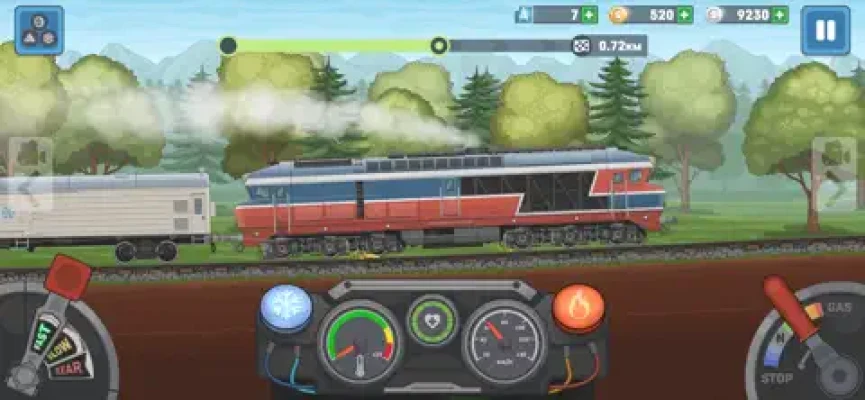
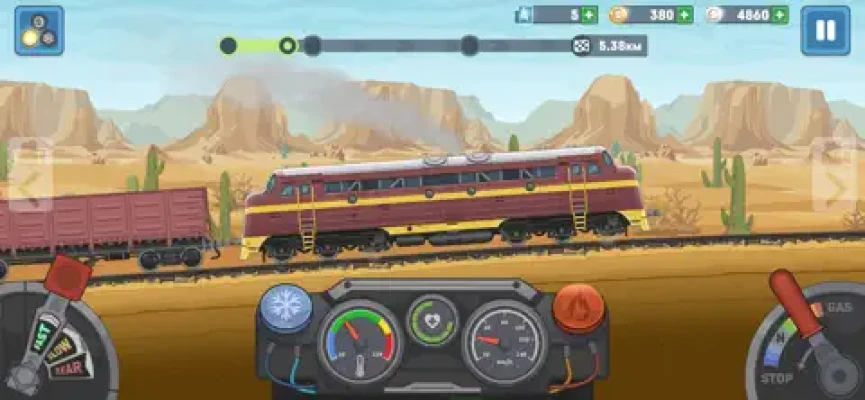
One of the main attractions of Train Simulator 2 is its locomotive driving system. Players begin with a basic diesel engine and gradually gain access to more capable railway equipment.
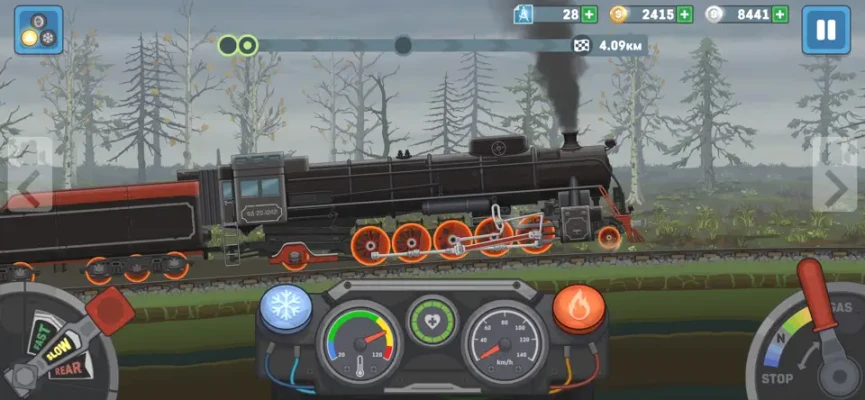
Each locomotive is recreated using real-world blueprints, giving the trains a more authentic foundation. Learning how to operate different engines is an important part of progressing through the game.
Players must understand how their locomotives behave and select suitable equipment for their transportation assignments.
Cargo Transportation and Delivery Contracts
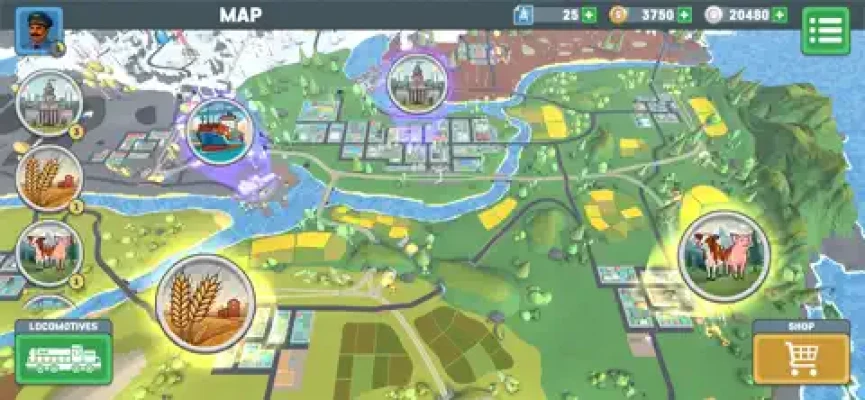
Cargo transportation is at the heart of the gameplay. Different regions and industrial locations depend on railway connections to receive and distribute goods.
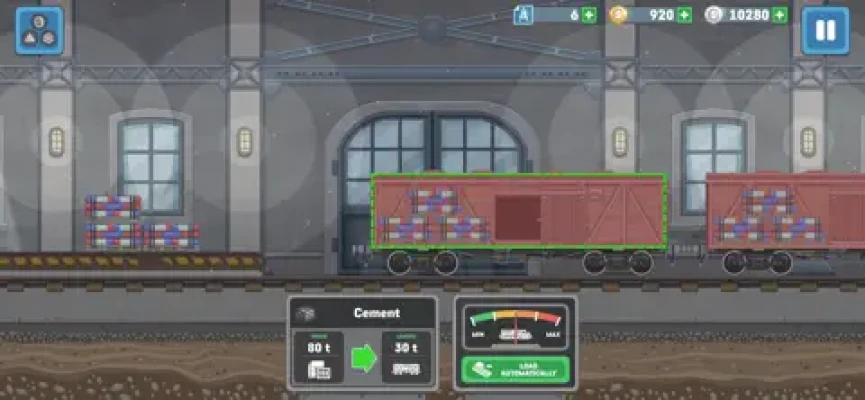
Players accept contracts, prepare their trains, load the appropriate wagons, and transport shipments to their destinations.
Completing these assignments generates income and helps restore the regional supply chain.
Choosing suitable routes and organizing cargo efficiently are important for maintaining productive railway operations.
Railway Network Development
Train Simulator 2 is not simply about moving trains from one station to another. The game also focuses on rebuilding connections between cities and industrial facilities.
Improving relationships between stations helps restore transportation activity and supports economic growth.
Players must think about how their railway operations contribute to the wider network rather than concentrating only on individual deliveries.
Train and Wagon Upgrades
As players complete contracts and earn money, they can improve their railway equipment.
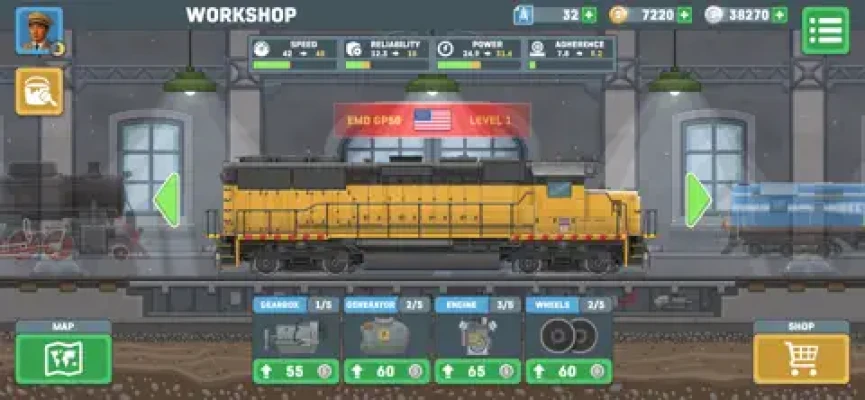
The available upgrade options include:
Engine improvements.
Wagon upgrades.
Increased cargo capacity.
Better fuel efficiency.
Modified train compositions.
These improvements help make transportation operations more effective and allow players to handle increasingly demanding requirements.
Train Composition Management
Selecting the right combination of locomotives and wagons is another important aspect of the experience.
Different transportation assignments may require different train configurations. A well-organized train can carry more cargo while making better use of its available resources.
Players should consider the requirements of each contract before deciding how to prepare their equipment.
Economic Progression
The regional economy provides the central motivation for the entire experience.
Factories require transportation services, cities need reliable connections, and businesses depend on the movement of goods.
Every completed contract contributes to the player's financial progress and supports the gradual restoration of the transportation system.
Gameplay Mechanics and How to Play
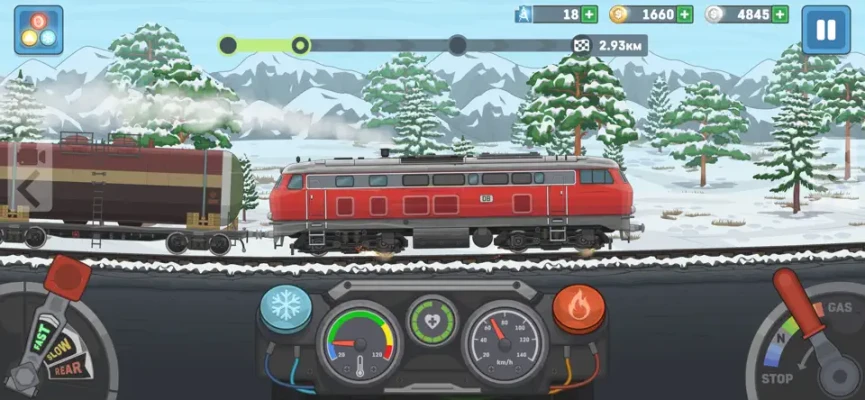
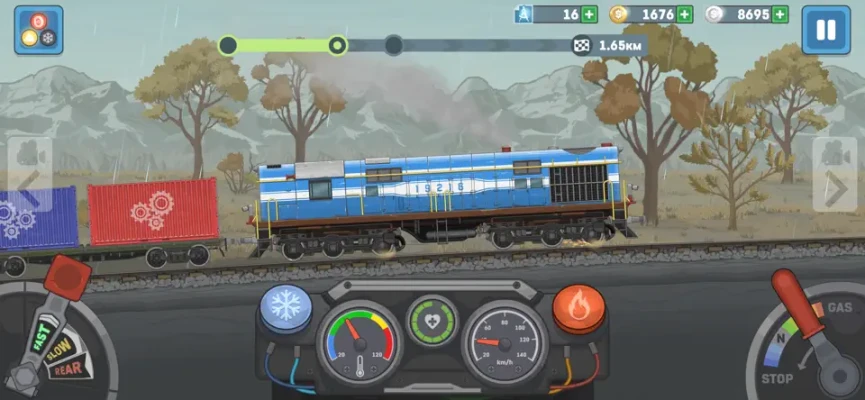
The gameplay revolves around accepting contracts, preparing trains, operating locomotives, and improving railway equipment.
New players begin with relatively simple transportation assignments. These introductory activities provide an opportunity to understand the driving mechanics and become familiar with the game's progression system.
After selecting a contract, players need to prepare the appropriate train and wagons. Cargo requirements should always be considered before beginning a journey.
Once the train is ready, the player starts the locomotive and carries the shipment toward its destination.
Successful deliveries provide opportunities to earn money and improve equipment. These rewards can then be invested in better engines, more capable wagons, and improved transportation efficiency.
As the railway network develops, players can take on more demanding assignments and gradually build a stronger transportation operation.
Complete Strategy Guide for Train Simulator 2
Understanding the Basic Gameplay Before Progressing
The best way to begin Train Simulator 2 is to become familiar with its main systems before trying to expand your railway operations.
Pay attention to the driving controls, locomotive behavior, contract requirements, and available upgrades.
Do not rush through the introductory activities. Understanding how trains operate will make later transportation assignments easier.
Spend time learning how the game responds to acceleration, braking, and changes in locomotive operating conditions.
A good understanding of these mechanics creates a strong foundation for future progress.
Choose Contracts Carefully
Contracts are one of the most important sources of income and progression.
However, accepting every available assignment without considering its requirements is not always the best strategy.
Before choosing a contract, examine the required cargo, destination, and equipment requirements.
Make sure your current locomotive and wagon configuration can handle the assignment.
Prioritize contracts that match your available equipment and capabilities. This reduces unnecessary complications and helps you maintain a consistent flow of completed deliveries.
As your fleet becomes stronger, you can gradually move toward more demanding transportation assignments.
Improve Your Locomotive Efficiently
Your locomotive is the foundation of your entire transportation operation.
A basic engine is suitable for getting started, but improving its performance becomes increasingly important as your responsibilities grow.
Focus on upgrades that directly improve your ability to complete transportation jobs.
Fuel efficiency is particularly valuable because it can help reduce operating expenses. Engine improvements can also make demanding journeys easier to manage.
Rather than spending all your resources on small improvements, consider which upgrades will provide the greatest long-term benefits.
A balanced locomotive is generally more useful than an expensive collection of upgrades that does not address your actual transportation needs.
Manage Your Wagons and Cargo Capacity
Wagon selection plays an important role in successful deliveries.
Every contract has specific transportation requirements, so players should organize their trains according to the cargo they need to carry.
Increasing cargo capacity can improve the efficiency of your railway operations by allowing you to transport more goods.
However, capacity should not be your only consideration.
Think about the overall composition of your train and whether the selected equipment is appropriate for the assignment.
Avoid unnecessary configurations that do not contribute to the contract's objectives.
Learn How to Handle Inclines
Railway inclines can make locomotive operation more challenging.
Driving uphill requires more attention to the engine's performance and operating mode.
Players should pay attention to the game's operating indicators and use the recommended train mode when approaching different terrain conditions.
Avoid making unnecessary changes to the locomotive's operation without understanding their effects.
Maintaining appropriate power and monitoring the train's behavior can help you handle difficult sections more effectively.
Improve Fuel Efficiency
Fuel efficiency is an important consideration when developing a profitable railway operation.
An inefficient locomotive can make transportation more expensive, particularly when completing multiple contracts.
Prioritize fuel-related upgrades when they provide meaningful benefits to your current operations.
You should also avoid spending resources on unnecessary equipment improvements when your existing locomotive can already complete the available assignments.
Good resource management helps preserve your earnings for more valuable investments.
Build a Balanced Railway Fleet
As your transportation business expands, having a balanced collection of locomotives and wagons becomes increasingly important.
Instead of focusing exclusively on acquiring the most powerful engine, consider the different transportation requirements you encounter.
A useful fleet should provide sufficient performance, suitable cargo capacity, and reasonable operating efficiency.
Think about the types of contracts you regularly complete and invest in equipment that supports those activities.
This approach helps you avoid spending too much money on equipment that does not contribute to your progression.
Reinvest Your Earnings Wisely
Money earned from completed contracts should be used to improve your transportation capabilities.
It can be tempting to spend rewards immediately, but a more careful approach usually produces better results.
Prioritize improvements that make future deliveries easier or more profitable.
For example, increasing cargo capacity can be useful when your contracts regularly require larger shipments. Improving fuel efficiency is valuable when operating expenses become a concern.
Avoid purchasing upgrades simply because they are available.
Every investment should serve a clear purpose within your railway development plan.
Focus on Reliable Deliveries
Successful cargo transportation is more important than making unnecessary progress at high speed.
Before beginning a journey, check that your train is properly prepared and that the selected equipment matches the contract.
During the journey, pay attention to locomotive behavior and operating conditions.
Rushing through assignments without understanding the requirements can create avoidable problems.
A consistent delivery strategy helps you earn rewards and maintain steady progress.
Develop Station Connections
Railway development is an important part of the game's larger economic system.
Connecting industrial facilities and cities helps restore transportation activity across the region.
Pay attention to opportunities to improve station relationships and develop useful connections.
A stronger network supports more efficient cargo movement and contributes to the overall objective of rebuilding the regional economy.
Try to think beyond individual contracts and consider how your transportation activities fit into the larger railway system.
Progress Gradually Instead of Rushing
Train Simulator 2 combines driving and management, so successful progression requires patience.
New players should concentrate on mastering basic operations before attempting to optimize every aspect of their railway network.
Complete manageable assignments, improve essential equipment, and gradually increase the complexity of your transportation activities.
This method allows you to develop the skills and resources needed for more advanced challenges.
Advanced Tips and Tricks
Match Equipment to Every Assignment
Do not assume that the same train configuration is suitable for every contract.
Different cargo requirements may demand different wagon arrangements and locomotive capabilities.
Review the assignment before preparing your train. Matching your equipment to the task helps avoid unnecessary resource consumption.
Prioritize Useful Upgrades
Not every available improvement deserves immediate attention.
Consider your current limitations and choose upgrades that solve actual problems.
If cargo capacity is preventing you from handling larger shipments, focus on wagon improvements. If operating expenses are becoming difficult to manage, consider fuel efficiency.
This targeted approach makes your progression more effective.
Monitor Your Locomotive During Operations
Pay attention to the locomotive's operating indicators, particularly when traveling through difficult terrain.
Understanding how the engine responds to different conditions will help you make better decisions.
Use the game's guidance when selecting the appropriate operating mode.
Maintain Financial Flexibility
Avoid spending all your available money on a single upgrade or vehicle purchase.
Keeping some resources available gives you more flexibility when new contracts or equipment requirements appear.
A healthy financial balance is essential for expanding your railway operations without slowing down your progress.
Learn from Difficult Assignments
Not every transportation job will be equally easy.
When an assignment becomes challenging, review your equipment choices and operating approach.
Consider whether a different locomotive, improved wagon capacity, or better fuel efficiency would make the task easier.
Every difficult assignment can provide useful experience for future operations.
Common Mistakes to Avoid
Ignoring Contract Requirements
Accepting assignments without checking their cargo and equipment requirements can lead to unnecessary difficulties. Always review the contract before preparing your train.
Spending Money Without a Plan
Purchasing upgrades without considering their usefulness can slow down your progress. Invest in improvements that solve important problems.
Using the Same Train Configuration for Everything
Different assignments may require different wagon arrangements. Adapt your train composition to the transportation task.
Neglecting Fuel Efficiency
Operating costs can affect your overall progress. Consider fuel-related improvements when they become relevant to your railway activities.
Rushing Through Locomotive Operation
Train driving requires attention, especially when dealing with inclines and changing operating conditions. Learn the controls before attempting more challenging journeys.
Ignoring Railway Development
Focusing only on individual deliveries overlooks the broader management experience. Work toward improving connections between stations and supporting the regional economy.
Upgrading Without Considering Long-Term Benefits
An improvement should make your transportation operation more effective. Always think about how a purchase will help with future assignments.
Is Train Simulator 2 Worth Playing?
Train Simulator 2 is an interesting choice for players who enjoy railway simulation combined with transportation management.
Its main appeal comes from combining several activities into one experience. Players can operate locomotives, transport industrial goods, complete contracts, improve train equipment, and help restore an entire regional transportation network.
The progression system also gives players a reason to continue improving their railway operations. Starting with a basic diesel locomotive and gradually developing a more capable fleet creates a satisfying sense of advancement.
Another appealing aspect is the balance between practical driving and strategic planning. Players must consider not only how to operate their trains but also how to organize cargo, manage equipment, and use their earnings effectively.
However, players looking exclusively for a large open-world railway experience or a passenger-focused train simulator should understand that Train Simulator 2 emphasizes cargo transportation and railway management.
Overall, it offers a distinctive experience for fans of train driving games, economic simulations, and railway development challenges.
Frequently Asked Questions
What is Train Simulator 2?
Train Simulator 2 is a train driving and railway management game developed by Azur Interactive Games Limited. Players operate locomotives, transport cargo, complete contracts, upgrade trains, and rebuild regional transportation networks.
Is Train Simulator 2 free to play?
Yes. The game is free to download on the App Store, although it includes optional in-app purchases.
Who developed Train Simulator 2?
The game was developed and published by Azur Interactive Games Limited.
What is the main objective of Train Simulator 2?
The main objective is to restore a struggling regional economy by rebuilding railway connections, transporting goods, completing contracts, and improving transportation equipment.
Can you upgrade trains in Train Simulator 2?
Yes. Players can improve locomotives and wagons, increase cargo capacity, improve fuel efficiency, and modify train compositions.
Does Train Simulator 2 include cargo transportation?
Yes. Cargo transportation is a central gameplay feature. Players accept contracts, load wagons, select destinations, and deliver goods to different regions.
Is Train Simulator 2 a train management game?
Yes. In addition to driving locomotives, players manage equipment, organize train compositions, improve railway connections, and invest in transportation upgrades.
Can beginners enjoy Train Simulator 2?
Yes. Players start with a basic diesel locomotive and can gradually learn the driving and management mechanics as they complete contracts and improve their equipment.
Does Train Simulator 2 support iPhone and iPad?
Yes. The game supports iPhone and iPad devices running iOS 15.0 or later on iPhone and iPadOS 15.0 or later on iPad.
Does Train Simulator 2 require an internet connection?
The game's store listing does not provide a definitive offline-play guarantee. Players should be prepared for online connectivity requirements.
Final Verdict
Train Simulator 2 brings together locomotive driving, cargo transportation, railway development, and economic management in a single simulation experience. Its combination of train operation and strategic decision-making gives players more responsibilities than simply driving between destinations.
From completing transportation contracts to upgrading engines and improving station connections, every activity contributes to building a more efficient railway network.
For players who enjoy train simulation games, cargo delivery challenges, and transportation management, Train Simulator 2 offers an engaging opportunity to take control of a railway operation and help rebuild a struggling regional economy.
Rate the Game
User Reviews










Popular Games



















 Android
 iOS
 Windows
 Xbox