
Latest Version
November 21, 2026
Azur Interactive Games Limited
Simulation
iOS
0
Report a Problem
More About :game
Specific Game Information
Game Title: Ship Simulator: Boat Game
Developer: Azur Interactive Games Limited
Publisher: Azur Interactive Games Limited
Platform: iOS (iPhone and iPad)
Genre: Simulation, Transportation, Ship Management
Category: Simulation
Game Mode: Single-player simulation experience
Price: Free to Download
Monetization: Advertisements and In-App Purchases
Age Rating: 4+
Main Objective: Transport resources, develop industrial facilities, expand your fleet, and construct a nuclear power plant.
Main Gameplay Elements: Ship Navigation, Cargo Transportation, Fleet Management, Industrial Development, Resource Collection, and Vessel Upgrades.
Introduction to Ship Simulator: Boat Game
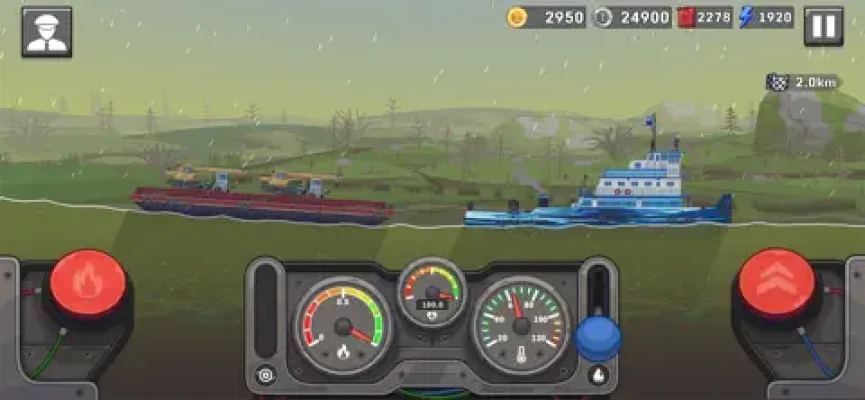
Ship Simulator: Boat Game offers a distinctive maritime experience where players take responsibility for transporting essential resources through a remote region with limited infrastructure. Instead of relying on roads or conventional transportation systems, you must use boats and ships to connect industrial facilities, mining operations, and production complexes.
The adventure begins with an old vessel and a challenging assignment. You must learn how to operate your ship, transport cargo, complete delivery missions, and gradually earn enough money to improve your transportation capabilities.
Your work supports a much larger objective: constructing a nuclear power plant in a region surrounded by rivers, swamps, forests, and other natural obstacles. Every successful delivery helps maintain industrial operations and brings the project closer to completion.
As you progress, you can purchase additional vessels, improve their performance, and discover new transportation routes. Different ships offer different capabilities, making fleet development an important part of long-term success.
What makes Ship Simulator particularly interesting is its combination of navigation and economic management. Completing a mission is not simply about reaching a destination. You must also consider cargo handling, ship condition, available resources, route difficulty, and the money required to maintain your growing operation.
Whether you enjoy realistic transportation concepts, vehicle progression, or management simulations, the game offers an engaging experience built around maritime logistics.
Main Gameplay Features
Ship Navigation and Maritime Controls
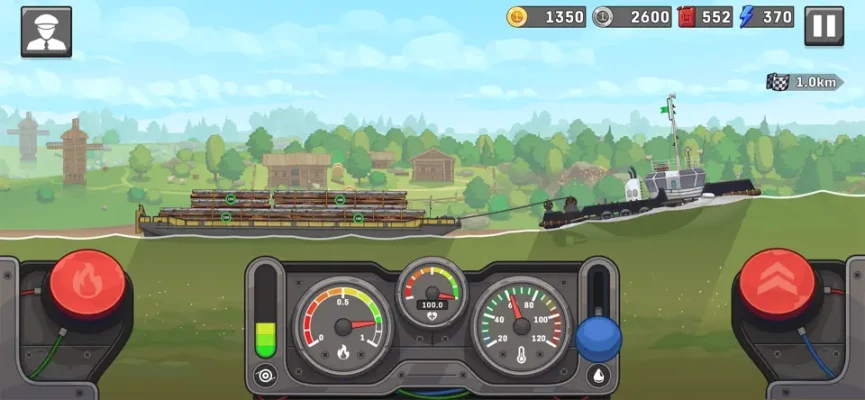
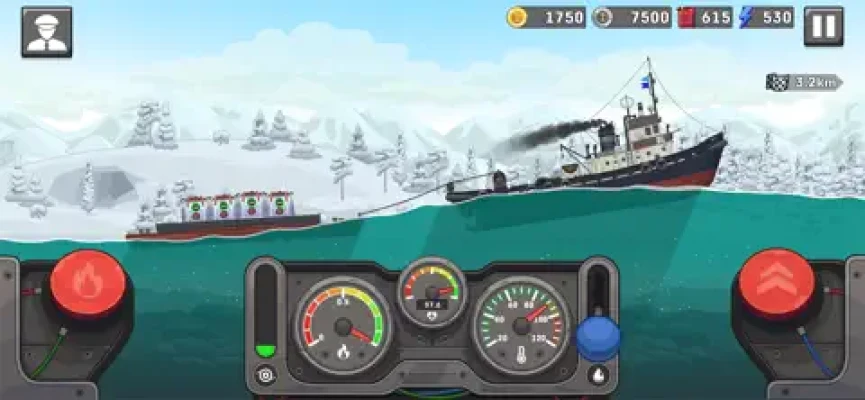
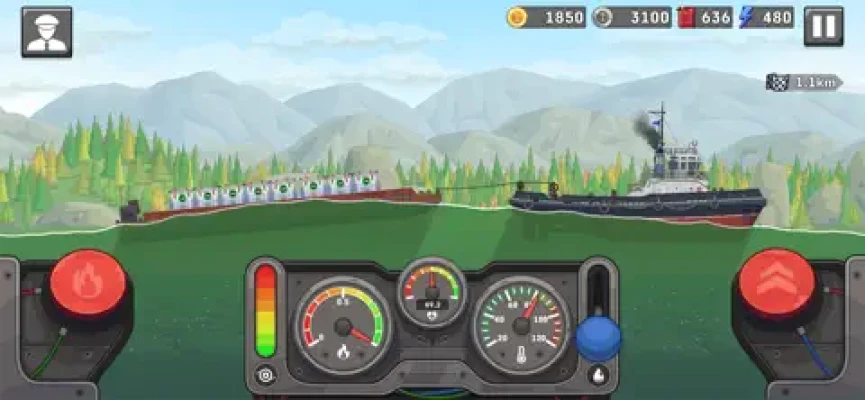
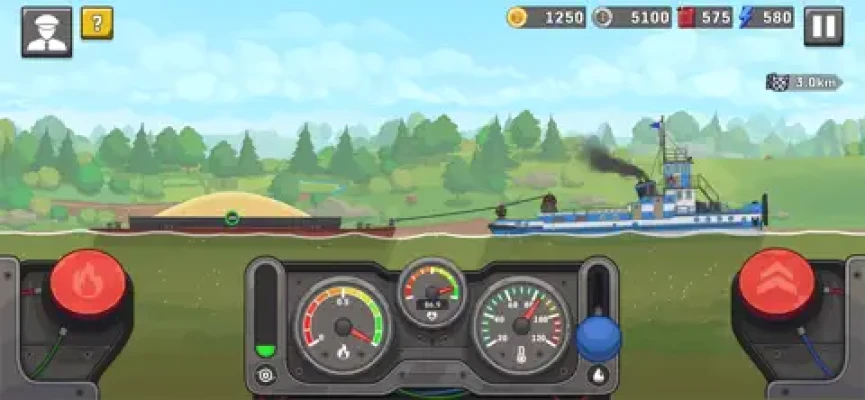
Ship navigation is at the center of the experience. Players take control of different vessels and travel through waterways to complete transportation assignments.
The game introduces advanced ship management mechanics that make operating a vessel an important part of the challenge.
You must become familiar with the controls, understand how your boat responds, and navigate different environments carefully.
As routes become more demanding, good handling and preparation become increasingly important.
Cargo Transportation Missions
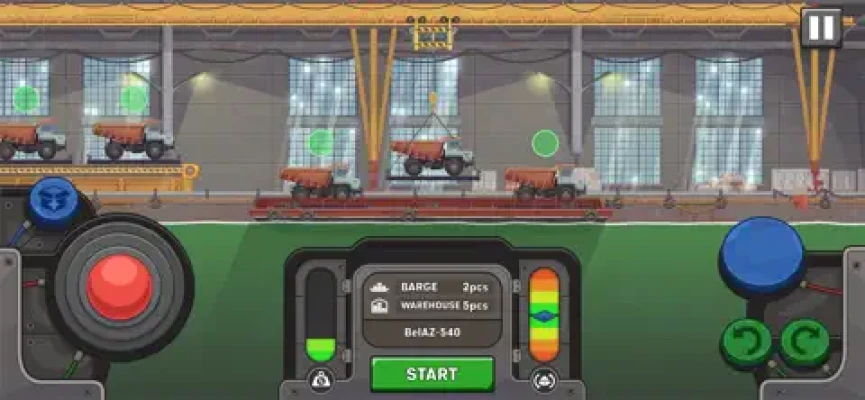
Cargo delivery is one of the main activities in Ship Simulator: Boat Game.
Your assignments involve transporting different resources and equipment between industrial locations. These deliveries include machinery, construction materials, and supplies needed for light and heavy industrial operations.
Every completed mission contributes to the development of the region.
Successful transportation also generates money that can be invested in better vessels and improvements.
Fleet Expansion
Starting with an old boat is only the beginning.
As you complete missions and earn rewards, you can expand your fleet with additional ships and transportation vehicles.
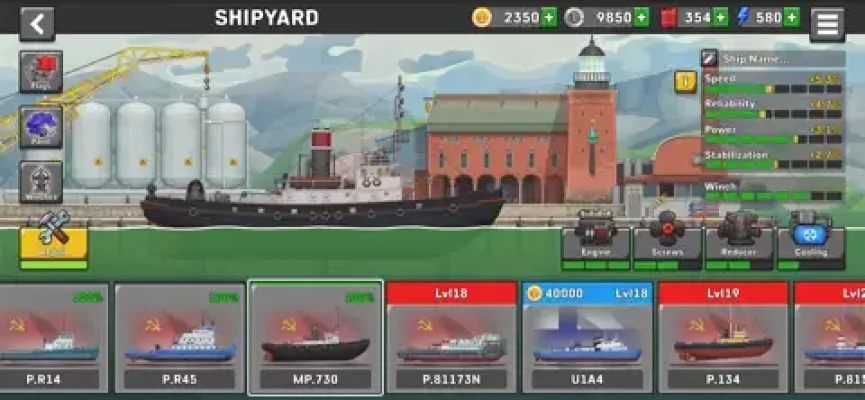
The available vessels include different types of boats, barges, and larger ships inspired by real-world designs.
Each new addition provides opportunities to approach transportation challenges differently.
Expanding your fleet is particularly important when the missions become more demanding and the original vessel is no longer sufficient for your needs.
Ship Upgrades and Improvements
Upgrading your vessels is essential for handling increasingly difficult assignments.
The game features an improvement system that allows players to modify ships and improve their ability to complete demanding routes.
Rather than purchasing new vessels without considering your existing fleet, think about which improvements will provide the greatest practical benefit.
A well-upgraded ship can make transportation more manageable and help you earn money more consistently.
Industrial Development
Ship Simulator is not limited to controlling boats. Industrial development is another major part of the experience.
Your transportation activities help rebuild and support neighboring mining complexes and industrial facilities.
These locations depend on regular deliveries of resources and equipment.
Keeping production operations supplied is important because the entire region depends on an effective transportation system.
A Large World with Different Environments
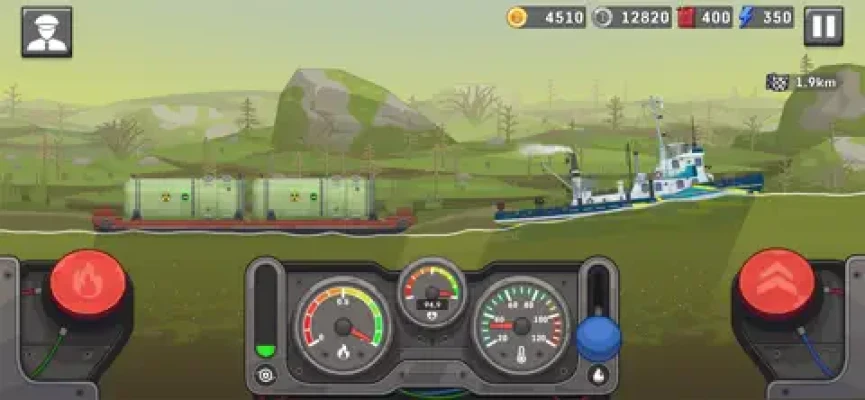
The game takes place in a developed world containing several types of natural environments.
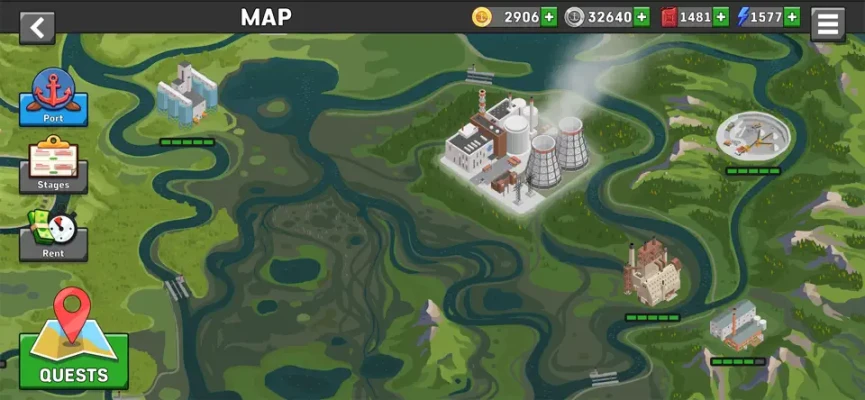
You will encounter locations featuring swamps, plains, forests, mountains, and extensive waterways.
Each environment introduces different transportation challenges and makes route planning an important part of the gameplay.
Exploring these locations also gives you access to additional missions and opportunities to develop your fleet.
Dynamic Weather Conditions
Weather changes add another dimension to the maritime simulation.
Different atmospheric conditions help make the world feel more dynamic and can change the atmosphere of your journeys.
Players should remain attentive to the conditions surrounding their vessels and avoid treating every transportation assignment as an identical journey.
Multiple Transportation Routes
The game features numerous routes with varying levels of difficulty.
Some missions are relatively straightforward, while others require more preparation and a better-equipped vessel.
Completing increasingly demanding assignments allows you to earn money, develop your transportation capabilities, and discover more of the available fleet.
Additional Tasks and Rewards
Daily tasks and other reward opportunities provide additional activities beyond the main transportation objectives.
These activities can help you collect resources and make progress between major construction milestones.
Checking the available tasks regularly is a useful habit for players who want to develop their fleet efficiently.
Understanding the Main Game Mechanics
How Cargo Delivery Works
Cargo transportation follows a straightforward but important process.
You receive an assignment, prepare the necessary vessel, load the required goods, and travel to the destination.
After reaching the appropriate location, you complete the delivery and receive the corresponding rewards.
The cargo you transport supports industrial facilities and contributes to the larger construction project.
Successful deliveries are therefore essential for both financial progression and overall development.
Understanding Ship Performance
Different vessels have different characteristics and capabilities.
An older boat may be sufficient for introductory assignments, but more demanding routes can require better equipment.
Pay attention to the available ship improvements and consider how they affect your ability to complete transportation missions.
Selecting the appropriate vessel for an assignment can make a significant difference in efficiency.
Resource and Money Management
Money is an important resource because it allows you to purchase new ships and improve existing vessels.
However, spending everything immediately can slow down your progress.
Consider the cost of upgrades, the rewards available from missions, and the requirements of upcoming transportation assignments.
A good financial strategy focuses on improvements that help you complete more challenging work and earn better rewards.
Industrial Production and Construction
The industrial system gives transportation a clear purpose.
Mining complexes and production facilities require supplies to operate, while the nuclear power plant project depends on a steady flow of construction materials and specialized equipment.
Your deliveries help connect these operations and keep the development process moving.
Understanding this relationship makes it easier to prioritize important missions.
Full Strategy Guide for Ship Simulator: Boat Game
Begin by Mastering the Basic Controls
Your first priority should be learning how to operate your initial vessel.
Spend time understanding the available controls and how the boat responds during movement.
Avoid rushing through the introductory missions. They provide an opportunity to become comfortable with the basic navigation system.
Practice steering, controlling your movement, and approaching destinations carefully.
A good understanding of the controls will make later assignments much easier.
Complete Early Missions Consistently
Early transportation assignments are important because they introduce the main mechanics and provide opportunities to earn money.
Focus on completing available missions before attempting to make unnecessary investments.
Every successful delivery helps you understand how cargo transportation works and how your earnings can support fleet development.
Take advantage of straightforward assignments to build your resources and become familiar with the transportation network.
Prioritize Useful Ship Upgrades
One of the most important decisions involves choosing which vessel improvements to purchase.
Do not spend money on upgrades without considering their practical benefits.
Instead, focus on improvements that help your ships handle the requirements of upcoming assignments.
If a particular vessel is becoming difficult to use on more demanding routes, improving it may be more valuable than immediately purchasing another ship.
The objective is to develop a reliable fleet capable of completing different transportation tasks.
Choose the Right Vessel for Each Mission
Not every ship is equally suitable for every assignment.
Some transportation jobs may be manageable with smaller vessels, while others benefit from more capable ships or barges.
Before starting a mission, consider the cargo requirements and the difficulty of the route.
Using a suitable vessel can reduce unnecessary complications and make your transportation operation more efficient.
As your fleet expands, learn which ships are best suited to the different types of work available.
Manage Cargo Carefully
Cargo handling is another important part of the game.
Make sure the required goods are loaded before beginning a transportation assignment.
The game also includes loading-related mechanics, so understanding the available options can help reduce unnecessary effort.
Avoid treating cargo loading as an unimportant preparation step. A properly organized delivery makes the rest of the mission easier to manage.
Plan Your Transportation Routes
Route selection becomes increasingly important as you advance.
Some waterways are more challenging than others, and longer assignments may require more preparation.
Before starting a difficult journey, consider the destination, available vessel, and potential obstacles.
Do not rush through unfamiliar routes. Learning the layout of the transportation network can help you complete later missions more confidently.
Protect Your Investment
Ships represent valuable investments, so maintaining their condition should be part of your strategy.
Pay attention to vessel-related mechanics, including the available repair and winch systems.
When an assignment involves difficult transportation conditions, make sure your ship is adequately prepared.
Avoid taking unnecessary risks when a safer approach is available.
The better you maintain your fleet, the easier it becomes to handle demanding assignments.
Develop Your Industrial Network
Your long-term progress depends on supporting the industrial facilities throughout the region.
Mining complexes and factories require different resources to continue their operations.
Focus on completing deliveries that contribute to these production activities.
Understanding which resources are needed and where they must be transported helps you organize your missions more effectively.
Think of every delivery as part of a larger logistics network rather than an isolated task.
Save Money for Important Purchases
It can be tempting to spend your earnings as soon as you receive them.
However, saving money for meaningful upgrades and new vessels is often a better long-term approach.
Before making a purchase, consider whether it will improve your transportation capabilities or help you unlock more demanding assignments.
Avoid spending resources on improvements that do not provide a useful advantage at your current stage.
Use Daily Tasks to Support Progress
Daily tasks offer additional opportunities to earn rewards.
Make checking these activities part of your regular gameplay routine.
Some tasks may fit naturally into your existing transportation objectives, allowing you to make progress without changing your entire strategy.
Completing additional activities can help you maintain a steady flow of resources for future improvements.
Understand the Winch Mechanics
The winch is an important part of the game's transportation and ship-handling systems.
Learning how to use it effectively can help when dealing with certain cargo and vessel-related situations.
Pay attention to the available instructions and understand when the winch is required.
Avoid using it without considering its condition and the requirements of your current assignment.
A properly managed winch can make certain operations easier.
Expand Your Fleet Gradually
Purchasing new vessels is an important milestone, but expansion should be based on your actual transportation needs.
Instead of acquiring every available ship immediately, identify the types of missions you need help completing.
Invest in vessels that provide useful capabilities and complement your existing fleet.
Gradual expansion makes financial management easier and helps ensure that your money is being used effectively.
Adapt to Different Weather Conditions
Dynamic weather makes the environment more interesting and encourages players to remain attentive during transportation.
Do not assume that every journey will feel identical.
Take your time when navigating unfamiliar areas and make sure you understand how your vessel handles under different conditions.
Careful navigation is particularly important when working with valuable cargo or attempting more difficult routes.
Work Toward the Nuclear Power Plant
The nuclear power plant is the central long-term construction objective.
Reaching this milestone requires substantial transportation work and industrial development.
You must support mining operations, deliver building materials, transport machinery, and help maintain the production facilities involved in the project.
Think of the construction process as a series of connected logistics objectives.
Focus on completing the required assignments and improving your fleet whenever necessary.
Every successful delivery contributes to the overall development of the region.
Advanced Strategies for Experienced Players
Build an Efficient Fleet
Experienced players should think about their ships as a coordinated transportation fleet rather than individual vehicles.
Different vessels can serve different purposes, depending on their capabilities and the available assignments.
Developing a balanced collection of ships gives you more flexibility when handling varied transportation requirements.
Avoid investing exclusively in one type of vessel if other assignments require different capabilities.
Focus on Long-Term Financial Efficiency
A strong transportation business requires careful financial planning.
Evaluate the cost of each improvement against the benefits it provides.
An upgrade that helps you complete difficult missions may offer greater long-term value than a purchase that only provides a small immediate improvement.
Prioritize investments that increase your ability to complete assignments and develop the industrial region.
Improve Your Mission Preparation
Preparation becomes more important as missions grow more complicated.
Before beginning a delivery, check the required cargo, available vessel, and any relevant equipment.
Make sure you understand the objective and have the necessary resources.
Good preparation helps reduce mistakes and makes your transportation activities more predictable.
Combine Fleet Development with Industrial Progress
Do not focus exclusively on buying ships while ignoring the production facilities.
Your fleet exists to support the industrial network, and both systems contribute to the main objective.
Developing them together creates a more balanced progression strategy.
As your industrial responsibilities increase, make sure your fleet can handle the additional transportation demands.
Avoid Unnecessary Transportation Risks
A difficult route may offer an attractive reward, but attempting it with an unsuitable vessel can create unnecessary problems.
Evaluate the assignment before starting.
If your current ship is not sufficiently prepared, consider completing easier missions and purchasing useful improvements first.
A steady approach is often more effective than repeatedly attempting missions that exceed your current capabilities.
Common Beginner Mistakes to Avoid
Ignoring the Tutorial
The introductory instructions explain important controls and transportation mechanics. Learning them early prevents confusion later.
Buying New Ships Too Quickly
Purchasing additional vessels without a clear purpose can waste valuable resources. Prioritize upgrades and ships that support your current objectives.
Ignoring Ship Improvements
Difficult missions become harder when you rely on an underdeveloped vessel. Invest in relevant improvements as your responsibilities increase.
Poor Mission Preparation
Starting a delivery without checking the required cargo or equipment can waste time and resources.
Spending All Your Money
Keep enough resources available for important future upgrades and purchases.
Neglecting Industrial Facilities
Transportation is closely connected to production. Remember that your deliveries support the mining and industrial operations needed for the main project.
Rushing Through Difficult Routes
Unfamiliar waterways require attention. Take time to understand the route and operate your vessel carefully.
Ignoring Daily Tasks
Additional activities can provide useful rewards and support your overall development.
Best Tips for Faster Progress
Learn the basic ship controls before attempting difficult assignments.
Complete available missions regularly to build your financial resources.
Upgrade your starting vessel before investing heavily in unnecessary purchases.
Select ships according to the requirements of each transportation job.
Make sure the correct cargo is loaded before departure.
Learn how to use the winch and other available ship-handling systems.
Explore different routes to become familiar with the transportation network.
Save money for meaningful fleet improvements.
Complete daily tasks whenever possible.
Maintain your vessels and prepare them for demanding assignments.
Support mining complexes and industrial facilities through regular deliveries.
Expand your fleet gradually instead of purchasing every available ship.
Pay attention to changing weather conditions.
Work toward the nuclear power plant as your main long-term objective.
Is Ship Simulator: Boat Game Worth Playing?
Ship Simulator: Boat Game is an appealing option for players who enjoy transportation simulations, ship management, and gradual economic development.
Its strongest feature is the combination of maritime navigation and industrial logistics. Instead of simply driving a boat from one destination to another, players become responsible for maintaining a transportation network that supports an entire industrial region.
The ability to purchase different vessels, improve ship performance, complete varied missions, and explore different environments gives the experience a satisfying sense of progression.
The nuclear power plant objective also provides a clear reason to continue completing deliveries and expanding your fleet.
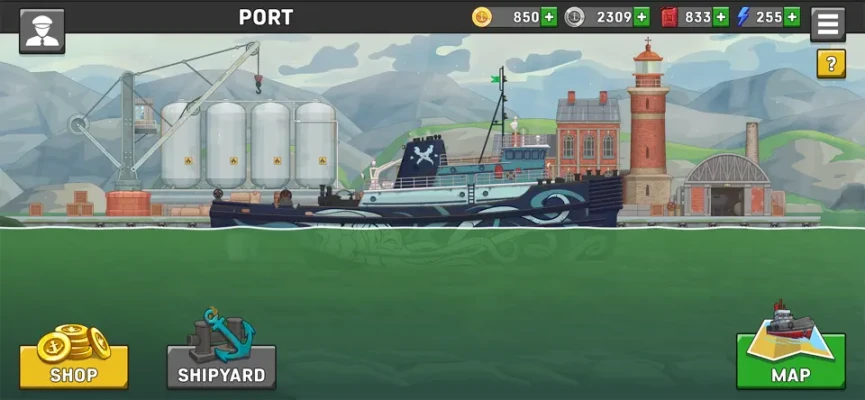
The game is particularly suitable for players who enjoy management challenges and vehicle progression. Its stylized 2D presentation and changing weather conditions help create an enjoyable atmosphere without making the experience overly complicated.
If you enjoy boat games, cargo transportation, ship upgrades, and construction-based simulation gameplay, Ship Simulator: Boat Game is worth exploring.
Final Thoughts
Ship Simulator: Boat Game transforms maritime transportation into an engaging management adventure where every delivery contributes to a much larger industrial project.
From controlling your first boat to building an impressive fleet, completing difficult cargo missions, and supporting industrial production, the game offers several interconnected systems to explore.
Success depends on more than simply reaching your destination. You must manage your resources, improve your vessels, understand transportation routes, and make smart decisions about your growing fleet.
Take your time learning the controls, invest in useful upgrades, complete missions consistently, and keep your long-term construction objective in mind.
With careful planning and efficient fleet management, you can overcome challenging waterways, support the development of the region, and work toward completing the ambitious nuclear power plant project.
Rate the Game
User Reviews












Popular Games



















 Android
 iOS
 Windows
 Xbox