


Latest Version
December 04, 2024
mobirix
Puzzle
Android
0
com.mobirix.mahjongking2
Report a Problem
More About :game
Mahjong Match Puzzle brings a colorful and accessible tile-matching experience to mobile devices. Designed for players who enjoy visual puzzles and thoughtful challenges, the game revolves around identifying identical Mahjong tiles and removing matching pairs according to the game's rules.
Although the basic objective is easy to understand, clearing stages efficiently requires observation, concentration, and good decision-making. Players must recognize symbols, identify useful matches, and adapt their approach as the puzzles become more challenging.
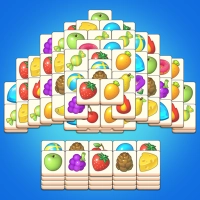
One of the game's most appealing features is its variety of tile designs. Alongside classic Mahjong symbols, players can explore character tiles, Hanafuda-inspired designs, playing cards, jelly tiles, and other visual styles. These options give the game a distinctive appearance while keeping the central matching mechanic familiar.
Beyond its main puzzle stages, Mahjong Match Puzzle offers arcade challenges and real-time multiplayer battles. Achievements and leaderboards provide additional goals for players who enjoy improving their records and competing against others.
Whether you prefer a relaxing solo experience or a more competitive challenge, Mahjong Match Puzzle offers several ways to enjoy tile-matching gameplay.
What Is Mahjong Match Puzzle?
Mahjong Match Puzzle is a casual puzzle game in which players match identical tiles to remove them from the board. Each stage presents a visual challenge that requires players to recognize matching symbols and make selections that help them progress.
The game focuses on tile recognition rather than the full rules of traditional multiplayer Mahjong. This makes it accessible to newcomers while still providing opportunities for experienced puzzle players to sharpen their skills.
The main attraction is its combination of numerous stages, multiple tile designs, and different game modes. Players can progress through puzzles at their own pace, try to achieve better arcade records, or compete against opponents in real time.
MOBIRIX also includes support items to help players through difficult situations. These features make the experience more flexible for people who want to enjoy straightforward matching puzzles without giving up the challenge of mastering more demanding stages.
Main Features of Mahjong Match Puzzle
Numerous Puzzle Stages
Mahjong Match Puzzle features a large collection of stages with carefully designed tile arrangements. Each puzzle gives players another opportunity to practice pattern recognition and improve their ability to identify matching symbols.
The different layouts help maintain variety as players progress. Some stages may feel straightforward, while others require closer attention and more deliberate choices.
Eight Tile Design Styles
The game includes eight tile design styles, offering a variety of visual themes. These include classic Mahjong tiles, character designs, Hanafuda tiles, playing card tiles, and jelly-themed tiles.
Switching between different styles adds variety to the experience and encourages players to become familiar with different symbols and patterns.
Helpful Support Items
Support items can assist players when a puzzle becomes difficult. They provide additional help when identifying matches or dealing with challenging situations.
Learning when to use these items is part of playing efficiently. Examine the board first, consider your available options, and use assistance when it offers a meaningful advantage.
Arcade Mode
Arcade mode gives players an opportunity to compete for high records. Instead of focusing exclusively on ordinary stage progression, this mode encourages players to improve their performance and challenge themselves.
It is particularly appealing to players who enjoy replaying games to achieve better results.
Real-Time One-on-One Multiplayer
The multiplayer mode allows players to compete against opponents from around the world in real-time one-on-one matches.
This introduces a competitive element that differs from the slower pace of solo puzzle-solving. Players must recognize matching tiles efficiently, remain focused, and make confident decisions while facing another person.
Achievements and Leaderboards
Achievements provide additional objectives for players who want to explore more of the game. Leaderboards allow them to compare their performance and pursue higher rankings.
These features add replay value for players who enjoy tracking their progress and working toward new goals.
Support for Multiple Languages
Mahjong Match Puzzle supports 16 languages, helping players from different regions navigate the game more comfortably.
Compatibility With Tablets
The game supports compatible smartphones, tablets, and other supported smart devices. Playing on a larger display can make it easier to inspect tile designs and distinguish similar symbols.
Single-Player and Competitive Gameplay
Players can enjoy the main puzzle stages independently or switch to multiplayer when they want a competitive experience. This balance makes the game suitable for both casual sessions and longer periods of practice.
How to Play Mahjong Match Puzzle
Understand the Main Objective
The main objective is to match identical Mahjong tiles and remove them from the puzzle board. Continue finding valid pairs until you complete the stage or achieve the objective of the selected mode.
Start by examining the visible tile arrangements and identifying symbols that appear more than once. This helps you understand the board before making your first selection.
Identify Identical Tiles
Look carefully at each tile's symbol, shape, and distinguishing details. Some designs may appear similar, especially when you are using an unfamiliar tile style.
Avoid relying only on color or general appearance. Confirm that the symbols match before making a selection.
Select Useful Matches
When several matching pairs are available, consider which selection will help you progress most effectively. A quick match may be convenient, but another pair might be easier to overlook or more important to your current strategy.
Develop the habit of scanning the board before selecting tiles rather than focusing on the first match you notice.
Use Support Items When Needed
If you cannot identify a useful move, review the available support items. Choose assistance that suits your situation and check its in-game description to understand its effect.
Explore Different Modes
Once you understand the main matching mechanics, try arcade mode to pursue high records or enter multiplayer to compete against another player.
Each mode offers a different reason to practice, making the experience more varied than a standard tile-matching game.
Complete Mahjong Match Puzzle Strategy Guide
Study the Board Before Making Your First Move
A careful opening can make a noticeable difference in how efficiently you solve a puzzle. Before selecting tiles, take a moment to examine the full arrangement.
Look for repeated symbols, distinctive patterns, and areas where several potential matches appear close together. This initial scan gives you a clearer idea of the available choices.
Avoid making selections simply because they are easy to spot. Understanding the board first can help you recognize better opportunities and reduce unnecessary searching later.
Develop Strong Tile Recognition Skills
Recognizing identical symbols quickly is one of the most important skills in Mahjong Match Puzzle. The more familiar you become with the available tile designs, the less time you will spend comparing individual symbols.
Practice identifying the features that distinguish each tile. Pay attention to the details of characters, patterns, and illustrations rather than relying on broad visual similarities.
Accuracy should come before speed. Once you can recognize the symbols consistently, faster selections will become more natural.
Use a Consistent Scanning Pattern
Randomly searching the board can cause you to overlook matches or repeatedly examine the same tiles. A systematic scanning method makes the process more reliable.
Start at one side of the board and move across each section in an orderly way. Examine the visible symbols, identify possible pairs, and then continue to the next area.
If you do not find a useful match immediately, move on rather than staring at the same group of tiles for too long. Returning to it later may help you notice a pattern you initially missed.
Match Difficult-to-Recognize Symbols Early
Some pairs are more noticeable than others. Familiar symbols may attract your attention immediately, while less distinctive tiles can be overlooked.
During your initial scan, pay attention to symbols that look unusual or appear only a few times. If you identify a matching pair that is easy to miss, consider selecting it before focusing on more obvious options.
This approach helps prevent difficult matches from becoming a source of confusion later in the stage.
Avoid Matching Tiles Based Only on Color
Different tiles may share similar colors, backgrounds, or shapes without displaying the same symbol. Matching by appearance alone can lead to errors.
Focus on the complete design and verify the identifying details before selecting a pair. This is especially important when using character tiles, Hanafuda designs, and playing card themes.
The ability to distinguish similar symbols becomes increasingly useful as you explore more of the available tile styles.
Keep Track of the Remaining Pairs
As you remove tiles, pay attention to which symbols remain on the board. Remembering the outstanding matches can reduce the amount of repeated searching you need to do.
When only a smaller number of tiles remain, concentrate on the symbols you have not yet matched. Scan for those designs and confirm whether their partners are still available.
This method helps maintain focus and makes the final part of a stage easier to manage.
Choose Moves That Simplify the Board
When multiple pairs are available, think about which move will make the remaining puzzle easier to understand.
A useful selection may reduce visual clutter, make overlooked symbols more noticeable, or help you focus on a smaller group of tiles.
Do not assume that the quickest available match is always the best choice. The value of a move depends on how it contributes to the current objective and the options that remain afterward.
Learn Each Tile Design Separately
Mahjong Match Puzzle offers eight tile design styles, so your recognition strategy should adapt to the theme you are using.
Classic Mahjong tiles may be familiar to experienced players, while character or jelly designs may require more practice. Spend time learning the distinguishing features of each style instead of assuming the same visual cues will work equally well for every set.
As you become comfortable with the different themes, you will be able to switch between them with greater confidence.
Use Support Items Strategically
Support items are most useful when they solve a specific problem. If you cannot find a match, first scan the board again and check for symbols that you may have overlooked.
If you are still stuck, review the available assistance options and choose one that addresses your situation. Avoid using support items automatically whenever a stage becomes challenging.
A thoughtful approach helps you make better use of the game's assistance features while continuing to develop your own puzzle-solving skills.
Improve Your Arcade Mode Results
Arcade mode rewards players who can maintain consistent performance and work toward better records.
Practice scanning the board efficiently, recognizing common symbols, and making accurate selections without unnecessary hesitation. A familiar scanning pattern can reduce wasted time and help you stay organized.
After each attempt, consider which parts of the run felt difficult. You might need to improve symbol recognition, reduce repeated searching, or become more comfortable with the tile designs.
Use these observations to guide your next attempt instead of relying on random changes.
Prepare for Real-Time Multiplayer
Multiplayer requires a different mindset from solo puzzle-solving because you are competing directly against another player.
Before entering a match, practice identifying symbols quickly and accurately. Become comfortable with the tile designs so that you can focus on the game rather than repeatedly checking unfamiliar patterns.
During a match, remain calm and confirm your selections. Rushing can lead to mistakes, while a steady and deliberate approach helps you maintain control.
Pay attention to the instructions and objectives of the multiplayer mode, since its competitive conditions may differ from those of the standard stages.
Learn From Challenging Puzzles
A difficult stage can reveal weaknesses in your current approach. Perhaps you overlooked a matching symbol, spent too much time searching one area, or relied on color instead of checking the complete design.
Identify the reason you struggled and adjust your strategy accordingly. If you repeatedly miss similar symbols, practice recognizing their distinguishing details. If you search inefficiently, improve your scanning pattern.
Making small improvements over time is often more effective than changing your entire approach after every difficult puzzle.
Beginner Tips for Mahjong Match Puzzle
Start With Accuracy
Learn to identify identical symbols correctly before trying to complete stages as quickly as possible.
Scan the Whole Board
Look across all visible areas before choosing a pair. You may find a more useful match somewhere else.
Follow a Regular Search Pattern
Move through the board systematically instead of jumping randomly between tiles.
Practice With Different Designs
Explore the available tile styles to become familiar with their symbols and patterns.
Use Support Items When Necessary
Try to solve the puzzle independently first, then use assistance if you cannot identify a suitable move.
Practice Before Playing Competitively
Build confidence in the single-player stages before challenging other players in real-time matches.
Take Breaks When Your Focus Drops
If you start overlooking obvious pairs, pause and return with a fresh perspective. Concentration is important for accurate matching.
Advanced Tips for Experienced Players
Improve Recognition Speed Naturally
Repeated exposure to tile patterns helps you recognize matching symbols more quickly. Practice consistently, but do not sacrifice accuracy simply to make faster selections.
Reduce Repeated Searching
Use a predictable scanning route and keep track of the areas you have already examined. This prevents unnecessary repetition and helps you identify matches more efficiently.
Adapt to the Mode You Are Playing
Solo stages allow more time for careful observation, while arcade and multiplayer modes may reward quicker decisions. Adjust your pace to the objective rather than using the same approach everywhere.
Stay Focused on the Current Goal
Avoid letting achievements or leaderboard positions distract you from the immediate challenge. Concentrate on making good decisions and improving your performance one stage or match at a time.
Review Your Performance
After a difficult run, think about what caused the problem. Recognizing repeated mistakes helps you develop a more reliable approach and make better decisions in future games.
Common Mistakes to Avoid
Rushing Through Tile Selections
Making quick selections without checking the symbols can lead to mistakes. Confirm that the tiles are identical before proceeding.
Focusing on Only One Section
Searching a small part of the board may cause you to miss easier matches elsewhere. Scan the full arrangement regularly.
Confusing Similar Designs
Tiles may share colors or shapes without being identical. Pay attention to their defining details.
Ignoring Less Familiar Symbols
Unusual tiles can be easy to overlook. Make a deliberate effort to identify symbols that do not immediately stand out.
Using Support Items Without a Clear Purpose
Assistance is more useful when you understand the problem you are trying to solve. Review your options before using an item.
Entering Multiplayer Too Quickly
Competitive matches can be harder when you are still learning the tile designs. Practice first to build confidence and improve recognition.
Repeating the Same Ineffective Approach
If a particular strategy consistently causes difficulty, change the part that is not working. Improving one habit at a time can produce better results.
Best Strategy for Progressing Through Mahjong Match Puzzle
The most reliable approach combines careful observation, accurate tile recognition, and consistent decision-making.
Begin each stage by scanning the board and identifying matching symbols. Prioritize pairs that are easy to overlook, and avoid selecting tiles based only on their colors or general appearance.
As the puzzle progresses, keep track of the remaining symbols and reduce repeated searching by following a regular scanning pattern. Use support items when they provide a clear benefit, and practice with different tile styles to become more adaptable.
Once you are comfortable with the main mechanics, explore arcade mode to pursue stronger records and multiplayer to test your skills against other players. Achievements and leaderboards can provide extra motivation as you continue improving.
Above all, focus on making accurate decisions rather than rushing. Consistent practice will help you recognize patterns faster and approach challenging stages with greater confidence.
Is Mahjong Match Puzzle Suitable for Beginners?
Yes. Mahjong Match Puzzle is accessible to beginners because the main objective is straightforward: identify identical tiles and match them.
New players can learn the different symbols gradually and develop stronger recognition skills through repeated play. Support items provide additional help when a stage becomes difficult, while the range of tile designs offers opportunities to practice with different visual patterns.
Experienced players can also enjoy the larger collection of stages, arcade challenges, and real-time multiplayer. This combination makes the game suitable for casual puzzle fans and players who enjoy improving their performance over time.
Is Mahjong Match Puzzle Worth Playing?
Mahjong Match Puzzle is a worthwhile option for players who enjoy casual tile-matching games, visual puzzles, and competitive challenges.
Its eight tile design styles add variety, while the numerous stages provide opportunities to practice and improve. Arcade mode gives players a reason to pursue higher records, and real-time multiplayer adds a direct competitive element.
Achievements and leaderboards provide additional goals for players who enjoy tracking their progress. The straightforward matching mechanics also make it easy to return to the game for a short session whenever you have free time.
Although the gameplay is centered on a simple concept, the combination of different tile styles and game modes offers a varied experience for fans of Mahjong-inspired puzzles.
Frequently Asked Questions About Mahjong Match Puzzle
What Is Mahjong Match Puzzle?
Mahjong Match Puzzle is a casual tile-matching game developed by MOBIRIX. Players match identical tiles to clear stages, explore different visual themes, and participate in arcade and multiplayer challenges.
Who Developed Mahjong Match Puzzle?
MOBIRIX developed Mahjong Match Puzzle. The company produces a range of mobile games across puzzle, arcade, and casual genres.
How Do You Play Mahjong Match Puzzle?
The main objective is to identify identical Mahjong tiles and match them to remove them from the board. Continue making valid matches to complete the current stage or achieve the objective of your selected mode.
How Many Tile Designs Does the Game Have?
The game features eight tile design styles, including classic Mahjong tiles, character tiles, Hanafuda tiles, playing cards, and jelly-themed tiles.
Does Mahjong Match Puzzle Have Multiplayer?
Yes. The game features real-time one-on-one multiplayer, allowing players to compete against opponents from around the world.
What Is Arcade Mode in Mahjong Match Puzzle?
Arcade mode is a competitive option where players aim to achieve high records. It offers an alternative to the main stage-based puzzle experience.
Are There Support Items in the Game?
Yes. Mahjong Match Puzzle includes support items that can help players deal with challenging situations. Their specific effects can be checked through the in-game descriptions.
Does Mahjong Match Puzzle Have Achievements?
Yes. The game supports achievements and leaderboards, giving players additional goals and ways to compare their performance.
Can You Play Mahjong Match Puzzle on a Tablet?
Yes. The game supports compatible tablet devices and smart pads, allowing players to enjoy the tile puzzles on larger screens.
Is Mahjong Match Puzzle Suitable for Casual Players?
Yes. The simple matching concept makes it accessible to casual players, while its extensive stages and competitive modes provide additional challenges.
How Can You Get Better at Mahjong Match Puzzle?
Practice recognizing tile symbols, scan the board systematically, and confirm each match before selecting it. Learn the different tile styles and focus on accuracy before trying to improve your speed.
What Should You Do When You Cannot Find a Match?
Scan the board again using a consistent pattern. Check unfamiliar symbols and look for pairs you may have overlooked. If you still need assistance, consider using an available support item.
Is Mahjong Match Puzzle the Same as Traditional Mahjong?
No. Mahjong Match Puzzle focuses on matching identical tiles in a puzzle format rather than using the complete rules of traditional multiplayer Mahjong.
Does Mahjong Match Puzzle Include In-App Purchases?
Yes. The Google Play listing indicates that the game contains advertisements and in-app purchases. Check the current in-game information for details about optional purchases.
Final Thoughts
Mahjong Match Puzzle offers an accessible and varied tile-matching experience for players who enjoy visual puzzles and thoughtful challenges. Its collection of stages, eight tile design styles, arcade mode, and real-time multiplayer provides several ways to enjoy the game.
The best way to improve is to recognize symbols accurately, scan the board systematically, and choose matches with care. Support items can help when needed, while regular practice makes it easier to handle unfamiliar designs and challenging arrangements.
Whether you want to relax with solo puzzles, pursue better arcade records, or compete against other players, Mahjong Match Puzzle provides an enjoyable way to test your observation skills and improve your matching abilities.
Rate the Game
User Reviews













Popular Games



















 Android
 iOS
 Windows
 Xbox