

Latest Version
August 04, 2025
Rollic Games
Puzzle
iOS
0
Report a Problem
More About :game
What Is Knit Out?
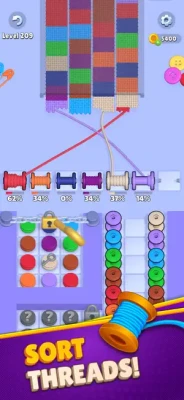
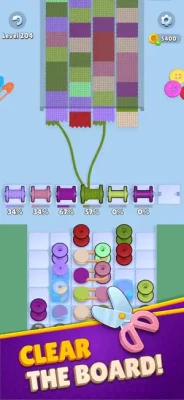
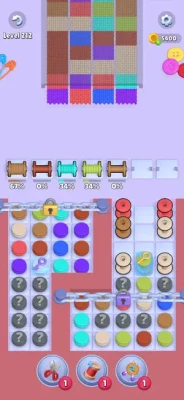
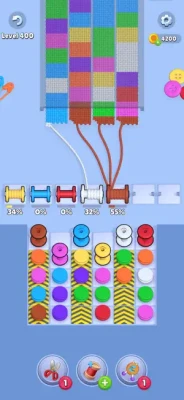
Knit Out is a relaxing yet challenging puzzle game developed by Rollic Games. It combines colorful yarn, tangled ropes, and matching mechanics in a brain-teasing experience that rewards patience and thoughtful decision-making. Your goal is to clear the tangled lines at the top of the screen by selecting the correct bobbins from the grid below.
Every move can change the state of the puzzle, so success depends on understanding which ropes can be released, which colors need to be matched, and which bobbins should be selected first. As you progress, the game introduces more complicated layouts and additional mechanics that require you to think several moves ahead.
Knit Out is designed for players who enjoy sorting puzzles, color-matching challenges, and casual brain games. Its untimed gameplay makes it suitable for short breaks or longer sessions when you want to concentrate on a satisfying logic challenge.
How to Play Knit Out
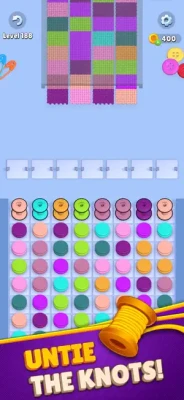
The main objective in Knit Out is to remove all the tangled ropes by matching them with their corresponding bobbins. Each level presents a board containing colorful knots and a selection of bobbins arranged below them.
Start by examining the ropes and identifying the colors you can work with. Select an appropriate bobbin to collect its matching rope when the game allows it. As ropes are collected, the board changes, potentially revealing new opportunities or making previously blocked elements accessible.
Continue matching the available colors while keeping track of the remaining ropes and bobbins. Some levels require a specific order of moves because selecting the wrong bobbin too early can limit your available options.
To complete a level successfully, clear the required ropes and satisfy the puzzle's remaining objectives. The key is to look beyond the next match and consider how each action affects the rest of the board.
Main Features of Knit Out
Colorful rope-matching puzzles
The game centers on matching vibrant ropes with the correct bobbins. The colorful presentation makes the puzzles visually appealing while encouraging careful observation.
Hundreds of puzzle levels
Knit Out offers a large collection of levels with different layouts and challenges. The difficulty increases as you progress, giving you opportunities to improve your planning and problem-solving skills.
Relaxing, untimed gameplay
The core puzzle experience does not use a countdown timer, allowing you to examine the board and consider your options before making a move.
Increasingly complex challenges
Later stages introduce more demanding arrangements and mechanics that make move order increasingly important.
Layered puzzle elements
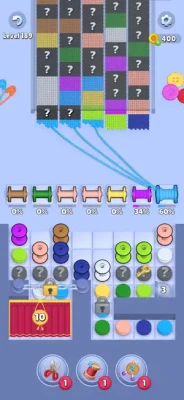
Some challenges feature layered fabric or bobbins. These elements require repeated matching or clearing actions before they can be completely removed or filled.
Special mechanics
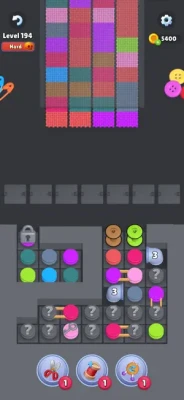
Additional level elements, including magnets and flip gates, introduce new rules that influence how the board changes and which bobbins remain accessible.
Satisfying visual feedback
Colorful animations and sound effects accompany successful actions, making each completed match feel rewarding.
Free-to-play access
Knit Out is available as a free download with optional in-app purchases. Depending on the version and platform, advertisements and purchase options may also be present.
Understanding the Rope and Bobbin System
The rope-and-bobbin mechanic is the foundation of Knit Out. Each rope has a color that corresponds to a bobbin, and choosing the right bobbin helps remove the matching rope from the puzzle.
However, identifying a matching color is only part of the challenge. You must also pay attention to the arrangement of the ropes and the availability of the bobbins. A match that looks useful at first might not be the best move if another rope needs to be cleared before you can make progress.
The most effective approach is to inspect the entire board before making your first selection. Look for accessible matches, blocked ropes, and colors that appear multiple times. This initial observation helps you build a plan instead of relying on random taps.
Best Knit Out Tips for Beginners
Study the board before making a move
Take a moment to understand the puzzle's layout. Identify the available colors, the ropes that can be cleared immediately, and any obstacles that could affect later moves. A few seconds of observation can prevent unnecessary mistakes.
Prioritize moves that reveal new options
Whenever possible, choose a bobbin that helps open up the board. Removing a rope may expose another color or create access to a useful bobbin. Moves that increase your future options are often more valuable than matches that provide only immediate progress.
Match colors carefully
Do not rely on a quick glance when several colors look similar. Compare the rope and bobbin closely before selecting anything. Distinguishing similar shades is especially important in levels containing multiple blue, purple, or other closely related colors.
Avoid making random selections
Random tapping can make it harder to understand why a puzzle succeeds or fails. Try to make every move for a specific reason, such as clearing a blockage, completing a layered object, or preparing the board for a later match.
Learn from failed attempts
If a level becomes difficult, review the order of your previous moves. You may discover that a different first selection would have opened a better path. Treat each attempt as an opportunity to learn more about the puzzle's structure.
Stay patient on difficult levels
Knit Out is designed around observation and planning rather than speed. If you become stuck, pause and examine the remaining ropes and bobbins again. A fresh look can reveal a solution that was easy to overlook.
Advanced Knit Out Strategy Guide
Plan Several Moves Ahead
One of the most useful skills in Knit Out is anticipating how the board will change after each selection. Instead of asking only which bobbin you can match now, consider what the board will look like after that match.
For example, imagine that clearing a red rope will reveal a green rope, while a blue rope is already accessible. If matching blue first would leave red blocked, but matching red would open access to green, the red selection may be more useful depending on the available bobbins and level rules.
You do not need to predict every move in advance. Planning the next two or three actions is often enough to avoid obvious dead ends and keep the puzzle moving.
Focus on the Most Restrictive Colors
Some colors or ropes may have fewer useful opportunities than others. If a particular rope is difficult to access or its matching bobbin is limited by the board arrangement, pay attention to it early.
A practical strategy is to identify which colors are easiest to match and which ones could become problematic later. Handle restrictive situations when you have a clear opportunity rather than assuming they will resolve themselves.
At the same time, do not clear a difficult color immediately if doing so blocks a more important move. The best decision depends on how the whole board fits together.
Manage the Order of Your Matches
Move order can determine whether a level remains manageable. Two selections may both be correct color matches, but their consequences can be very different.
Before choosing a bobbin, ask yourself whether the move will expose another rope, consume an important opportunity, or leave you with fewer useful choices. This simple habit helps you distinguish a productive match from one that creates problems later.
When multiple moves appear equally useful, favor the option that keeps the greatest number of future choices available.
Keep Track of Remaining Objectives
As the puzzle progresses, periodically review what still needs to be cleared. It is easy to focus on the most visible rope and overlook a color or layered element that requires additional work.
Pay attention to the remaining colors, the condition of layered objects, and any special elements still present on the board. Keeping these objectives in mind helps you avoid reaching the end of a level with an incomplete task.
Recognize When to Change Your Plan
A good strategy should adapt as the puzzle changes. If a move reveals an unexpected blockage or leaves you with fewer options than anticipated, do not continue following the original plan automatically.
Reassess the board after important selections. Look for newly available matches, changes in accessibility, and opportunities to clear obstacles. Flexible planning is more reliable than committing to a sequence that no longer fits the situation.
How to Beat Difficult Levels in Knit Out
Hard levels often become challenging because the board contains several interacting elements. The solution may depend on clearing the right rope first, completing layered objects in the correct order, or understanding how special mechanics affect access to bobbins.
Begin by identifying the main obstacle. Determine whether the difficulty comes from blocked ropes, similar colors, layered elements, restricted movement, or a combination of these factors.
Next, identify the moves that can directly improve the situation. Avoid using a selection simply because it is available. Instead, prioritize actions that remove a meaningful obstacle or make another important move possible.
If you get stuck, return to the beginning of the level mentally and consider a different opening. Changing the first one or two selections can sometimes lead to a completely different sequence of opportunities.
Use hints or available boosters only when they offer a clear benefit. If a level is nearly solved, a small adjustment in your strategy may be enough. Save limited resources for situations where you genuinely cannot identify a workable path.
How to Solve Layered Fabric Puzzles
Layered fabric adds another consideration to the normal matching process. Instead of removing an element in one action, you may need to clear multiple layers before it disappears completely.
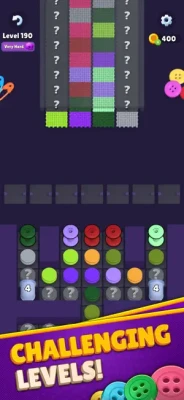
Pay attention to any numbers or visual indicators showing how many layers remain. These details help you estimate how much work is required and avoid assuming that a partially cleared element is finished.
Prioritize layered elements when clearing them will open important routes or improve access to other ropes. However, do not automatically focus on every layered object first. Consider whether the effort required will help you complete the rest of the puzzle.
How to Solve Layered Bobbin Puzzles
Layered bobbins require repeated matching actions to fill their successive layers. Completing one layer does not necessarily mean the bobbin has been fully collected; another layer may appear and require additional matching.
Before committing to a sequence, check whether a layered bobbin needs several matches. This helps you plan the use of each color and understand how many actions may be required.
Avoid assuming that a partially filled bobbin is no longer relevant. Track its current state and account for any remaining layers when deciding which color to match next.
The best strategy is to combine progress on layered bobbins with moves that keep other parts of the board accessible.
How to Use Magnets Effectively
Magnet mechanics introduce a different type of planning challenge. In the relevant levels, two magnets move toward each other as you clear bobbins blocking their path. When they meet, they disappear.
The important skill is understanding which bobbins stand between the magnets and what must be cleared before they can move closer.
Study the route between the magnets and identify the obstacles that prevent progress. Whenever possible, choose matches that remove these obstacles while also contributing to the level's other objectives.
Avoid focusing exclusively on the magnets if doing so leaves important ropes inaccessible. A balanced strategy considers both the magnet route and the remaining puzzle.
How to Master Flip Gates
Flip gates add a positional challenge to the game. Each move changes which side of the gate is accessible, alternating between the two sides and potentially trapping bobbins on the opposite side.
Before selecting a bobbin, check which side is currently available and consider what the next move will do to accessibility. A seemingly simple selection can make a useful bobbin temporarily unreachable.
Try to plan around alternating access. If you need bobbins from both sides, think about the order in which you will use them rather than treating every move independently.
When possible, use each gate change to your advantage by preparing a useful selection on the side that will become accessible next. Understanding the gate's behavior is more effective than reacting to each change after it happens.
Common Knit Out Mistakes to Avoid
Choosing a bobbin without checking the board
An available match is not automatically the best match. Always consider whether the selection will help or hinder your next moves.
Ignoring similar colors
Closely related shades can make matching difficult. Examine each rope and bobbin carefully instead of relying on a quick visual impression.
Forgetting about layered elements
A layered rope or bobbin may require multiple actions. Track its remaining layers so you do not underestimate the work needed to finish the level.
Overlooking special mechanics
Magnets and flip gates change the way the board behaves. Applying the same strategy to every level can lead to unnecessary mistakes.
Using boosters too quickly
Boosters may be useful when a puzzle becomes difficult, but using them immediately can waste resources that would be more valuable later. Try to understand the problem before spending anything.
Repeating the same failed sequence
If a particular move order repeatedly causes trouble, change your approach. Repeating identical selections without learning from the result is unlikely to improve your chances.
Rushing through the final moves
Even when a level appears almost complete, check for remaining ropes, bobbin layers, or special objectives before assuming the puzzle is solved.
How to Progress Faster in Knit Out
The most reliable way to progress is to improve your decision-making rather than trying to finish every level as quickly as possible.
Start by learning the basic matching rules until they become familiar. Once you understand the core mechanics, focus on recognizing patterns in the board and predicting which selections will open new opportunities.
When new mechanics appear, take time to understand their rules before applying your usual strategy. A magnet puzzle and a flip-gate puzzle may both involve matching bobbins, but they require different approaches to planning.
Review difficult levels after each attempt. Identify the move that caused the most trouble and consider whether another selection could have prevented the problem. Over time, this process builds a better understanding of how the game responds to different decisions.
It is also helpful to take breaks when a puzzle becomes frustrating. Returning with a fresh perspective can make it easier to spot patterns and identify the correct order of moves.
Is Knit Out a Relaxing Game?
Knit Out can provide a relaxing puzzle experience because its core gameplay does not rely on a countdown timer. Players can take their time examining the board and deciding which color to match next.
The colorful ropes, simple controls, and satisfying matching animations make the game approachable for casual players. At the same time, increasingly difficult layouts provide a challenge for people who enjoy logic puzzles.
Not every level will feel easy. Later puzzles and special mechanics can require careful planning, and some players may need multiple attempts to find a successful sequence. The experience is best approached with patience rather than an expectation that every level will be solved immediately.
Is Knit Out Free to Play?
Knit Out is available as a free download with optional in-app purchases. Depending on the platform and version, the game may also include advertisements and purchasable items.
You can begin playing without necessarily making a purchase. If a level becomes difficult, consider reviewing your strategy and using any available free assistance before deciding whether to spend money.
Check the current in-game options for details about boosters, coins, and other purchases. Their availability and costs may change with updates or differ between platforms.
Frequently Asked Questions About Knit Out
What is the main goal of Knit Out?
The goal is to clear colorful tangled ropes by matching them with the appropriate bobbins. You must choose your moves carefully to remove the required elements and complete each level.
Is Knit Out easy to learn?
The basic mechanics are straightforward, making the game accessible to new players. However, later levels introduce more complicated arrangements and special mechanics that require greater attention and planning.
Does Knit Out have a time limit?
The core puzzle gameplay is described as untimed, so you can study the board and think through your choices without racing against a countdown.
How can I beat a difficult Knit Out level?
Examine the entire board, identify blocked ropes, prioritize useful matches, and think a few moves ahead. If your current sequence fails, try a different opening instead of repeating the same selections.
What are layered bobbins in Knit Out?
Layered bobbins require multiple matching actions to complete. Each time a layer is filled, another layer may appear, so you must continue matching until the bobbin is fully collected.
What do magnets do in Knit Out?
In magnet levels, clearing the bobbins between two magnets allows them to move closer together. When they meet, they disappear, making the order of obstacle-clearing moves important.
How do flip gates work?
Flip gates alternate which side of the board is accessible with each move. You must plan your selections around these changes to avoid leaving useful bobbins temporarily trapped.
Does Knit Out require strategy?
Yes. Although the controls are simple, successful play depends on choosing the right order of matches, tracking remaining objectives, and understanding how each move affects the board.
Can I play Knit Out without spending money?
The game is free to download and offers optional purchases. Your ability to progress without spending may depend on the level, the available assistance, and the resources you have earned.
Is Knit Out suitable for short gaming sessions?
Yes. Individual puzzles make it suitable for short breaks, while more complicated levels can provide a longer challenge for players who prefer to spend extra time thinking through a solution.
Final Thoughts on Knit Out
Knit Out combines colorful rope matching with thoughtful puzzle-solving, creating an experience that is easy to understand but increasingly challenging as new mechanics appear. Its most rewarding moments come from recognizing how the pieces fit together and discovering the right order of moves to clear a complicated board.
The best way to improve is to study each level, choose matches with a purpose, and adapt your strategy as the board changes. Pay special attention to layered elements, magnets, and flip gates, since these mechanics can change the order in which you should approach a puzzle.
Whether you enjoy casual color-matching games or more demanding logic challenges, Knit Out offers plenty of opportunities to sharpen your observation skills and solve satisfying puzzles one move at a time.
Rate the Game
User Reviews










Popular Games



















 Android
 iOS
 Windows
 Xbox