


Latest Version
December 11, 2024
Parallel Space Inc
Strategy
0
com.ParallelSpace.Cerberus
Report a Problem
More About :game
Hades' Star: An Overview of the Game
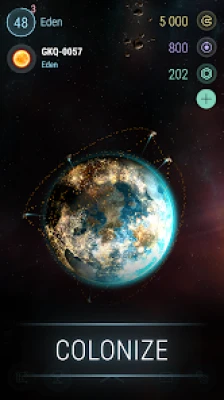
Hades' Star offers a different kind of space adventure, focusing on long-term planning rather than constant action. You begin with a limited foothold in the galaxy and gradually develop a network of planets, stations, trade routes, and fleets. Every expansion creates new opportunities, but it also introduces additional costs and responsibilities.
The game's central challenge is balancing economic growth with military strength. Mining ships gather valuable resources, transport ships support your economy, and combat vessels protect your interests during dangerous missions. Research unlocks new capabilities, while diplomatic relationships and cooperative activities create additional ways to progress.
One of the game's defining features is its persistent online galaxy. Your empire continues to be part of a shared environment even when you are not actively playing. This makes efficient resource management and sensible planning especially important.
Rather than expanding as quickly as possible, successful players develop a stable economic foundation, invest in useful technologies, and build fleets that match their immediate objectives.
Getting Started in Hades' Star
The early stages of Hades' Star introduce the basic systems required to operate your empire. Your first priority should be understanding how planets, stations, ships, resources, and research work together.
Follow the introductory missions carefully. They help you learn how to move ships, collect resources, establish connections, and use the available structures. These early tasks also provide direction when the galaxy seems unfamiliar.
Avoid spending resources on every available upgrade immediately. Some improvements offer more value than others, particularly when your economy is still developing. Focus first on upgrades that support resource collection, trade, and expansion.
Pay attention to mission objectives and the costs associated with each action. Learning these systems early will help you avoid resource shortages and make more confident decisions later.
Understanding the Main Resources
Resource management is one of the most important parts of Hades' Star. Your ability to expand, research technology, and maintain an effective fleet depends on how well you collect and spend the resources available in your current progression.
Credits support many economic activities and development decisions. A healthy credit income helps you maintain infrastructure and fund future improvements.
Hydrogen is an important operational resource, particularly for ship movement and activities that require your fleet to travel between locations. Poor planning can leave you with insufficient fuel for the missions you want to complete.
Other resources, currencies, or progression materials may become relevant depending on your account's development and the game's current systems.
The best approach is to consider both immediate needs and future expenses before committing to an upgrade. Keep enough resources available for essential operations instead of spending everything on expansion.
Building and Expanding Your Space Empire
Expansion allows you to reach additional planets, establish useful infrastructure, and increase the opportunities available to your empire. However, every new area should contribute something meaningful to your overall strategy.
Before expanding, consider the cost of establishing and maintaining the new territory. Think about how it will connect to your existing network, which resources it can provide, and whether your current fleet can support the additional workload.
A well-planned empire is easier to manage than a collection of disconnected outposts. Organize your development around practical goals, such as improving resource collection, increasing trade efficiency, or preparing for exploration.
Avoid expanding simply because another location is available. Expansion is most effective when it strengthens your economy or unlocks a useful strategic opportunity.
Managing Your Fleet
Your fleet is the foundation of your empire's economic and military activity. Different ships perform different roles, and using the right vessel for the right task helps you make better use of your resources.
Mining ships collect resources from suitable locations. Transport ships move cargo and support trade. Combat ships provide protection and participate in military encounters.
As your empire grows, coordinate these roles instead of relying on a single type of ship. A strong economy needs reliable resource collection and transportation, while dangerous missions require an appropriate military presence.
Avoid sending every available vessel on a single mission if doing so leaves essential economic activities unattended. Keeping a balanced fleet allows you to continue developing your empire while preparing for other objectives.
Understanding Technology and Upgrades
Research helps your empire become more capable over time. Depending on the available technology and modules, improvements can strengthen your ships, improve economic efficiency, or support specialized missions.
Before researching an upgrade, consider which problem it will solve. If your main challenge is collecting resources, an economic improvement may be more valuable than an advanced combat capability you rarely use.
If you frequently participate in dangerous missions, defensive or offensive technologies may deserve greater attention. Players who focus on trade and development can benefit from prioritizing technologies that improve their operational efficiency.
Try to develop a coherent upgrade plan instead of researching technologies without considering how they work together. A focused strategy makes your resources go further and helps your empire progress more smoothly.
Exploring the Different Star Systems
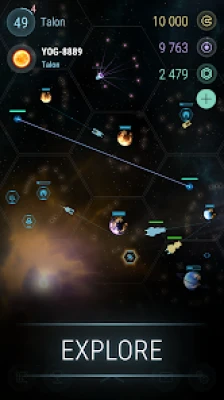
Hades' Star features several star systems, each designed around a different style of gameplay. Understanding their purposes helps you decide where to invest your time and which ships to prepare.
Yellow Star: Your Home Empire
The Yellow Star is the center of your long-term development. It is where you manage your planets, collect shipments, mine hydrogen, establish infrastructure, and build your economy.
Use this system to develop reliable income and organize your fleet. Keep mining operations productive, improve your planets when resources permit, and establish efficient routes for transporting shipments.
Because this is your permanent home system, decisions made here affect almost every other activity. A well-managed Yellow Star provides the financial and operational support needed for exploration and combat.
Red Star: Cooperative Exploration and Combat
Red Stars are temporary mission areas where players cooperate to defeat Cerberus enemies and retrieve artifacts. These missions have a time limit, so preparation and coordination are essential.
Before entering a Red Star, check your fleet, available modules, and hydrogen supply. Bring ships that can contribute to the mission rather than sending every vessel without a clear purpose.
Destroy dangerous enemies, support allied players when possible, and retrieve artifacts from planets. Make sure your ships return safely before the star goes supernova.
Higher-level Red Stars offer tougher encounters and more demanding decisions. If your current technology makes a mission difficult, practice in a lower-level system until your fleet is better prepared.
Blue Star: Competitive Battles
Blue Stars provide a faster competitive experience. Players send a battleship into an unstable system and attempt to survive against other players and environmental threats.
The key is to balance aggression with survival. Engaging every opponent immediately can leave your ship damaged before the most dangerous part of the encounter begins.
Watch your surroundings, choose your engagements carefully, and pay attention to the shrinking safe area. Your position can become more important as the match progresses.
Learn how your selected modules interact and avoid entering a fight without understanding their strengths. A well-timed defensive or offensive ability can change the outcome of a close battle.
White Star: Corporation Warfare
White Stars focus on coordinated battles between corporations. Teams compete for relics, and success depends on planning, communication, and the ability to protect valuable assets.
These missions operate on a slower timeline than ordinary battles, allowing players to coordinate movements and prepare a shared plan. Individual strength matters, but teamwork is often the deciding factor.
Before participating, understand your assigned role and the corporation's objectives. Coordinate ship movements with teammates, protect transport vessels, and avoid making major decisions that conflict with the team's strategy.
White Star participation is especially rewarding for players who enjoy long-term planning and organized multiplayer competition.
How to Earn Credits Efficiently
Credits are essential for expanding your empire, improving infrastructure, and building ships. Developing a reliable income stream should be one of your main priorities.
Planet shipments are an important source of credits. Send transport ships to collect and deliver available cargo, and look for routes that allow several shipments to be completed efficiently.
As your transport capacity improves, you can carry more cargo per trip. This makes route planning increasingly valuable because efficient deliveries can increase income without requiring unnecessary travel.
Trade Stations can also contribute to your economy when they fit your development plan. Evaluate their cost and expected benefit before investing in additional infrastructure.
Artifacts and certain mission rewards can provide additional resources or credits. Combining economic activity with suitable missions gives you more flexibility than relying on a single source of income.
How to Manage Hydrogen Without Running Out
Hydrogen management is crucial because several important activities depend on having enough fuel available. Running out at the wrong moment can delay exploration, shipment operations, and other plans.
Keep your mining ships active whenever possible and collect available hydrogen from asteroid fields in your home system. Avoid leaving miners idle when useful resources remain within reach.
Before launching a mission, estimate the cost of moving the ships you intend to use. The cost of Red Star operations can increase as more ships of the same type are sent into the mission, so sending additional vessels without a clear purpose may be inefficient.
Plan your transport routes carefully. Unnecessary journeys consume resources that could be saved for more valuable activities.
Use the Star Harvester and other available hydrogen-related features as appropriate for your progression. Check their costs, output, and cooldowns so that you can incorporate them into a sustainable routine.
The goal is not to avoid spending hydrogen entirely. It is to make sure that each expenditure contributes to a worthwhile objective.
Building an Efficient Trade Route
A good trade route balances the amount of cargo delivered with the distance and resources required to complete the journey.
Start by reviewing available shipments and identifying destinations that are close to one another. When possible, combine deliveries instead of sending a transport ship across the system for a single small shipment.
Consider the modules available to your transports. Shipment-related modules can improve efficiency or increase rewards, but their benefits should be weighed against their operating costs and the space they occupy.
Warp Lanes can reduce travel time between connected locations and make certain routes more convenient. However, their construction and maintenance costs mean they should be planned carefully rather than built without a clear economic reason.
As your empire grows, review your routes periodically. A route that was useful early in the game may become less efficient after you colonize additional planets or upgrade your transport fleet.
Using Artifacts to Strengthen Your Empire
Artifacts are valuable rewards from Red Star missions. They can be brought back to your home system and researched to unlock blueprints and other progression benefits.
Successful artifact collection requires preparation. Make sure your ships can handle the enemies in the target system, and avoid spending too much hydrogen on an expedition that offers limited value.
Choose missions that match your fleet's current capabilities. A difficult mission is not necessarily the best choice if your ships lack the upgrades needed to complete it safely.
Research artifacts consistently and use the resulting blueprints to develop your preferred technologies. Over time, this creates a stronger fleet and gives you access to more demanding missions.
Avoid treating artifact collection as a race to gather the largest possible number. A smaller, successful expedition can be more efficient than an ambitious run that leaves ships stranded or consumes excessive resources.
Choosing Modules for Your Ships
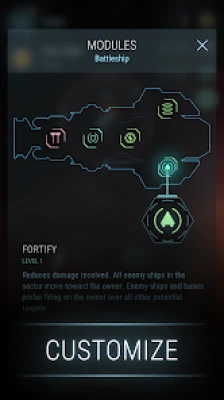
Ship modules determine many of your tactical options. They can improve combat performance, provide defensive support, enhance movement, or make economic operations more efficient.
Select modules according to the role of each ship. A battleship preparing for combat needs a different setup from a transport ship carrying valuable shipments.
For Red Star missions, consider how your modules work together. Offensive capabilities help defeat enemies, defensive options improve survivability, and support abilities can help your fleet respond to dangerous situations.
For Blue Star battles, prioritize modules that suit the competitive environment and your preferred approach. A setup that works well in cooperative missions may not perform as effectively against other players.
For economic ships, evaluate the benefits of transport and mining improvements against the additional operational costs they may create.
Upgrade modules you use regularly before investing heavily in specialized equipment that rarely contributes to your goals. A focused setup is easier to understand, maintain, and improve.
Red Star Strategy Guide
Red Star missions reward preparation, cooperation, and efficient use of time.
Before entering, review the available planet locations and consider the enemies your fleet may encounter. Decide which sectors to approach first and which ships should lead the expedition.
Avoid sending ships into danger individually when coordinated movement would be safer. Battleships can help control enemy threats while transports retrieve artifacts, and cooperation with other players can make difficult encounters more manageable.
Use active modules thoughtfully. Save a powerful ability when an upcoming encounter is likely to demand it, but do not hesitate to use useful abilities when they can prevent serious damage.
Keep track of the supernova timer throughout the mission. Leave enough time for artifact collection and the return journey, accounting for the distance your ships must travel.
If you repeatedly struggle at a particular Red Star level, consider returning to easier missions while upgrading your technology. Stronger modules and better coordination can improve success without requiring reckless resource spending.
Blue Star Strategy Guide
Blue Star matches require quick decisions and a good understanding of your battleship's capabilities.
Start by observing the battlefield. Identify nearby threats, consider your initial position, and avoid moving directly into an unfavorable confrontation.
Preserve your ship's health whenever possible. Early damage can become a serious disadvantage later, especially when the safe area becomes smaller and movement options are restricted.
Pay attention to other players' behavior. If an opponent is already fighting another ship, you may have an opportunity to reposition instead of joining an unnecessary exchange.
However, do not confuse patience with complete inactivity. As the safe area contracts, you may need to move or engage at the right moment to avoid being trapped in a dangerous position.
Study the interaction between your modules and those used by opponents. Better timing, careful positioning, and appropriate defensive responses can help you survive longer and improve your results.
White Star Strategy Guide
White Star operations are best approached as coordinated team missions rather than individual battles.
Start by agreeing on the corporation's objectives and identifying the ships available for the operation. Establish which players will provide combat support, which will transport relics, and which areas require protection.
Communication is essential because a seemingly minor movement can affect the wider plan. Share relevant information with teammates and avoid committing ships to a major action without considering the team's overall position.
Protecting transports is particularly important when relics must be recovered. A successful attack is not enough if valuable cargo cannot be brought back safely.
Consider the long-term consequences of each engagement. Preserving a useful ship may be more valuable than winning a brief confrontation that leaves your team weakened for the rest of the operation.
New players should learn their corporation's procedures before attempting complex maneuvers. Understanding the plan and following it consistently is often more useful than experimenting during a critical battle.
Joining a Corporation and Playing With Others
Corporations provide opportunities to cooperate with other players, learn from experienced commanders, and participate in organized activities.
When choosing a corporation, look for one that matches your activity level and preferred playstyle. Some groups emphasize casual progression, while others focus heavily on coordinated battles and competitive performance.
Ask questions when you are unfamiliar with a mission or module. Experienced players can often explain useful tactics, point out common mistakes, and help you prepare for more difficult challenges.
Contribute to the corporation by participating in activities you understand and communicating when you need assistance. Consistent cooperation helps build trust and makes organized missions more effective.
If a corporation's expectations are significantly different from your available playtime, consider finding a group that better matches your schedule.
Common Mistakes New Players Should Avoid
Expanding too quickly is a frequent mistake. Every new planet, station, or ship creates additional costs, and an empire that grows faster than its economy can support may struggle to maintain progress.
Another mistake is neglecting hydrogen. Missions and transport operations can consume valuable fuel, so launching expeditions without checking your supply can disrupt other activities.
Players also sometimes build fleets without considering their actual needs. Having more ships does not automatically make your empire more efficient if those vessels consume resources without contributing to useful tasks.
Ignoring module compatibility can weaken a fleet. Instead of equipping ships randomly, develop a clear purpose for each vessel and select modules that support it.
Finally, avoid treating every multiplayer activity as a competition that must be won immediately. Learning from experienced players, practicing in appropriate missions, and improving your technology can produce better long-term results.
Advanced Tips for Long-Term Progress
Once your empire becomes established, focus on efficiency rather than simply increasing its size.
Review your resource income and spending regularly. If hydrogen is consistently running low, adjust your mining activity and reduce unnecessary travel. If credit income is limited, examine shipment routes and identify opportunities to improve transport efficiency.
Develop several complementary capabilities instead of specializing so narrowly that you struggle when a different activity becomes necessary. A strong economic foundation, a capable combat fleet, and a useful selection of modules provide flexibility.
Take advantage of the game's persistent nature by planning upgrades and research around your available time. Start longer operations when appropriate, and use shorter sessions to collect resources, manage shipments, and prepare your next objective.
Learn from both successful and unsuccessful missions. Identify which decisions saved resources, which encounters caused avoidable losses, and which upgrades made the greatest difference.
Most importantly, remember that progress is cumulative. A well-managed empire built steadily over time can become much more capable than one developed through rushed spending and poorly planned expansion.
A Practical Daily Routine for Hades' Star
A consistent routine helps you maintain progress without spending unnecessary time managing every detail.
Begin by checking your resource reserves and collecting available hydrogen where appropriate. Confirm that your mining ships are working efficiently and that your transport ships have useful shipments to deliver.
Review ongoing construction, research, and other timers. Start the next upgrade when you have sufficient resources and understand its value to your current strategy.
If you have time for cooperative missions, prepare your fleet and choose a Red Star or corporation activity that matches your capabilities. If you prefer a short session, focus on essential economic tasks or a Blue Star match.
Before leaving the game, make sure your ships are assigned to useful tasks and that your next upgrade or research project is progressing.
You do not need to complete every activity each day. The purpose of a routine is to maintain steady development while keeping your resource spending under control.
Performance and Account Management Tips
Hades' Star is an online game, so a stable connection is important for accessing its shared galaxy and multiplayer features.
If the game experiences lag or connection problems, check your internet connection and restart the application if necessary. Keeping the game updated can also help resolve known technical issues.
Protect your account by using the official game and store distribution channels. Avoid sharing account credentials or trusting unofficial offers that promise free premium currency or guaranteed progression.
If you play on more than one device, check the available account-saving and synchronization options before switching devices. Confirm that your progress is associated with the intended account to reduce the risk of losing access.
Use optional purchases carefully. The game can be progressed through regular play, so consider whether an optional purchase provides enough value for your needs before spending money.
Is Hades' Star Worth Playing?
Hades' Star is a good option for players who enjoy space strategy, resource management, and long-term empire development. Its combination of economic planning, fleet customization, exploration, and multiplayer activities offers several ways to approach progression.
Players who enjoy optimizing trade routes and building a sustainable economy can focus on their home system. Those who prefer combat can develop their fleets and participate in Red Star and Blue Star activities. Players who enjoy teamwork can join a corporation and contribute to White Star operations.
The game also suits people who prefer a more deliberate pace instead of constant real-time action. However, players looking for a purely offline, single-player experience may find the persistent online environment less suitable.
Its greatest strength is the relationship between its different systems. Economic improvements support stronger fleets, better technology unlocks more challenging missions, and cooperation creates opportunities that are difficult to achieve alone.
Frequently Asked Questions
What Is Hades' Star?
Hades' Star is an online space strategy game in which players build an empire, manage planets and resources, command specialized ships, research technology, and participate in cooperative and competitive missions.
How Do You Get Started in Hades' Star?
Complete the introductory missions, learn how ships and stations work, and establish a stable economy. Prioritize resource collection and shipment income before committing heavily to expensive upgrades.
What Is the Main Goal of the Game?
The main goal is to expand your empire by developing planets, building infrastructure, improving fleets, researching technology, and participating in missions. You can also pursue personal progression goals, achievements, and corporation activities.
How Do You Earn More Credits?
Improve your shipment operations, use transport capacity efficiently, and develop your planets and Trade Stations where appropriate. Artifact research and certain mission activities can also contribute to your progression.
How Can You Collect More Hydrogen?
Keep miners active, collect available hydrogen from asteroid fields, and use appropriate hydrogen-related features. Plan ship movements carefully and avoid unnecessary journeys that consume resources without producing meaningful benefits.
What Is the Difference Between Red Stars and Blue Stars?
Red Stars focus on cooperative missions against computer-controlled enemies, with players retrieving artifacts before the star becomes unstable. Blue Stars focus on competitive battles in which players attempt to survive against other participants and environmental threats.
What Are White Stars?
White Stars are coordinated corporation battles involving relic collection and strategic planning. Players work together to protect valuable ships, coordinate movements, and achieve shared objectives.
Are Corporations Important?
Corporations are valuable for players who want to learn from others and participate in organized multiplayer activities. They can provide strategic guidance, cooperation, and access to team-based gameplay.
Which Ships Should You Upgrade First?
Prioritize ships that support your immediate needs. Mining and transport ships help maintain your economy, while battleships are important for combat missions. The best upgrade depends on your progression and the activities you play most often.
Should You Spend Premium Currency Early?
It is generally sensible to understand your resource needs before spending premium currency. Consider whether an optional purchase or acceleration provides lasting value rather than using it simply to skip a short wait.
Can You Play Hades' Star Offline?
Hades' Star is designed around a persistent online galaxy, so an internet connection is needed for its normal gameplay experience. Offline play should not be assumed to provide the same functionality.
How Can You Become Better at Combat?
Learn your modules, prepare a suitable fleet, and study enemy behavior. Use defensive abilities at useful moments, avoid unnecessary engagements, and coordinate with teammates when participating in cooperative missions.
Final Thoughts on Hades' Star
Hades' Star combines empire building, resource management, space exploration, and tactical combat in a persistent multiplayer galaxy. Its depth comes from the way each activity supports another: a productive economy funds expansion, improved technology strengthens your fleet, and coordinated missions create opportunities for further progress.
The most reliable strategy is to build steadily, spend resources with a clear purpose, and adapt your approach to the activity you are pursuing. Maintain a healthy balance between mining, trading, research, and combat instead of focusing exclusively on one area.
Whether you prefer managing a peaceful home system, exploring dangerous Red Stars, competing in Blue Stars, or coordinating corporation warfare in White Stars, careful planning and consistent improvement will help you develop a stronger empire over time.
Rate the Game
User Reviews















Popular Games



















 Android
 iOS
 Windows
 Xbox