



Latest Version
September 14, 2024
BBOLD Global Limited
Puzzle
0
Report a Problem
More About :game
By completing match-3 levels, you can earn progress toward new decorations, improve different garden areas, and explore a variety of landscaping ideas. From charming outdoor corners to larger garden features, each makeover gives you another reason to keep solving puzzles.
The game is a good choice for players who enjoy relaxing puzzle games, garden design, decorative items, and steady progression. Its simple controls make it easy to start, while increasingly challenging levels encourage you to think carefully about every move.
Garden Sweet Design – Game Overview
Garden Sweet Design blends match-3 gameplay with garden restoration and creative decoration. Your main objective is to complete puzzle levels and use your progress to transform worn-out outdoor spaces into attractive environments.
The game features different garden areas, decorative objects, landscaping choices, and puzzle challenges. As you advance, you can unlock more design possibilities and discover new ways to improve the surroundings.
Rather than requiring advanced gaming skills, the experience focuses on planning, pattern recognition, and resource management. The most successful players learn to make efficient matches, use boosters wisely, and avoid wasting moves on combinations that do little to advance the objective.
Main Game Features
Match-3 puzzle gameplay: Match colorful pieces to complete level objectives and earn progress.
Garden restoration: Help turn neglected outdoor spaces into inviting gardens.
Creative decoration: Unlock furniture, ornaments, plants, and other decorative elements as you progress.
Multiple garden areas: Discover different outdoor settings and landscaping challenges.
Boosters and power-ups: Use special abilities to clear difficult sections of the puzzle board.
Progressive difficulty: Take on levels that require increasingly thoughtful decisions.
Colorful visuals: Enjoy bright graphics and attractive garden environments.
Casual controls: Swap matching pieces using simple touch controls.
Character interactions: Follow the garden makeover journey alongside characters with different needs.
Relaxed single-player experience: Progress through puzzles and restoration tasks at your own pace.
Offline support: The game supports offline play, although certain connected features may require an internet connection.
How to Play Garden Sweet Design
1. Understand the Match-3 Board
Each puzzle presents a board filled with colorful pieces. Swap neighboring pieces to create a line of three or more matching items, depending on the available move and board rules.
Matching pieces clears them from the board and may cause new pieces to fall into place. These changes can create additional matches, helping you make progress without using extra moves.
Before making a swap, look at the entire board rather than focusing only on the most obvious combination.
2. Complete the Level Objective
Every level has a specific goal. You may need to clear particular pieces, collect designated objects, or remove obstacles before running out of moves.
Check the objective before starting. A large match is not always the best move if it does not help you complete the required task.
3. Earn Progress for Garden Makeovers
Winning puzzle levels allows you to advance through the game's restoration and decoration progression. Use the rewards or progress earned to work toward improving garden areas and unlocking additional design options.
Focus on completing levels efficiently rather than simply clearing as many pieces as possible.
4. Restore and Decorate Outdoor Spaces
As you advance, you can work on different garden areas and choose from available decoration options. These improvements gradually change the appearance of the environment.
Take time to enjoy the before-and-after transformations. If multiple design choices are available, select the style that best matches your preferred garden atmosphere.
Complete Garden Sweet Design Strategy Guide
Beginner Tips: Build a Strong Foundation
Study the Objective Before Making a Move
The most common mistake in match-3 games is starting immediately without understanding what must be completed.
Check the target pieces, obstacles, and move limit first. This gives you a clear plan and helps you avoid wasting turns on combinations that do not contribute to the objective.
Look for Matches Near the Bottom
When the board allows pieces to fall into empty spaces, clearing pieces lower down can cause several new rows to shift. This may create additional matches automatically.
Bottom-of-board matches are not always best, however. If a required target is near the top or a special piece can clear an obstacle, prioritize the move that contributes most directly to your goal.
Avoid Random Swapping
Random moves may produce small matches but can leave the board in an unfavorable arrangement. Before swapping pieces, consider what will happen after they disappear and new pieces fall into place.
A few seconds of planning can save valuable moves on difficult levels.
Learn How Obstacles Behave
Some levels include barriers or special board elements that require specific matches or repeated actions to remove. Pay attention to their appearance and how the board responds when nearby pieces are cleared.
Once you understand an obstacle's behavior, you can build a strategy around removing it efficiently.
Intermediate Strategy: Make Every Move Count
Create Larger Matches
Whenever the board permits it, look for matches involving more than three pieces. Larger combinations may create special pieces or provide a stronger clearing effect, depending on the game's mechanics.
Special pieces can be particularly valuable when the level contains many obstacles or requires several targets to be collected.
Plan for Cascades
A cascade happens when clearing one match causes additional pieces to fall into new matching positions. Cascades can help complete objectives without requiring additional swaps.
To encourage them, look for moves that create open spaces and allow several pieces to fall together. Although cascades are never guaranteed, board awareness improves your chances of benefiting from them.
Focus on Difficult Targets First
If a level requires collecting specific pieces or clearing blocked areas, identify the hardest targets before using your moves on easier sections.
Working toward difficult objectives early can prevent situations where only a few moves remain and the necessary pieces are difficult to reach.
Keep Track of Remaining Moves
Check the move counter throughout the level. If you are approaching the limit, stop making low-value matches and concentrate on the actions most likely to finish the objective.
When a level fails, review where your moves went. You may discover that early decisions left important targets untouched or wasted an opportunity to create a stronger combination.
Advanced Strategy: Handle Difficult Puzzle Levels
Combine Special Pieces When Possible
Special pieces can clear more of the board than ordinary matches. Depending on the available mechanics, combining them may create a much stronger effect.
Look for opportunities to position special pieces near each other rather than activating every one immediately. The best combination is the one that helps complete the current level objective.
Use Boosters at the Right Time
Boosters are useful when the board becomes difficult, but using them too early can waste their value.
Consider saving a booster for situations where:
A required target is difficult to reach.
Several obstacles remain and few moves are available.
A key combination is missing by a small margin.
The remaining board offers few useful matches.
A special clearing effect could complete multiple objectives at once.
Review the booster description before using it, because different tools may work best in different situations.
Think Several Moves Ahead
Instead of asking only which match is available now, consider what the board will look like after the match disappears.
A small combination may create the perfect setup for a stronger move. On the other hand, an attractive match may remove pieces that you need to collect later.
Planning two or three moves ahead is especially helpful on levels with strict move limits.
Adapt Your Strategy to Each Board
No single match-3 strategy works for every level. Some boards reward large combinations, while others require careful targeting of obstacles or specific pieces.
Read the objective, inspect the layout, and decide which part of the board deserves the most attention. Change your plan when the board develops differently than expected.
Garden Restoration and Decoration Guide
Puzzle progress is only part of the experience. Garden Sweet Design also gives you opportunities to transform neglected outdoor environments into attractive spaces.
Prioritize Restoration Progress
Focus on completing the available puzzle tasks that advance your current garden project. Unlocking new areas gives you additional restoration goals and helps you see the results of your progress.
Avoid assuming that every decorative item will be available from the beginning. Some choices become accessible only after you advance through the relevant stages.
Explore Different Garden Styles
Garden decoration can include plants, outdoor ornaments, seating areas, and other landscaping elements. Think about how these items work together rather than treating every decoration as an isolated choice.
For a peaceful atmosphere, look for coordinated colors and natural elements. For a more modern look, favor clean arrangements and a balanced layout whenever those choices are available.
Enjoy the Transformation
One of the game's main rewards is watching an unattractive outdoor area gradually improve. Take time to notice the changes after completing restoration tasks.
If the game offers alternative design choices, experiment with them to create a garden that reflects your taste.
Resource and Booster Management
Efficient play involves more than making matches. You must also decide when to use the extra tools available to you.
Save Boosters for Difficult Levels
Do not spend every booster on a level you can probably complete with ordinary matches. Keeping some available gives you more flexibility when a later board becomes challenging.
Avoid Unnecessary Purchases
The game includes optional in-app purchases. Before spending money, consider whether you can complete the level by changing your strategy or trying again.
A failed attempt can be useful if it reveals how the board behaves and which targets need more attention.
Make Use of Available Rewards
Check the rewards offered by the game and collect those you have earned. These may help you continue progressing through puzzles and garden restoration.
The precise rewards and purchase options can change between versions, so check their in-game descriptions.
Common Mistakes to Avoid
Ignoring the objective: Focus on the required targets instead of clearing pieces without a plan.
Making random swaps: Think about the immediate result and the pieces that will fall afterward.
Using boosters too early: Save special tools for situations where they can make a meaningful difference.
Forgetting about obstacles: Learn what is required to remove each obstacle and target it efficiently.
Ignoring the move counter: Adjust your strategy as the remaining moves decrease.
Chasing large matches without purpose: A smaller match may be more valuable if it directly advances the objective.
Overlooking possible cascades: Consider how falling pieces could create extra matches.
Expecting every level to be easy: Some puzzles require several attempts and a different approach.
Spending money after every failure: Review your strategy before deciding whether an extra item is necessary.
Graphics, Sound, and Atmosphere
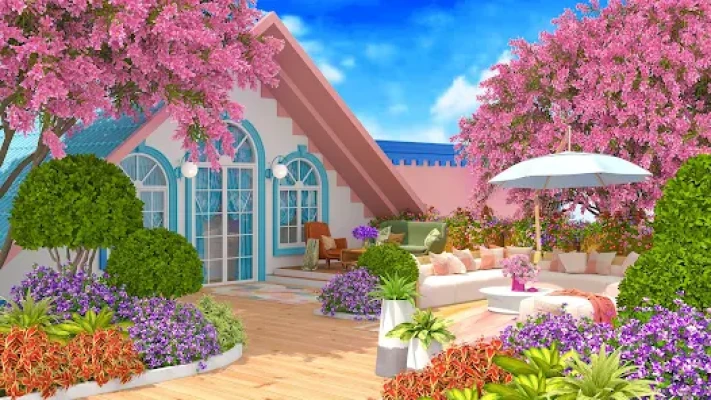
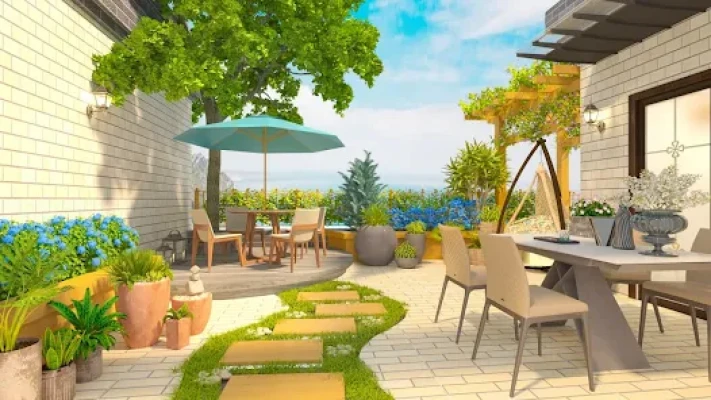
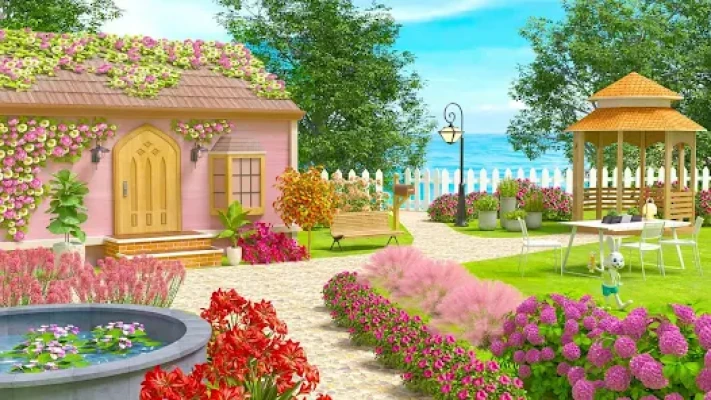
Garden Sweet Design combines bright puzzle boards with colorful outdoor environments. The contrast between neglected gardens and their restored versions gives each project a visible sense of progress.
Its atmosphere is light and cheerful, making it suitable for short gaming sessions. The combination of matching puzzles and garden decoration also provides two different kinds of satisfaction: solving a challenging board and seeing the environment improve as a result.
The game is best suited to players who enjoy casual puzzle-solving and decorative progression rather than fast-paced action or competitive multiplayer.
Difficulty and Replay Value
The opening levels help players learn the basic matching mechanics. As you advance, the puzzles may require more careful planning, better use of special pieces, and smarter booster management.
Replay value comes from working through additional levels, overcoming difficult boards, restoring more garden areas, and exploring the available decoration choices. Players who enjoy gradual progress can return regularly to complete another puzzle and move their garden projects forward.
Pros and Cons
Pros
Easy-to-learn match-3 controls.
A combination of puzzles and garden decoration.
Visible progress as outdoor spaces are restored.
Different garden areas and decorative possibilities.
Boosters that add variety to puzzle-solving.
Colorful graphics and a relaxed atmosphere.
Suitable for short, casual play sessions.
Offline play is supported for the main experience.
Cons
Difficult levels can require repeated attempts.
Limited moves may make some puzzles frustrating.
Progress depends on completing puzzle challenges.
Some players may prefer more freedom in choosing decorations.
Advertisements may interrupt the experience.
Optional in-app purchases are available.
Is Garden Sweet Design Worth Playing?
Garden Sweet Design is worth considering if you enjoy match-3 puzzles and the satisfaction of improving a garden one step at a time. It combines familiar matching mechanics with restoration goals, giving players a reason to keep progressing beyond individual puzzle levels.
Its main appeal is the balance between problem-solving and visual rewards. Puzzle fans can concentrate on finding efficient combinations, while decoration enthusiasts can look forward to unlocking more garden improvements.
Players seeking completely unrestricted landscape design may find the puzzle-based progression limiting. However, those who enjoy casual challenges and gradual makeovers will find a comfortable and colorful experience.
Frequently Asked Questions
What is Garden Sweet Design?
Garden Sweet Design is a casual puzzle game that combines match-3 levels with garden restoration and decoration. Players solve puzzles to progress through projects and unlock new outdoor design possibilities.
Who developed Garden Sweet Design?
The game is developed by BBOLD Global Limited.
Is Garden Sweet Design free to play?
The game is available as a free download and includes advertising and optional in-app purchases. Check the in-game store for current purchase options.
How do you unlock garden decorations?
Complete the available puzzle levels and progress through the garden restoration tasks. New decoration choices and areas become available as you advance.
How do you beat difficult match-3 levels?
Study the objective, prioritize important targets, look for larger combinations, and plan how falling pieces may create new matches. Save boosters for situations where they can have the greatest impact.
What are boosters used for?
Boosters help clear pieces or improve your chances of completing a difficult puzzle. Their exact effects depend on the specific booster, so check its in-game description before using it.
Can you play Garden Sweet Design offline?
The game supports offline play for its main puzzle experience, although certain connected features may require an internet connection.
Does Garden Sweet Design include in-app purchases?
Yes. Optional purchases are available, and the game also contains advertisements.
Is Garden Sweet Design suitable for beginners?
Yes. The basic match-3 controls are easy to learn. Later levels may require more careful planning and effective use of special pieces and boosters.
Is Garden Sweet Design mainly a puzzle game or a design game?
It combines both. The main gameplay revolves around solving match-3 puzzles, while puzzle progress helps unlock garden restoration and decoration activities.
Final Tips for New Players
Begin each puzzle by checking its objective and identifying the most difficult targets. Make deliberate swaps, look for useful cascades, and save boosters for moments when they can help you finish a level.
As you progress, use your puzzle rewards to advance your garden projects and explore the available decorations. A patient approach will help you complete more levels while enjoying the gradual transformation of your outdoor spaces.
Rate the Game
User Reviews













Popular Games



















 Android
 iOS
 Windows
 Xbox