




Latest Version
Visit PageMore About :game
With more than 150 challenging levels and eight unique modes, the game offers plenty of variety for players who enjoy solving puzzles at their own pace. Simple tap controls make it easy to start, while increasingly complicated arrangements encourage you to think several moves ahead. Whether you want a quick brain teaser or a longer puzzle session, Flexy Ring provides a satisfying way to test your problem-solving skills.
What Is Flexy Ring?
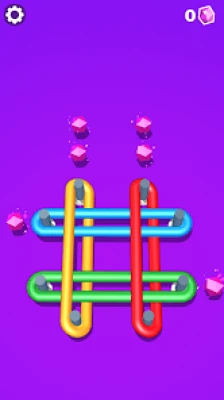
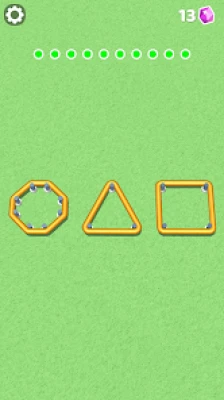
Flexy Ring is a mobile puzzle game developed by SayGames Ltd. Its central idea is simple: tap the pins holding rubber bands in place and release the bands until the puzzle is untangled. However, choosing the right pin at the right time becomes increasingly important as the arrangements grow more complicated.
Unlike traditional match-three games or action-based challenges, Flexy Ring focuses on spatial reasoning, logical planning, and understanding how different bands overlap. Removing one pin may free a band, change the arrangement, or affect the options available for the next move.
The game combines accessible controls with progressively harder puzzles. Players can experiment with different approaches, learn from mistakes, and restart a level when their chosen sequence does not work.
With over 150 levels and eight unique modes advertised in its store description, Flexy Ring offers a variety of challenges for fans of casual brain games. Its straightforward mechanics make it approachable for beginners, while the more demanding stages reward patience and careful observation.
Main Features of Flexy Ring
Rubber Band Untangling Puzzles
The main objective is to release rubber bands by tapping the pins that hold them. Each level has its own arrangement, so players must inspect the puzzle and determine which pins should be removed first.
More Than 150 Challenging Levels
Flexy Ring offers a substantial collection of levels, giving players opportunities to practice their skills and tackle increasingly complicated arrangements. The difficulty progression encourages you to develop better planning habits as you advance.
Eight Unique Game Modes
The game advertises eight different modes, adding variety to the core puzzle concept. Each mode can provide a different way to approach the challenge, helping keep the experience fresh beyond the basic untangling mechanic.
Simple Tap Controls
The controls are easy to understand. Tap a pin to release the rubber bands connected to it and observe how the puzzle changes. The challenge comes from choosing the correct sequence rather than mastering complicated controls.
Logic and Spatial Reasoning
Successful play requires players to recognize overlapping bands, understand their connections, and anticipate what might happen after a pin is removed. These mechanics encourage thoughtful decisions instead of random tapping.
Freedom to Retry
Making a mistake is part of learning a puzzle. When a chosen sequence does not work, restarting the level allows you to try another approach and discover a better solution.
Relaxed Single-Player Experience
Flexy Ring is designed for solo play and can be enjoyed in short sessions. Its uncomplicated controls and self-contained levels make it suitable for quick breaks as well as longer puzzle-solving sessions.
How to Play Flexy Ring
Study the Puzzle
At the start of a level, look at the complete arrangement of pins and rubber bands. Identify which bands overlap and where each band appears to be attached.
Do not rush to tap the first pin you notice. A short inspection can reveal which parts of the arrangement are relatively simple and which areas may require more planning.
Tap the Pins
Select a pin to release the rubber bands attached to it. Watch the resulting movement and check how the remaining arrangement changes.
The goal is to release the bands and untangle the puzzle. Because the order of removal matters, each tap should have a clear purpose.
Look for Dependencies
Some pins may be easier to remove after other bands have been released. If several bands overlap around the same area, consider whether one pin is obstructing another part of the puzzle.
Think about the relationships between the bands rather than treating each pin as an isolated choice.
Complete the Level
Continue selecting pins and reassessing the arrangement until the puzzle is solved. If your chosen sequence leads to an unsuccessful outcome, restart and try a different order.
Each attempt can help you understand the structure of the puzzle and identify a more effective solution.
Beginner's Guide to Flexy Ring
Start With the Simplest Connections
When learning the game, look for pins that appear to hold fewer bands or affect a less complicated part of the arrangement. These can be useful starting points when they do not interfere with other important connections.
The easiest-looking move is not always the correct one, but examining simple connections helps you learn how the puzzle behaves.
Observe Before Every Tap
After removing a pin, pause and inspect the new arrangement. A successful move can reveal information that was difficult to see earlier.
Avoid tapping several pins quickly without checking the results. A deliberate approach makes it easier to understand why a particular sequence succeeds or fails.
Focus on Overlapping Bands
Overlapping rubber bands are often the most confusing part of a level. Look carefully at which band appears to cross another and which pins hold each band in place.
Understanding these relationships can help you avoid choosing a pin that leaves the remaining arrangement difficult to resolve.
Experiment With Different Orders
If you are unsure which pin to remove first, consider a different sequence. Puzzle-solving often involves testing a reasonable idea, observing the result, and adjusting your next move.
Treat unsuccessful attempts as useful information rather than a reason to give up.
Use Restarts to Learn
Flexy Ring allows you to restart a puzzle and try another approach. Use this option when you realize that your current sequence is not working.
Before restarting, identify the move that created the problem. This helps you avoid repeating the same mistake and makes each attempt more productive.
Be Patient With Harder Levels
Later levels can require more thought than the opening puzzles. Take your time, examine the full arrangement, and consider how each move affects the remaining bands.
There is no advantage in rushing through a puzzle if a few moments of planning can help you find a cleaner solution.
Full Strategy Guide for Flexy Ring
Analyze the Whole Arrangement First
Before making the first move, inspect the entire puzzle rather than focusing only on the most visible pin. Look for clusters of overlapping bands, pins connected to several bands, and areas that appear easier to untangle.
This initial overview gives you a better understanding of the problem and helps you avoid choices that make later moves more complicated.
Identify Which Bands Are Connected to Each Pin
A pin may be associated with one or more rubber bands. Carefully observe the connections and consider what will happen if that pin is removed.
Understanding which bands depend on each pin is central to planning an effective sequence. If a pin appears to affect several parts of the arrangement, examine its role before tapping it.
Prioritize Moves That Simplify the Puzzle
A useful move should make the remaining arrangement easier to understand or reduce the number of complications. Look for opportunities to release bands that are clearly in the way of other connections.
Do not choose a pin simply because it is easy to see. Consider whether removing it actually improves your position.
Pay Attention to Crossings and Overlaps
When bands cross one another, it can be difficult to judge which connection should be released first. Study the visible paths of the bands and determine which pins hold the overlapping sections in place.
Try to distinguish between bands that only appear close together and bands that genuinely share a relevant connection. Clear visual reasoning can prevent unnecessary trial and error.
Think One or Two Moves Ahead
Before tapping a pin, consider what the puzzle might look like afterward. Ask yourself which bands will remain, whether another pin will become easier to access, and whether the move will create a more manageable arrangement.
You do not need to predict every step perfectly. Even a small amount of forward planning can help you avoid sequences that lead to confusion.
Avoid Random Pin Removal
Random tapping may occasionally produce progress, but it does not help you understand the puzzle's structure. It can also make it harder to identify which action caused a particular result.
Instead, make one deliberate move at a time. Observe the outcome, update your understanding of the arrangement, and choose the next pin based on what you learned.
Use Failed Attempts as Clues
When a sequence does not work, review the moves that led to the problem. Consider whether you removed a pin too early, overlooked an overlapping band, or failed to account for a connection elsewhere in the puzzle.
Use that information to build a better plan for your next attempt. A failed sequence can still be useful if it reveals how the bands are connected.
Develop a Consistent Solving Routine
A reliable routine can make complicated puzzles easier to manage:
Inspect the entire arrangement before acting.
Identify the pins and bands that appear to be most important.
Choose a move that is likely to simplify the puzzle.
Observe how the arrangement changes.
Reassess the remaining connections before making another move.
Restart when necessary and use what you learned.
Following this process helps you approach each level methodically instead of relying on guesswork.
Advanced Tips for Difficult Levels
Break the Puzzle Into Smaller Sections
When a level contains many overlapping bands, divide the arrangement mentally into smaller areas. Focus on understanding the connections in one section while keeping track of how it relates to the rest of the puzzle.
This makes a complicated layout feel more manageable and helps you identify possible starting points.
Look for High-Impact Pins
Some pins may hold several bands or influence multiple areas of the arrangement. These pins deserve special attention because removing them could simplify the puzzle significantly—or make the remaining connections harder to manage.
Evaluate their role before choosing whether to remove them early or leave them until later.
Reassess After Every Important Move
A planned sequence should remain flexible. Once a pin is removed, the arrangement may become easier to read or reveal a connection you did not notice before.
Do not continue following an old plan if the new layout suggests a better option. Adapt to the information available after each move.
Change One Part of Your Strategy at a Time
If a solution fails, avoid changing every decision without understanding what went wrong. Try adjusting the order of a few key pins and observe whether the result improves.
Changing one part of your approach makes it easier to learn from each attempt and recognize which decisions matter most.
Slow Down When the Layout Becomes Dense
Dense arrangements can make it difficult to distinguish individual bands. Take extra time to follow each visible path from its pin to the rest of the puzzle.
Careful observation is especially valuable when several bands cross in a small space.
Treat Each Mode as a New Challenge
Flexy Ring includes eight unique modes according to its store description. When moving into a different mode, take time to understand its particular rules and objectives instead of assuming that your previous approach will always apply.
Build your strategy around the puzzle presented on screen.
Common Mistakes to Avoid
Tapping Pins Too Quickly
Fast, unplanned tapping makes it harder to track the arrangement and understand the consequences of each move. Pause between actions and inspect the puzzle before continuing.
Ignoring Band Connections
A pin can affect more than one band. If you focus only on the most visible connection, you may overlook how the move changes the rest of the arrangement.
Focusing on One Area Only
A section that looks tangled may not be the best place to begin. Inspect the whole puzzle before deciding which part to solve first.
Repeating an Unsuccessful Sequence
Restarting is useful, but repeating the same moves without changing your reasoning is unlikely to help. Identify what went wrong and adjust the order of your actions.
Assuming Every Level Uses the Same Approach
Different arrangements and game modes can require different solutions. Adapt your strategy to the layout instead of relying on one fixed sequence for every puzzle.
Giving Up Too Soon
A complicated level may become much easier once you understand the relationship between its pins and bands. Take a break, examine the puzzle from a fresh perspective, and try a different sequence when necessary.
How to Improve Your Puzzle-Solving Skills
Practice Visual Tracking
Follow each rubber band with your eyes and identify where it begins, where it crosses other bands, and which pin holds it in place. Practicing this habit makes complex arrangements easier to interpret.
Strengthen Logical Planning
Before every move, ask what it will accomplish. If you cannot identify a likely benefit, take another look at the board and compare your options.
The goal is not to overthink every tap but to make decisions that have a clear purpose.
Learn From Patterns
As you complete more levels, you may notice recurring types of arrangements or connections. Use these observations to recognize familiar problems while remembering that each level can still require a different sequence.
Balance Speed With Accuracy
There is little benefit in solving a puzzle quickly if you repeatedly make mistakes. Focus on accuracy first. As you become more familiar with the mechanics, your decisions may naturally become faster.
Take Breaks When Necessary
If you find yourself overlooking obvious connections, step away for a moment. Returning to the same puzzle with a fresh perspective can help you notice details that were difficult to see before.
Is Flexy Ring Free to Play?
Flexy Ring is listed on Google Play as a free-to-download game that contains advertisements and in-app purchases. Optional purchases may be available for players who want additional items or benefits.
You can decide whether these options are worthwhile for your play style. Check the current in-game offer details before purchasing anything, and remember that careful puzzle-solving and experimentation are important parts of the experience.
Can You Play Flexy Ring Offline?
Flexy Ring is listed as an offline-capable game on Google Play. This makes it a potential choice for puzzle sessions when you do not have a reliable internet connection.
Some features, advertisements, or purchase-related services may still require connectivity. If offline play is important to you, check which functions remain available on your device without an internet connection.
Who Should Play Flexy Ring?
Flexy Ring is well suited to players who enjoy logic puzzles, visual challenges, and games that reward careful planning. Its simple controls make it accessible to beginners, while the increasingly difficult arrangements provide a challenge for experienced puzzle fans.
It can also appeal to people who prefer short, self-contained levels rather than long campaigns or competitive multiplayer matches. Players who enjoy experimenting with solutions and learning from mistakes may find the game particularly satisfying.
Those looking for fast-paced action, complex character progression, or a story-driven adventure may prefer a different type of mobile game.
What Makes Flexy Ring Different?
Flexy Ring builds its challenge around a familiar object: the rubber band. By turning tangled bands and connected pins into logic puzzles, the game creates an experience that is easy to understand but can require careful reasoning to master.
The satisfaction comes from finding the correct sequence and watching the tangled arrangement become simpler. Its variety of levels and modes provides more than one way to test your observation and planning skills.
Rather than depending on complicated controls, the game puts the emphasis on how you interpret the puzzle and decide what to do next.
Frequently Asked Questions
What is Flexy Ring?
Flexy Ring is a casual logic puzzle game by SayGames Ltd. Players tap pins to release rubber bands and untangle each arrangement.
How do you play Flexy Ring?
Study the puzzle, identify the pins holding the rubber bands, and tap them in a useful order. Continue observing the arrangement and removing pins until the level is solved.
How many levels does Flexy Ring have?
The game's Google Play description advertises more than 150 challenging levels and eight unique modes. The available content may vary with game updates.
Is Flexy Ring difficult?
The basic controls are simple, but the puzzles become more challenging as you progress. Later arrangements require more careful observation, spatial reasoning, and planning.
Can you restart a level in Flexy Ring?
Yes. Restarting lets you try a different approach when your current sequence does not work. Use each attempt to learn more about the arrangement rather than repeating the same moves automatically.
What is the best strategy for solving difficult puzzles?
Inspect the whole arrangement, understand which pins hold which bands, and choose moves that simplify the remaining connections. Think ahead, reassess the board after each action, and experiment with a different sequence if necessary.
Does Flexy Ring have different game modes?
Yes. The official store description advertises eight unique modes, offering variety beyond the core rubber-band untangling puzzles.
Is Flexy Ring suitable for casual players?
Yes. Its tap-based controls and individual levels make it easy to play in short sessions. Players can take their time and progress at a comfortable pace.
Does Flexy Ring require an internet connection?
The game is listed as supporting offline play. However, certain services or features may still require an internet connection.
Is Flexy Ring free?
Flexy Ring is free to download on Google Play, with advertisements and optional in-app purchases.
Final Verdict
Flexy Ring is an approachable but increasingly challenging puzzle game built around untangling rubber bands by removing pins in the right order. Its straightforward controls make it easy to begin, while the more complicated arrangements reward careful observation and logical planning.
For the best experience, study each puzzle before acting, pay attention to overlapping bands, consider how every move affects the remaining arrangement, and learn from unsuccessful attempts. With more than 150 advertised levels and eight game modes, Flexy Ring offers plenty of opportunities to practice your reasoning skills and enjoy the satisfaction of solving a tangled puzzle.
Rate the Game
User Reviews











Popular Games



















 Android
 iOS
 Windows
 Xbox