
Latest Version
October 19, 2026
SayGames Ltd
Puzzle
0
com.playstrom.drawonepart
Report a Problem
More About :game
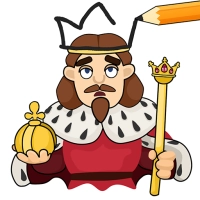
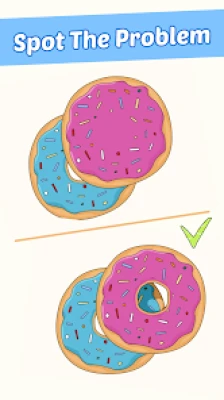
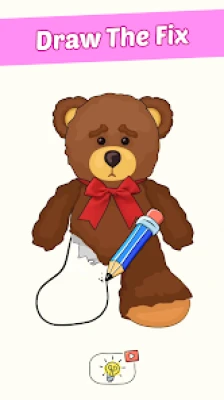
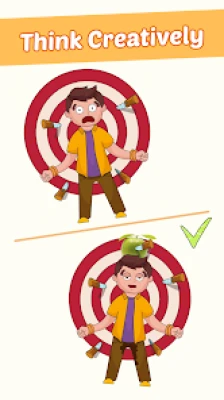
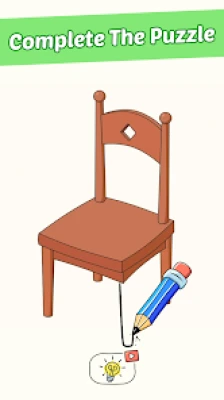
Each level presents an incomplete illustration. Your task is to study the picture, identify what is missing, and draw the part that makes the image complete. The game recognizes the idea behind your drawing, so artistic perfection is not necessary. With colorful graphics, humorous solutions, hundreds of missing details, and optional hints, DOP: Draw One Part offers a relaxing puzzle experience for casual players and fans of brain-training games.
What Is DOP: Draw One Part?
DOP: Draw One Part is a single-player drawing puzzle game built around one simple question: what is missing from the picture?
Rather than asking you to draw an entire scene, each level gives you most of the illustration and leaves one important detail unfinished. You must use visual clues and logical thinking to determine what belongs in the empty space.
The missing element might be a small part of an object, a feature of a character, or a detail that changes the meaning of the whole picture. Some answers are obvious once you notice the clue, while others require you to think beyond the most literal interpretation.
The main challenge is not artistic skill. It is understanding the scene, recognizing the intended solution, and drawing a shape that communicates the missing element.
Main Features of DOP: Draw One Part
Creative Drawing Puzzles
Every puzzle asks you to identify an incomplete part of an illustration. You then draw the missing element to finish the image and move forward.
Hundreds of Missing Details
The game advertises more than 200 missing parts across a variety of situations. Different illustrations and unexpected solutions keep the experience varied.
Simple Touch Controls
You draw directly on the screen using your finger. There is no need to master complicated controls or create detailed artwork.
Intelligent Drawing Recognition
The game is designed to recognize the intended idea even when your drawing is not perfectly shaped. This allows players with different levels of artistic ability to enjoy the puzzles.
Funny and Surprising Solutions
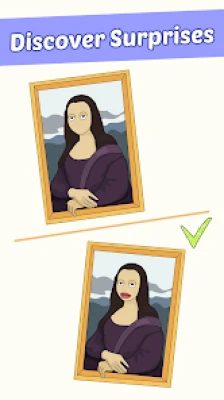
Some answers change the picture in unexpected ways. Discovering the missing detail can be amusing as well as satisfying.
Helpful Hints
If you cannot identify the missing part, the game offers a hint option to help you progress. Use hints when you are genuinely stuck rather than relying on them for every puzzle.
Colorful Graphics and Relaxing Music
Clear illustrations and cheerful presentation make the game easy to approach. Its casual style is suitable for short sessions and relaxed puzzle-solving.
No Penalty for Experimenting
The game encourages players to try different ideas when their first answer is incorrect. This makes experimentation an important part of the experience.
How to Play DOP: Draw One Part
Getting started is straightforward, but solving the more difficult puzzles requires careful observation.
Step 1: Examine the Entire Picture
Look at the illustration before drawing anything. Consider what the characters are doing, which objects appear incomplete, and whether any details seem unusual.
Step 2: Identify the Missing Element
Ask yourself what would make the picture logically complete. Look for an empty space, a missing object part, or a feature that should naturally be present.
Step 3: Think About the Meaning of the Scene
Do not focus only on the shape of the picture. Consider what is happening in the scene and how the missing detail relates to the action.
Step 4: Draw a Simple Shape
Use your finger to sketch the missing part. Start with the simplest recognizable line or shape instead of trying to produce a detailed illustration.
Step 5: Check the Result
If the game accepts your drawing, the puzzle is complete. If it does not, reconsider the missing detail and try a different approach.
Step 6: Use a Hint When Necessary
If several reasonable ideas fail, use the available hint feature. Pay attention to the clue and think about how it relates to the image.
Step 7: Learn From Each Puzzle
Once you solve a level, remember the type of reasoning that helped you. The same observation skills may prove useful in later puzzles.
Best Tips and Tricks for DOP: Draw One Part
1. Look for What Is Obviously Incomplete
Start by checking the most noticeable gaps in the illustration. An object may be missing a handle, a character may need a facial feature, or a familiar item may be missing a recognizable component.
Do not assume the answer is complicated. Many puzzles become easy once you identify the part that looks unfinished.
2. Study the Whole Scene, Not Just the Blank Space
A missing element may make sense only when you understand the context. For example, the correct detail could depend on what a character is holding, wearing, or doing.
Examine every part of the illustration before deciding what to draw. The surrounding objects often provide the strongest clues.
3. Use Common Sense and Real-World Knowledge
Think about how everyday objects normally look and function. A bicycle, an umbrella, a chair, or a human face has recognizable features that can help you identify what is absent.
When an illustration seems strange, ask what detail would make it more complete or logical.
4. Think Beyond the Obvious Answer
Some puzzles rely on unexpected interpretations. If the first idea does not work, consider whether the scene contains a joke, a visual trick, or a clue that changes the meaning of the picture.
Try to understand the intended situation rather than simply filling every empty space.
5. Draw Simply and Clearly
You do not need advanced drawing skills to solve DOP: Draw One Part. A basic line, curve, circle, or recognizable outline is often enough.
Avoid spending time making your drawing beautiful. Focus on representing the missing element as clearly as possible.
6. Check Whether the Missing Part Has a Function
Objects are often defined by what they do. A missing component might allow an object to work properly or help explain the character's action.
Think about the purpose of the object. This can narrow the possible answers and make the correct solution easier to recognize.
7. Look for Clues in Characters and Expressions
Faces, body positions, and interactions between characters can reveal what is missing. A character may be reacting to something that is not yet drawn, or an expression may suggest a missing facial feature.
Pay attention to the relationship between the characters and their surroundings.
8. Change Your Interpretation After an Incorrect Answer
If your drawing is rejected, avoid repeating the same idea with minor cosmetic changes. Instead, reconsider what the illustration is trying to communicate.
A different interpretation of the scene may lead to a much more convincing solution.
9. Use Hints Strategically
Hints are useful when you have exhausted the obvious possibilities. Before using one, make at least a couple of thoughtful attempts.
When you receive a clue, connect it to the picture rather than immediately drawing something unrelated. Understanding the clue helps you solve the level and learn the game's logic.
10. Be Patient With Tricky Pictures
Some illustrations are designed to make you overlook a small but important detail. Take a short break from the screen if you become stuck, then return with fresh eyes.
A new perspective can reveal something you missed during your first examination.
Advanced Strategy Guide
Use a Three-Step Observation Method
For challenging levels, separate your thinking into three stages.
First: Observe. Identify incomplete objects, unusual gaps, and visual inconsistencies.
Second: Interpret. Work out what the scene represents and what the missing part should accomplish.
Third: Draw. Add a simple shape that clearly represents your answer.
This process helps prevent random guessing and encourages a more systematic approach.
Identify the Most Important Clue
When a picture contains several objects, not every detail is equally useful. Focus on the element most closely connected to the incomplete part.
For example, if a character is interacting with an object, consider whether that object is missing a component necessary for the action. If a scene looks unusual, look for the detail that would make it understandable.
Consider Multiple Possibilities
If the answer is not obvious, generate two or three possible explanations before drawing. Compare each one with the available clues.
Ask which answer makes the most sense in the context of the illustration. This is usually more effective than drawing unrelated shapes until one is accepted.
Avoid Overcomplicating Your Drawing
A complex drawing may be harder to recognize than a simple one. If the missing object can be represented by a clear line or basic outline, start there.
The objective is to communicate the intended detail, not to reproduce a professional illustration.
Learn From Repeated Puzzle Patterns
As you progress, you may notice recurring types of missing elements, such as object components, facial details, or small additions that complete a scene.
Use these patterns as clues, but do not assume every level follows the same formula. Context remains important because similar-looking pictures can require different answers.
Know When to Use a Hint
If you have studied the image, considered several interpretations, and tried a clear drawing without success, a hint may save time.
Use hints to move past a stubborn puzzle, but continue solving easier levels independently. This helps you develop stronger observation and reasoning skills.
How to Solve Difficult Levels
Difficult puzzles often appear confusing because the missing element is not immediately obvious. The best solution is to slow down and examine the illustration carefully.
Start by asking these questions:
Which part of the picture looks unfinished?
Is a familiar object missing a normal component?
Does the character's action suggest a missing item?
Could the answer involve a visual joke or an unexpected interpretation?
Can the missing detail be drawn with a simple line or shape?
If your first answer fails, reconsider the meaning of the picture rather than immediately changing your drawing technique. The problem is often the idea behind the drawing, not the quality of the line.
When you remain stuck, use the hint feature and connect its clue to the scene. Over time, this approach will help you recognize the patterns behind many of the game's puzzles.
Common Mistakes to Avoid
Drawing Before Understanding the Picture
Starting immediately can cause you to miss an important clue. Examine the full scene before making your first attempt.
Assuming Artistic Skill Is Required
The game is about recognizing missing details, not producing polished artwork. Simple, clear drawings are often sufficient.
Ignoring the Context
The correct answer may depend on the story or action shown in the illustration. Consider the entire scene rather than focusing only on the blank area.
Repeating an Incorrect Idea
If the game rejects your drawing, rethink the answer instead of making the same shape slightly different.
Making the Drawing Too Complicated
Extra lines and unnecessary details may not help. Draw only what is needed to represent the missing part.
Using Hints Too Quickly
Try to solve the puzzle independently first. Hints are most useful when you have genuinely run out of ideas.
Overthinking Easy Puzzles
Not every level hides a complicated trick. Sometimes the missing element is exactly what the illustration appears to need.
Is DOP: Draw One Part Free to Play?
DOP: Draw One Part is free to download and contains advertisements and optional in-app purchases. The core gameplay focuses on solving drawing puzzles, while additional purchases or features may vary depending on the version.
Players should review the current in-game options and store listing for the latest details about purchases and advertisements.
Can You Play DOP: Draw One Part Offline?
The game is listed as supporting offline play, making it suitable for puzzle sessions when an internet connection is unavailable. Some features, advertisements, or reward options may still require connectivity, so the experience can vary depending on the feature and version.
Who Should Play DOP: Draw One Part?
DOP: Draw One Part is a good choice for players who enjoy:
Drawing and visual puzzle games.
Brain teasers that reward observation.
Simple controls and short levels.
Funny illustrations and unexpected answers.
Logic challenges that do not require advanced artistic ability.
Casual games that can be enjoyed at a relaxed pace.
It can also appeal to families looking for a simple puzzle experience. However, individual puzzles may vary in difficulty, and younger players may sometimes need help understanding the intended solution.
Frequently Asked Questions
What is DOP: Draw One Part?
DOP: Draw One Part is a casual puzzle game in which you complete illustrations by identifying and drawing their missing elements.
Who developed DOP: Draw One Part?
The game is developed and published by SayGames Ltd.
How do you complete a level?
Examine the picture, identify the missing detail, and draw it directly on the screen. If your answer matches the intended solution, the level is completed.
Do you need drawing skills to play?
No advanced drawing skills are required. The game is designed to recognize the intended idea even when the drawing is not artistically perfect.
What should you do if your drawing is rejected?
Reconsider the picture and look for another interpretation. Try a simple, recognizable shape that represents the missing element more clearly.
Does DOP: Draw One Part have hints?
Yes. A hint feature is available for players who need help with difficult puzzles. It can be useful when careful observation and several attempts have not revealed the answer.
Is DOP: Draw One Part suitable for children?
The game has an Everyone content rating on Google Play and uses colorful illustrations and simple controls. Parents can still review the current store information and consider whether the puzzles are suitable for their child.
Can you play DOP: Draw One Part without the internet?
The game is listed as supporting offline play. Certain features may behave differently without a connection.
Is DOP: Draw One Part free?
The game is free to download and includes advertisements and optional in-app purchases.
What is the best strategy for solving hard puzzles?
Study the entire picture, identify the most relevant clue, consider what the scene is trying to communicate, and draw the missing element using a simple shape. Use a hint if you have tried several reasonable solutions.
Final Verdict
DOP: Draw One Part is an enjoyable drawing puzzle game that combines logic, creativity, and visual observation in a simple format. Each level challenges you to identify what is missing from an illustration and complete it with a quick drawing. Its colorful presentation, humorous solutions, and accessible controls make it suitable for casual players who enjoy brain teasers.
The most effective strategy is to understand the picture before drawing, use context to identify the missing element, and keep your sketches simple. When a puzzle becomes difficult, change your interpretation rather than repeating the same attempt, and use hints when necessary.
For anyone looking for a relaxing mobile puzzle game that rewards creative thinking rather than artistic perfection, DOP: Draw One Part offers a fun and approachable challenge.
Rate the Game
User Reviews




Popular Games



















 Android
 iOS
 Windows
 Xbox