


Latest Version
October 25, 2024
SayGames Ltd
Puzzle
0
com.playstrom.dop4
Report a Problem
More About :game
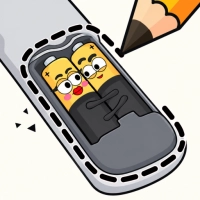
DOP 4: Draw One Part is a casual puzzle game developed by SayGames Ltd. Unlike drawing games that require players to create detailed pictures from scratch, DOP 4 focuses on completing illustrations by adding one essential missing element.
Every puzzle presents a visual problem. A character might be missing an arm, an object may need a handle, or a familiar scene might be incomplete without a small but important detail. Your job is to recognize what belongs in the picture and draw a simple outline that represents it.
The game combines visual observation, logical reasoning, and basic drawing skills. You do not need to be a professional artist because the game helps complete and color the object after recognizing your sketch.
DOP 4 is designed for short or extended gaming sessions. Its straightforward controls make it easy to start, while increasingly challenging puzzles encourage players to think carefully about shapes, objects, and the relationships between different parts of an illustration.
DOP 4: Draw One Part Game Features
1. Creative Drawing Puzzles
Every level challenges you to identify and draw a missing part of an illustration. The answer may be obvious, or it may require you to study the picture carefully before deciding what to add.
2. Simple Touch Controls
Use your finger to draw directly on the screen. The controls are designed to make sketching accessible, so you can focus on finding the correct solution instead of learning complicated drawing tools.
3. Automatic Drawing Completion
You only need to outline the missing element. When the game recognizes your drawing, it fills in the remaining details and completes the illustration.
4. Increasing Puzzle Difficulty
The challenges gradually encourage more careful observation and creative thinking. Early puzzles introduce the basic mechanics, while later ones may require you to interpret the entire scene before drawing.
5. Helpful Hint System
When a puzzle becomes difficult, the available hint system can point you toward the missing object or the part of the image that needs attention.
6. Colorful Cartoon Artwork
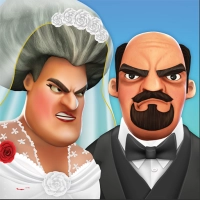
The game features playful illustrations, expressive characters, and humorous situations. These visual details make the puzzles approachable and entertaining.
7. Relaxing Music and Casual Gameplay
DOP 4 combines short challenges with a relaxed atmosphere. You can complete a single drawing during a break or play through several puzzles in one session.
8. Automatic Progress Saving
Your progress is saved after each completed drawing, making it convenient to stop playing and return later.
9. No Advanced Art Skills Required
The game focuses on recognizing shapes and understanding what is missing. Simple outlines are usually sufficient when they clearly represent the intended object.
How to Play DOP 4: Draw One Part
Follow these steps to solve the puzzles efficiently.
Step 1: Examine the illustration. Look at the entire picture, including the characters, objects, and background.
Step 2: Read the level objective. If instructions are provided, use them to understand what the completed picture should represent.
Step 3: Identify the missing element. Look for incomplete outlines, unusual gaps, missing accessories, or objects that appear unfinished.
Step 4: Imagine the completed picture. Before drawing, consider which shape would make the illustration look correct.
Step 5: Draw the missing part. Touch the screen and sketch a simple outline that resembles the object or body part you identified.
Step 6: Wait for recognition. The game evaluates your drawing and completes the element when it recognizes the intended solution.
Step 7: Review the result. If your drawing is not accepted, examine the missing shape again and try a clearer or more appropriate outline.
Step 8: Continue to the next level. Once the picture is complete, move forward and apply the same reasoning skills to the next challenge.
The key to success is understanding what the picture needs rather than attempting to draw every detail perfectly.
Complete DOP 4 Strategy Guide
1. Study the Picture Before Drawing
The most common mistake is drawing immediately without understanding the scene. Spend a few seconds examining the illustration and identifying anything that looks incomplete.
Look at the character's posture, the objects nearby, and the overall composition. A small gap may represent a missing limb, while an unfinished object may need a simple geometric shape to become recognizable.
Careful observation often saves more time than repeated drawing attempts.
2. Focus on the Missing Element
DOP 4 generally asks you to add one important part rather than redesign the entire picture.
If a character is holding an object with an incomplete handle, focus on the handle. If an animal is missing a tail, draw the tail rather than adding unrelated features.
The more closely your sketch matches the actual gap, the easier it is to communicate your intended solution.
3. Use Simple Shapes
You do not need to draw realistic artwork. Start by breaking the missing element into basic shapes.
Circles can represent heads, wheels, eyes, or round objects.
Straight lines can form handles, tools, or simple limbs.
Curved lines can represent tails, smiles, arms, or other rounded features.
Triangles can help represent ears, pointed objects, or simple decorative elements.
Rectangles can complete doors, boxes, screens, or other objects with straight edges.
Choose the shape that best communicates the object you want to add.
4. Match the Position and Direction
Correctly identifying an object is only part of the challenge. You must also draw it in the right location.
Look at where the missing part would naturally connect to the existing illustration. A missing arm should begin near the shoulder, while a missing tail should connect to the appropriate part of the animal.
Pay attention to the direction of the surrounding lines and the proportions of nearby objects.
5. Draw Clear Outlines
Messy or overly complicated sketches can make it harder for the game to recognize your intended answer.
Use smooth, deliberate strokes and avoid unnecessary details. A recognizable outline is generally more useful than an elaborate drawing that does not match the missing shape.
If the first attempt fails, simplify the sketch and concentrate on the object's most distinctive features.
6. Think About the Whole Scene
Some puzzles become easier when you consider the illustration as a complete situation rather than focusing on a single gap.
Ask yourself what the character is doing, which objects belong together, and what would make the scene logically complete.
For example, a person holding an object might need a missing handle, while an incomplete vehicle may require a wheel. These are general examples of the reasoning involved, not guaranteed solutions to specific numbered levels.
7. Use Context to Identify Objects
When several shapes seem possible, consider how the missing part relates to the surrounding objects.
A curved shape near an animal might suggest a tail. A circular gap beneath a vehicle might indicate a wheel. A missing shape beside a face could represent an ear or another facial feature.
Context helps narrow the possibilities and prevents unnecessary experimentation.
8. Use Hints Strategically
If you have examined the picture carefully and still cannot identify the answer, use the in-game hint feature when available.
A hint can direct your attention toward the relevant part of the illustration. Once you understand why the object belongs there, remember the reasoning so you can apply it to similar puzzles later.
Avoid using hints immediately on straightforward levels. Solving easier challenges independently helps you develop a better sense of the game's visual logic.
9. Learn from Incorrect Attempts
An unsuccessful drawing can reveal that your interpretation, placement, or outline was incorrect.
Instead of repeating exactly the same sketch, change one aspect at a time. Try a more recognizable shape, adjust the connection point, or reconsider whether the object you identified actually fits the scene.
Systematic adjustments make it easier to understand what the puzzle requires.
10. Build a Personal Problem-Solving Routine
Develop a consistent process for every level:
Observe the complete picture.
Identify what looks incomplete.
Connect the missing part to the scene's purpose.
Imagine its shape and position.
Draw a simple outline.
Adjust your approach if the answer is not recognized.
Using this routine helps you solve puzzles more confidently and reduces unnecessary attempts.
DOP 4 Drawing Tips for Difficult Levels
Identify the Object Before Sketching
Do not begin by drawing random lines. First decide what the missing element represents. Once you have a clear answer, the drawing becomes much easier.
Check for Missing Body Parts
Characters and animals may have incomplete arms, legs, ears, tails, or other features. Compare both sides of the body where appropriate, but remember that the illustration may intentionally show an asymmetrical pose.
Inspect Objects with Incomplete Shapes
Tools, furniture, vehicles, and household objects often contain recognizable outlines. Look for gaps that prevent the item from looking finished.
Consider What the Character Is Doing
The character's activity can provide clues about the missing part. An object being carried, worn, used, or held may need a specific feature to make the action possible.
Avoid Overcomplicating the Drawing
A simple outline is often enough. Extra strokes can distract from the essential shape and make your intention less clear.
Reconsider Your First Interpretation
If a plausible drawing is repeatedly rejected, the problem may be your understanding of the scene rather than your drawing technique. Look again for a different missing element.
Common DOP 4 Puzzle Types and Solutions
Missing Body Parts
These puzzles involve characters or animals with incomplete bodies. Identify the absent feature and draw a recognizable shape that connects naturally to the existing figure.
Incomplete Objects
Everyday objects may be missing a handle, wheel, support, lid, or other essential component. Examine the object's outline and determine which part would make it complete.
Missing Accessories
Some illustrations feature characters who need an accessory to complete their appearance or the activity shown. Look at the character's clothing and the context of the scene.
Visual Logic Challenges
These levels require more than identifying a gap. You must understand what is happening in the picture and determine which addition makes the situation logically consistent.
Shape Recognition Puzzles
Some challenges rely on recognizing basic geometric forms. Compare the empty space with nearby lines and shapes to determine the most suitable outline.
Tricky Cartoon Illustrations
Humorous scenes can encourage misleading first impressions. Study every relevant detail and consider more than one interpretation before choosing what to draw.
Beginner Mistakes to Avoid
Drawing too quickly: Rushing can lead to an incorrect interpretation. Examine the picture before making your first stroke.
Adding unnecessary details: The objective is to complete the missing part, not create a new illustration.
Ignoring the background: Objects around the main character can provide valuable clues about what belongs in the picture.
Drawing in the wrong location: Even a recognizable shape may not fit if it is disconnected from the object it should complete.
Repeating the same failed sketch: If the game rejects your drawing, change the shape or reconsider the intended answer.
Ignoring hints when genuinely stuck: The hint system exists to help when observation and experimentation are not enough.
Assuming every puzzle works identically: Although many challenges involve missing objects or body parts, each scene should be interpreted according to its own clues.
Is DOP 4: Draw One Part Difficult?
DOP 4 starts with approachable puzzles that introduce the drawing mechanic and basic visual reasoning. As you advance, the game encourages more careful observation and creative interpretations.
The difficulty does not depend on advanced artistic ability. Instead, success comes from recognizing incomplete objects, understanding the scene, and drawing a suitable outline.
Players who enjoy brain teasers, casual drawing games, and visual challenges can find the experience rewarding. The hint system also provides assistance when a puzzle becomes confusing.
Can You Play DOP 4 Offline?
DOP 4 is listed as supporting offline play. However, advertisements and certain online-dependent features may require an internet connection, and offline behavior can vary by version or device.
If you want to play without internet access, install the game and test it before travelling.
Is DOP 4 Free to Play?
DOP 4 is free to download and includes advertisements and optional in-app purchases. Players can begin solving drawing puzzles without purchasing the game, although advertisements may interrupt gameplay.
The availability of optional purchases and advertising experiences may vary depending on the platform and version.
Is DOP 4 Suitable for Children?
The game is listed with an Everyone content rating on Google Play. Its simple controls, colorful illustrations, and straightforward puzzle mechanics make it accessible to a broad audience.
Parents should still review the game's advertising, in-app purchase options, and privacy information to decide whether it is suitable for their children.
Frequently Asked Questions
What is DOP 4: Draw One Part?
DOP 4 is a casual drawing puzzle game in which players complete unfinished illustrations by drawing the missing elements with their fingers.
How do you play DOP 4?
Study the illustration, identify the missing part, and draw its outline on the screen. If the game recognizes your drawing, it completes the picture and lets you progress.
Do you need to be good at drawing?
No. Basic shapes and clear outlines are usually enough. The main challenge is identifying what belongs in the picture rather than creating detailed artwork.
What should I do if my drawing is not accepted?
Check whether you selected the correct missing element. Then simplify your outline, adjust its position, or try a different interpretation of the scene.
Does DOP 4 have hints?
Yes. The game includes a hint system to help players who become stuck on difficult drawing puzzles.
Does DOP 4 have many levels?
The game offers a large collection of drawing challenges. Its content can change through updates, so the exact number of available levels may vary.
Can I save my progress?
The game listing states that progress is saved after each completed drawing, allowing you to return to your puzzles later.
Can I play DOP 4 without Wi-Fi?
The game is listed as supporting offline play, although some features may behave differently without an internet connection.
Is DOP 4 a multiplayer game?
DOP 4 is primarily a single-player puzzle game. Friends and family can also take turns drawing solutions on the same device for a casual shared experience.
Who developed DOP 4: Draw One Part?
DOP 4: Draw One Part was developed and published by SayGames Ltd.
Final Verdict: Is DOP 4 Worth Playing?
DOP 4: Draw One Part is a fun choice for players who enjoy drawing games, visual riddles, and creative brain teasers. Its simple controls and automatic drawing completion make the experience accessible, while its puzzles encourage observation and logical thinking.
The best strategy is to examine the entire illustration, identify the missing element, and draw a clean outline in the correct position. If a solution fails, reconsider the picture before trying again.
Whether you want a quick puzzle during a break or a longer casual gaming session, DOP 4 offers a relaxing way to challenge your creativity and enjoy the satisfaction of completing each illustration.
Rate the Game
User Reviews







Popular Games



















 Android
 iOS
 Windows
 Xbox