

Latest Version
December 31, 2024
SayGames LTD
Puzzle
iOS
0
Report a Problem
More About :game
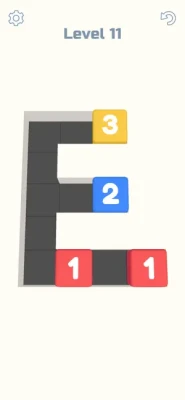
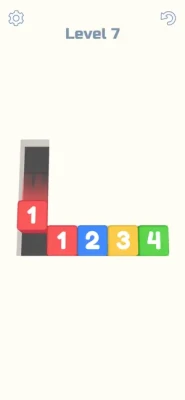
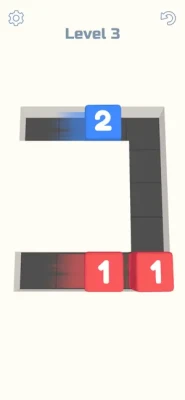
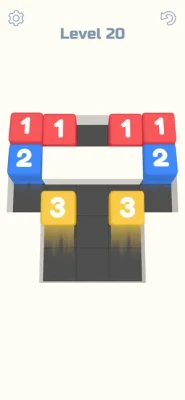
Cubes Control is a mobile puzzle game built around number matching, spatial awareness, and strategic movement. Rather than relying on fast reactions, the game rewards players who examine the board, recognize useful combinations, and plan their moves carefully.
The central objective is to move numbered cubes around the playing area and merge matching values until the required final result is achieved. As the game progresses, maze layouts become more complicated, and additional mechanics introduce new obstacles to overcome.
Cubes Control is suitable for casual players who enjoy brain teasers, number puzzles, and short gaming sessions. Its straightforward controls make it accessible to beginners, while later stages encourage more deliberate problem-solving.
Cubes Control Game Information
Game Title: Cubes Control
Developer: SayGames Ltd
Genre: Casual puzzle and number-merging game
Platform: iPhone and iPad, with availability on Android
Gameplay Style: Single-player puzzle solving
Controls: Swipe and slide movements
Main Objective: Merge matching numbered cubes and complete each puzzle
Difficulty: Starts simple and introduces more challenging mechanics
Progression: Multiple levels featuring different board layouts and special challenges
Availability: Free to download, with advertising and platform-dependent purchase options
Best For: Fans of number games, maze puzzles, logical challenges, and relaxing mobile games
Main Features of Cubes Control
1. Number-Merging Puzzles
The main attraction is the process of combining cubes with matching numbers. Each successful merge helps simplify the board and moves you closer to the level's objective. Understanding how values interact is essential to completing puzzles efficiently.
2. Simple Swipe Controls
Cubes Control uses easy-to-learn movement controls. You swipe to guide the cubes through the available paths, making it simple to begin playing without a lengthy tutorial.
3. Maze-Based Challenges
The board layout matters as much as the numbers themselves. Walls, narrow passages, and the position of other cubes can affect which moves are possible. Players must think about movement routes before committing to a sequence.
4. Increasing Puzzle Complexity
Later levels introduce more demanding layouts and additional mechanics. Players may encounter blocking obstacles that must be unlocked, as well as special boss levels where additional numbered cubes appear during the challenge.
5. Restart and Retry Options
Mistakes are part of the learning process. The game provides ways to retry difficult puzzles, allowing you to test alternative movement sequences and discover a better solution without treating every failed attempt as a permanent setback.
6. Relaxing Visuals and Feedback
The clean presentation and satisfying merging effects make the game enjoyable for short breaks. Although some puzzles require careful thought, the experience focuses on experimentation and steady progress rather than intense time pressure.
How to Play Cubes Control
Learning the basic mechanics is straightforward, but completing difficult levels requires a more thoughtful approach.
Step 1: Examine the board. Look at the numbers on every cube, identify matching values, and notice walls or blocked passages that may affect movement.
Step 2: Identify possible merges. Determine which cubes can be brought together and whether another cube needs to move out of the way first.
Step 3: Plan your route. Consider how each swipe changes the positions of the cubes. A move that appears helpful at first may make a later merge harder.
Step 4: Merge matching numbers. Guide compatible cubes together and use successful combinations to reduce the number of separate pieces you need to manage.
Step 5: Handle obstacles. If a barrier prevents progress, inspect the surrounding layout and determine what must happen before the route becomes available.
Step 6: Complete the objective. Continue merging and repositioning cubes until the level's required result is reached.
Step 7: Learn from unsuccessful attempts. If the board becomes difficult to solve, restart and change one part of your approach rather than repeating the same sequence.
Winning consistently in Cubes Control comes down to understanding the board, controlling movement, and making merges in the right order. These strategies can help beginners learn the mechanics and experienced players approach harder puzzles more efficiently.
1. Study the Board Before Making Your First Move
One of the most common mistakes is swiping immediately without checking the available routes. Before moving anything, inspect the positions of the numbered cubes, the walls, and any obstacles.
Look for matching numbers that can be brought together easily. Then check whether moving one cube could block another cube's route. A few seconds of planning can prevent unnecessary restarts.
Pro tip: Identify the easiest potential merge first, but do not complete it automatically. Make sure it supports your overall plan for solving the level.
2. Prioritize Useful Merges
Matching cubes are the foundation of Cubes Control, but the order of the merges can make a significant difference. Focus on combinations that simplify the board or open up a useful path.
When several matches are possible, compare their consequences. One combination might reduce clutter and create more space, while another could leave an important cube trapped behind an obstacle.
Try to work toward the final objective instead of treating each available match as an independent opportunity.
3. Think Several Moves Ahead
The best strategy is to consider what happens after every swipe. Before moving a cube, ask yourself three questions:
Where will the cube end up?
Will the move help create a future merge?
Could it block another cube or make the next step more difficult?
You do not need to predict every movement perfectly. Start by thinking one or two moves ahead, then gradually build a clearer sequence as you become familiar with the game's mechanics.
4. Use Walls and Narrow Passages Carefully
Maze layouts can make apparently simple puzzles surprisingly difficult. A cube may need to travel through a narrow route, or another piece may need to move before the correct path becomes accessible.
Avoid moving cubes into awkward positions without considering how they can leave. When a route is restricted, determine which cube should move first and whether the other pieces can still reach their intended destinations.
If a movement fails to produce progress, reconsider the route instead of repeatedly attempting the same action.
5. Deal With Obstacles Methodically
Some later puzzles introduce blocking obstacles that must be unlocked before all the cubes can be merged. These levels require you to understand the relationship between the obstacle and the surrounding pieces.
Start by identifying what is preventing progress. Then examine which movements could remove that restriction or make the required route available.
Do not focus exclusively on the final merge while an obstacle remains unresolved. Treat unlocking the route as a separate objective, and then return to the number-merging plan.
6. Approach Boss Levels With Extra Care
Boss levels can introduce additional numbered cubes in different parts of the board. This changes the puzzle because the situation may evolve while you are working toward the goal.
Reassess the board whenever new cubes appear. Check whether your original plan still works, whether a new matching opportunity is available, and whether the additional pieces affect the routes you intended to use.
Flexibility is more important than memorizing a single sequence. A good solution adapts to the current board rather than relying on assumptions made at the beginning.
7. Use Restarts as a Learning Tool
Restarting a level is useful when your current arrangement makes progress difficult. However, restarting without understanding the problem can lead to the same outcome.
Before beginning again, identify the move that caused the difficulty. Perhaps a cube was positioned too early, a route was blocked, or a useful merge was completed before the surrounding pieces were ready.
Change that specific decision during your next attempt. This makes each retry more informative and helps you develop better puzzle-solving habits.
8. Avoid Unnecessary Moves
Although the game allows experimentation, efficient movement can make complicated boards easier to understand. Every unnecessary action creates another opportunity to disrupt a useful arrangement.
Prefer moves that achieve a clear purpose, such as positioning a matching cube, opening a route, clearing an obstacle, or preparing for a later merge.
You do not need to find the absolute minimum number of moves on every level. Consistent progress and a clear plan are more important than perfect efficiency when you are still learning.
Best Tips for Beginners
New players can improve quickly by developing a few simple habits.
Learn the movement rules: Understand how cubes respond to swipes before attempting complicated combinations.
Check matching numbers: Look for potential merges as soon as a level begins.
Keep routes accessible: Avoid placing cubes where they could interfere with important movements.
Think before swiping: Make sure each move contributes to your plan.
Experiment without frustration: Use retries to understand the puzzle rather than viewing mistakes as failures.
Watch for new mechanics: Pay attention when a level introduces a different obstacle or special challenge.
Take short breaks: If a solution is not obvious, returning with a fresh perspective can help.
The most important beginner tip is to focus on understanding why a move works. Once the underlying logic becomes familiar, more complicated levels feel less intimidating.
Advanced Cubes Control Strategies
Plan the Entire Merge Sequence
Experienced players should look beyond the first available combination. Try to determine the order in which the cubes need to interact and how each merge affects the remaining board.
Start with the final objective and work backward. Consider what arrangement would make the last merge possible, then identify the movements required to create that arrangement.
Working backward is particularly helpful when the board contains narrow routes or obstacles.
Preserve Important Positions
Some cubes may be easier to move into place than to move out again. Before repositioning a strategically important cube, consider whether it needs to remain available for a later combination.
Avoid changing several positions at once unless you understand how those changes interact. Controlled movement makes it easier to identify the cause of a problem and maintain a workable board arrangement.
Separate Movement Problems From Number Problems
A puzzle can be difficult for two different reasons: the numbers may not be ready to merge, or the cubes may not be able to reach each other.
Identify which problem you are facing. If the numbers are suitable but the path is blocked, focus on movement and obstacle management. If the route is clear but the required match is not ready, focus on the sequence of merges.
Separating these challenges helps prevent wasted effort.
Reevaluate After Every Major Change
A successful merge can alter the entire structure of a puzzle. Instead of immediately making another swipe, pause and examine the new arrangement.
Check which cubes remain, which routes have opened, and whether a better combination is now available. Replanning after major changes is a reliable way to avoid following an outdated strategy.
Common Mistakes to Avoid
Moving Without a Plan
Random swiping can create awkward arrangements and make it harder to recognize the correct solution. Always give each move a clear purpose.
Merging the First Available Pair
An immediate match is not always the most useful one. Consider whether another merge would make the remaining puzzle easier before committing to a combination.
Ignoring the Maze Layout
Even when two cubes have matching values, their positions may prevent an easy merge. Think about the route as well as the numbers.
Forgetting About Obstacles
A blocked route can prevent progress regardless of how many matching cubes are available. Identify the obstacle's role before continuing with other moves.
Repeating the Same Failed Sequence
If a strategy repeatedly leaves the board unsolvable, repeating it is unlikely to help. Change the order of movements or try a different approach.
Rushing Through New Mechanics
Later levels may introduce rules or challenges that differ from earlier puzzles. Take time to understand what has changed before applying a familiar strategy.
How to Progress Through Difficult Levels
When a puzzle becomes challenging, follow this practical process.
First, define the goal. Identify what must be achieved to finish the level.
Second, inspect the restrictions. Locate barriers, narrow passages, and cubes that may interfere with movement.
Third, identify the required combinations. Determine which matching numbers need to meet and which merges can help simplify the board.
Fourth, create a movement sequence. Decide which cubes should move first and which positions must remain available.
Fifth, test the plan. Follow your intended sequence while checking whether each move produces the expected result.
Finally, adjust when necessary. If a new cube appears or an obstacle changes the situation, revise your plan instead of continuing blindly.
This method turns a confusing puzzle into a series of smaller decisions that are easier to manage.
Is Cubes Control Difficult?
Cubes Control is easy to learn because its core controls and number-merging concept are straightforward. The difficulty comes from combining these mechanics with the layout of each maze.
Early puzzles help players understand movement and matching. More complex levels require better sequencing, careful positioning, and an ability to adapt when new mechanics appear.
The game is therefore accessible to casual players while still offering opportunities to refine logical thinking and spatial awareness.
Is Cubes Control Good for Short Gaming Sessions?
Yes. Its level-based structure makes it suitable for players who want a quick puzzle during a break or a longer session focused on completing multiple challenges.
The simple controls mean you can return to the game without needing to relearn complicated commands. Meanwhile, the different layouts and special mechanics offer variety as you progress.
Advertising may appear during play, and the frequency can vary with the version and platform.
Frequently Asked Questions
What is the main goal of Cubes Control?
The main goal is to move numbered cubes around a maze-like board and merge matching values until the level's required final result is achieved.
Who developed Cubes Control?
Cubes Control was developed by SayGames Ltd.
How do you control the cubes?
The game primarily uses swipe and slide movements to guide cubes around the board and bring matching numbers together.
What is the best strategy for Cubes Control?
Study the board before moving, prioritize useful merges, keep important routes accessible, and think several moves ahead. When a level introduces obstacles, resolve the movement problem before focusing on the final combination.
Can you restart a difficult level?
Yes. The game offers a restart option so players can experiment with alternative approaches when a puzzle becomes difficult. Level-skipping options may also be available.
What makes later levels harder?
Later levels can feature more complex maze layouts, blocking obstacles that need to be unlocked, and boss challenges where additional numbered cubes appear during gameplay.
Does Cubes Control require fast reactions?
The game primarily rewards logical thinking, spatial awareness, and careful movement rather than fast reflexes.
Is Cubes Control suitable for beginners?
Yes. The basic mechanics are simple to understand, and the ability to retry puzzles helps new players learn through experimentation.
Is Cubes Control free to play?
The game is available as a free download. Advertising is included, and purchase options may vary by platform and version.
What should you do when you get stuck?
Reexamine the board, identify the move that created the problem, and try a different sequence. Pay particular attention to blocked routes and the order of merges.
Final Verdict
Cubes Control is an enjoyable mobile puzzle game that combines number merging, maze navigation, and strategic movement in a straightforward format. Its simple controls make it approachable, while obstacles, changing layouts, and special challenges encourage players to think carefully.
The best way to improve is to plan before swiping, prioritize useful combinations, protect important routes, and learn from unsuccessful attempts. With patience and a more deliberate approach, players can tackle increasingly complicated puzzles and enjoy a more rewarding Cubes Control experience.
Whether you are looking for a relaxing number puzzle, a casual brain teaser, or a game that rewards careful planning, Cubes Control offers a satisfying way to put your problem-solving skills to work.
Rate the Game
User Reviews














Popular Games



















 Android
 iOS
 Windows
 Xbox