
Latest Version
December 12, 2024
Rusty Lake
Puzzle
Android
0
Report a Problem
More About :game
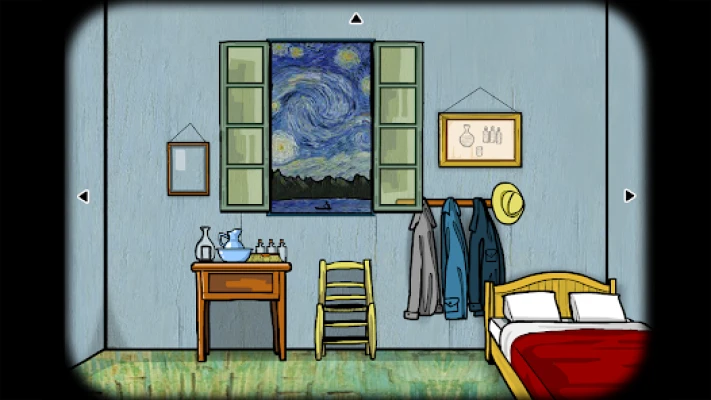
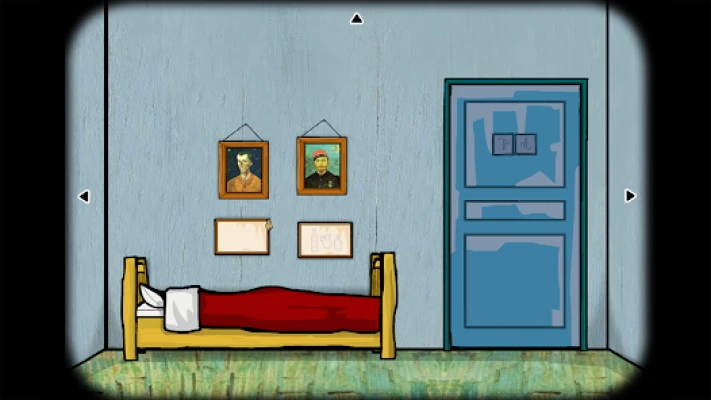
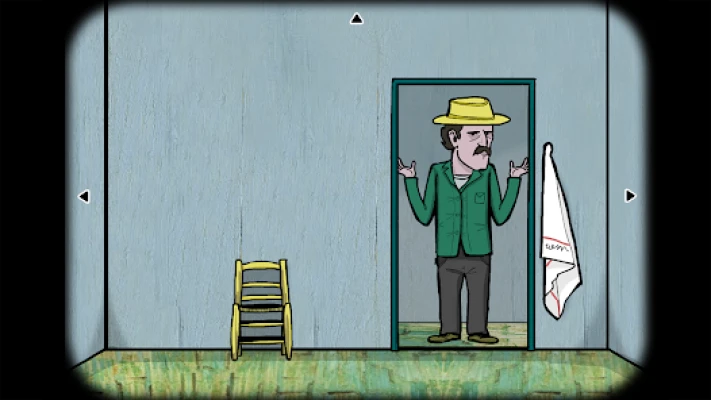
Cube Escape: Arles is one of the most artistic and symbolic entries in the Rusty Lake series. Set inside a distorted version of Vincent van Gogh’s bedroom in Arles, the game blends real historical references with surreal horror, psychological storytelling, and escape-room puzzle mechanics.
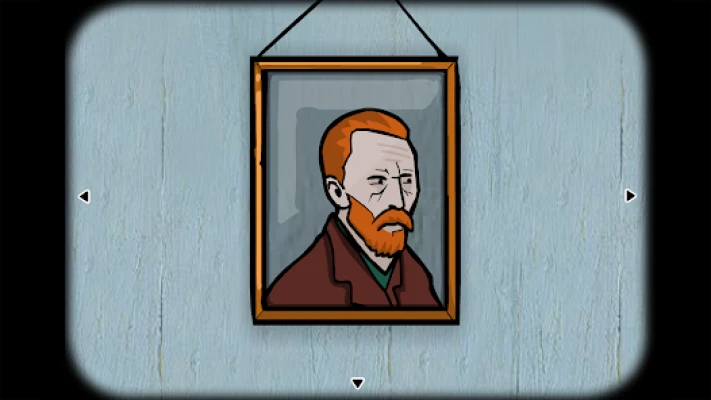
Players take control of Van Gogh as he explores his environment, collects painting fragments, and interacts with objects that slowly reveal a deeper, darker transformation. The game focuses heavily on visual symbolism, memory distortion, and emotional storytelling rather than traditional dialogue.
Each puzzle is tied to artistic creation, meaning players must carefully observe colors, patterns, and hidden clues within paintings to progress. As the story unfolds, reality begins to break down, leading to one of the most iconic symbolic endings in the Cube Escape series.
🎮 Gameplay Overview
- Point-and-click exploration
- Inventory-based puzzle solving
- Painting reconstruction mechanics
- Symbol and color decoding
- Environmental storytelling
- Psychological transformation narrative
⭐ Key Features
- Inspired by Vincent van Gogh’s life and artwork
- Strong psychological horror elements
- Unique painting-based puzzle system
- Hidden symbolic storytelling
- Deep Rusty Lake lore connections
- Multiple layered endings
🧭 FULL WALKTHROUGH GUIDE (STEP-BY-STEP)
🛏️ STEP 1: Explore the Bedroom
- Start in Van Gogh’s bedroom in Arles
- Inspect bed, drawers, chair, and walls
- Collect small hidden objects (key, hat, fragments)
- Pay attention to color-coded symbols under pillows
💡 Tip: Every object hides a puzzle clue or collectible piece.
🖼️ STEP 2: Collect Painting Pieces
- Search around mirror, chair, and floor
- Gather all torn painting fragments
- Inspect walls and furniture carefully
- Combine fragments to restore partial artwork
💡 Key Insight: Painting pieces are essential for unlocking progression.
🍷 STEP 3: Absinthe Puzzle Sequence
- Locate absinthe bottle and spoon
- Use sugar cube and glass setup
- Pour and repeat interaction sequence
- Reveal hidden painting fragment
💡 Logic: Repetition triggers hidden object emergence.
🎨 STEP 4: Complete the Paintings
- Assemble fragmented paintings on walls
- Continue interacting until hidden items appear
- Unlock golden key from completed artwork
- Reveal sunflower interaction sequence
💡 Tip: Keep clicking completed paintings for extra clues.
🌻 STEP 5: Sunflower & Vase Puzzle
- Place sunflower into empty vase
- Activate growth sequence by interaction order
- Follow pattern: top → bottom → left → right
- Unlock second key
💡 Strategy: Order matters for progression triggers.
🔑 STEP 6: Unlock New Room
- Use keys to open locked cupboards
- Collect knife and additional tools
- Open door using golden key
- Progress into deeper exploration area
💡 Important: New items unlock new puzzle branches.
🩸 STEP 7: The Ear Puzzle Sequence
- Use knife on mirror interaction
- Trigger transformation sequence
- Enter surreal “ear” dimension
- Navigate through symbolic internal world
💡 Clue: This represents psychological breakdown.
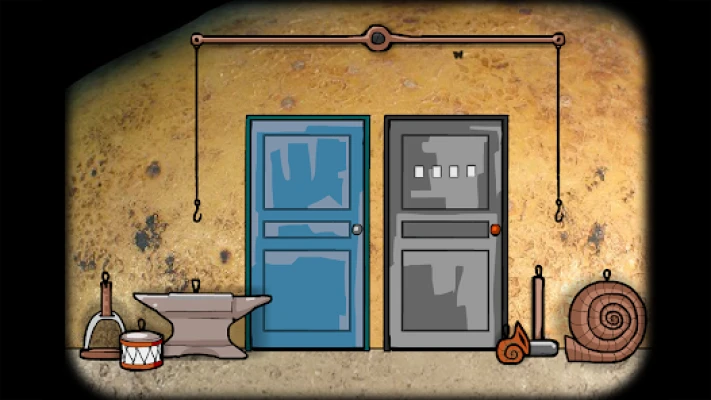
⚖️ STEP 8: Weighing & Symbol Puzzle
- Collect objects (drum, hammer, etc.)
- Use scale system to compare weights
- Decode symbol-color relationships
- Progress toward final locked area
💡 Tip: Each object corresponds to ear anatomy symbolism.
🔫 STEP 9: Final Transformation
- Enter mirror reflection sequence
- Obtain gun and white cube
- Shoot reflection to progress (symbolic act)
- Move through final corridors
💡 Meaning: Represents identity fragmentation.
🧊 STEP 10: Final Cube Assembly
- Paint final symbolic mural using collected colors
-
Match each symbol to correct color:
- Sky → light blue
- Sun → yellow
- Grass → green
- Cube → black
- Collect final black cube
- Exit through final door
💡 Final Clue: The painting represents memory reconstruction.
🧠 STORY EXPLANATION (SEO VALUE SECTION)
Cube Escape: Arles is widely interpreted as a symbolic representation of mental deterioration and artistic obsession. The game uses Vincent van Gogh’s historical trauma—especially his psychological struggles—as a metaphor for memory corruption within the Rusty Lake universe.
Key lore elements include:
- Fragmented memory reconstruction
- Artistic expression as psychological breakdown
- The black and white cubes representing transformation
- Connection to other Rusty Lake experiments
💡 PRO TIPS FOR PLAYERS
- Revisit rooms after every major interaction
- Click paintings multiple times for hidden triggers
- Memorize color-symbol relationships
- Combine items in unexpected ways
- Pay attention to subtle environmental changes
❓ FREQUENTLY ASKED QUESTIONS
Is Cube Escape: Arles difficult?
Yes, it is moderately challenging due to abstract puzzles and hidden logic systems.
How long does it take to finish?
Around 30–60 minutes depending on experience.
Is it based on a real person?
Yes, it is loosely inspired by Vincent van Gogh.
Does it connect to other Cube Escape games?
Yes, it is part of the larger Rusty Lake storyline.
🧾 CONCLUSION
Cube Escape: Arles is one of the most symbolic and artistic entries in the Rusty Lake series. Its blend of historical inspiration, psychological storytelling, and surreal puzzle design makes it a standout experience in the Cube Escape universe.
Rate the Game
User Reviews









Popular Games



















 Android
 iOS
iOS Windows
 Xbox
Xbox