



Latest Version
October 25, 2024
SayGames Ltd
Puzzle
Android
0
com.playstrom.puzzle.pics
Report a Problem
More About :game
Each level introduces a visual puzzle that requires observation, pattern recognition, and careful placement. As the challenges become more complex, players must identify matching edges and understand how individual pieces fit together. With simple drag-and-drop controls, entertaining artwork, and progressively challenging levels, CPI offers a relaxing mobile puzzle experience for fans of picture games and brain teasers.
What Is CPI – Connect Puzzle Image?
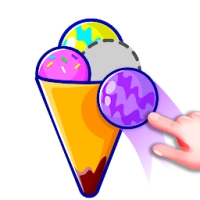
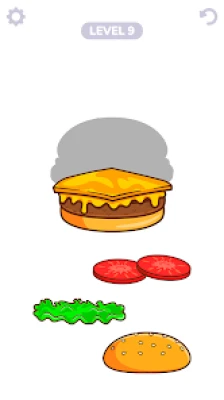
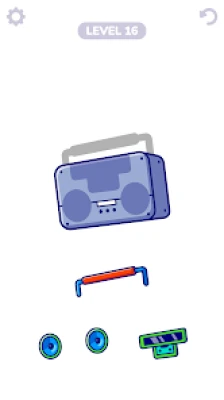
CPI – Connect Puzzle Image is a mobile puzzle game that puts a creative spin on traditional jigsaw puzzles. Instead of assembling a physical picture on a table, you connect virtual pieces directly on your screen to reveal a complete illustration.
The game focuses on recognizing visual patterns, identifying matching shapes, and joining pieces in the correct positions. Pictures can feature a variety of entertaining subjects, from cute animated characters to unusual objects and imaginative scenes.
At first, the puzzles are relatively simple, allowing new players to understand the mechanics. As you advance, the arrangements become more complicated and require greater attention to detail.
CPI is designed for casual play, making it suitable for short breaks or longer sessions when you want a relaxing activity. Its straightforward controls and picture-based challenges make it accessible to players who enjoy jigsaw puzzles without the inconvenience of managing physical pieces.
Main Features of CPI – Connect Puzzle Image
Interactive Jigsaw Puzzles
Connect scattered picture pieces to create complete images. Every successful connection brings you closer to revealing the finished illustration.
Increasing Puzzle Complexity
The game gradually introduces more demanding arrangements. Simple puzzles help you learn the mechanics, while later challenges require more careful observation and planning.
Colorful and Entertaining Artwork
The pictures include playful characters, unusual objects, and visually interesting scenes. Completing each image provides a satisfying sense of progress.
Simple Drag-and-Drop Controls
Move pieces around the screen and connect matching sections using intuitive touch controls. The simple mechanics allow you to concentrate on solving the puzzle.
Relaxing Casual Gameplay
The game is suitable for players who prefer a calm puzzle experience without complicated controls. You can focus on connecting pieces at your own pace.
Convenient Mobile Puzzles
Because the pieces are digital, you can enjoy jigsaw-style gameplay without worrying about losing physical pieces or needing a large surface to assemble an image.
Progressive Brain Challenges
As the puzzles become more complex, you must pay closer attention to colors, outlines, and relationships between individual picture sections. This encourages observation and visual reasoning.
How to Play CPI – Connect Puzzle Image
Start by examining the scattered picture pieces. Look at their colors, shapes, patterns, and visible parts of the illustration.
Identify pieces that appear to belong together. Matching outlines, continuous colors, and recognizable parts of an object can help you determine which pieces should connect.
Drag a piece toward a likely match and observe how the game responds. When two pieces fit correctly, they connect to form a larger section of the image.
Continue joining compatible pieces until you have assembled the complete picture. As larger groups form, use them to identify additional connections and gradually reconstruct the illustration.
If you become stuck, step back and examine the remaining pieces rather than repeatedly trying the same combinations. A different perspective may reveal a matching edge or visual detail that you overlooked.
The key to success is combining careful observation with logical placement instead of relying on random movements.
Complete Strategy Guide for CPI – Connect Puzzle Image
Examine the Picture Pieces Before Moving Them
One of the best ways to solve CPI puzzles efficiently is to inspect the available pieces before making your first move. Look for distinctive colors, recognizable objects, repeated patterns, and unusual outlines.
A piece containing a bright color or a recognizable feature may be easier to identify than one showing a plain background. Start with the clearest visual clues and use them to establish a few reliable connections.
Understanding the pieces before moving them reduces unnecessary experimentation and gives you a better idea of how the final picture might look.
Match Pieces by Color and Pattern
Color is one of the most useful clues in a picture connection game. Pieces that share similar shades, textures, or background details may belong to neighboring sections of the same image.
However, matching colors alone is not always enough. Two unrelated pieces may have similar backgrounds, so examine the patterns and visible objects as well.
Look for details that continue naturally from one piece to another. A line, shape, character outline, or repeated pattern can provide stronger evidence of a correct match than color alone.
Focus on Distinctive Image Details
Small visual features can help you identify the correct connections. Look for eyes, faces, object edges, text-like shapes, or unusual decorations that make a piece stand out.
If one piece contains a recognizable part of a character or object, search for another piece that appears to continue that feature.
Distinctive details are particularly useful when several pieces share similar colors and the correct connection is not immediately obvious.
Connect the Easiest Pieces First
Avoid trying to solve every part of the image simultaneously. Begin with pieces that have obvious similarities or clearly continuous patterns.
Once two pieces connect, treat them as a larger section of the image. This gives you more information about their orientation and helps you identify neighboring pieces.
Building a few reliable sections is often easier than repeatedly switching between unrelated pieces.
Use Larger Connected Groups as Clues
As your puzzle develops, connected groups become valuable reference points. A group may contain enough of a character, object, or background pattern to make the next connection obvious.
Compare the edges of these groups with the remaining individual pieces. Look for matching colors, continuous outlines, and image details that extend naturally.
Connecting larger groups also reduces the number of separate elements you need to consider, making complicated puzzles easier to understand.
Pay Attention to the Shape of Each Connection
Visual similarity is important, but the physical outlines of the pieces also matter. Examine whether the edges and connection points align naturally.
If two pieces seem visually related but do not fit together, do not force the match. Another piece may belong between them, or the apparent similarity may be coincidental.
Use the game's connection feedback to confirm your reasoning and move on when a combination does not work.
Avoid Random Piece Placement
Randomly dragging pieces around can make it harder to remember which combinations you have already tested.
Instead, make deliberate attempts based on specific clues. If you believe two pieces belong together because of a continuous line or matching shape, test that connection and evaluate the result.
This method keeps your progress organized and makes each attempt more informative.
Reassess the Puzzle When You Get Stuck
If several attempts fail, take a moment to review the complete arrangement. You may have overlooked a color transition, misinterpreted a background detail, or focused too narrowly on one section.
Try examining the remaining pieces from a different perspective. Look for another distinctive object or pattern that could provide a starting point.
A short pause can help you recognize connections that were difficult to see while concentrating on a single pair of pieces.
Advanced Tips and Tricks for CPI
Think About the Complete Image
Do not focus exclusively on individual pieces. Try to imagine what the finished illustration could represent.
Recognizing a character, object, or scene can help you predict which colors, shapes, and details should appear nearby. This broader understanding makes it easier to evaluate potential connections.
Even an incomplete mental picture can provide useful clues about the arrangement.
Follow Continuous Lines and Outlines
Lines that extend across picture pieces are strong indicators of a possible match. These might include the outline of an object, the edge of a character, or a decorative feature in the background.
When a line appears to continue from one piece to another, compare its direction and position. A natural continuation can help you identify the correct connection more confidently.
Separate Similar-Looking Pieces Mentally
Some puzzles contain multiple pieces with nearly identical colors or patterns. When this happens, focus on the details that distinguish them.
One piece might contain a subtle curve, a small highlight, or part of an object that does not appear in the others. These differences can prevent you from wasting time on visually similar but incorrect combinations.
Build From Recognizable Objects Outward
If the picture contains a recognizable object or character, use it as an anchor for your solving strategy.
Identify the pieces that clearly belong to that feature and connect them first. Once the central object becomes more complete, use its surrounding colors and outlines to determine where neighboring sections belong.
This approach is especially useful when the background contains many similar-looking pieces.
Keep Your Movements Deliberate
Efficient puzzle solving is not necessarily about moving pieces as quickly as possible. It is about making useful connections with fewer unnecessary attempts.
Before moving a piece, consider what evidence supports the match. After connecting pieces, check the newly formed image section for clues that could help with the next move.
This consistent process makes difficult puzzles feel more manageable.
Learn From Completed Pictures
When you finish a puzzle, consider which clues helped you solve it. Perhaps a continuous outline revealed the correct match, or a distinctive color helped you identify a character.
Recognizing these patterns improves your approach to later challenges. Over time, you may become quicker at identifying useful visual information and distinguishing likely connections from misleading similarities.
Common Mistakes to Avoid in CPI – Connect Puzzle Image
Matching Pieces by Color Alone
Similar colors can appear in different parts of the same picture. Always check the patterns, outlines, and visible objects before assuming two pieces belong together.
Ignoring Small Details
A tiny line, facial feature, or change in shading can reveal the correct connection. Examine the details instead of relying only on the overall appearance of a piece.
Trying Too Many Combinations at Once
Repeatedly testing random connections can become confusing. Focus on one promising match at a time and use the result to guide your next decision.
Forgetting About Connected Groups
Once pieces connect, the larger image section provides new clues. Use those clues rather than treating every piece as an independent object.
Sticking With an Incorrect Assumption
If several attempts fail, reconsider your interpretation. A piece that looks as though it belongs to one object may actually be part of another section of the illustration.
Rushing Through Difficult Puzzles
Moving quickly can cause you to overlook important visual differences. Slow down when the picture becomes more complicated and examine the remaining pieces carefully.
Beginner's Guide to Improving Faster
New players should begin by learning how the connection mechanics work. Experiment with a few obvious matches and observe how the game responds when pieces fit correctly.
Next, practice identifying repeated colors, continuous lines, and recognizable image details. These clues form the foundation of effective picture puzzle solving.
As you become more comfortable, focus on connecting small groups rather than searching for every match independently. Larger sections provide more context and help you recognize the structure of the finished image.
Remember that patience is part of the experience. You do not need to identify every connection immediately. Consistent observation and deliberate experimentation will help you improve naturally.
Is CPI – Connect Puzzle Image Worth Playing?
CPI – Connect Puzzle Image is a good option for players who enjoy casual jigsaw puzzles, picture-matching games, and visual brain teasers. Its simple controls make it easy to understand, while progressively more complicated pictures provide opportunities to develop stronger observation skills.
The game is particularly suitable for short sessions because you can focus on connecting pieces without needing a physical puzzle board or a large playing area.
Its colorful illustrations and straightforward mechanics create a relaxed experience, although players looking for deep strategy or highly competitive gameplay may find the format relatively simple. Advertisements may also interrupt the experience.
Overall, CPI is worth considering if you want an accessible mobile puzzle game that combines picture recognition, logical thinking, and satisfying image completion.
Frequently Asked Questions About CPI – Connect Puzzle Image
What is CPI – Connect Puzzle Image?
CPI – Connect Puzzle Image is a casual mobile jigsaw puzzle game developed by SayGames Ltd. Players connect virtual picture pieces to reveal complete illustrations.
How do you play CPI?
Examine the pieces, identify matching shapes and visual patterns, and drag compatible pieces together. Continue connecting individual pieces and larger groups until the picture is complete.
Is CPI difficult to play?
The basic controls are easy to learn, but the puzzles become more complex as you progress. Later challenges may require greater attention to detail and more careful pattern recognition.
How can you solve CPI puzzles faster?
Start with distinctive pieces, match colors alongside shapes and outlines, connect obvious sections first, and use completed groups to identify additional matches. Avoid random movements and reassess the picture when you get stuck.
Does CPI help improve problem-solving skills?
The game encourages visual observation, pattern recognition, spatial reasoning, and logical experimentation. These are the types of thinking skills used when solving jigsaw and picture-matching puzzles.
How many levels does CPI have?
The game's published description has highlighted 100 progressively challenging levels. The total number of available levels may vary with updates and the current version.
Is CPI – Connect Puzzle Image free?
The game is available as a free download on Google Play. It includes advertisements, and the availability of optional purchases may depend on the current version.
Who developed CPI – Connect Puzzle Image?
CPI – Connect Puzzle Image was developed and published by SayGames Ltd.
Can you play CPI offline?
The availability of offline play can depend on the current version and specific features. Check the game's current store listing for the latest connectivity information.
Final Thoughts on CPI – Connect Puzzle Image
CPI – Connect Puzzle Image transforms the familiar jigsaw puzzle into a convenient mobile experience built around connecting scattered picture pieces. Its colorful artwork, straightforward controls, and gradually increasing complexity make it appealing to casual players and puzzle enthusiasts alike.
The best strategy is to study the available pieces, identify distinctive visual clues, connect obvious matches first, and use larger image sections to guide your next moves. Avoid guessing randomly, pay attention to small details, and change your approach whenever a connection does not make sense.
Whether you enjoy relaxing picture games or want to challenge your visual reasoning, CPI offers an enjoyable way to reconstruct images one connection at a time.
Rate the Game
User Reviews













Popular Games



















 Android
 iOS
 Windows
 Xbox