



Latest Version
May 09, 2026
Supercell
Strategy
iOS
1
com.supercell.clashroyale
Report a Problem
More About :game
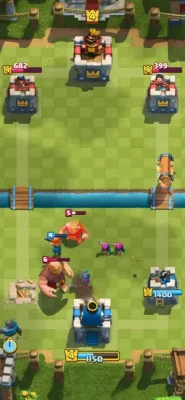
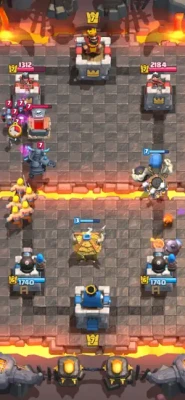
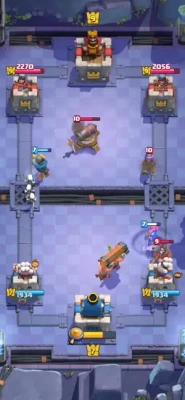
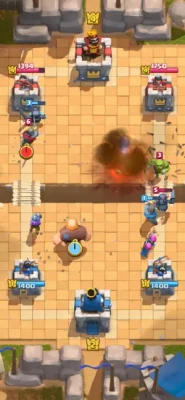
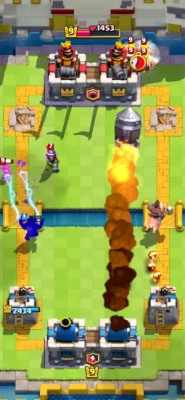
Clash Royale combines collectible cards, tower defense, and real-time strategy in fast-paced multiplayer battles. Instead of building a large base or controlling an entire army, you choose a deck of eight cards and use them to deploy troops, buildings, and spells during a match.
Every card has a specific Elixir cost, meaning you must decide when to attack, defend, or save resources for a stronger push. Your opponent makes similar decisions, so success depends on anticipating their moves and finding opportunities to gain an advantage.
The main objective in standard battles is to destroy the opposing towers while protecting your own. Destroying the King Tower immediately wins the match, while other victories depend on tower destruction and the applicable match rules.
As you progress, you collect new cards, upgrade your collection, unlock additional Arenas, and face increasingly challenging opponents. The game also features Heroes, Card Evolutions, Clan activities, competitive modes, and rotating events that add variety to the experience.
Main Features of Clash Royale
Real-Time Multiplayer Battles
Clash Royale matches players against opponents in live strategic battles. Every card placement can influence the outcome, and a poorly timed attack can leave your towers vulnerable.
You must balance offensive pressure with defensive positioning, manage your Elixir carefully, and react to the enemy's strategy as the match develops.
Collectible Cards and Battle Decks
Cards represent the troops, buildings, spells, and special units available during combat. Each card serves a different purpose, and combining them effectively is essential for creating a reliable deck.
Your eight-card battle deck should include a way to damage enemy towers, dependable defensive options, suitable spells, and enough variety to respond to different threats.
Tower Defense and Strategic Attacks
Both players must protect their towers while looking for opportunities to damage the opponent's defenses. Strong attacks often begin with a carefully supported troop combination rather than a single unit deployed without a plan.
Defensive buildings, splash-damage troops, ranged attackers, and spells can all help stop enemy pushes when used at the right moment.
Card Upgrades and Collection Progression
Collecting cards allows you to strengthen your available units and expand your strategic options. Gold and eligible cards or Wild Cards can be used for upgrades, while additional progression systems provide further ways to develop your collection.
Upgraded cards can improve their combat statistics, making resource management an important part of long-term progress.
Heroes and Card Evolutions
Clash Royale includes special card forms and abilities that can change how certain units perform. Heroes and Card Evolutions add further strategic choices to deck building.
Their availability and the deck slots you can use depend on your progression and the current game rules. Choose special forms that complement your main strategy rather than selecting them without considering the rest of your deck.
Trophy Road and Ranked Battles
Trophy Road offers a progression path tied to your battle results and milestones. Ranked provides a more competitive environment for players seeking to improve their standing.
Both reward a better understanding of card interactions, defensive timing, and matchup strategy, although their progression systems and requirements can differ.
Clans and Clan Wars
Clans allow players to communicate, request and donate eligible cards, participate in Clan activities, and work toward shared rewards.
Joining an active Clan can help you learn new strategies, practice with other players, and develop a more consistent approach to competitive battles.
Seasonal Events and Special Modes
Special events introduce different objectives, rules, and opportunities to earn rewards. Modes such as Merge Tactics also offer a different style of strategic gameplay from traditional tower battles.
Check the current in-game event selection to see which activities are available and which rewards best suit your goals.
How to Play Clash Royale
New players should first understand the battle arena, card cycle, Elixir system, and tower mechanics.
Build a deck of eight cards with complementary roles.
Start each match by observing your opponent's first move.
Deploy troops and buildings to defend against incoming attacks.
Use spells to support your troops or remove dangerous enemy units.
Track your remaining Elixir before committing to another push.
Counterattack when your opponent has spent too many resources.
Protect your towers and adjust your strategy to the current score.
Review your losses to identify mistakes in card selection, timing, or positioning.
The most important beginner lesson is that every card placement has an opportunity cost. Spending too much Elixir on one attack may leave you unable to defend the next enemy push.
Understanding the Elixir System
Elixir is the resource used to deploy cards during battle. Each card has a specific cost, and your available Elixir limits how quickly you can play cards.
Managing this resource effectively is one of the foundations of Clash Royale strategy.
Avoid Spending All Your Elixir at Once
Deploying several expensive cards together may create a powerful attack, but it can also leave your towers exposed. Before starting a major push, consider whether you have enough resources to respond if your opponent attacks the opposite lane.
Look for Positive Elixir Trades
A positive Elixir trade occurs when you defend against an enemy card or combination using fewer resources than your opponent spent.
For example, if an opponent commits several expensive units and you stop them with a cheaper defensive combination, you may have an opportunity to counterattack while they recover their Elixir.
Not every favorable trade guarantees a win, but consistently making efficient defensive decisions can create a significant advantage over time.
Understand Elixir Timing
As the match progresses, Elixir regeneration and the available time influence how aggressively you can play. Some battle formats also change Elixir generation during later stages.
Use the slower parts of a match to evaluate your opponent's deck and prepare a sensible strategy. When resource generation increases, you may be able to support larger pushes or defend more frequently.
How to Build a Strong Clash Royale Deck
A good Clash Royale deck should have a clear win condition, reliable defense, suitable spells, and a manageable average Elixir cost.
Include a Reliable Win Condition
A win condition is a card or strategy designed to deal consistent damage to enemy towers. Examples include Hog Rider, Giant, Royal Giant, Balloon, and Goblin Barrel.
These cards work in different ways. Some attack towers directly, while others rely on supporting troops, spell pressure, or carefully timed opportunities.
Choose a win condition that suits your preferred play style and build the rest of your deck around helping it succeed.
Add Defensive Cards
Your deck needs reliable ways to stop enemy troops and prevent tower damage.
Defensive buildings can redirect certain units, ranged troops can deal damage from a distance, and splash-damage units can handle groups of weaker enemies.
Try to cover several common threats instead of relying on one defensive card for every situation.
Include Useful Spells
Spells provide flexible answers to enemy troops and buildings. Depending on your deck, a small spell may help remove fragile units, while a larger spell can damage clustered troops or support a push.
Your spell selection should complement your win condition and address weaknesses in your defense.
Maintain a Manageable Average Elixir Cost
The average Elixir cost is calculated by adding the Elixir costs of all eight cards and dividing the total by eight.
A lower-cost deck generally cycles through cards more quickly, while a heavier deck may depend on powerful units and carefully planned attacks.
Neither approach is automatically better. Choose a cost that allows you to execute your strategy without leaving yourself unable to defend.
Check Your Deck for Weaknesses
Before entering competitive matches, ask yourself a few questions:
Can the deck defend against both ground and air attacks?
Does it have an answer to groups of enemies?
Can it deal reliable tower damage?
Is there a practical response to heavy units?
Does the deck become too expensive to use consistently?
Are several cards performing nearly identical roles?
A balanced deck does not need a perfect answer to every card. It needs enough complementary tools to avoid being helpless against common strategies.
Best Clash Royale Tips for Beginners
Learn Card Interactions
Understanding which cards counter others is more important than memorizing a single popular deck.
For example, area-damage units can be effective against groups of weaker enemies, while defensive buildings can redirect certain attacking troops. Ranged units may help deal with targets that are difficult for melee troops to reach.
Experiment with different combinations and learn how to defend without wasting resources.
Defend Before Launching a Counterattack
A successful defense often creates the best opportunity to attack. If your surviving troops can move toward the enemy side, you may be able to support them with additional cards instead of building an entirely new push.
This approach can make your attacks more efficient because your opponent must respond to units that are already advancing.
Do Not Attack Every Time You Have Elixir
Having enough Elixir to play a card does not mean you should immediately deploy it. Sometimes waiting allows you to see your opponent's strategy and choose a better response.
Avoid spending resources simply because they are available. Every attack should have a purpose.
Protect Your Towers
Your towers provide defensive damage throughout the match. Allowing unnecessary damage early can put you under pressure later, particularly if your opponent has a reliable tower-targeting card.
Use troops and buildings to manage incoming threats while avoiding defensive overcommitment.
Track Your Opponent's Cards
Pay attention to the cards your opponent has already played. This helps you predict which threats may return to their hand and recognize when a useful counter is temporarily unavailable.
You do not need to remember every detail perfectly. Start by tracking the opponent's main win condition, important spells, and strongest defensive cards.
Practice One Deck Consistently
Switching decks after every defeat makes it difficult to understand what went wrong. Choose a deck that suits your collection and practice it across several matches.
Once you understand its strengths and weaknesses, adjust one or two cards when necessary instead of rebuilding the entire deck without a clear reason.
Advanced Clash Royale Battle Strategies
Master Card Placement
The location where you deploy a card can determine whether a defense succeeds or fails. Placing a troop too close to an enemy unit may expose it to unnecessary damage, while a well-positioned defender can redirect attackers or buy time for your towers.
Practice placing defensive troops where they can engage enemies efficiently and support nearby units.
Recognize Overcommitment
Overcommitment happens when you spend more resources on an attack or defense than the situation requires.
A push may look impressive but still be inefficient if the opponent can stop it cheaply. Similarly, using several defensive cards against a minor threat may leave you vulnerable to a larger attack.
Learn to use only the resources needed for the immediate situation.
Attack the Opposite Lane When Appropriate
If your opponent commits heavily to one lane, attacking the opposite lane can force them to divide their defensive resources.
This tactic works best when you understand your opponent's available counters and can create meaningful pressure without exposing your own towers.
Do not use opposite-lane pressure automatically. Sometimes defending the original push is the safer decision.
Identify Your Opponent's Win Condition
Most decks rely on one or more ways to deal reliable tower damage. Once you identify the enemy's main win condition, you can preserve the cards that counter it.
For example, if a particular building or troop is essential for defending a tower-targeting unit, avoid wasting it on a minor threat unless the trade is worthwhile.
Adapt to the Matchup
A deck that performs well against one strategy may struggle against another. Adjust your defensive timing, card placement, and attack frequency according to the opponent's composition.
If a direct push repeatedly fails, look for a different approach. You may need to create pressure in another lane, wait for a key counter to leave the opponent's hand, or defend more efficiently before attacking.
Use Spells with Purpose
Spells are most valuable when they remove important threats, create tower damage, or support a decisive push.
Avoid wasting a major spell on a low-value target if you expect a more dangerous situation soon. At the same time, do not hold a spell indefinitely when using it could secure a meaningful advantage.
The best decision depends on the current board, your available Elixir, and the opponent's likely response.
Clash Royale Game Modes Guide
Available modes and rules can change with updates and seasonal events. The following sections explain major styles of play and the strategies they reward.
Trophy Road Battles
Trophy Road provides a progression path through battles and milestones. Winning matches advances your progress, while defeats can affect your results according to the current rules.
To progress more consistently, use a deck you understand well, avoid unnecessary card changes, and focus on efficient defenses. Learn from repeated losses instead of relying entirely on luck or matchmaking.
Ranked Mode
Ranked is intended for competitive players who want to test their skills against other opponents.
Before playing, make sure your deck is familiar and your card levels meet the requirements of the current mode. Concentrate on consistent performance rather than expecting every match to be a win.
Clan Wars
Clan Wars require coordination and participation in the activities available to your Clan.
Prepare suitable decks, understand the rules of each battle, and communicate with your teammates when planning your participation. A reliable contribution over time can be more useful to your Clan than occasional high-risk performances.
Friendly Battles
Friendly Battles let you challenge friends or Clanmates without the usual competitive stakes. They are useful for practicing unfamiliar decks, testing card combinations, and learning how to defend against specific strategies.
Use these matches to experiment with different placements and tactics before applying them in competitive battles.
Challenges and Seasonal Events
Challenges and seasonal events may introduce special rules, deck restrictions, or different reward structures.
Read the requirements before participating. If a mode changes the available cards or battle conditions, adapt your strategy rather than relying on your standard deck.
Merge Tactics
Merge Tactics offers a different strategic experience from standard tower battles. It focuses on assembling and merging units according to the mode's rules rather than simply deploying an ordinary eight-card deck in the usual arena format.
Players who enjoy experimentation and planning may find it a refreshing alternative to traditional Clash Royale combat.
Card Upgrade Strategy
Upgrading cards improves their combat statistics and can make your deck more effective against opponents. However, resources are limited, so it is important to prioritize upgrades carefully.
Upgrade Your Main Deck First
Focus on the cards you use most frequently. Investing in a consistent group of cards allows you to strengthen a working strategy rather than spreading your resources across many incomplete decks.
Choose upgrades that support your preferred win condition and help cover your most important defensive needs.
Prioritize Versatile Cards
Cards that work in several situations can provide long-term value. A useful spell, reliable defensive unit, or flexible support troop may fit into multiple decks as your collection expands.
Versatility is particularly valuable when you are still learning which strategies suit your play style.
Understand Card Rarity
Clash Royale includes Common, Rare, Epic, Legendary, and Champion cards. Rarity influences collection and progression systems, but it does not automatically determine whether a card is the best choice for your deck.
A lower-rarity card can remain highly effective when it fills an important role and works well with your other cards.
Use Special Card Forms Strategically
Heroes and Evolutions can provide additional tactical options where supported by the current rules and your available deck slots.
Consider whether a special ability improves your primary strategy or addresses a weakness. Do not invest in a card form simply because it is new or popular.
Spend Gold Carefully
Gold is important for card upgrades and other progression needs. Before spending it, consider whether the upgrade strengthens a deck you regularly use or helps you reach a specific goal.
Avoid upgrading every card as soon as you have enough resources. A focused upgrade plan generally makes it easier to develop a competitive deck.
How to Earn More Rewards in Clash Royale
Progression rewards help you expand your card collection and improve your available strategies.
Complete Available Quests and Events
Check the game for active quests, challenges, and event rewards. Choose activities that fit your available time and current deck strength.
Completing several related objectives during the same session can help you progress efficiently.
Open Chests and Collect Rewards
Chests and other reward systems can provide cards and useful progression items. Collect available rewards and review your inventory before deciding which cards to upgrade.
The exact reward systems and unlock methods may change over time.
Participate in Clan Activities
Clan activities can offer additional rewards and opportunities to practice with other players. Join a Clan that matches your activity level and contribute consistently when you participate.
Manage Gems and Premium Currency
Gems and other premium resources can be used for certain purchases or convenience features. Think carefully before spending them, especially if you are playing without making additional purchases.
Compare the available options and prioritize those that support your progression goals.
Improve Your Win Rate Through Practice
Winning consistently is itself an important part of progression. Learning your deck's matchups, recognizing common mistakes, and practicing efficient defenses can help you make better use of your available battles.
Common Clash Royale Mistakes to Avoid
Spending too much Elixir: An expensive push can leave your towers exposed to a counterattack.
Using spells without a clear purpose: Wasted spells may leave you without an effective response to the next threat.
Changing decks too often: Constant changes make it difficult to master card interactions and identify weaknesses.
Ignoring air defense: A deck that handles ground troops well may still struggle against airborne attackers.
Overdefending minor threats: Spending several cards to stop a small attack can create an unfavorable resource trade.
Attacking without a win condition: Strong troops are useful, but your deck needs a reliable way to damage enemy towers.
Ignoring card levels: Underleveled cards can perform differently from what you expect, especially in modes where card levels are not standardized.
Copying popular decks without learning them: A strong deck can still fail if you do not understand its cycle, defensive options, and matchups.
Upgrading too many cards at once: Spreading resources across your entire collection can delay improvements to your main deck.
Playing while frustrated: Repeated losses can encourage rushed decisions. Take a break and return with a clearer plan.
Is Clash Royale Free to Play?
Clash Royale is free to download and play, with optional in-app purchases. Players can collect cards, participate in battles, progress through available reward systems, and join Clans without necessarily spending real money.
Purchases can provide additional items or progression opportunities, but they are not a replacement for good strategy. Free-to-play players can make steady progress by completing available activities, managing Gold carefully, and focusing upgrades on a reliable deck.
Because progression and card balance can change with updates, the most effective approach is to work with your available collection rather than spending money to chase every new addition.
Is Clash Royale Worth Playing?
Clash Royale is a strong choice for players who enjoy competitive strategy, collectible cards, tower defense, and fast multiplayer battles.
Its gameplay combines simple controls with meaningful tactical decisions. Learning how to manage Elixir, counter enemy cards, and build effective decks provides plenty of room for improvement.
The game also offers several ways to play, from Trophy Road and Ranked battles to Clan activities, Friendly Battles, and special events. Players who enjoy experimenting with strategies and gradually improving their collection can find plenty to explore.
However, those who prefer entirely offline games or dislike competitive progression may find the online format less appealing.
Frequently Asked Questions About Clash Royale
What is Clash Royale?
Clash Royale is a real-time multiplayer strategy game developed by Supercell. Players build card decks, deploy troops and spells, defend towers, and compete against opponents to win battles.
How many cards are in a Clash Royale deck?
A standard battle deck contains eight cards. The best combination depends on your win condition, defensive options, average Elixir cost, and preferred strategy.
What is the best Clash Royale deck?
There is no single deck that is best for every player or every update. Strong decks combine a reliable win condition with effective defense, suitable spells, and complementary support cards. Current balance changes and card levels can also influence performance.
How does Elixir work?
Elixir is the resource used to play cards. Each card has an Elixir cost, and players must manage their available resources to balance attacking and defending.
How do you win more matches in Clash Royale?
Learn your deck, make efficient Elixir trades, protect your towers, and identify the opponent's main win condition. Avoid overcommitting to attacks and use counterattacks when your defense leaves surviving troops on the battlefield.
Which cards should beginners upgrade first?
Start with cards you use regularly in your main deck. Prioritize upgrades that strengthen your win condition, improve reliable defenses, or help you handle common threats.
Are Legendary cards always better?
No. Card rarity does not automatically determine effectiveness. A lower-rarity card may be a better choice if it fits your deck, counters common threats, and works well with your strategy.
What are Heroes and Card Evolutions?
Heroes and Card Evolutions are special card forms that provide additional abilities or altered gameplay effects for eligible cards. Their use depends on your progression, available slots, and the current game rules.
Can you play Clash Royale with friends?
Yes. Friendly Battles allow you to challenge friends or Clanmates in supported formats. These matches are useful for practicing strategies and testing decks without the normal competitive stakes.
What is the purpose of a Clan?
Clans provide a social environment for players to communicate, request and donate eligible cards, participate in Clan Wars, and work toward shared objectives.
Does Clash Royale require an internet connection?
Yes. Clash Royale is an online multiplayer game and requires an internet connection for normal gameplay.
Is Clash Royale pay to win?
The game includes optional purchases and card progression systems, which can influence how quickly players develop their collections. However, deck knowledge, resource management, timing, and tactical decisions remain essential parts of winning battles.
How often does Clash Royale change?
Supercell updates the game with balance adjustments, new content, seasonal activities, and changes to progression or game modes. Check the in-game news to understand the current rules and available features.
Final Thoughts
Clash Royale rewards players who combine smart deck building with careful Elixir management and well-timed decisions. Building a strong collection is useful, but understanding how your cards interact is what turns a deck into a dependable strategy.
Start with a balanced eight-card deck, learn how to defend efficiently, and develop a clear plan for dealing tower damage. Upgrade your most useful cards, participate in available events, and use Friendly Battles to practice new tactics.
Whether you are progressing through Trophy Road, competing in Ranked, or working with your Clan, patience and strategic thinking will help you become a more capable Clash Royale player.
Rate the Game
User Reviews















Popular Games



















 Android
 iOS
 Windows
 Xbox