

Latest Version
June 07, 2025
Wood Puzzle Sudoku Games
Puzzle
0
com.blockpuzzle.jigsaw.puzzles.brain.offline
Report a Problem
More About :game
Specific Game Titles and Information
Game Title: Block Puzzle: Wood Jigsaw Game
Developer: Wood Puzzle Sudoku Games
Game Genre: Puzzle, Brain Training, Block Puzzle, Jigsaw
Platform: Android
Package Name: com.blockpuzzle.jigsaw.puzzles.brain.offline
Game Type: Single-player puzzle experience
Internet Connection: Offline play supported
Content Rating: Everyone
Monetization: Contains ads and in-app purchases
What Is Block Puzzle: Wood Jigsaw Game?
Block Puzzle: Wood Jigsaw Game combines two familiar puzzle styles in one casual gaming experience. Instead of focusing on only one type of challenge, it offers a classic block puzzle mode and a separate jigsaw mode. Each provides a different way to test your concentration, spatial awareness, and problem-solving skills.
The classic mode uses a 10x10 grid. Players drag wooden blocks from the available pieces onto the board, aiming to complete entire horizontal rows or vertical columns. Completed lines disappear, creating additional room for new pieces and helping players build higher scores.
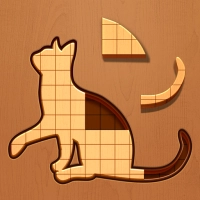
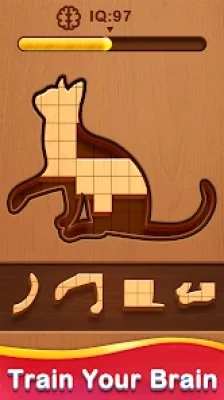
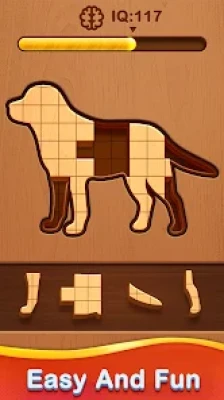
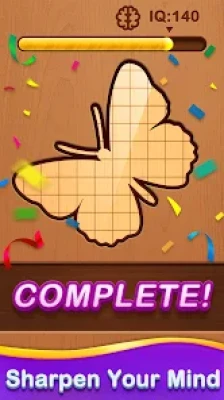
The jigsaw mode takes a different approach. Each level presents an incomplete picture made from a broken pattern. Players must drag the available block pieces into their correct positions to complete the image. The pieces cannot be rotated, so choosing the right placement is essential.
The game also includes useful tools, treasure chest rewards, score records, and offline gameplay. Its straightforward controls make it accessible to beginners, while the need to plan placements gives experienced puzzle fans plenty to think about.
Main Game Features
Two Puzzle Modes in One Game
The biggest attraction is the combination of classic block placement and picture-based jigsaw puzzles. Players can switch between two different styles of thinking instead of repeating the same challenge throughout every session.
Classic 10x10 Block Puzzle
The classic mode challenges players to fit wooden blocks onto a 10x10 grid. Completing full rows and columns clears those spaces and allows the game to continue. The goal is to keep the board manageable and achieve increasingly higher scores.
Creative Jigsaw Challenges
Jigsaw mode introduces incomplete patterns that must be reconstructed using the available pieces. Each level has its own arrangement, encouraging players to examine shapes and positions before making a move.
Helpful Power-Ups
The classic mode features three types of tools:
Spin: Helps change a piece's orientation.
Refresh: Provides a way to change the available pieces.
Bomb: Helps remove blocks from the board.
These tools can be particularly useful when the board becomes crowded or the available pieces are difficult to place.
Lucky Treasure Chests
Players can collect pieces during classic gameplay to unlock Lucky Treasure Chests. These chests provide free items that can support continued progress.
Score Records and Leaderboards
The classic mode records high scores across daily, weekly, and monthly periods. This gives players additional goals beyond simply completing individual moves.
Offline Gameplay
The game supports offline play, allowing players to enjoy its puzzle modes without needing a Wi-Fi connection.
Simple Controls
The drag-and-drop control system is easy to understand. Players can focus on analyzing the board and choosing suitable placements rather than learning complicated controls.
Full Strategy Guide for Block Puzzle: Wood Jigsaw Game
Understanding the Two Game Modes
Before developing advanced strategies, it is important to understand how each mode works.
In classic mode, the main challenge is managing limited board space. Every block placement changes the shape of the remaining empty areas. A move that looks useful immediately might create problems when larger pieces appear later.
In jigsaw mode, the challenge is spatial accuracy. You must study the incomplete picture, compare its empty spaces with the available pieces, and place each block where it belongs.
The best approach is to treat these modes differently. Use long-term space management in classic mode and careful shape recognition in jigsaw mode.
Classic Block Puzzle Strategy
Learn to Read the 10x10 Grid
Start by examining the entire board before placing any piece. Look for nearly completed rows and columns, large empty sections, and narrow gaps that may become difficult to use.
Try to understand how each placement will affect the surrounding spaces. A block should not be judged only by the number of squares it fills. Its position can also determine whether future pieces will fit.
A good player thinks about the next several moves rather than concentrating exclusively on the current one.
Clear Rows and Columns Efficiently
Completing a full row or column removes its blocks and creates new space. This is the central mechanic of classic mode.
Whenever possible, look for placements that complete more than one line at the same time. Clearing multiple lines can improve your score and create a more open board.
However, do not force a double-line clear if doing so leaves awkward gaps elsewhere. Keeping the board flexible is often more valuable than achieving one impressive move.
Keep Large Open Areas
One of the most common mistakes in block puzzle games is filling the center of the board too quickly.
Try to preserve broad empty sections where different shapes can fit. Avoid dividing the available space into several tiny areas unless you have a clear plan for using them.
Large open spaces provide more placement options and make it easier to handle unusual pieces.
Avoid Isolated Empty Squares
Single empty squares and narrow gaps can become difficult to fill. If a piece does not match the shape of an available opening, that space may remain unused for several turns.
Before placing a block, check whether it creates isolated holes. If possible, use a different position that keeps nearby empty squares connected.
This simple habit can help extend your classic-mode sessions.
Plan Around Difficult Pieces
Some block shapes are easier to place than others. Larger or unusual pieces may require more open space, so try to anticipate where they could fit.
Do not use every available open area for small pieces. Keeping a suitable section of the board available can prevent future placement problems.
When the available pieces appear together, compare their shapes before making the first move. Sometimes placing a difficult piece first is the safest option.
Use Power-Ups at the Right Time
Power-ups are most valuable when they solve a real problem.
The Spin tool can help when a piece's orientation is preventing a useful placement. Refresh can provide a different selection when the current pieces are difficult to accommodate. Bomb can help remove troublesome blocks when the board needs space.
Avoid using these tools automatically. Consider whether the current position is genuinely dangerous and whether a normal placement could solve the problem.
Collect Treasure Chest Rewards
Pay attention to the pieces collected during classic gameplay. These contribute toward opening Lucky Treasure Chests, which provide free items.
Rewards can be useful when you need additional assistance during difficult sessions. Make collecting them part of your overall progress rather than ignoring the reward system.
Improve Your High Score
A higher score usually comes from maintaining control of the board for as long as possible.
Focus on these habits:
Complete lines regularly instead of allowing the grid to become crowded.
Preserve open areas for larger shapes.
Avoid creating isolated gaps.
Look for opportunities to clear multiple lines.
Save useful power-ups for difficult situations.
Learn from placements that cause the board to become difficult to manage.
You do not need to rush. Take time to compare the available pieces and choose the placement that gives you the most future options.
Jigsaw Mode Strategy
Examine the Complete Picture First
Before placing any pieces, study the incomplete pattern. Look for recognizable sections, edges, corners, and distinctive shapes.
Even when the picture is unfamiliar, its overall structure can help you identify where certain blocks belong.
Avoid dragging pieces randomly. A few seconds of observation can prevent unnecessary mistakes.
Match Shapes to Empty Spaces
The most important skill in jigsaw mode is recognizing how a piece fits into the available pattern.
Compare the dimensions and outline of each piece with the empty areas on the board. Pay attention to both the size and direction of the spaces.
A piece may have the correct number of squares but still be unsuitable for a particular opening because its shape does not match.
Remember That Pieces Cannot Rotate
Unlike some traditional block puzzles, the wooden pieces in this jigsaw mode cannot be rotated.
This makes orientation especially important. Study the piece in its original position and compare it with the target area before moving it.
Do not assume that a piece can be turned to fit an opening. Instead, search for a location that matches its existing shape.
Start With Distinctive Sections
Some parts of a picture are easier to recognize than others. If a piece has an unusual shape or clearly matches a distinctive section, consider placing it first.
Completing recognizable sections can make the remaining pattern easier to understand.
However, avoid placing a piece simply because it looks similar to an area. Confirm that its shape and position are compatible.
Work From Clear Areas to Difficult Areas
If several pieces are available, begin with the ones that have the most obvious positions. Leave ambiguous sections until you have more information.
As pieces are placed, the remaining empty spaces become easier to evaluate. This can help reveal where less obvious pieces belong.
Check Every Placement
Before moving on, make sure the piece has been placed correctly and that the remaining pattern still makes sense.
A careful approach is more effective than repeatedly trying random positions.
Advanced Tips for Better Results
Think About Space, Not Just Score
In classic mode, a placement that clears fewer blocks may still be better if it preserves useful space. A high-scoring move is not always the safest move.
Consider the condition of the entire grid before deciding.
Build a Consistent Playing Routine
Develop a simple routine for every turn:
Review the available pieces.
Identify the most difficult shape.
Look for possible line clears.
Check for isolated gaps.
Choose the placement that preserves the most flexibility.
Review the board again before the next move.
Following the same process helps reduce careless decisions.
Learn From Failed Sessions
When a classic-mode session ends, think about what caused the board to become unplayable. Did you leave too many small gaps? Did you use the center too quickly? Did you ignore a large piece until there was no room for it?
Identifying the reason behind a difficult session can help you make better decisions next time.
Use the No-Time-Pressure Experience
The game is designed as a relaxing puzzle experience rather than a fast-paced action challenge. Take advantage of this by thinking carefully before moving pieces.
There is no reason to make rushed decisions when a little extra planning can improve your results.
Common Mistakes to Avoid
Filling the board without a plan: Placing blocks wherever they fit can quickly reduce the available space. Think about future pieces before committing to a move.
Ignoring large pieces: Leaving difficult shapes until the board is crowded can make them impossible to place. Consider their requirements early.
Creating isolated gaps: Small empty spaces may be difficult to fill. Keep the board organized and avoid unnecessary holes.
Using power-ups too early: Helpful tools should be saved for moments when they can make a meaningful difference.
Placing jigsaw pieces randomly: Guessing without studying the pattern can make the puzzle harder. Compare shapes carefully.
Forgetting that jigsaw pieces cannot rotate: Always consider the original orientation of each piece before selecting its position.
Focusing only on immediate rewards: A quick line clear or attractive placement may not be the best long-term decision. Balance short-term progress with future possibilities.
Frequently Asked Questions
What is Block Puzzle: Wood Jigsaw Game?
It is a casual puzzle game that combines classic wooden block placement with picture-based jigsaw challenges.
How many game modes does it offer?
The game features two main modes: Classic Block Puzzle and Jigsaw Mode.
How does classic mode work?
Players drag wooden blocks onto a 10x10 grid. Completing entire horizontal rows or vertical columns clears those lines and creates more space.
How does jigsaw mode work?
Each level features an incomplete picture. Players must drag the available block pieces into their correct positions to complete the image.
Can you rotate pieces in jigsaw mode?
No. The wooden pieces in jigsaw mode cannot be rotated, so players must find positions that match their original orientation.
Does the game have power-ups?
Yes. Classic mode includes Spin, Refresh, and Bomb tools that can help players manage difficult board situations.
What are Lucky Treasure Chests?
They are reward chests that players can unlock by collecting pieces during classic gameplay. They provide free items.
Can you play without an internet connection?
Yes. The game supports offline play, so a Wi-Fi connection is not required for its offline puzzle experience.
Is the game suitable for beginners?
Yes. Its drag-and-drop controls and straightforward puzzle mechanics make it accessible to new players while still offering challenges for experienced puzzle fans.
Does the game include score tracking?
Yes. Classic mode records high scores across daily, weekly, and monthly periods.
Final Thoughts
Block Puzzle: Wood Jigsaw Game offers two complementary puzzle experiences for players who enjoy thoughtful, relaxing gameplay. Its classic mode focuses on arranging wooden blocks, clearing lines, and maintaining enough space to continue scoring. Jigsaw mode adds a different challenge by asking players to reconstruct pictures using pieces that cannot be rotated.
The combination of simple controls, helpful power-ups, treasure rewards, score records, and offline support makes it a flexible choice for short breaks or longer puzzle sessions. With careful planning and attention to shapes, players can improve their performance in both modes while enjoying a calm and satisfying brain-game experience.
The key to success is simple: think ahead, use space wisely, and choose every move with a purpose.
Rate the Game
User Reviews






Popular Games



















 Android
 iOS
 Windows
 Xbox