
Latest Version
August 04, 2025
Rollic Games
Puzzle
iOS
0
Report a Problem
More About :game
What Is Blasty Stacks?
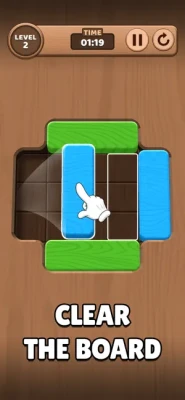
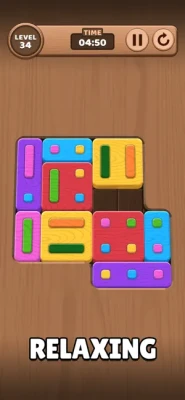
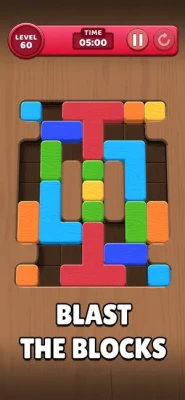
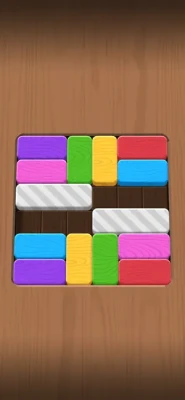
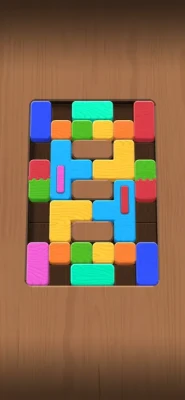
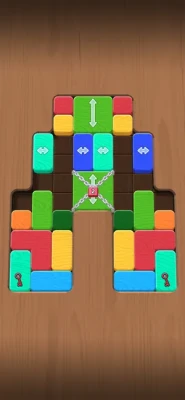
Blasty Stacks is a casual puzzle game developed by Rollic Games. It combines colorful block placement with matching mechanics, asking players to position pieces strategically and clear them by creating valid matches.
The concept is easy to understand, but successful play requires more than placing blocks wherever they fit. Pieces must match in both color and shape to trigger a blast. If the blocks do not meet the matching conditions, they stay on the board and can reduce the space available for future moves.
This creates a puzzle experience built around planning, observation, and efficient board management. Each placement can bring you closer to clearing the board or make the next few moves more difficult.
Blasty Stacks is free to download and includes optional in-app purchases. It is designed for iPhone and iPad, making it suitable for quick puzzle sessions whenever you want a simple game that still encourages thoughtful decisions.
Main Features of Blasty Stacks
Colorful Block-Matching Gameplay
The main attraction of Blasty Stacks is its straightforward matching system. Move blocks around the board and look for opportunities to match pieces that share the required color and shape. Successful matches trigger blasts that remove blocks and create more room.
Shape and Color Recognition
Matching requires attention to two important details: color and shape. Two pieces may look similar because they share a color, but that does not automatically mean they can be cleared together. Checking both characteristics before making a move helps prevent unnecessary clutter.
Strategic Board Management
Space is one of your most valuable resources. Blocks that do not match remain in place, so poorly planned placements can make it harder to position later pieces. Keeping the board organized is essential for completing more difficult levels.
Satisfying Blast Effects
Successful matches remove blocks and give you a visible sense of progress. Clearing several pieces can open new possibilities and make the next part of the puzzle easier to manage.
Increasing Puzzle Challenges
As you progress, you may encounter layouts that require more careful planning. Some levels can be solved with straightforward matches, while others demand a better understanding of the board and the order in which pieces should be placed.
Simple Controls
Blasty Stacks is built around moving and placing blocks. The controls are easy to learn, allowing players to concentrate on matching rules and strategic decisions instead of complicated button combinations.
Free-to-Play Access
The game is free to download, with optional purchases available. Players can begin solving puzzles without making a purchase, although the available paid options may provide additional convenience.
How to Play Blasty Stacks
Understand the Board
Start by examining the blocks already on the board. Notice their colors, shapes, positions, and the amount of free space remaining. A quick inspection can reveal which pieces are easiest to match and which areas could become crowded.
Do not rush into your first placement. Understanding the current arrangement gives you a better chance of choosing a move that supports future matches.
Move and Place Blocks
Move the available blocks into suitable positions on the board. Look for placements that help create a match or prepare the board for a match on a later move.
Avoid placing a block in a position simply because there is enough room. Consider whether that placement will help you clear pieces or create a problem that becomes difficult to solve.
Match the Same Color and Shape
To trigger a blast, the blocks must satisfy the game's matching requirements for both color and shape. Carefully compare the pieces before committing to a placement.
When a valid match occurs, the matching blocks disappear and free up space. This can make it easier to position upcoming pieces and create additional opportunities.
Keep Mismatched Blocks Under Control
Blocks that do not match remain on the board. As a result, every unsuccessful placement can affect the options available later.
Try to avoid creating isolated pieces or filling important spaces with blocks that have no clear matching opportunity. If a placement does not produce an immediate match, make sure it supports a realistic plan for clearing those pieces later.
Clear Space and Continue
After a successful blast, examine the newly opened area. Clearing one group of blocks can create room for other pieces and make previously difficult placements possible.
Continue matching, clearing, and reorganizing the board until you complete the level. If you become stuck, review the board rather than making random placements.
Complete Blasty Stacks Strategy Guide
Plan Before Every Move
The most important habit in Blasty Stacks is to think one or two moves ahead. Before placing a block, consider what the board will look like afterward.
Ask yourself whether the move creates a match, prepares a useful future match, or blocks an important space. If it does none of these things, there may be a better option.
You do not need to predict every possible outcome. Even a short mental check can help you avoid mistakes that would otherwise leave the board crowded.
Match Both Color and Shape
Because the game requires matching colors and shapes, do not rely on color alone. Take a moment to compare the full appearance of the pieces before moving them.
This is especially important when several blocks have similar colors. A quick visual check can prevent you from making a placement that fails to clear anything.
Over time, recognizing compatible pieces will become faster and more natural.
Prioritize Easy, Reliable Matches
When the board offers a clear match, consider taking it before experimenting with a more complicated placement. Removing blocks creates space and may make the rest of the puzzle easier.
However, do not automatically choose the first match you see. If another move opens a much more useful area or prepares several future matches, it may be worth considering first.
The goal is to balance immediate progress with the overall condition of the board.
Protect Valuable Open Spaces
Empty spaces give you flexibility. They allow you to move pieces, position blocks, and respond to new opportunities without being forced into awkward placements.
Avoid filling every available area too early. A crowded board can limit your choices and make it harder to match pieces that arrive later.
Whenever possible, keep useful sections open until you know how they will support your next few moves.
Avoid Creating Isolated Blocks
A block can become a problem when it is placed far from compatible pieces or in a position that is difficult to access. Even if the placement seems harmless at first, it may occupy space needed for a later match.
Before placing a piece, think about where its matching partners could be positioned. If there is no practical way to bring compatible blocks together, reconsider the move.
Keeping pieces near useful matching opportunities can make the board easier to manage.
Work From the Most Restrictive Areas
Some parts of a board may offer fewer placement options than others. These areas deserve extra attention because they can become difficult to use once the board fills up.
If a section has limited space or only a few possible matches, try to solve its problem early. Leave more flexible areas available for pieces that can be placed in several different ways.
This approach reduces the risk of reaching the final part of a level with no useful moves remaining.
Use Every Blast to Reassess the Board
A successful match changes the available space, which can change your best next move. Do not continue following an old plan without checking the updated layout.
After each blast, pause briefly and look for new matches. Consider whether the cleared area makes another placement easier or opens an opportunity that was not available before.
Treating every blast as a chance to reassess helps you respond to the actual board instead of relying on assumptions.
Think About Future Pieces
A move can be useful even when it does not clear blocks immediately, provided it creates a realistic path toward a future match. The important part is knowing why you are making that placement.
Avoid setting up a complicated sequence unless the board offers enough room and the required matching pieces are reasonably accessible. A simple, reliable plan is often better than a risky sequence that depends on several things going perfectly.
Adapt When a Level Becomes Difficult
If a level seems impossible, examine how the board became crowded. Look for the first placement that reduced your options or left a piece without a clear matching path.
On your next attempt, change the order of your moves. Clear restrictive areas earlier, preserve more open space, or choose a different first match.
Some layouts may require experimentation, but each attempt should teach you something about the matching opportunities available.
Best Tips and Tricks for Blasty Stacks
Check Both Matching Requirements
Always compare color and shape before placing blocks. This simple habit prevents many ineffective moves and keeps the board manageable.
Do Not Fill the Board Too Quickly
Empty spaces are useful. Preserve them whenever possible so that you can respond to new blocks and take advantage of future matching opportunities.
Look for More Than One Useful Move
Before committing to a placement, compare the available choices. A move that creates a direct match may be good, but another move could open a more important area or set up a stronger sequence.
Clear Difficult Areas Early
If a section has limited room or fewer matching options, focus on resolving it before the board becomes crowded. Flexible areas can usually be handled later.
Avoid Random Placement
Every block affects the rest of the puzzle. Make sure each move either clears pieces, prepares a future match, or improves the board's overall layout.
Reassess After Every Blast
Once blocks disappear, the board changes. Look for new matches and reconsider your plan instead of automatically repeating your previous approach.
Learn From Unsuccessful Attempts
If you fail to complete a level, identify which placements caused the biggest problems. Adjusting those decisions is more useful than repeating the same sequence without changes.
Take Your Time on Difficult Levels
There is little benefit in rushing a puzzle when one misplaced block can reduce your available space. A few extra seconds of planning can prevent several unnecessary moves.
Common Mistakes to Avoid
Matching by Color Alone
Two blocks may share a color without meeting the shape requirement. Always check both characteristics before making a move.
Ignoring the Remaining Space
A placement may seem useful in isolation but leave the board too crowded for later pieces. Consider how much room will remain after each move.
Making Too Many Unplanned Placements
Random moves can leave mismatched blocks scattered around the board. Build a simple plan and adjust it when the board changes.
Blocking Useful Areas
Filling a valuable open space can remove options that would have helped with later matches. Think carefully before placing blocks in narrow or important sections.
Saving Every Difficult Match for Later
Some parts of the board become harder to manage as more blocks are placed. Address restrictive areas before they become inaccessible.
Ignoring New Opportunities After a Blast
A successful match may create a useful opening elsewhere on the board. Recheck the layout after every clear to avoid missing better moves.
Repeating the Same Failed Approach
If the same strategy repeatedly leaves you stuck, change the order of your placements. Experiment with clearing different areas first and preserving more room for future pieces.
How to Beat Difficult Blasty Stacks Levels
Difficult levels often become challenging because several placement decisions affect one another. The best solution is to break the puzzle into smaller problems rather than trying to solve the entire board at once.
Start by identifying the easiest valid matches. Then look for areas where space is limited or where blocks could become trapped by later placements. Decide which sections need to be cleared first and which can safely wait.
During the level, avoid placing blocks without a clear purpose. If you cannot make an immediate match, make sure the placement supports a future one. After every successful blast, review the board and adjust your plan to use the newly available space.
If you reach a point where no useful move seems possible, consider restarting the level if that option is available. On the next attempt, change the decisions that caused the board to become crowded. A different opening sequence may preserve more space and reveal a more effective solution.
Some players have reported difficulty with particular later levels. If a stage appears unusually restrictive, make sure the game is updated and consider whether a recent update has changed the puzzle or fixed a known issue.
Is Blasty Stacks Free to Play?
Blasty Stacks is free to download and includes optional in-app purchases. The available purchase options may include coin packs, bundles, and an option to remove advertisements.
You can start playing without spending money. If you prefer a free-to-play approach, focus on understanding the matching rules, planning placements carefully, and avoiding unnecessary mistakes.
Before making a purchase, consider whether it provides a benefit you actually need. Better planning and a more organized board can improve your chances of completing puzzles without requiring additional spending.
Is Blasty Stacks Suitable for Casual Players?
Blasty Stacks can be a good fit for casual players who enjoy colorful puzzles, straightforward controls, and short gaming sessions. The basic matching rules are easy to understand, so beginners can start playing without a lengthy tutorial.
At the same time, the requirement to match both color and shape adds a strategic element. Players must think about how each placement affects future moves and how to preserve enough room to continue clearing blocks.
The game may appeal to fans of block puzzles, matching games, and logic challenges who enjoy improving their decisions from one level to the next.
Blasty Stacks FAQ
What is Blasty Stacks?
Blasty Stacks is a casual puzzle game developed by Rollic Games. Players move blocks around a board and match pieces with the same color and shape to make them blast away.
How do you play Blasty Stacks?
Move and place blocks on the board, look for matching colors and shapes, and clear pieces through successful matches. Plan each placement carefully because blocks that do not match remain on the board.
How do you match blocks in Blasty Stacks?
Blocks must satisfy the game's matching requirements for both color and shape. Check both characteristics before placing a piece to avoid creating unnecessary clutter.
Why do some blocks remain on the board?
Blocks that do not form a valid match stay where they are. This means unsuccessful placements can occupy space and reduce the options available for later moves.
What is the best strategy for Blasty Stacks?
Plan ahead, prioritize useful matches, preserve open space, and avoid placing blocks without a clear purpose. Reassess the board after each blast because the best next move may change.
How can I clear the board more efficiently?
Look for reliable matches, avoid isolated pieces, and keep important areas open for future placements. Whenever blocks disappear, use the new space to improve the board's layout.
Is Blasty Stacks free on iPhone and iPad?
Yes. The game is free to download on compatible iPhone and iPad devices, with optional in-app purchases.
Can beginners enjoy Blasty Stacks?
Yes. The controls and basic matching rules are straightforward. New players can start with simple matches and gradually develop more advanced board-management strategies.
What should I do if I get stuck on a level?
Review which placements caused the board to become crowded and try a different move order. Clear restrictive areas earlier, preserve open spaces, and make sure each placement contributes to a useful match or future setup.
Does Blasty Stacks require fast reactions?
The main challenge is strategic planning rather than fast reactions. Taking time to inspect the board and consider the consequences of each placement can help you make better decisions.
Final Thoughts
Blasty Stacks turns a simple block-matching idea into a puzzle experience where every placement can change the outcome. Matching colors and shapes clears the board, but mismatched blocks remain in place, making space management an important part of every level.
To improve your results, plan before placing pieces, protect useful open areas, clear restrictive sections early, and reassess the board after every blast. When a level becomes difficult, learn from the moves that limited your options and try a different approach.
Whether you want a quick casual game or a more thoughtful block puzzle, Blasty Stacks offers an accessible way to test your observation and planning skills one move at a time.
Rate the Game
User Reviews







Popular Games



















 Android
 iOS
 Windows
 Xbox