

Latest Version
October 25, 2024
Kiary Games ltd
Puzzle
0
com.kiarygames.tinydoors
Report a Problem
More About :game
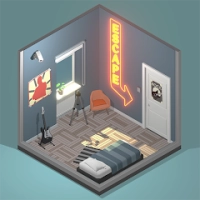
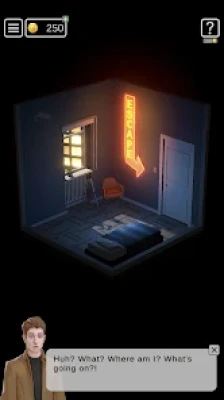
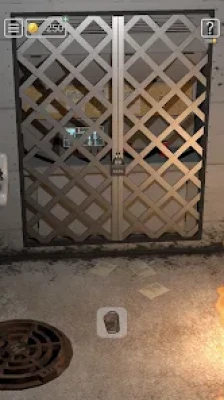
The game features 50 puzzle rooms presented as detailed 3D dioramas. You can rotate the environments to inspect them from different angles, interact with objects, search for clues, and connect seemingly unrelated pieces of information. The story follows five different people whose experiences gradually become connected as you progress.
Whether you enjoy escape room games, detective puzzles, logic challenges, or point-and-click adventures, 50 Tiny Room Escape rewards careful observation more than fast reflexes.
Game Information
Game: 50 Tiny Room Escape
Developer: Kiary Games Ltd
Genre: Puzzle, Escape, Adventure
Gameplay: Point-and-click escape room
Levels: 50 puzzle rooms
Visual style: 3D isometric dioramas
Platform: Android and Windows
Content rating: Teen
Downloads: 1M+
Google Play rating: Around 4.1 stars
Monetization: Ads and in-app purchases
Google Play Pass: Available
Package ID: com.kiarygames.tinydoors
Latest listed update: May 18, 2026
Story and Mystery
The adventure begins with a simple but unsettling question: how did you end up inside a locked room?
Instead of giving you the answer immediately, 50 Tiny Room Escape makes the mystery unfold through exploration. The story involves five different characters, and their situations initially appear unrelated. As more rooms are completed, clues begin connecting their stories and revealing the larger mystery behind the locked rooms.
This structure gives the puzzles a purpose beyond simply finding an exit. Each room becomes another piece of the larger investigation.
How 50 Tiny Room Escape Works
The basic objective is straightforward: escape the room.
Getting there is rarely straightforward.
You need to:
Explore every part of the room.
Rotate the 3D environment.
Find objects that can be interacted with.
Examine suspicious furniture and decorations.
Discover hidden clues.
Combine information from different parts of the room.
Solve codes, riddles, and mechanical puzzles.
Use discovered objects in the correct locations.
Unlock the final exit.
The 3D perspective is particularly important because an object that looks unimportant from one angle may become obvious after rotating the room.
Main Gameplay Features
50 Escape Rooms
The game contains 50 individual puzzle rooms, giving you a substantial sequence of challenges to work through. Each room introduces different combinations of clues, objects, locks, and puzzles.
3D Isometric Environments
Rather than searching a flat screen, you investigate miniature 3D environments. Rotating the room is an essential part of finding clues and understanding how objects fit together.
Point-and-Click Exploration
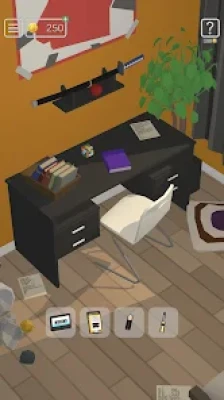
The controls are designed around investigation rather than action. Tap objects, inspect locations, collect useful items, and experiment with the environment.
Logic Puzzles and Riddles
The rooms contain different types of challenges, including code locks, riddles, pattern-based puzzles, object combinations, and environmental clues.
Interactive Objects
Many objects around a room can be examined or manipulated. A piece of furniture, electronic device, decoration, or seemingly ordinary item may be connected to the solution.
Connected Story
Five characters are introduced throughout the adventure. Their stories gradually come together as you progress through the rooms.
50 Tiny Room Escape Strategy Guide
1. Rotate the Room Before Doing Anything Else
One of the easiest mistakes is immediately focusing on the objects directly in front of you.
Rotate the entire room first.
Look at walls, corners, shelves, furniture backs, ceilings, floors, and areas hidden behind objects. The game specifically expects players to inspect rooms from multiple angles.
Best habit: complete one full rotation before attempting a complicated puzzle.
2. Search Every Interactive Object
Don't assume an object is decoration simply because it looks ordinary.
Check:
Drawers
Cabinets
Shelves
Tables
Beds
Chairs
Electronic devices
Boxes
Wall panels
Pictures
Books
Containers
Doors
Escape-room puzzles frequently hide an important item inside something that initially appears unrelated.
3. Look for Clues Before Guessing Codes
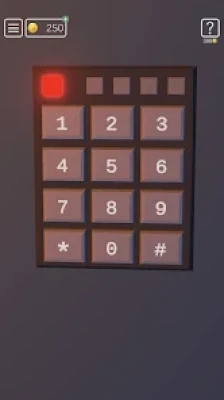
When you find a keypad or combination lock, resist the temptation to randomly test numbers.
Instead, search the room for information that could produce the code.
Look for:
Numbers
Dates
Symbols
Repeated patterns
Pictures
Written notes
Objects arranged in a sequence
Clues displayed on screens
The game frequently asks you to connect information from different parts of the room.
4. Examine Objects More Than Once
A newly discovered item may only become useful after another puzzle has been completed.
If you acquire something that appears useless, don't immediately discard the idea.
Ask:
Where could this object logically belong?
For example, a tool might open something, a remote might activate a device, and a key component may only become useful after finding its missing part.
5. Follow Cause and Effect
Many puzzles are chains rather than isolated problems.
A typical sequence may look like:
Find object → activate device → reveal clue → decode information → unlock container → obtain key → escape.
If you feel stuck, identify the last thing you successfully changed in the room and investigate what that action may have affected.
6. Pay Attention to Visual Patterns
Don't only read written clues.
Look carefully at:
Shapes
Colors
Positions
Object arrangements
Symbols
Lines
Repeated designs
Numbers associated with objects
A visual pattern can be the solution to a completely different-looking puzzle elsewhere in the room.
7. Keep Track of Important Information
If you discover a number, sequence, symbol combination, or unusual clue, remember it.
For longer rooms, it can be useful to write down:
Unsolved codes
Strange symbols
Numbers
Possible combinations
Objects you haven't used
Locations that still need investigation
This prevents you from repeatedly searching the same areas.
8. Don't Force a Puzzle
If a solution doesn't make sense, step away from it.
Instead of trying dozens of combinations, continue exploring.
Another object may provide the missing information needed to solve the puzzle.
This is especially useful because some rooms contain several puzzles that gradually provide clues for one another.
9. Revisit Previously Examined Areas
Finding a new item can change how you interpret an old location.
If you discover a key, tool, code, or electronic device, revisit areas you already inspected.
Something that appeared meaningless earlier may now have an obvious purpose.
10. Think Like a Detective
The best approach is not to click everything randomly.
Ask questions:
Why is this object here?
Why can I interact with this item?
Where could this tool be used?
What information does this symbol provide?
Which object has not yet been explained?
What changed after I activated that device?
Thinking logically is usually faster than random experimentation.
Beginner Tips for 50 Tiny Room Escape
If you're just starting, use this simple routine for every room:
Step 1: Rotate the entire room.
Step 2: Inspect every obvious interactive object.
Step 3: Collect anything that looks useful.
Step 4: Look for numbers, symbols, patterns, and written clues.
Step 5: Identify locked objects and exits.
Step 6: Match your collected items to places where they could logically be used.
Step 7: Solve the easiest puzzle first.
Step 8: Use newly revealed information to tackle the harder puzzle.
Step 9: Recheck the room after every major action.
Step 10: Only use a walkthrough when you have genuinely exhausted your own ideas.
How to Get Better at the Harder Puzzles
The difficulty in 50 Tiny Room Escape comes less from complicated controls and more from recognizing relationships between clues.
When a puzzle seems impossible, divide it into smaller questions.
For example:
What do I know?
You may have a locked box and three symbols.
What don't I know?
You don't know the correct order.
Where could the missing information be?
Search the room for those symbols.
What changes when the symbols are found?
Their position, color, number, or surrounding objects may provide the required sequence.
This approach is much more reliable than guessing.
What Makes the 3D Perspective Important?
The isometric presentation is more than a visual choice.
It directly affects puzzle solving.
An object may be hidden behind another object, positioned on a different side of furniture, or difficult to recognize until the room is rotated. The official Google Play description specifically notes that rooms can and should be rotated to inspect them from another angle.
So, when stuck, rotate before you assume the solution is difficult.
50 Tiny Room Escape Walkthrough Approach
A complete room-by-room walkthrough can reveal every solution, but using it immediately can remove much of the satisfaction from an escape-room game.
A better approach is:
First attempt: Solve the room independently.
Second attempt: Search for the missing clue if you know what type of information you need.
Third attempt: Look for a hint or walkthrough for only the puzzle that is blocking your progress.
Final option: Follow a complete walkthrough if you simply want to experience the story without getting stuck.
There are published walkthroughs covering individual acts and chapters, including detailed solutions for the early rooms.
Early Room Example: Perception
The opening room demonstrates the type of thinking the game expects.
A detailed walkthrough of the first chapter describes rotating the room, activating the light, searching for hidden cards, finding tools and objects, using a charger, interacting with a microwave and television, and combining information from several objects before reaching the exit.
The important lesson isn't simply memorizing the solution.
It's recognizing the puzzle structure:
Explore → collect → activate → observe → connect clues → unlock → escape.
That same mindset becomes useful throughout the game.
Characters and Acts
The 50 rooms are organized around different characters and sections of the story.
The first ten chapters focus on Peter, while the following act introduces Camilla. Gameplay walkthroughs identify chapters such as Perception, Youth, The Call, Gambling, Heat It Up, Reflection, Catch, The Movie, Remote, and Luck in the first act.
The second act continues with chapters including Insight, Scheme, Authority, Care, Entertainment, Tableware, Convenience, Melody, Flow, and Unlock.
This structure helps the 50 rooms feel like parts of a larger adventure rather than unrelated escape challenges.
Ads, Purchases and Availability
The current Google Play listing identifies 50 Tiny Room Escape as containing ads and in-app purchases. It also indicates that the game is available on Android and Windows, with Google Play Pass availability listed.
The Google Play listing describes the game itself as free to play and states that completing the rooms does not require in-app purchases.
Is 50 Tiny Room Escape Worth Playing?
If you enjoy escape room games, logic puzzles, detective adventures, riddles, and point-and-click exploration, 50 Tiny Room Escape offers a substantial collection of rooms to investigate.
Its strongest feature is the combination of a miniature 3D world with traditional escape-room logic. Instead of simply searching a static screen, you physically inspect the environment from different angles and gradually work out how its objects connect.
The story also gives the puzzles a larger purpose, with five characters whose seemingly separate experiences become connected as the adventure progresses.
Pros and Cons
Pros
50 puzzle rooms
Detailed 3D environments
Rooms can be rotated and examined from different angles
Lots of interactive objects
Combination of escape-room and point-and-click mechanics
Different puzzle types
Mystery-driven story
Five connected characters
Suitable for players who enjoy logical problem solving
Cons
Some puzzles can require considerable trial and observation
Players who prefer fast-paced gameplay may find the investigation slow
Some solutions can be difficult to recognize without careful examination
Ads and optional in-app purchases are part of the current Google Play listing
Frequently Asked Questions
What is 50 Tiny Room Escape?
50 Tiny Room Escape is a puzzle adventure game from Kiary Games that combines classic escape-room mechanics with point-and-click quests. It contains 50 3D puzzle rooms.
How many rooms are in 50 Tiny Room Escape?
There are 50 puzzle rooms in the game.
Is 50 Tiny Room Escape free?
The Google Play listing describes the game as free and lists ads and in-app purchases. It also states that the rooms can be completed without needing in-app purchases.
Can you rotate the rooms?
Yes. Rotating the 3D rooms is an important part of gameplay because clues and interactive objects can be easier to find from different angles.
Is 50 Tiny Room Escape available on PC?
Yes. Google Play currently lists Windows availability, including Google Play Games on PC.
What type of game is 50 Tiny Room Escape?
It is a puzzle and escape game combining room-escape mechanics with point-and-click adventure gameplay.
How do I solve difficult rooms?
Search the entire environment, rotate the room, inspect interactive objects, record numbers and symbols, and look for relationships between clues. Avoid guessing codes until you've found evidence for the combination.
YouTube Gameplay
For players who want to see the game in action, this 50 Tiny Room Escape Act 1 gameplay walkthrough covers the opening ten chapters, including Perception, Youth, The Call, Gambling, Heat It Up, Reflection, Catch, The Movie, Remote, and Luck.
A separate Act 2 walkthrough covers chapters 11–20 and continues the story with Camilla.
Final Tips
The biggest advantage you can have in 50 Tiny Room Escape is patience.
Don't rush through a room. Rotate it, inspect everything, remember unusual details, and think about why each interactive object exists. When you find a new clue, consider whether it explains something you previously couldn't understand.
Most importantly, don't treat every puzzle as a standalone challenge. The solution to one part of the room often provides the information needed to solve another.
With careful observation and logical thinking, the 50 rooms become a satisfying chain of small mysteries leading toward the game's larger story.
Rate the Game
User Reviews












Popular Games



















 Android
 iOS
 Windows
 Xbox