
Latest Version
September 26, 2026
Neptune Corp.
Role Playing
Android
0
com.neptune.windtrace
Report a Problem
More About :game
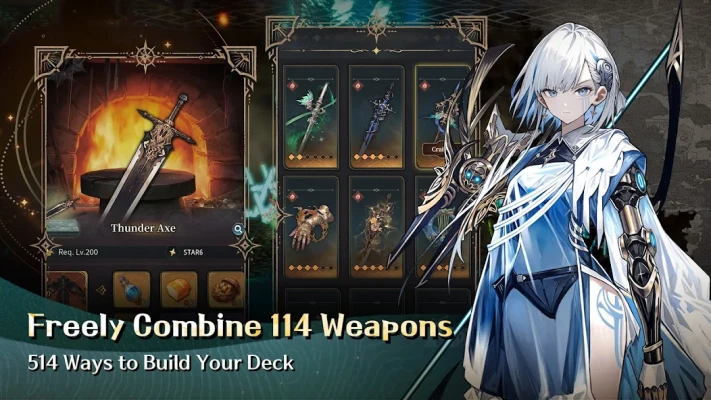
The game focuses on collecting heroes, creating customized teams and using their abilities effectively in combat. Rather than relying entirely on raw character strength, players need to consider elemental counters, skill combinations and team composition when facing stronger enemies.
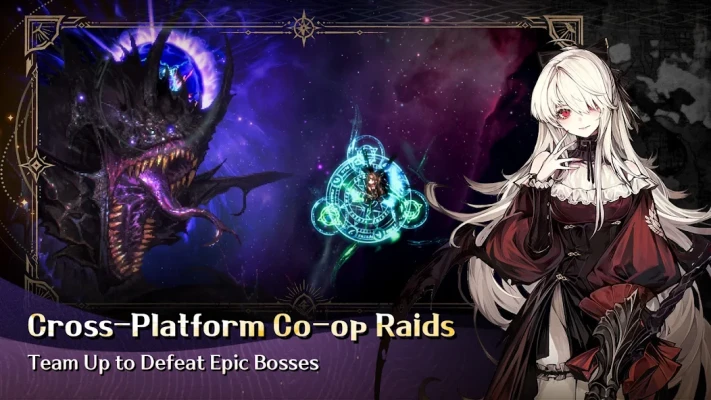
Wind Trace also features cooperative dungeons, allowing players to team up with others against difficult enemies. Its broader RPG experience combines character collection, progression, strategic combat and an immersive fantasy storyline.
What Is Wind Trace?
Wind Trace is a fantasy RPG and hero-collection game built around strategic team battles.
The game's central progression loop is:
Collect heroes → build a team → develop your characters → exploit elemental matchups → combine skills → defeat enemies → progress through the fantasy world.
The Google Play description emphasizes that every hero has a distinct background and personality, while their unique skills can be used to shape different teams and combat strategies.
Wind Trace Story and World
The game takes place in a broad fantasy world where the traces of the wind are connected to hidden secrets.
Players follow the journey through a world filled with distinctive characters and gradually uncover the mysteries surrounding the setting.
The story is an important part of the experience rather than simply serving as a backdrop for battles. The Google Play description presents the journey as an exploration of a larger fantasy world where the characters help reveal its secrets.
Wind Trace Gameplay
The gameplay revolves around building a strong group of heroes and using their abilities intelligently.
Three major factors determine how effectively your team performs:
- Elemental counters
- Skill combinations
- Team composition
These systems mean that simply selecting the heroes with the highest individual strength may not always be the most effective approach.
Instead, consider how the members of your team work together.
Wind Trace Hero Collection
Hero collection is one of the game's primary systems.
The Google Play description emphasizes that the game contains many distinctive heroes with their own backgrounds, personalities and specialized skills.
When collecting heroes, consider more than appearance or individual power.
Look at:
- Element
- Combat role
- Skill effects
- Compatibility with your existing team
- Potential combinations with other heroes
- Usefulness against particular enemies
A hero that does not fit your primary team can still become valuable when a particular elemental matchup or combat situation requires a different lineup.
How to Build a Wind Trace Team
A good team should have complementary strengths.
Instead of putting several similar heroes together, consider creating a formation where different characters have distinct purposes.
A basic approach is:
Damage + Support + Defense/Utility
Then adapt the lineup according to the enemy.
For example, if a difficult opponent has an elemental weakness, replace a less suitable hero with a character that can exploit that advantage.
The game's combat system specifically emphasizes elemental counters and team configuration.
Wind Trace Elemental Strategy
Elemental counters are one of the most important strategic systems in Wind Trace.
When facing a difficult opponent, do not immediately assume that you simply need more power.
First ask:
Does my team have the appropriate elemental matchup?
If the answer is no, changing your lineup may be more useful than repeatedly upgrading the same characters.
Beginner Element Strategy
Before each difficult battle:
- Identify the enemy's relevant element.
- Check which heroes in your collection can exploit the matchup.
- Replace poorly matched characters where appropriate.
- Consider how the new hero's skills interact with your team.
- Test the new composition.
- Adjust again if necessary.
This creates a more flexible approach to progression.
Wind Trace Skill Combinations
Hero skills should not be viewed independently.
A powerful team can emerge when one hero's ability creates an opportunity for another hero to exploit.
When experimenting with your lineup, ask:
- Does one skill improve another hero's effectiveness?
- Can multiple abilities be used together?
- Does the team have enough damage?
- Does it have sufficient support?
- Can the combination take advantage of the enemy's elemental weakness?
The Google Play listing specifically identifies skill combinations as one of the factors that determine victory.
Wind Trace Beginner Guide
1. Learn Your Heroes
Do not rush to upgrade every character.
First understand what each hero contributes to the team.
2. Build a Core Team
Choose a small group of heroes that work well together and focus your early progression around them.
3. Pay Attention to Elements
Elemental matchups can change the outcome of difficult battles.
Always check the enemy before committing to a team.
4. Experiment With Skills
Try different combinations rather than assuming that every hero should be used independently.
5. Do Not Ignore Team Composition
A collection of individually strong heroes is not automatically a balanced team.
Look for complementary roles.
6. Change Your Team When You Are Stuck
If the same lineup repeatedly fails, change something.
Try a different hero, elemental matchup or skill combination.
7. Develop Your Roster Gradually
Keep additional heroes available for situations where your primary team is poorly matched.
8. Explore the Story
The fantasy storyline is part of the game's broader experience, so progressing through the narrative can help you discover more of its world and characters.
Wind Trace Combat Strategy
Combat rewards preparation.
Before entering a difficult encounter, consider three questions:
Who should I use?
Choose heroes suited to the enemy.
How should I combine them?
Look for useful skill interactions.
What elemental advantage can I exploit?
Use the game's elemental counter system to improve your matchup.
This three-step process gives you a much stronger foundation than simply selecting your highest-powered characters.
Advanced Wind Trace Team Building
Build Around Synergy
When two heroes complement each other's skills, their combined value can be greater than simply using two powerful but unrelated characters.
Maintain Flexibility
Do not create only one team and ignore the rest of your roster.
Different enemies can require different solutions.
Prepare Counter Teams
As your hero collection expands, maintain alternative lineups for different elemental situations.
Avoid Over-Investing Too Early
Concentrating resources on a reliable core team can make progression more manageable than spreading everything across a large number of characters.
Revisit Older Heroes
A hero that seems less useful early on may become valuable when a particular matchup or team combination becomes important.
Wind Trace Cooperative Dungeons
Wind Trace includes cooperative dungeons, allowing players to work with teammates against powerful enemies.
Cooperative play changes the way you should think about team building.
Instead of asking only:
"How much damage can my team deal?"
also consider:
"What does my team contribute to the group?"
A cooperative team can benefit from complementary roles rather than several players attempting to perform exactly the same function.
Wind Trace Co-op Tips
Coordinate Your Teams
If possible, avoid having every player bring an identical lineup.
Different strengths can make the overall group more versatile.
Communicate Before Difficult Battles
Discussing team roles before a challenging dungeon can prevent unnecessary overlap.
Consider Elemental Matchups
The same elemental strategy that works in regular combat can also matter in cooperative content.
Combine Skills
Look for opportunities where abilities from different players can work together.
Support the Team
A player who contributes useful utility or support can be valuable even if they are not producing the highest individual damage.
Wind Trace Progression Guide
A simple progression routine is:
Collect heroes → strengthen your core team → progress through story content → unlock additional characters and systems → adjust your team for difficult encounters → participate in cooperative content.
When progression slows down, avoid automatically assuming that you need to grind power.
First check your team composition and elemental matchup.
A strategic change may solve a problem that a large amount of additional upgrading would not.
Common Wind Trace Mistakes
Using Only Your Strongest Heroes
Individual power does not replace team synergy.
Ignoring Elements
The game explicitly makes elemental counters part of its combat system.
Using Skills Independently
Look for combinations between abilities.
Never Changing Your Team
Different encounters may require different compositions.
Spreading Resources Too Thin
Developing too many heroes simultaneously can slow the development of your main team.
Ignoring Cooperative Content
Co-op dungeons provide another way to experience the game and test team-building skills.
Wind Trace Features
Hero Collection
Collect a large roster of distinctive fantasy heroes, each with their own stories and abilities.
Strategic Combat
Victory depends on elemental counters, skill combinations and team composition.
Unique Hero Skills
Heroes bring different abilities that can be combined to create specialized teams.
Cooperative Dungeons
Team up with other players to challenge difficult enemies.
Fantasy Story
Explore a large fantasy world and uncover its secrets.
Character-Driven Adventure
Individual heroes have their own backgrounds and personalities, adding more depth to the collection system.
Character Progression
Develop your heroes over time and create increasingly effective teams.
Wind Trace Tips and Tricks
Tip 1: Check elemental matchups before difficult battles.
Tip 2: Build teams around complementary skills.
Tip 3: Keep alternative heroes available for counter teams.
Tip 4: Focus early resources on a reliable core group.
Tip 5: Do not assume the highest-power hero is always the best choice.
Tip 6: Experiment with different team compositions.
Tip 7: Use cooperative dungeons to practice team synergy.
Tip 8: Consider what your team contributes to co-op rather than focusing only on personal damage.
Tip 9: When stuck, change your lineup before simply repeating the same battle.
Tip 10: Continue developing your roster so you have more options against different enemies.
Is Wind Trace Difficult?
Wind Trace is designed around strategic decision-making rather than simply overwhelming enemies with raw power.
The Google Play description explicitly emphasizes that elemental counters, skill combinations and team composition can determine victory.
This means difficulty can often be approached by changing the way your team works rather than simply increasing its overall level.
Is Wind Trace a Multiplayer RPG?
Wind Trace combines character collection and RPG progression with cooperative multiplayer content.
Its cooperative dungeons allow players to work together against challenging enemies.
The game can therefore appeal to players who enjoy both solo progression and cooperative RPG activities.
Is Wind Trace Worth Playing?
Wind Trace combines several familiar fantasy RPG systems—hero collection, character progression, elemental combat and skill-based team building—with cooperative dungeon content.
Its main strategic focus is building teams that work together rather than relying entirely on individual hero strength. Elemental counters and skill combinations give players reasons to experiment with their roster as they encounter different challenges.
Players who enjoy fantasy RPGs, hero collectors, strategic team battles and cooperative dungeon gameplay will find the game's systems particularly relevant.
Wind Trace FAQ
What is Wind Trace?
Wind Trace is a fantasy collection RPG from Neptune Corp. featuring hero collection, strategic combat, elemental counters, skill combinations and cooperative dungeons.
Is Wind Trace an RPG?
Yes. Google Play categorizes the game as a Role Playing title.
Does Wind Trace have hero collection?
Yes. Collecting distinctive heroes is one of the game's main features. Heroes have their own backgrounds, personalities and skills.
Does Wind Trace have elemental combat?
Yes. Elemental counters are specifically highlighted as an important part of its combat system.
Does Wind Trace have team building?
Yes. Team composition and skill combinations are central parts of the game's strategic combat.
Does Wind Trace have co-op?
Yes. The game features cooperative dungeons where players can team up against powerful enemies.
What should beginners focus on in Wind Trace?
New players should learn their heroes, develop a reliable core team, pay attention to elemental matchups and experiment with skill combinations.
How do I beat difficult enemies in Wind Trace?
Start by checking your elemental matchup and team composition. If the current lineup repeatedly fails, try different heroes and skill combinations rather than relying solely on higher character power.
Wind Trace Quick Strategy Guide
- Build a balanced core team.
- Learn the strengths of every hero you recruit.
- Check elemental matchups before difficult battles.
- Combine complementary skills.
- Keep alternative heroes available.
- Do not rely only on character power.
- Change your lineup when a battle repeatedly defeats you.
- Build teams around specific encounters when necessary.
- Coordinate with teammates in cooperative dungeons.
- Consider support and utility alongside damage.
- Continue expanding your roster to increase your strategic options.
Final Thoughts
Wind Trace is a fantasy RPG built around the relationship between heroes, elements, skills and team composition.
Its collection system gives players a growing roster to develop, while elemental counters and skill combinations make team-building an important part of combat. Cooperative dungeons add another dimension by allowing players to combine their teams against stronger enemies.
For beginners, the most useful habit is to stop thinking of every battle as a simple power check. Study the enemy, choose the appropriate heroes, exploit elemental advantages and build a team whose skills work together.
Rate the Game
User Reviews












Popular Games
















 Android
 iOS
iOS Windows
 Xbox
Xbox