
Latest Version
August 29, 2025
Gem Jam
Simulation
0
com.cobragames.subway
Report a Problem
More About :game
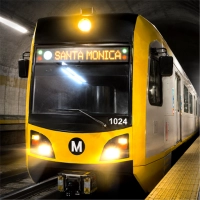
The game combines train driving with railway management and tycoon-style progression. Whether you enjoy operating locomotives or building transportation networks, it offers a range of activities centered on keeping the city's underground railway moving.
About Train Simulator: Subway, Metro
In Train Simulator: Subway, Metro, you take responsibility for an underground railway system that needs a capable driver and manager. Passengers are waiting at stations, trains need maintenance, and the network requires expansion. Your job is to operate the trains safely while earning enough money to improve the railway.
The experience combines several gameplay elements:
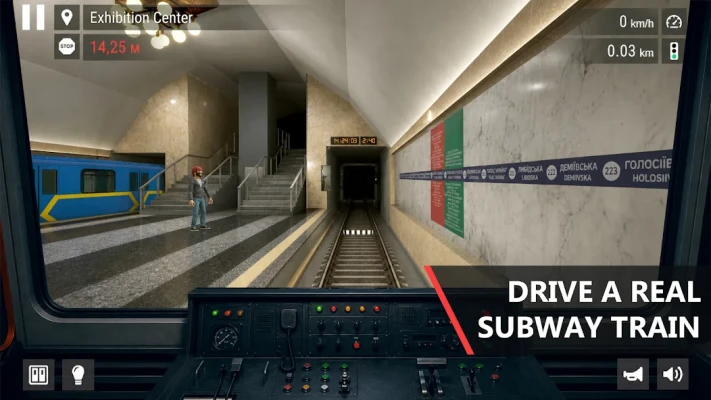
Train driving: Control a subway train from its driver's cab using available controls and indicators.
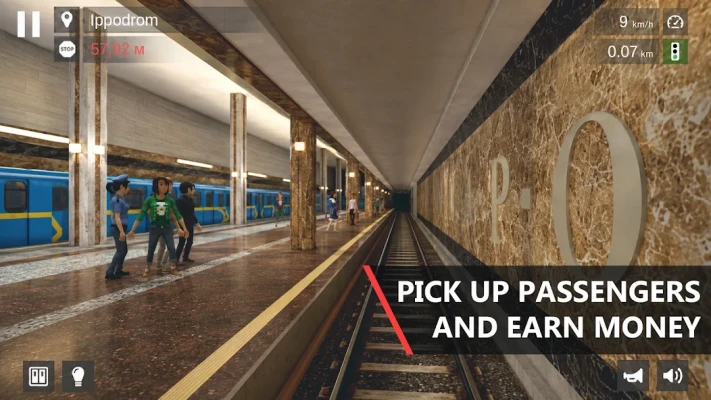
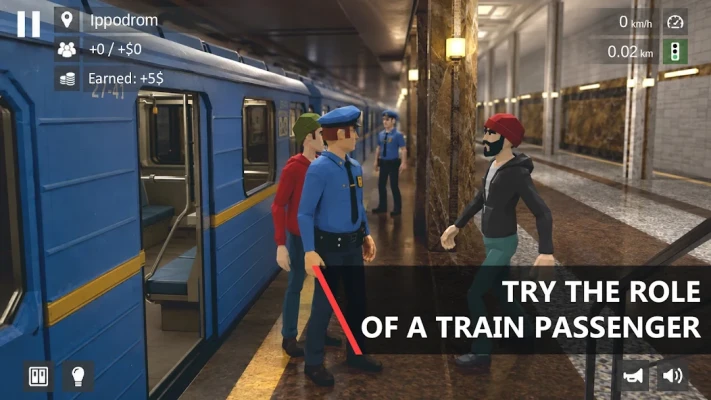
Passenger transportation: Stop at stations, allow passengers to board and leave, and continue along the route.
Train maintenance: Repair and improve your vehicles to keep the fleet in good condition.
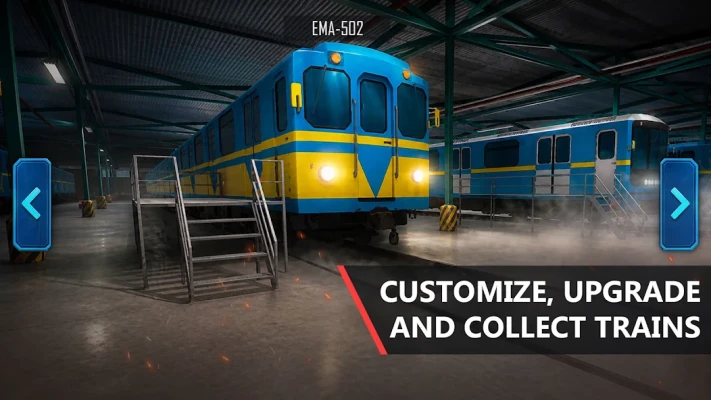
Fleet development: Earn money to acquire additional train models.
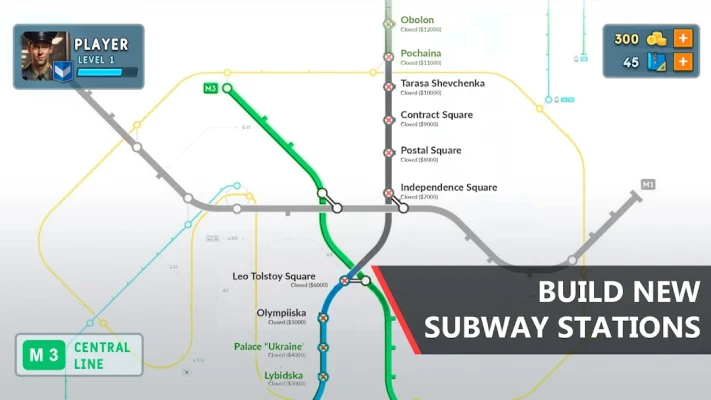
Station construction: Expand the subway by opening new stations and developing railway lines.
Progression and achievements: Complete objectives and work toward in-game achievements and recognition.
The game also features 3D environments and underground railway settings inspired by real metro systems.
Main Gameplay Features
Realistic Subway Driving
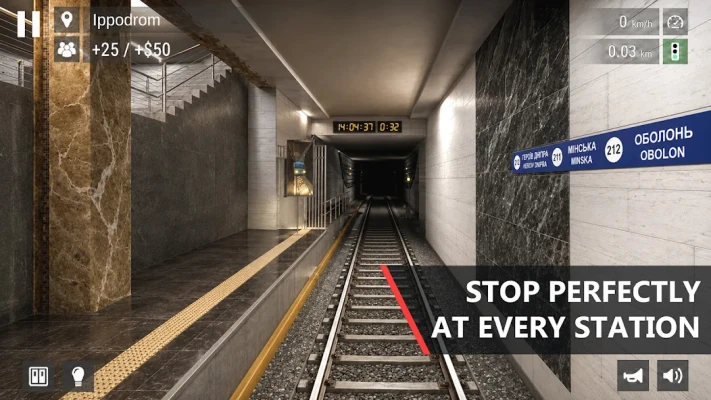
The central activity is operating a metro train from its cab. You need to understand the available controls, monitor your progress, and manage acceleration and braking.
Unlike an ordinary arcade racing game, successful driving depends on controlling the train carefully. You must pay attention to upcoming stations and bring the vehicle to a suitable stop so passengers can use the service.
Passenger Transportation
Passengers are the foundation of your railway business. They rely on your trains to reach their destinations, and completing journeys helps generate the income needed to develop the network.
A successful trip requires more than simply moving forward. You need to follow the route, stop at the appropriate stations, and avoid rushing through important checkpoints.
Train Upgrades and Repairs
Your railway fleet needs regular attention. The game allows you to improve train performance and maintain vehicles as your network grows.
Available upgrade areas include:
Engine improvements
Maximum speed
Braking performance
Passenger capacity through additional carriages
Train appearance and customization
These improvements help prepare your vehicles for more demanding operations.
Multiple Train Models
Collecting different trains is an important part of long-term progression. The listed fleet includes models such as:
EMA-502
81-717/714
81-540.2/541.2
E-KM
Additional models may become available through future updates, so the selection can change over time.
Build and Expand Subway Stations
The railway begins with a limited number of available stations. As you earn money, you can open additional stations and expand the underground network.
New stations give passengers more destinations and can increase the earning potential of your transportation system. This creates a management challenge alongside the driving experience.
Achievements and Rewards
The game includes achievements and recognition rewards for players who make progress as subway drivers. These objectives provide additional goals beyond completing regular passenger journeys.
Offline Gameplay
The game is presented as an offline subway simulator, allowing players to enjoy its main railway activities without requiring a continuous internet connection.
Train Simulator: Subway, Metro Strategy Guide
Getting Started
Learn the Driver's Controls First
Your first priority should be understanding how the train operates. Spend time becoming familiar with the acceleration, braking, door controls, and available indicators.
Avoid immediately trying to drive at maximum speed. A controlled journey is more valuable than a fast trip that ends with a poorly executed station stop.
Practice these basic actions:
Accelerate gradually when leaving a station.
Watch the route and prepare for upcoming stops.
Reduce speed before reaching a platform.
Use the braking controls carefully.
Open and close the doors at the appropriate time.
Check that the train is ready before continuing.
Once these actions become familiar, operating longer routes should feel much easier.
How to Complete Passenger Journeys Successfully
Passenger transportation is one of the most important ways to earn money and develop your railway.
Start by checking the route and identifying the next station. As the train approaches its destination, reduce speed early rather than waiting until the last moment.
A useful approach is to divide every journey into three stages.
Leaving the station
Make sure the doors are closed and the train is ready to move. Accelerate smoothly instead of immediately applying maximum power.
Traveling between stations
Monitor your speed and pay attention to the distance remaining. Avoid unnecessary braking or sudden changes in acceleration.
Arriving at the platform
Begin slowing down before reaching the station. Aim for a controlled stop that allows passengers to board and leave comfortably.
Following this routine helps you develop consistent driving habits and reduces mistakes.
How to Earn Money More Efficiently
Money is essential because it supports train upgrades, repairs, new vehicles, and station construction.
To improve your earnings:
Complete available passenger journeys regularly.
Keep your trains in good operating condition.
Expand your station network when you can afford it.
Invest in improvements that support more effective transportation.
Avoid spending all your money on cosmetic changes before improving essential equipment.
Revisit your available upgrades as your income increases.
The most useful approach is to balance immediate earnings with investments that improve future performance.
Best Train Upgrade Strategy
Not every improvement needs to be purchased immediately. Focus on upgrades that make your daily railway operations more reliable.
Improve the Engine
Engine improvements support train performance and can make journeys more manageable. Consider engine upgrades when your current vehicle feels underpowered or when you are preparing to operate more demanding routes.
Increase Maximum Speed
Speed improvements can help reduce travel time, but they should not be your only priority.
A faster train still requires careful braking and accurate station stops. Improve speed gradually while developing your driving skills.
Upgrade the Brakes
Braking performance is particularly important in a subway simulator. Stronger braking can make it easier to control the train when approaching stations.
For players who frequently overshoot platforms, improving the braking system is a sensible investment.
Add More Carriages
Additional carriages increase passenger capacity. This is useful when you want your train to accommodate more passengers and support the growth of your transportation business.
Maintain Your Fleet
Do not ignore repairs while focusing on upgrades. A growing railway requires dependable vehicles, and maintenance should remain part of your regular management routine.
How to Expand Your Subway Network
Station construction is one of the most important long-term activities.
At the beginning, your railway has only a limited selection of stations. As you accumulate money, you can gradually unlock more locations and increase the size of your network.
A practical expansion strategy includes:
Develop your existing railway before making expensive investments.
Save enough money to cover important train improvements.
Open additional stations when your finances allow it.
Consider the potential income from every new station.
Continue maintaining your trains as the network becomes larger.
Expanding too quickly can leave you without enough money for essential repairs and upgrades. A balanced approach is more sustainable.
How to Choose the Right Train
Different train models offer variety and give you additional vehicles to collect.
When deciding which train to acquire, consider your current progress and available resources.
Think about the following factors:
Whether you can comfortably afford the vehicle.
Whether its performance suits your current routes.
Whether additional passenger capacity would be useful.
Whether you have enough money left for maintenance.
Whether purchasing it will delay an important station expansion.
Do not purchase a new train simply because it is available. Make sure it supports your overall railway development plan.
Advanced Driving Tips
Brake Before Reaching the Station
One of the most common driving mistakes is waiting too long before slowing down. Trains require careful speed management, so begin braking while you still have enough distance to adjust.
Avoid Unnecessary Acceleration
Constantly accelerating and braking makes train operation less controlled. Try to maintain a steady speed whenever the route allows it.
Pay Attention to the Distance Indicator
If the driver's interface provides distance information, use it to estimate when you should begin slowing down. This is especially useful when approaching stations at higher speeds.
Keep Your Journeys Consistent
Developing a repeatable driving routine makes the game easier to manage. Use similar acceleration and braking habits on familiar routes instead of changing your approach every time.
Balance Driving and Management
Do not focus exclusively on operating trains. Your railway also needs upgrades, repairs, and additional stations.
Good progress comes from combining careful driving with sensible financial decisions.
Common Mistakes to Avoid
Driving too quickly into stations
Excessive speed makes accurate stops more difficult. Reduce speed early and approach platforms carefully.
Ignoring braking upgrades
Better acceleration is useful, but braking is equally important. A train that moves quickly but cannot stop reliably will create unnecessary problems.
Spending money without a plan
Purchasing every available upgrade can slow your progress. Prioritize improvements that support your current needs.
Expanding before your finances are ready
Opening new stations is exciting, but expansion should not leave your trains without sufficient maintenance or performance improvements.
Forgetting passenger operations
The purpose of the railway is to transport passengers. Make completing journeys a regular part of your gameplay rather than concentrating only on construction.
Ignoring the driver's interface
Speed and distance information can help you make better decisions. Pay attention to the available indicators instead of relying entirely on visual judgment.
Is Train Simulator: Subway, Metro Worth Playing?
Train Simulator: Subway, Metro is a suitable choice for players who enjoy train driving, railway management, and transportation-building games.
Its combination of passenger journeys, train upgrades, vehicle collection, and station expansion gives players several ways to develop their underground railway. The experience is not limited to driving from one platform to another because earning money and improving the subway system are also important parts of progression.
Players who prefer fast arcade action may find its slower driving style less exciting. However, those who enjoy operating vehicles, maintaining equipment, and gradually developing a transportation network may appreciate its approach.
Frequently Asked Questions
What is Train Simulator: Subway, Metro?
It is a 3D railway simulation game in which players drive underground trains, transport passengers, upgrade vehicles, and expand subway stations.
Can you upgrade trains?
Yes. The game includes improvements for areas such as engine performance, speed, braking, and passenger capacity.
Can you repair and customize trains?
Yes. Train maintenance and customization are among the game's main management activities.
Can you unlock different train models?
Yes. The game features several train models, including EMA-502, 81-717/714, 81-540.2/541.2, and E-KM.
Can you build new subway stations?
Yes. You can use your earnings to open additional stations and expand the underground railway network.
Does the game have achievements?
Yes. The game listing describes 34 achievements and six recognition plaques.
Can you play without an internet connection?
The game is described as an offline simulator, so its main gameplay is designed to be available without a continuous internet connection.
What is the main objective?
Your main objective is to operate trains, transport passengers, earn money, improve your fleet, and develop a larger subway system.
Final Thoughts
Train Simulator: Subway, Metro combines train operation with railway development in a 3D simulation environment. Players must learn to control their vehicles, manage station stops, transport passengers, and invest their earnings wisely.
The best strategy is to build a reliable foundation before expanding too quickly. Learn the driving controls, improve essential train systems, maintain your vehicles, and gradually open new stations. With careful planning, you can develop a more efficient underground railway and make steady progress toward becoming a successful subway operator.
Rate the Game
User Reviews











Popular Games

















 Android
 iOS
 Windows
 Xbox