





Latest Version
August 19, 2026
Ares Interactive, Inc.
Role Playing
iOS
0
Report a Problem
More About :game
The Walking Dead: Aftermath is an action-focused survival game set in the universe of AMC's The Walking Dead. Instead of simply following one character, the game lets players build a roster of survivors and develop them over time.
The core experience combines:
- Zombie and walker combat
- Survivor recruitment
- Character upgrades
- Weapon and ability progression
- Base Camp development
- Campaign missions
- Boss battles
- Challenge modes
- Alliance features
- Replayable progression
Every mission can become a test of positioning, timing, survivor selection, and resource management.
Story and Setting
The game takes players into a world where society has collapsed and survival has become the only priority. The journey begins around Atlanta, where a struggling group attempts to establish a safe camp while dealing with relentless walker attacks and dangerous human enemies.
The setting draws heavily from the recognizable atmosphere of The Walking Dead, while the gameplay creates its own mobile-focused adventure. Players gradually encounter new threats and locations as they progress through the campaign.
Gameplay Overview
The Walking Dead: Aftermath combines accessible action combat with long-term progression.
During missions, players battle groups of walkers and other enemies while collecting rewards and developing their survivors. As the difficulty increases, simply attacking everything in sight becomes less effective. Building an appropriate squad and improving the right abilities becomes increasingly important.
The game is particularly suited to players who enjoy short combat sessions followed by character upgrades, base management, and another attempt at tougher content.
Fight Massive Walker Hordes
Walkers are the most recognizable threat in the game, but they are not all identical.
Players can encounter different walker variants, including armored and burning enemies, as well as other specialized threats introduced through campaign and challenge content. The increasing variety forces players to adjust their approach rather than relying on one attack pattern.
Human enemies also create additional pressure, making encounters more varied than traditional zombie-only battles.
Play as Iconic Survivors
One of the biggest attractions is the ability to play with familiar characters from The Walking Dead universe.
The current roster includes characters such as:
- Rick Grimes
- Daryl Dixon
- Michonne
- Glenn
- Maggie
- Additional survivors introduced through ongoing updates
Each survivor brings individual weapons, skills, and Ultimate Abilities. This makes team composition an important part of progression.
Build and Upgrade Your Base Camp
Survival is not limited to combat.
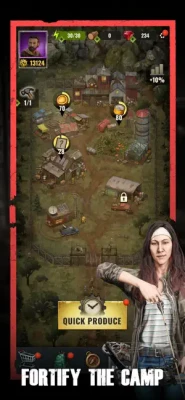
Your Base Camp acts as an important part of the progression system. Buildings can be constructed and upgraded to generate resources, improve your survivors, and provide useful bonuses.
Players can also assign survivors to camp responsibilities. Choosing which characters should fight and which should support the camp creates another layer of strategic decision-making.
Game Modes
The game offers several modes designed to keep the experience varied:
Campaign
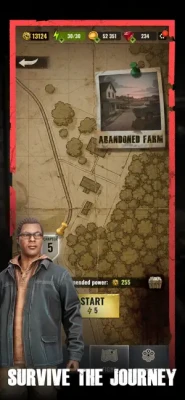
The main campaign takes players through different locations, enemies, encounters, and boss battles while providing the primary progression path.
Boss Arena
Boss Arena challenges players to defeat powerful enemies while testing the strength and composition of their survivor squad.
Star Challenges
These challenges add additional objectives and progression goals for players looking to get more from completed content.
Survivor Trials
Survivor Trials provide a dedicated challenge experience with modifiers and progression tracking.
Lumber Run
Lumber Run offers another way to earn resources while developing your survivors and camp.
Alliance Defense
Alliance Defense introduces a social element where players can work with other survivors and compete for rewards.
The worldwide launch also introduced Campaign, Boss Arena, Star Challenges, Survivor Trials, Lumber Run, and Alliance Defense as key game modes.
Survivor Progression
Building a strong survivor roster is central to the game.
Players can recruit survivors and improve their abilities as they advance. Upgrading characters, equipment, skills, and other progression elements gradually increases combat power.
A good progression strategy is not simply about making one character as powerful as possible. Building a balanced roster gives you more options when facing different enemies and game modes.
Weapons and Abilities
Combat survivors have different weapons and Ultimate Abilities. These differences make character selection meaningful.
A survivor who excels at close-range combat may be useful against certain groups of enemies, while a ranged specialist can provide safer damage from a distance.
Learning how each character works is therefore just as important as increasing their numerical power.
How to Play
1. Choose Your Survivors
Select a squad that complements the mission and your preferred combat style.
2. Enter the Mission
Fight walkers and hostile human enemies while progressing through the selected stage.
3. Use Abilities Carefully
Save powerful abilities for dangerous enemies, large groups, or difficult encounters instead of wasting them early.
4. Collect Rewards
Use mission rewards to improve survivors, equipment, and your Base Camp.
5. Upgrade Your Roster
Invest resources into characters that fit your preferred team strategy.
6. Return to Difficult Content
Replay suitable missions and challenge modes to earn additional resources and strengthen your squad.
Beginner's Guide
New players should avoid spending every resource immediately.
Start by learning the strengths of several survivors rather than relying completely on one character. Upgrade your core squad consistently, but also pay attention to Base Camp development because stronger camp infrastructure can support long-term progression.
When fighting walker groups, avoid rushing directly into large crowds. Positioning and ability timing can make encounters considerably easier.
Advanced Strategy Tips
Build Around Team Synergy
A strong squad should cover different combat situations rather than simply using the characters with the highest individual power.
Prioritize Useful Upgrades
Focus your resources on survivors and equipment that you regularly use.
Study Enemy Types
Different walker variants can require different approaches. Learn which threats need immediate attention.
Save Powerful Abilities
Ultimate abilities can change the outcome of difficult encounters. Using them at the right moment is often more valuable than using them as soon as they become available.
Develop Your Base Camp
Do not treat camp upgrades as secondary content. Resource generation and survivor support contribute directly to your long-term progression.
Features
- The Walking Dead universe on mobile
- Iconic survivors including Rick, Daryl, Michonne, Glenn, and Maggie
- Walker hordes and specialized enemies
- Human enemies
- Survivor recruitment and upgrades
- Unique weapons and abilities
- Base Camp construction and development
- Campaign progression
- Boss Arena
- Star Challenges
- Survivor Trials
- Lumber Run
- Alliance Defense
- Social alliance features
- Leaderboards and rewards
- Ongoing content and balance updates
These features are based on the game's current App Store listing and published update information.
Difficulty
The Walking Dead: Aftermath starts with approachable combat but becomes more demanding as players progress.
Later challenges place greater emphasis on survivor power, squad composition, enemy recognition, and resource management. Players who upgrade randomly may eventually find themselves underpowered, while those who develop a balanced roster have more tools available for difficult encounters.
Graphics and Atmosphere
The game uses a dark post-apocalyptic atmosphere inspired by the visual identity of The Walking Dead. Abandoned locations, hostile survivors, walker hordes, and combat encounters reinforce the feeling that civilization has collapsed.
The result is a mobile experience that combines recognizable franchise elements with fast, replayable action.
Controls and Interface
The game is designed for touchscreen play on compatible iPhone and iPad devices. Its interface places the important combat and progression systems within a mobile-friendly structure, allowing players to move between missions, survivor management, upgrades, and Base Camp activities.
Technical Details
Developer: Ares Interactive, Inc.
Genre: Action / Survival / Role-Playing
Platform: iPhone and iPad
Price: Free with optional in-app purchases
Age Rating: 13+
Current App Store Size: Approximately 830 MB
Minimum iOS: iOS 15.2 or later
Languages: English plus 11 additional languages
Game Center: Supported
In-App Purchases: Available
The App Store also lists advertising, messaging/chat, and loot boxes among the game's age-rating disclosures.
Updates and New Content
The game is being actively expanded with new survivors, enemies, modes, progression improvements, and quality-of-life changes.
Recent updates have introduced features such as Survivor Trials, new campaign areas, additional boss encounters, new enemies, improved squad management, survivor recruitment improvements, and Alliance-related enhancements. Version 1.2.0 also added new survivors and survivor traits alongside multiple progression and performance improvements.
This ongoing update model gives players additional reasons to return after completing existing campaign content.
Player Experience
The App Store currently shows a 4.8/5 rating from around 3.3K ratings, indicating a strong overall reception among the listed reviewers.
Player feedback highlights the appeal of combining The Walking Dead characters with roguelike-style action and replayability. Some reviews, however, mention concerns around advertisements, energy limits, and occasional crashes.
Pros and Cons
Pros
- Familiar Walking Dead characters
- Fast-paced walker combat
- Multiple survivor playstyles
- Base Camp progression
- Several game modes
- Regular content updates
- Strong replayability
- Alliance features
Cons
- Energy limits can restrict longer play sessions
- Advertising may interrupt the experience
- In-app purchases are present
- Some players have reported crashes or stability issues
Who Should Play The Walking Dead: Aftermath?
This game is a good fit for players who enjoy:
- The Walking Dead franchise
- Zombie survival games
- Action RPGs
- Roguelike-inspired progression
- Character collection and upgrades
- Base-building mechanics
- Short mobile combat sessions
- Games with regular events and new content
It is especially appealing if you like the idea of combining recognizable Walking Dead survivors with repeatable action missions and long-term character development.
The Walking Dead: Aftermath vs Other Zombie Games
Unlike a traditional linear zombie game, The Walking Dead: Aftermath focuses heavily on repeatable progression.
You are not simply moving from one story chapter to another. You are also building a roster, upgrading survivors, improving your camp, experimenting with different team compositions, and tackling multiple challenge modes.
That combination gives it a distinct identity among mobile zombie games.
Frequently Asked Questions
Is The Walking Dead: Aftermath free to play?
Yes. The game is listed as free on the App Store and includes optional in-app purchases.
Can you play as Rick Grimes?
Yes. Rick Grimes is one of the iconic survivors available in the game. Other featured characters include Daryl Dixon, Michonne, Glenn, and Maggie.
Is Daryl Dixon in The Walking Dead: Aftermath?
Yes. Daryl is one of the featured survivors and brings his own combat style and abilities.
Does the game have base building?
Yes. Players can construct and upgrade their Base Camp, generate resources, assign survivors, and improve their long-term survival capabilities.
Does The Walking Dead: Aftermath have different game modes?
Yes. The game includes Campaign, Boss Arena, Star Challenges, Survivor Trials, Lumber Run, and Alliance Defense.
Does The Walking Dead: Aftermath receive updates?
Yes. Ares Interactive has continued releasing updates with new survivors, enemies, modes, balance adjustments, progression improvements, and quality-of-life changes.
What devices support The Walking Dead: Aftermath?
The App Store lists support for iPhone and iPad, requiring iOS/iPadOS 15.2 or later. It also lists Mac compatibility with macOS 12.1 or later on an Apple M1 chip or later.
Is The Walking Dead: Aftermath worth playing?
If you enjoy The Walking Dead, zombie action, survivor collection, character upgrades, and replayable mobile combat, the game offers a substantial package with multiple progression systems and game modes.
Final Verdict
The Walking Dead: Aftermath successfully combines the recognizable world of AMC's The Walking Dead with mobile-friendly action, survivor progression, Base Camp development, and repeatable challenges.
Its strongest feature is the combination of familiar characters and strategic progression. Recruiting survivors is only the beginning; learning their strengths, building an effective squad, upgrading the camp, and adapting to increasingly dangerous enemies are what give the game its lasting appeal.
Rate the Game
User Reviews















Popular Games



















 Android
 iOS
iOS Windows
 Xbox
Xbox