
Latest Version
November 21, 2026
Netflix, Inc.
Puzzle
iOS
0
Report a Problem
More About :game
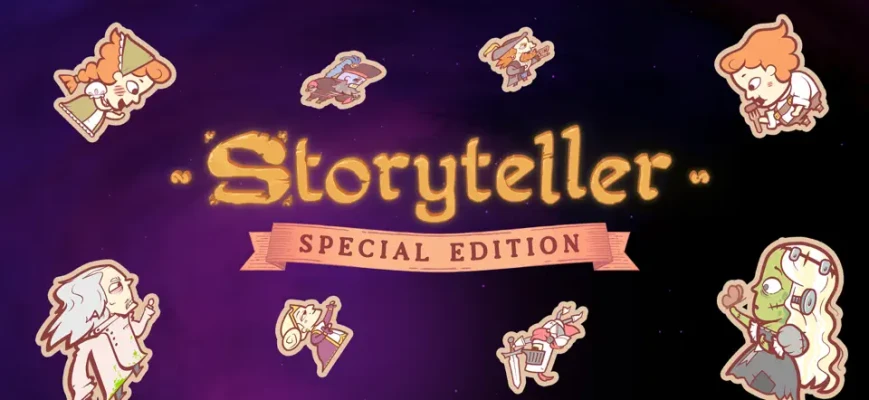
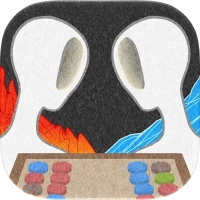
Developed by Daniel Benmergui and published by Annapurna Interactive, the mobile edition is available through Netflix Games. Players can explore different storybook chapters, experiment with character relationships, discover hidden endings, and unlock achievements while working toward becoming the ultimate storyteller.
Specific Game Information
Game Title: Storyteller
Game Genre: Puzzle, Storytelling, Creative Adventure
Developer: Daniel Benmergui and his development team
Mobile Publisher: Netflix, Inc.
Original Publisher: Annapurna Interactive
Platform: iOS, iPadOS, Android
Game Mode: Single-player
Gameplay Style: Interactive Story Construction and Logic Puzzles
Visual Style: Animated Storybook and Comic-Book Presentation
Main Objective: Complete story challenges by arranging characters and settings in the correct order.
Membership Requirement: An active Netflix membership is required to play the mobile edition.
Age Rating: 13+ on the US App Store listing
Supported Language: English, according to the current US App Store listing
Compatibility: iOS 17.0 or later
Main Features: Character interactions, animated story panels, multiple story solutions, secret achievements, hidden endings, and themed chapters.
What Is Storyteller?
Storyteller is an unusual puzzle game that puts creativity and logical thinking at the center of its gameplay. Rather than controlling a character through traditional levels or fighting enemies, players are given an empty storybook and a collection of characters, locations, and narrative possibilities.
Each level presents a particular storytelling challenge. Your task is to understand the requested outcome and arrange the available elements into a sequence of illustrated scenes that produces the correct result.
For example, one challenge might ask you to create a romantic relationship, explain how a character becomes king, or develop a mystery involving unexpected events. You must decide which characters belong in each scene and how their interactions should develop.
The interesting part is that characters respond to what happens around them. Their relationships, emotions, decisions, and actions can influence later scenes, making the order of events extremely important.
A story that initially appears simple can quickly develop into something complicated. A character might become jealous, someone might disappear, a relationship might change, or an unexpected event might completely transform the ending.
Storyteller rewards experimentation. There is rarely just one obvious way to approach a challenge, and discovering alternative solutions is part of the entertainment.
Main Gameplay Features
Creative Story Construction
The main attraction is the freedom to build stories using a collection of animated characters and settings. Every panel represents an opportunity to introduce a new event or change the direction of the narrative.
Interactive Characters
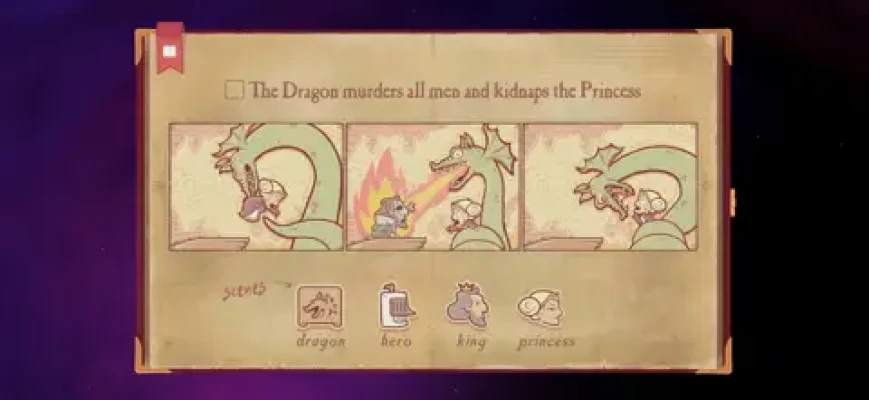
The game features a colorful cast that includes kings, queens, knights, witches, werewolves, monsters, and other fantasy personalities. Their reactions depend on the situations you create.
Multiple Story Possibilities
Some challenges can be completed through different combinations of scenes. Experimenting with alternative arrangements helps reveal new narrative possibilities.
Magical and Fantasy Settings
The storybook includes a variety of environments that support different themes, from traditional fairy tales to mysterious and darker adventures.
Special Edition Content
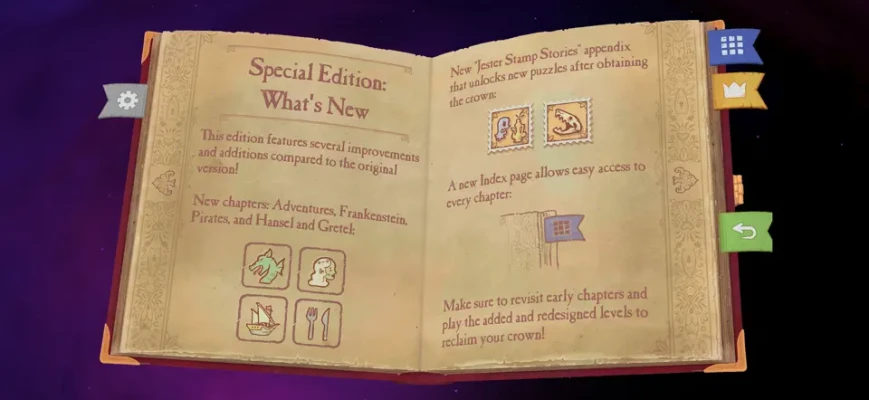
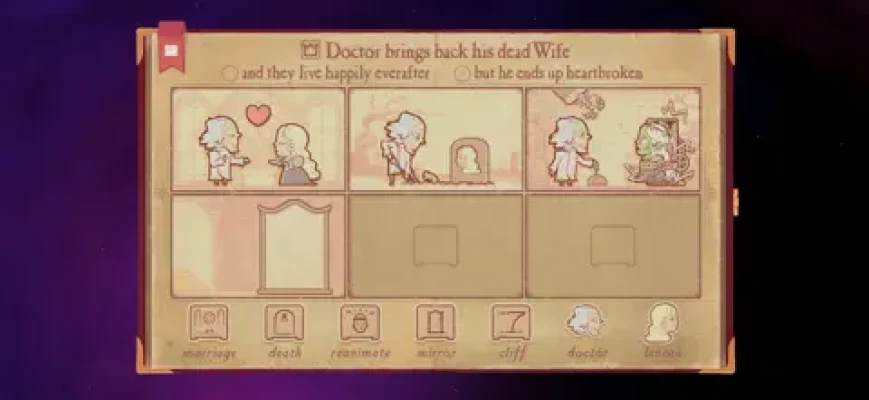
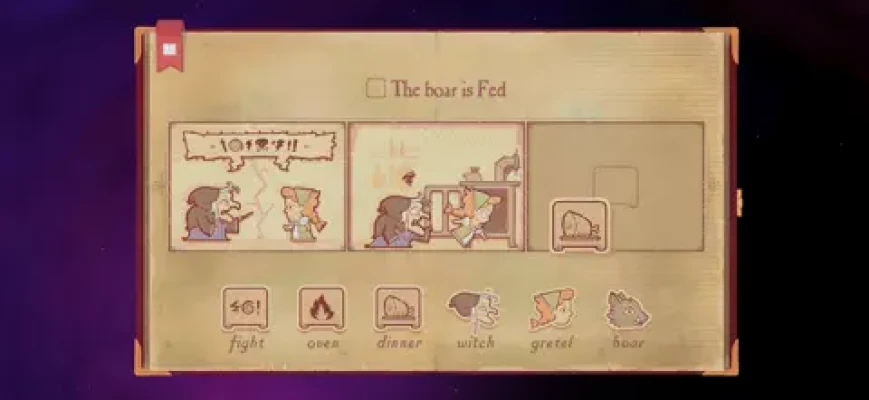
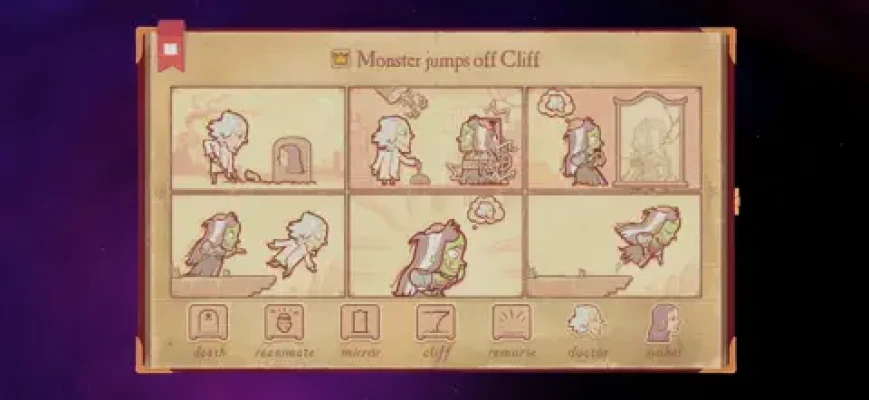
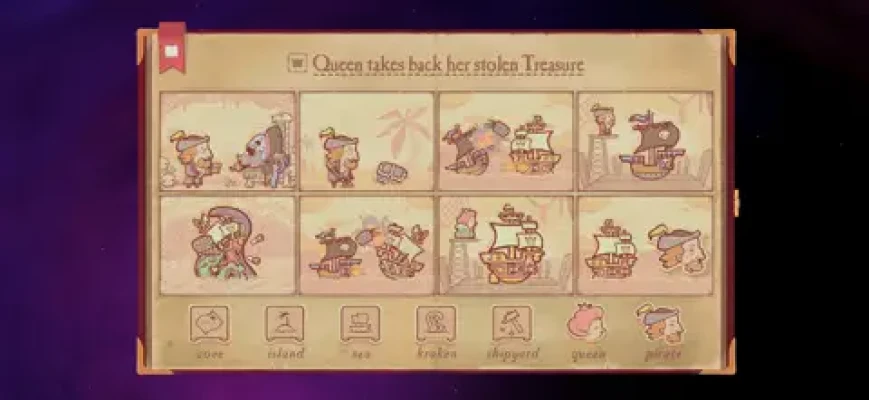
The Special Edition update introduces additional chapters involving Dr. Frankenstein and his monster, pirates, and Hansel and Gretel. It also adds new levels to existing chapters and introduces the Genie, who can grant wishes to other characters.
Secret Achievements and Hidden Endings
Beyond completing the main objectives, players can discover special achievements and unexpected endings by exploring unusual character combinations.
Relaxed Puzzle Experience
Storyteller does not depend on fast reactions or complicated controls. The challenge comes from understanding relationships, planning events, and discovering how individual scenes influence the complete story.
Understanding the Storybook and Its Mechanics
Before attempting the more difficult challenges, it is important to understand how the storybook works.
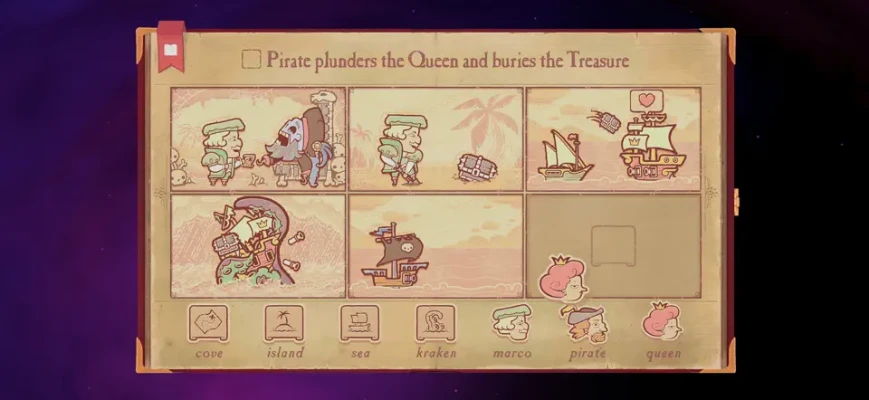
The game presents a series of empty panels. Each panel represents a moment in the story, and you must fill these spaces with available characters and locations.
The setting establishes where an event happens, while the characters determine what takes place. Their interactions create the narrative that connects one panel to another.
The order of the panels is particularly important. An event in an earlier scene can establish a relationship or situation that affects everything that happens afterward.
For example, if a character becomes a king in one scene, that event may influence how other characters behave in later scenes. Similarly, introducing a romantic relationship before a betrayal can produce a completely different outcome from introducing the betrayal first.
Understanding these connections is the foundation of successful gameplay.
Complete Storyteller Strategy Guide
How to Get Started
The best way to begin Storyteller is by paying close attention to the introductory tutorial. It explains how to interact with the storybook, place characters, select settings, and build scenes.
Start by experimenting with the basic combinations available in the early levels. Try placing different characters together and observe how they react to one another.
Do not rush through the introductory challenges. They introduce important gameplay concepts that become increasingly useful as the puzzles grow more complicated.
Your first objective should be understanding how the game interprets each scene rather than simply trying to complete every prompt as quickly as possible.
Once you understand the relationship between characters, locations, and event order, later challenges become much easier to approach.
Read Every Story Prompt Carefully
One of the most important strategies is to understand exactly what each challenge requires.
A prompt might ask you to create a specific ending, establish a relationship, introduce a conflict, or explain how a particular character reaches a certain position.
These objectives are not interchangeable.
For example, creating a romantic relationship is different from showing that two characters remain together until the final scene. Likewise, showing a character becoming king does not necessarily satisfy a challenge that requires the character to keep the throne.
Break the prompt into smaller requirements.
Identify the characters involved, determine the important events, and establish the final outcome before arranging the panels.
This simple approach prevents unnecessary experimentation and makes complicated puzzles more manageable.
Plan the Beginning, Middle, and Ending
A successful story usually needs a clear sequence of events.
Think about the panels as three connected stages.
Beginning: Introduce the characters and establish their initial situations. Determine who knows whom, who holds power, and which relationships already exist.
Middle: Create the important events that move the story toward its objective. This might involve romance, betrayal, kidnapping, transformation, revenge, or another major development.
Ending: Make sure the final scenes produce the exact result requested by the challenge.
This structure is especially useful when a puzzle involves several characters or requires a specific sequence of interactions.
Avoid filling panels randomly. Every scene should contribute something meaningful to the final outcome.
Understand Character Relationships
Character relationships are among the most important elements in Storyteller.
Different personalities can react differently depending on the characters they encounter and the events that take place around them.
When working with a relationship-based puzzle, consider the following questions:
Who is interested in whom?
Does a character already have a romantic partner?
Is someone jealous of another character?
Has a relationship changed because of a previous event?
Does the final scene show the relationship you were asked to create?
Paying attention to these details helps prevent situations where an apparently successful story fails to satisfy the objective.
A useful technique is to establish important relationships early and then introduce events that test or change them.
Master the Importance of Scene Order
Scene order can completely change a story.
The same characters and locations can produce different outcomes when arranged differently. This is why simply using the correct characters is not always enough.
Consider a story involving a king, a queen, and a knight. Introducing a betrayal before establishing the original relationship may produce a different narrative from showing the relationship first and introducing the betrayal afterward.
Whenever a puzzle becomes confusing, examine the order of events.
Ask yourself whether a character needs to experience something before another event can happen.
If the final result is incorrect, try changing the sequence rather than replacing every character.
This is one of the most effective ways to solve difficult levels without wasting too much time.
Use Every Available Character Carefully
It can be tempting to place every available character into a story, especially when several interesting combinations are possible.
However, unnecessary characters can make a puzzle more complicated.
Focus on the characters directly connected to the objective. Add additional personalities only when they help establish an important event or create the required ending.
For example, a knight might be necessary to rescue a character, while a witch could be essential to a magical transformation.
Understanding the purpose of each character makes your solutions more organized.
Experiment With Different Settings
Settings are more than decorative backgrounds. They help establish the context of individual scenes.
A location can determine the type of interaction that makes sense within a story. A castle might be suitable for royal conflicts, while a forest can support encounters with magical creatures or mysterious events.
When a solution does not work, consider whether the selected setting is appropriate for the intended action.
Try changing the location while keeping the characters and event order the same. This makes it easier to identify which part of your original solution was incorrect.
Solve Romance-Based Challenges
Romantic story puzzles often require careful attention to character relationships.
The main challenge is not simply placing two characters together. You must understand how the relationship develops and whether other characters influence it.
Start by identifying the characters involved in the requested romance.
Establish their relationship through the appropriate scenes, then examine whether another character creates a conflict.
If the puzzle involves jealousy or an unexpected romantic development, consider how the order of those events affects the final relationship.
Always inspect the final panel to ensure that the requested romantic outcome has actually occurred.
Handle Royal and Kingdom Challenges
Royal stories often involve kings, queens, knights, and characters who want to gain power.
These puzzles usually depend on a sequence of events involving authority, betrayal, and changes in leadership.
First, determine who begins with power and who wants to obtain it.
Next, identify the events that allow the desired character to become ruler. Consider whether another character must lose their position or whether a particular event needs to happen beforehand.
Finally, make sure the ending reflects the requested royal situation.
If the challenge involves restoring order after a conflict, the final scenes should clearly establish how the kingdom reaches that outcome.
Approach Mystery and Gothic Puzzles
Some chapters introduce darker themes and more complicated storytelling situations.
These challenges may involve suspicious characters, unexpected deaths, disappearances, or mysterious events.
The best strategy is to treat each scene as part of a chain of evidence.
Determine which characters are involved, what happens before the mystery develops, and which event explains the final result.
Avoid assuming that the first explanation you imagine is correct. Sometimes a seemingly minor scene changes the meaning of everything that follows.
Careful observation is more valuable than random experimentation in these levels.
Explore the Frankenstein and Monster Chapter
The Special Edition introduces challenges involving Dr. Frankenstein and his monster.
This theme provides opportunities to experiment with creation, identity, relationships, and unexpected consequences.
When approaching these puzzles, think about the order in which characters are introduced and how their interactions develop.
Pay attention to the difference between creating a character, establishing its behavior, and showing the consequences of its existence.
Try alternative scene arrangements when the requested outcome does not appear immediately.
Master the Pirate Chapter
Pirate-themed puzzles introduce another storytelling environment filled with adventure and potential conflicts.
When working through these challenges, consider the relationships between the characters and the events that take place during their adventures.
Think about how characters reach their destinations, how conflicts develop, and which events must happen before the final scene.
A good strategy is to identify the central objective first and then use the available panels to construct a logical sequence leading toward it.
Explore the Hansel and Gretel Chapter
The Hansel and Gretel chapter introduces a familiar fairy-tale atmosphere involving children, forests, and dangerous encounters.
These puzzles reward careful thinking about character placement and event progression.
Pay attention to the relationship between the characters and their environment. Consider how an encounter in one scene might influence what happens in the next.
When the solution seems unclear, experiment with different arrangements and observe how the story changes.
Make the Most of the Genie
The Genie is an important addition to the Special Edition content.
Its wish-granting ability creates additional storytelling possibilities and introduces new ways to approach character interactions.
When solving Genie-related puzzles, focus on understanding who makes the wish, what is requested, and how the result affects the other characters.
Do not assume that every wish produces the same outcome in every situation. The surrounding story can influence how the resulting events fit together.
Discover Hidden Endings and Achievements
Completing the main objective is only part of the experience.
Storyteller encourages players to explore alternative solutions and discover additional achievements.
Once you finish a level, consider whether another arrangement could create a different ending.
Try changing one character, replacing a setting, or moving an important event to another panel.
You can also experiment with combinations that appear unusual or even contradictory.
Some of the most entertaining discoveries come from stories that take an unexpected direction.
Keep track of interesting combinations so you can reuse successful ideas in later challenges.
Strategies for Difficult Levels
When you encounter a particularly difficult puzzle, avoid changing everything at once.
Instead, use a systematic approach.
Identify the final objective: Understand the exact result required by the prompt.
List the essential characters: Determine which personalities must participate in the story.
Establish the starting situation: Decide what needs to happen before the main event.
Build the important events: Arrange the scenes in a logical sequence.
Check character relationships: Make sure earlier interactions do not contradict the desired ending.
Review the final panel: Confirm that the requested outcome has been achieved.
Experiment with one change: If the solution fails, adjust a single scene or character before rebuilding the entire story.
This approach makes it easier to understand why a particular arrangement works or fails.
Common Mistakes to Avoid
Ignoring the Story Prompt
A visually entertaining story is not necessarily a correct solution. Always prioritize the objective rather than creating random events.
Using the Wrong Scene Order
Characters may behave differently depending on what happened earlier. Review the sequence whenever the outcome seems incorrect.
Forgetting Previous Relationships
A character's earlier interactions can influence later events. Make sure your story accounts for important relationship changes.
Adding Unnecessary Characters
Too many characters can complicate the narrative. Use only the personalities needed to achieve the objective.
Repeating the Same Failed Solution
If an arrangement does not work, change something meaningful. Repeating identical combinations is unlikely to reveal a new result.
Overlooking Alternative Endings
Completing a challenge does not mean there is nothing else to discover. Explore different combinations to find additional achievements and story outcomes.
Advanced Tips for Experienced Players
Once you become comfortable with the basic mechanics, start approaching puzzles like a professional storyteller.
Think about cause and effect rather than individual scenes. Every important event should have a reason for happening, and every major character interaction should contribute to the overall narrative.
Try working backward from the requested ending. Determine what must happen immediately before the final scene, then identify the earlier events needed to make that situation possible.
This reverse-planning technique is particularly useful when a puzzle contains several characters and multiple possible outcomes.
Another effective technique is to isolate important events. If you suspect a particular interaction is responsible for an incorrect ending, change only the scenes connected to that interaction.
Over time, you will become better at recognizing recurring patterns and understanding how different storytelling elements work together.
How to Progress Through All Chapters
Storyteller gradually introduces more complicated challenges as you move through its storybook.
The early levels help you understand character placement and basic interactions. Later challenges introduce more complicated relationships, additional personalities, and unexpected narrative developments.
The Special Edition expands the experience with additional chapters and new levels in existing chapters.
A good progression strategy is to complete the basic challenges first, then return to explore alternative solutions.
Do not spend too much time trying to discover every possible ending immediately. Understanding the core mechanics is more important than collecting every achievement at the beginning.
As your experience grows, revisit earlier chapters and experiment with combinations you might have overlooked.
Is Storyteller Worth Playing?
Storyteller is an excellent choice for players who enjoy creative puzzles, interactive narratives, and games that reward imagination.
Its biggest strength is the way it transforms storytelling into a puzzle-solving experience. Instead of simply reading a fairy tale, you decide how events unfold and watch characters respond to your decisions.
The animated comic-book presentation gives the game a distinctive personality, while its variety of themes provides plenty of opportunities for experimentation.
It is particularly appealing to players who prefer thoughtful gameplay over fast-paced action.
The Netflix membership requirement is an important consideration for new players, but those who already have access to Netflix Games can enjoy a distinctive storytelling adventure without needing to purchase individual gameplay items.
Final Thoughts
Storyteller offers a refreshing approach to puzzle gaming by allowing players to become the authors of their own interactive tales. Its combination of creative thinking, character relationships, animated scenes, and unexpected endings makes every chapter an opportunity to experiment with different ideas.
The key to mastering the game is understanding how characters interact, planning the order of events, and paying close attention to the objectives of each challenge. Rather than relying on random combinations, successful players think carefully about how every scene contributes to the final result.
Whether you are building a magical fairy tale, solving a mysterious conflict, creating an unusual romance, or exploring the adventures of pirates and monsters, Storyteller provides an enjoyable experience where imagination and logic work together.
With patience, experimentation, and a little creativity, you can complete the storybook, uncover hidden possibilities, and earn the title of the ultimate storyteller.
Rate the Game
User Reviews









Popular Games



















 Android
 iOS
 Windows
 Xbox