



Latest Version
November 18, 2026
APPWILL COMPANY LTD
Simulation
iOS
0
Report a Problem
More About :game
About Lumberjack Woodcut Simulator
Experience the Life of a Lumberjack
Lumberjack Woodcut Simulator takes players into a detailed forest environment where hard work, careful planning, and creativity come together. Instead of simply watching resources accumulate automatically, players participate directly in the process of cutting trees, preparing timber, transporting materials, and developing their own production facilities.
The adventure begins with a basic axe and access to a large forest. Your main objective is to harvest trees, turn them into useful wooden materials, and use those resources to expand your operation.
As you progress, additional tools, machines, transportation options, and construction opportunities become available. Every activity contributes to the development of your growing forestry business.
The game combines several types of gameplay, including first-person woodcutting, resource collection, truck driving, sawmill management, furniture production, and home construction.
Its relaxing atmosphere makes it suitable for players who enjoy realistic work simulators and gradual progression without constant pressure.
Main Game Features and Activities
Realistic Tree Cutting
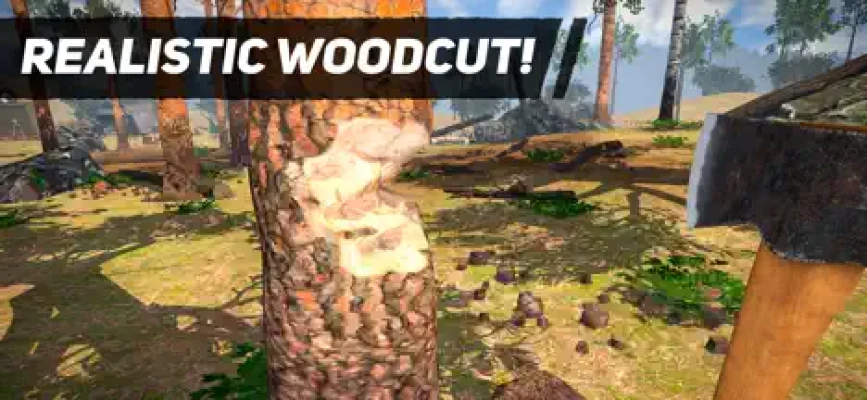
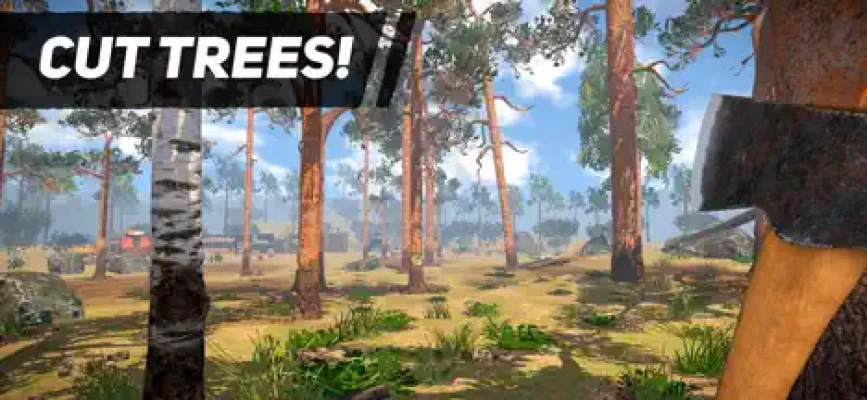
Tree cutting is one of the central activities in Lumberjack Woodcut Simulator. Players use different axes to manually chop trees and experience a more involved woodcutting process.
The game introduces mechanics that allow players to prepare cutting notches and influence the direction in which trees fall. This adds a layer of control to an activity that might otherwise feel repetitive.
Manual Wood Processing
After bringing down a tree, the work continues. Players remove branches, prepare trunks, and cut them into smaller logs.
These materials become the foundation of the entire production system. Properly processing timber is essential for transportation, manufacturing, and construction.
Pickup Truck Restoration and Driving
The game features an abandoned pickup truck that players can restore and use for transporting harvested wood.
Once repaired, the vehicle becomes an important part of the logging operation. Players can load timber into its cargo bed and drive across forest roads and challenging terrain.
The truck also features visual damage mechanics, adding another element to the driving experience.
Sawmill Construction and Development
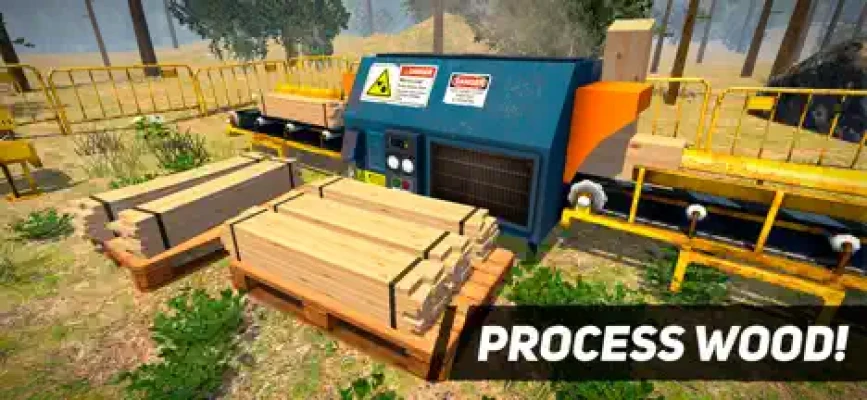
Building a functional sawmill is an important milestone. Players can expand their production facilities by unlocking machines, processing stations, and industrial equipment.
Raw logs can be debarked and transformed into useful materials such as boards and beams.
These processed resources support different construction and crafting activities.
Build Your Own Forest House
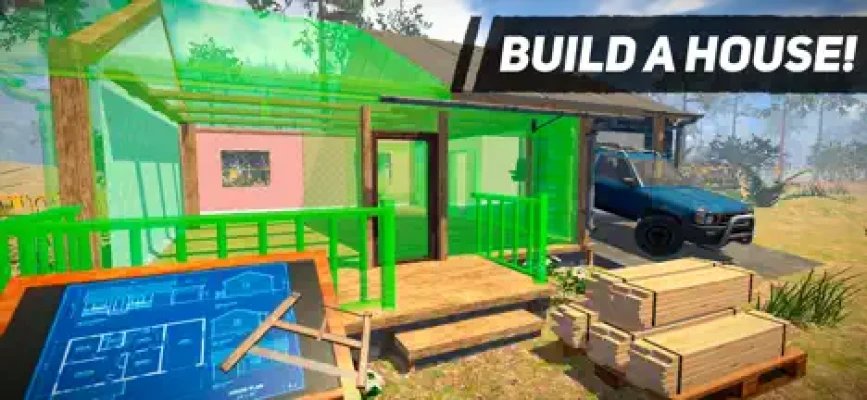
One of the most enjoyable progression features is constructing a personal home in the forest.
Players collect the required materials and gradually complete different parts of the building. Logs, beams, and boards all contribute to the construction process.
Once the structure develops, players can furnish rooms and purchase decorations to create a comfortable living space.
Furniture Crafting Workshop
The furniture workshop introduces another creative side of the game.
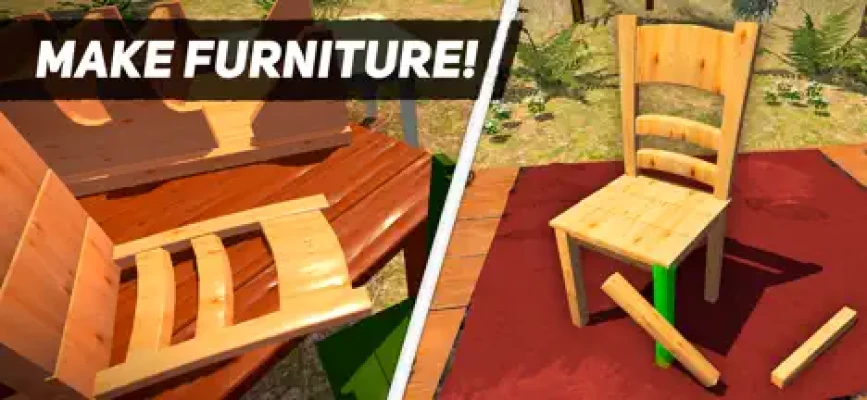
Players can manufacture different furniture items through hands-on activities. Available furniture types include:
Chairs
Tables
Beds
Sofas
Cabinets
Shelves
Other household furniture
Crafted items can be used to decorate the forest home or contribute to the expanding woodworking operation.
Production Equipment and Conveyors
As the business grows, players can unlock additional equipment and transportation systems.
Conveyors and forestry machinery help organize the production process and make the operation more efficient.
Large Forest Environments
Exploration is another important part of the experience. Players can travel through forest locations, discover additional working areas, and develop their logging activities.
The game also includes new areas that can be reached through construction progress, including building a bridge across a river.
Complete Gameplay Guide
Starting Your Lumberjack Adventure
At the beginning, concentrate on understanding the basic controls and learning how the woodcutting system works.
Your first objective is to become comfortable using the starting axe. Explore the nearby forest, select suitable trees, and practice cutting them down.
Do not rush through the early stages. Learning the basic harvesting process will make later activities much easier.
Pay attention to how the cutting notch affects the direction of a falling tree. Understanding this mechanic helps you work more efficiently and avoid unnecessary complications.
How to Chop Trees Efficiently
Tree cutting requires more attention than simply swinging an axe repeatedly.
Start by positioning yourself correctly near the tree. Follow the cutting instructions and create the required notch.
Try to control the direction of the tree's fall by preparing your cuts carefully.
Once the tree has fallen, remove its branches and prepare the trunk for further processing.
A good approach is to complete one tree before moving to another. This keeps your working area organized and makes it easier to collect the resulting materials.
As you become more familiar with the mechanics, experiment with different axes and discover which tools suit your preferred working style.
Processing Logs and Preparing Timber
Raw wood is valuable, but processed timber opens up more possibilities.
After harvesting a tree, remove unnecessary branches and cut the trunk into manageable sections.
Prepare the logs for transportation or take them to the appropriate processing equipment.
At the sawmill, different machines can transform raw timber into finished materials.
Debarking, cutting, and producing boards or beams are important steps in developing your operation.
Avoid collecting more logs than you can conveniently transport or process. Organizing your workflow saves time and reduces unnecessary trips.
Restoring and Using the Pickup Truck
The pickup truck becomes particularly useful when you begin harvesting larger quantities of wood.
First, complete the necessary restoration activities to make the vehicle available.
Once the truck is operational, use it to transport timber from harvesting locations to your processing facilities.
When loading the cargo bed, position the logs carefully. A well-organized load makes transportation easier and helps prevent materials from becoming difficult to manage.
Drive carefully on uneven forest roads. Although the vehicle is designed for offroad use, its visual damage system makes careful driving worthwhile.
Remember to monitor fuel requirements and avoid unnecessary journeys.
Developing Your Sawmill
The sawmill is one of the most important facilities in your growing forestry business.
Rather than focusing only on collecting raw wood, begin developing the equipment needed to turn logs into valuable building materials.
Unlock processing stations as they become available.
Understand what each machine produces and how its output contributes to your next objectives.
A useful production routine is to collect logs, transport them to the sawmill, process them into boards and beams, and then use those materials for construction or other activities.
As additional machinery becomes available, take advantage of conveyors and transportation systems to improve your workflow.
Building Your Forest Home
Home construction gives your harvested wood another important purpose.
Collect the necessary materials and complete the different building requirements.
The process involves using several types of processed timber, so maintaining a steady supply of resources is important.
Instead of spending all your materials on unrelated activities, check the requirements for the next construction stage.
After completing the main structure, focus on furnishing and decorating the rooms.
Choose furniture that makes the house feel comfortable and reflects your personal preferences.
The home-building system provides a rewarding alternative to the more industrial side of the game.
Mastering Furniture Production
The furniture workshop allows you to turn processed timber into useful household items.
Start by unlocking the workshop and learning how its crafting activities work.
Each furniture project requires attention to the individual manufacturing steps.
Take your time with the interactive activities and become familiar with the production process.
Crafting chairs, tables, beds, sofas, cabinets, and shelves gives you additional ways to use your collected resources.
Consider balancing furniture production with your construction objectives so that you always have enough timber available for important projects.
Unlocking New Forest Areas
Exploration becomes more rewarding as your operation develops.
Some locations require additional progress before they become accessible.
One important example is the bridge construction activity, which allows players to reach another forest area across a river.
When a new location becomes available, explore it and investigate the opportunities it offers.
Additional wood types and harvesting opportunities can make exploration valuable for long-term progression.
Best Strategies and Helpful Tips
Choose Your Axe Carefully
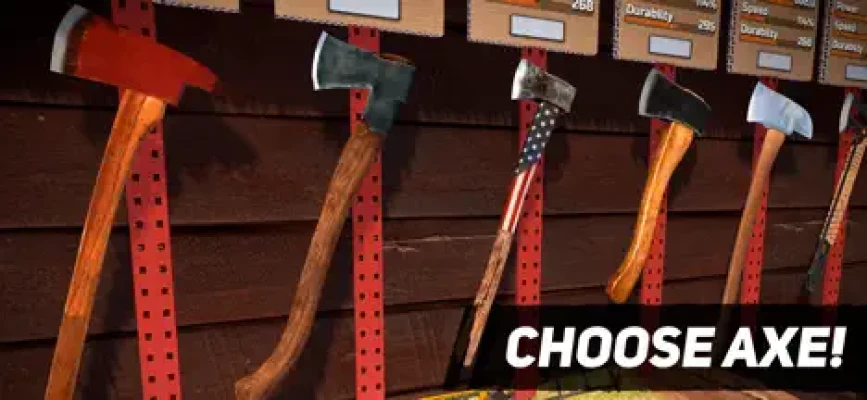
Different axes offer different characteristics. Better tools can improve your woodcutting experience and make harvesting more convenient.
Upgrade your equipment when possible, but consider your current objectives before purchasing optional tools.
Prioritize Essential Progression
Try to focus on activities that unlock important facilities and new gameplay opportunities.
Developing your sawmill, restoring transportation, and completing construction requirements can provide more long-term value than spending resources without a clear objective.
Keep Your Materials Organized
Wood is the foundation of almost everything you do.
Separate your harvesting, transportation, processing, and construction activities into manageable tasks.
This makes it easier to understand where your resources are going.
Make Transportation More Efficient
Use the pickup truck whenever it makes transporting logs easier.
Avoid unnecessary journeys by collecting several suitable logs before returning to your destination.
However, do not overload your vehicle carelessly.
Invest in Useful Machinery
New machines can improve the production process and give you access to additional materials.
Focus on equipment that supports your current progression goals.
Balance Business and Home Development
It is tempting to spend all your resources expanding industrial facilities, but home construction and furniture crafting are also important parts of the experience.
Maintain a reasonable balance between these activities.
Explore New Locations
Do not remain in the starting forest forever.
Complete the necessary objectives to reach new areas and discover additional opportunities.
Exploration can introduce new wood types and fresh activities.
Avoid Unnecessary Spending
The game includes optional purchases for additional axes, premium access, vehicle fuel, and other benefits.
You do not need to purchase everything immediately.
Understand which upgrades provide practical value to your preferred playstyle before spending money.
Advanced Progression Strategy
Once you understand the basic mechanics, the next step is to develop a more efficient production routine.
Begin by identifying the materials required for your current objectives. If your next project requires boards, prioritize harvesting and processing the appropriate amount of timber.
If transportation is slowing down your progress, focus on improving the pickup truck and organizing your loads.
When your sawmill becomes more developed, use its equipment to establish a consistent supply of processed wood.
You should also consider completing construction projects that unlock new locations or additional gameplay opportunities.
A strong long-term strategy involves developing all major parts of the operation together:
Woodcutting provides raw resources.
Branch removal and trunk cutting prepare the timber.
Transportation moves materials between locations.
Sawmill machinery produces usable wooden products.
Furniture workshops turn timber into household items.
Construction projects use processed materials to expand your property.
New equipment improves the efficiency of future activities.
This connected approach makes progression feel more organized and rewarding.
Is Lumberjack Woodcut Simulator Worth Playing?
Lumberjack Woodcut Simulator is an interesting choice for players who enjoy realistic simulation games, forestry activities, and hands-on crafting.
Its biggest strength is the variety of activities built around a single resource: wood.
Players do much more than cut trees. They control the harvesting process, prepare timber, drive a pickup truck, operate industrial machinery, construct buildings, and manufacture furniture.
The combination of peaceful forest environments and practical tasks creates a satisfying gameplay experience.
It is particularly appealing to people who enjoy gradual progression, resource management, woodworking, and construction simulators.
Players looking for fast-paced action or competitive multiplayer experiences may prefer another genre, as the main focus here is on individual progression and completing practical tasks.
Game Information
Game Title: Lumberjack Woodcut Simulator
Alternative Game Name: Lumberjack Simulator 3D
Game Genre: Simulation
Main Categories: Woodcutting, Forestry, Construction, Truck Driving, Woodworking, and Crafting
Developer Listed on the US App Store: ULADZISLAU KURHEI
App Store Price: Free
In-App Purchases: Yes
Platform: iPhone
Minimum iOS Requirement: iOS 15.0
App Size: Approximately 361.1 MB (as listed on the US App Store)
Age Rating: 4+
Supported Languages: English, French, German, Japanese, Korean, Simplified Chinese, Spanish, and Traditional Chinese.
Game Modes: Single-player simulation experience.
Main Activities: Chopping trees, processing logs, transporting timber, operating a sawmill, building a home, and crafting furniture.
Frequently Asked Questions
What is Lumberjack Woodcut Simulator?
Lumberjack Woodcut Simulator is a 3D forestry simulation game where players harvest trees, process timber, transport logs, develop a sawmill, craft furniture, and build a home in the forest.
Is Lumberjack Woodcut Simulator free?
Yes. The game is available as a free download on the App Store, with optional in-app purchases.
Can you drive vehicles in the game?
Yes. Players can restore and drive a pickup truck to transport logs across forest roads and challenging terrain.
Can you build your own house?
Yes. Players can use harvested and processed wood to construct a forest home, furnish its rooms, and purchase decorations.
Can you make furniture?
Yes. The furniture workshop allows players to craft items such as chairs, tables, beds, sofas, cabinets, and shelves.
Does the game feature realistic woodcutting?
Yes. It includes first-person axe mechanics, tree-felling direction control, branch removal, and trunk processing.
Can you upgrade your equipment?
Yes. Players can unlock different axes, tools, vehicles, production machinery, and other forestry equipment.
Does the game have exploration?
Yes. Players can explore large forest environments and unlock additional locations through progression and construction activities.
Who should play Lumberjack Woodcut Simulator?
The game is suitable for fans of lumberjack simulators, tree-cutting games, woodworking experiences, truck driving, construction simulators, and relaxing 3D management games.
Final Thoughts
Lumberjack Woodcut Simulator offers a relaxing and rewarding experience built around the complete process of turning trees into useful products. From swinging your first axe to operating a developed sawmill, transporting timber, crafting furniture, and constructing a comfortable forest home, every activity contributes to your progress.
Its combination of realistic woodcutting, vehicle driving, resource management, and creative construction gives players plenty of reasons to keep developing their forestry operation.
Whether you enjoy chopping trees, managing production facilities, building houses, or creating furniture, Lumberjack Woodcut Simulator brings these activities together in one engaging mobile simulation experience.
Rate the Game
User Reviews















Popular Games



















 Android
 iOS
 Windows
 Xbox